
HDPE Pipe Fusion Services
CONTACT FOR HDPE PIPE FUSION SERVICES


Unmatched Performance
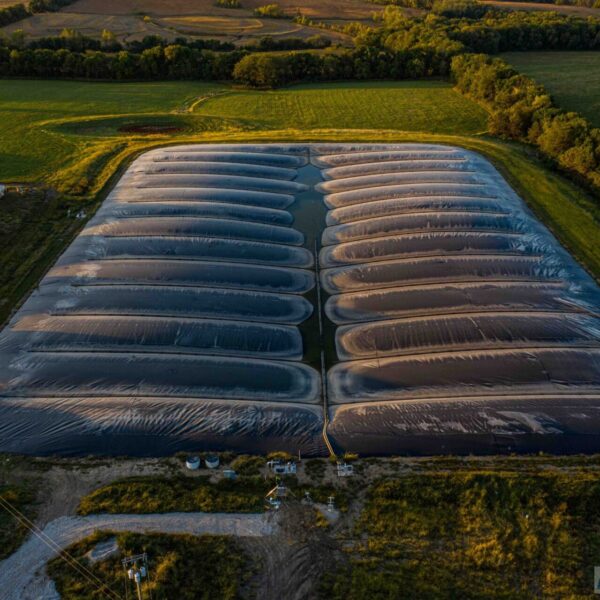
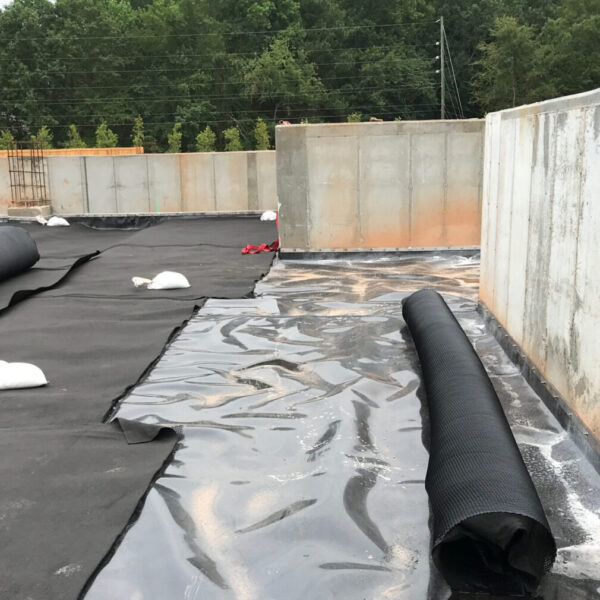
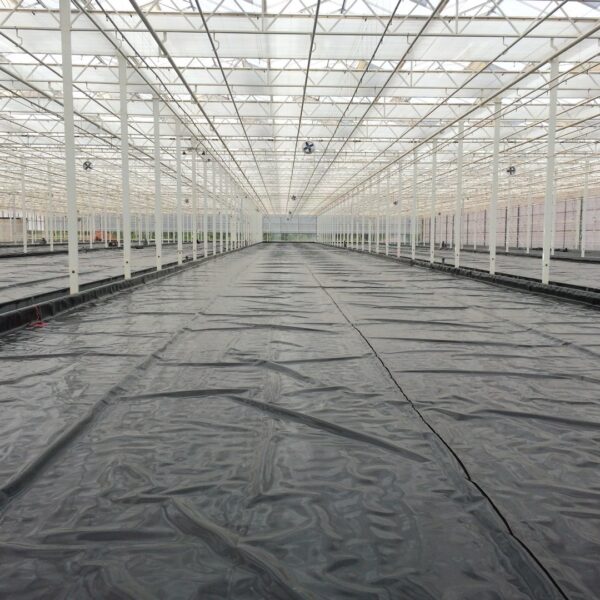
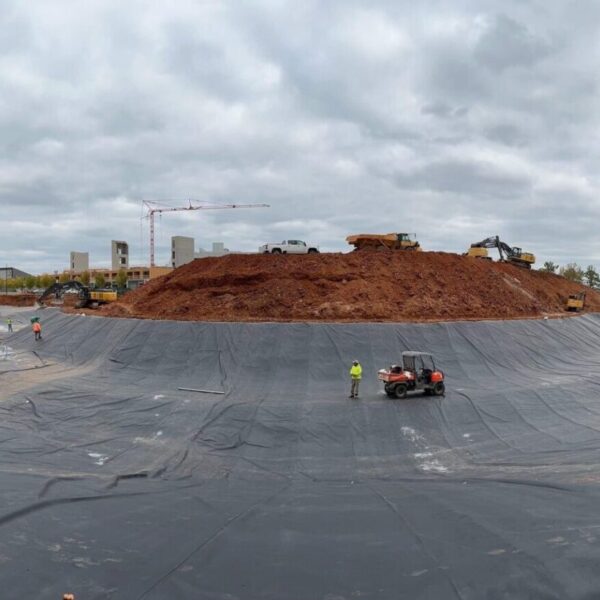
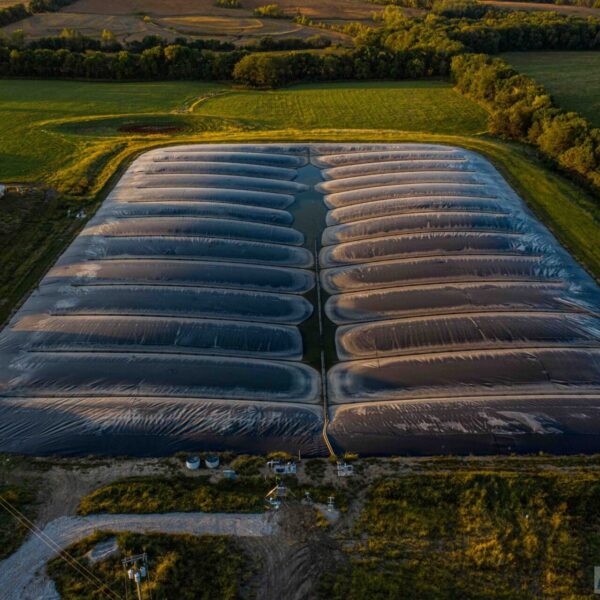
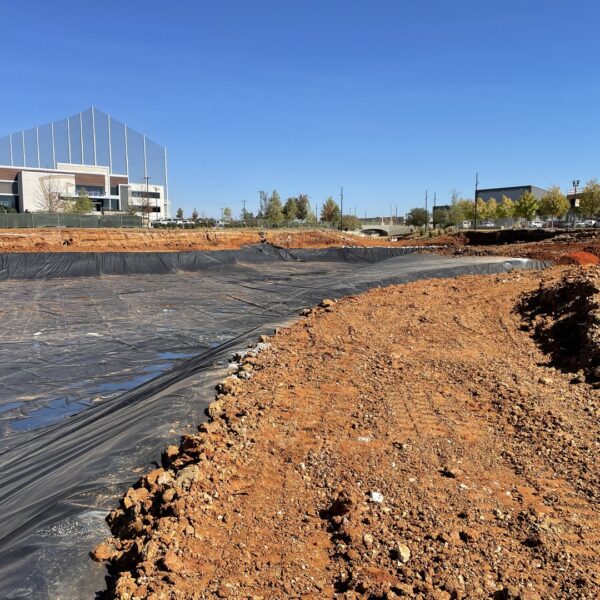
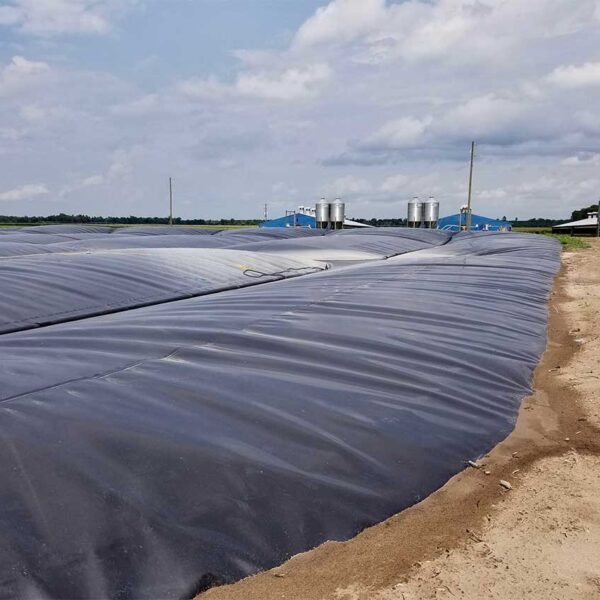
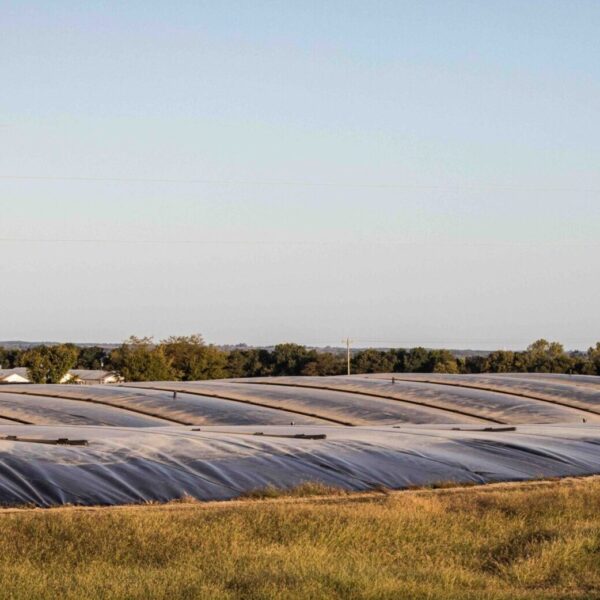
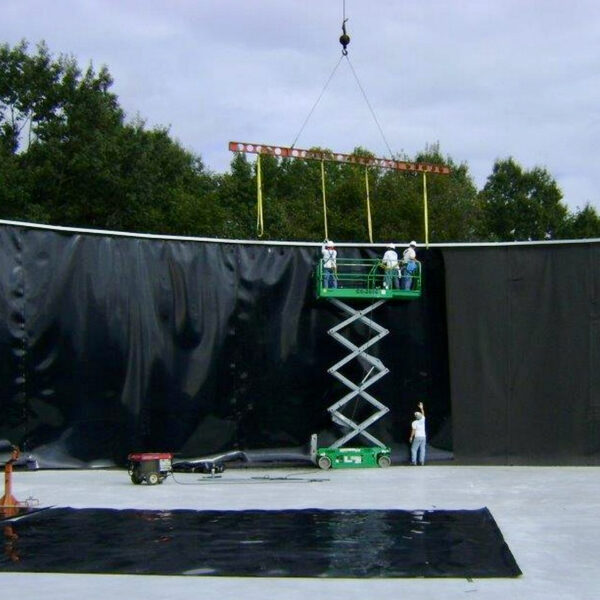
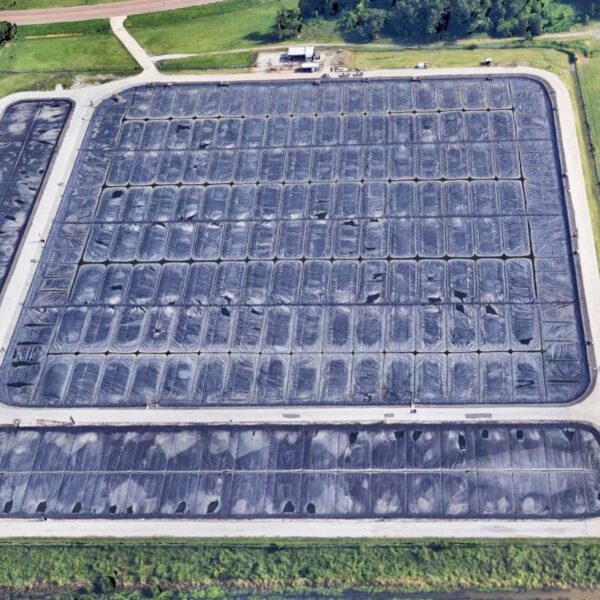
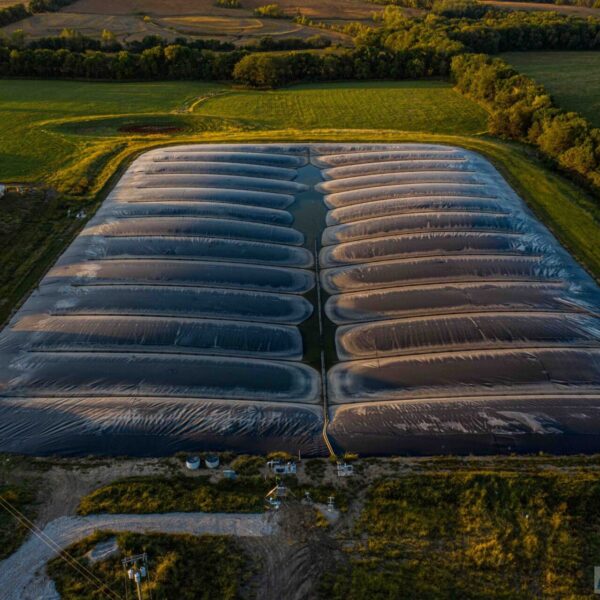
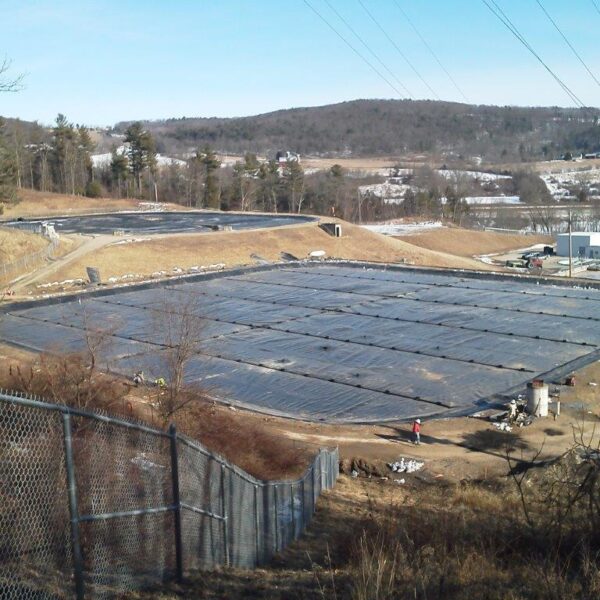
“Plastic Fusion was hired to test, repair, and replace existing pond liners on a restart project. The scope of work included installing a new insulated HDPE cover on the existing AD lagoon. Not only was the quality of the crew’s work exceptional, PFF was given the “A Team” award for outstanding work ethic.”
Ron Davies, Project Manager
Platte River Biogas, LLC
wHAT WE DO
Our HDPE Pipe Fusion Services
HDPE Pipe Fusion Services
CONTACT FOR HDPE PIPE FUSION SERVICES
HDPE Pipe Fusion Services
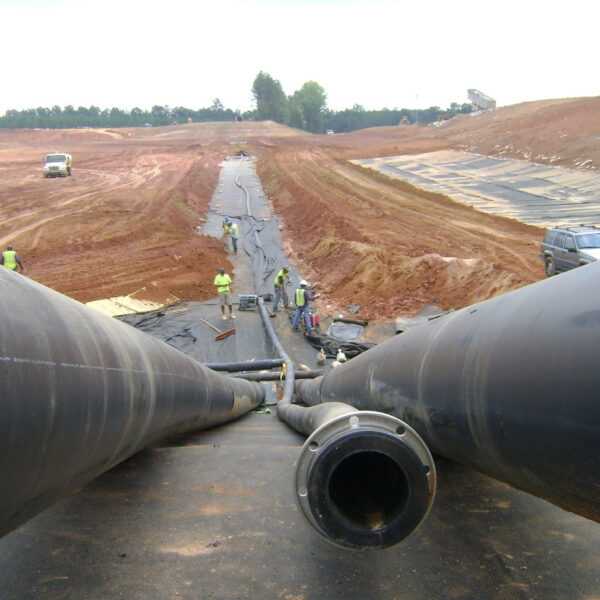
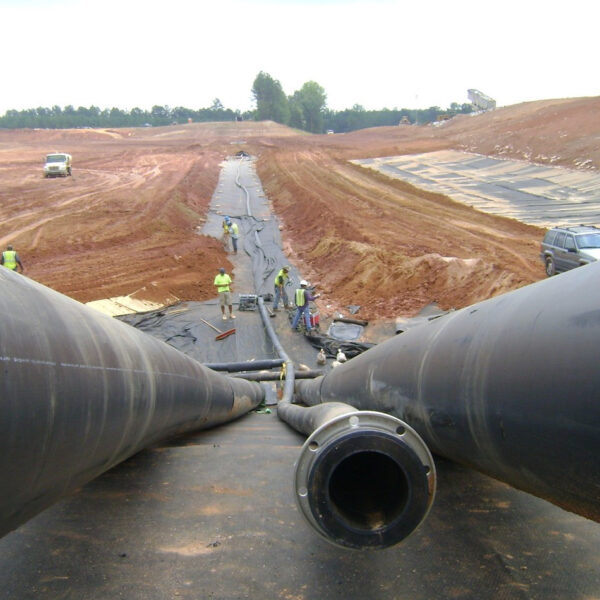
Plastic Fusion Fabricators provides HDPE pipe fusion services for municipal, industrial, mining, environmental, and water infrastructure projects nationwide. Our certified fusion technicians join HDPE pipe from 2″ to 63″ diameter — in the shop or in the field — using butt fusion, electrofusion, and socket fusion to create monolithic, leak-proof pipelines built to handle pressure, chemicals, and decades of service.
HDPE pipe fusion creates a joint stronger than the pipe itself. By applying precise heat and pressure to fuse pipe ends at the molecular level, fusion eliminates the mechanical couplings, gaskets, and bolted connections that leak and fail in conventional piping. The result is a continuous, seamless pipeline with no leak paths — the standard for water distribution, force mains, gas collection, slurry transfer, and corrosive chemical conveyance.
Plastic Fusion has been fusing HDPE pipe for over 40 years. We deploy certified crews with McElroy fusion equipment to job sites nationwide, and we prefabricate custom pipe spools, manifolds, and assemblies in our in-house fabrication shop to reduce field time and improve weld quality. Whether you need a mobile fusion crew for a field installation or shop-fabricated assemblies delivered job-ready, we deliver fusion work backed by documented QA/QC.
HDPE Fusion Methods
Butt Fusion The most common method for joining HDPE pipe. Squared pipe ends are heated against a fusion plate, then joined under controlled pressure to form a permanent, homogeneous joint. Used for mainline pipe from small diameter up to 63″.
Electrofusion Specialized fittings with embedded heating coils melt and bond the pipe when an electrical current is applied. Ideal for tight spaces, repairs, tie-ins, and situations where butt fusion equipment can’t be positioned.
Socket Fusion Used for smaller diameter pipe, where the pipe end and a socket fitting are heated and joined to create a sealed connection.
Field and Shop Fusion Services
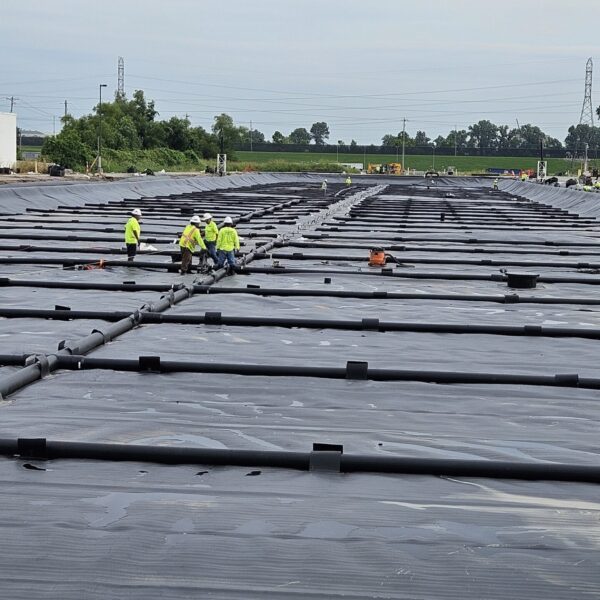
On-Site Field Fusion Our mobile fusion crews travel to your job site with McElroy fusion equipment for mainline fusion, tie-ins, liner penetrations, emergency repairs, and continuous pipe-pulling operations. We mobilize nationwide — to municipal projects, industrial facilities, mining sites, and environmental installations in any region.
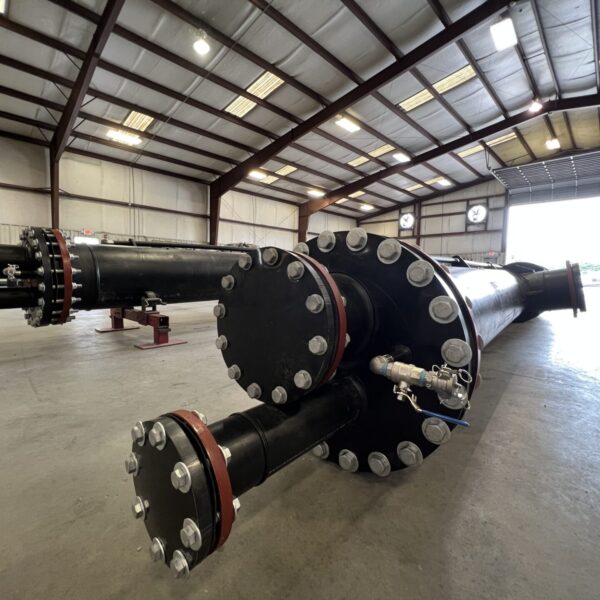
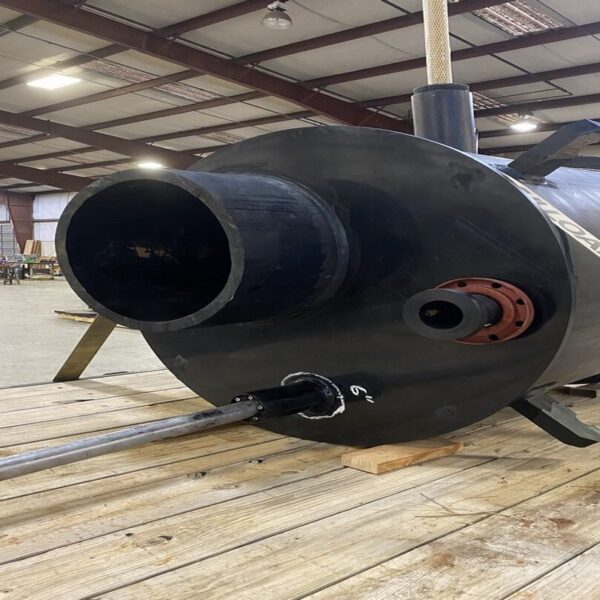
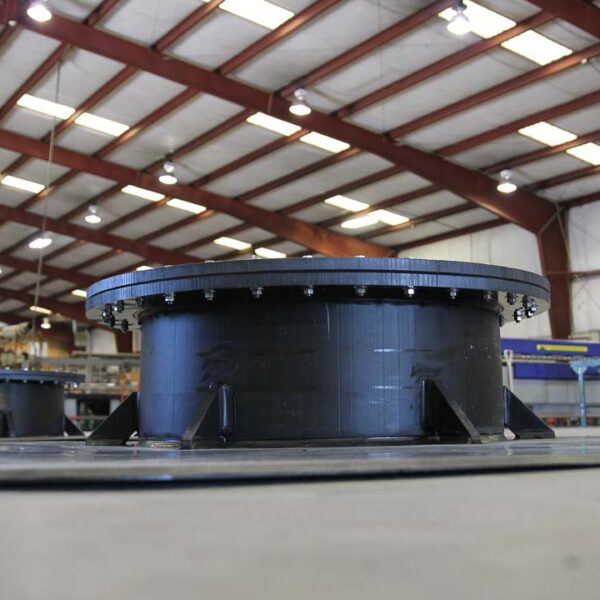
Shop Custom Fabrication Our fabrication shop pre-builds custom manifolds, standpipes, pipe spools, and structural fittings to your exact specifications. Shop-fabricated assemblies arrive job-ready — reducing field welding time, improving weld quality under controlled shop conditions, and eliminating fit-up problems at the site.
Applications
- Municipal water distribution and force mains
- Gravity and pressure sewer systems
- Landfill gas and leachate collection piping
- Biogas collection systems and gas header piping
- Mining slurry and process water pipelines
- Industrial chemical and corrosive fluid conveyance
- High-pressure fluid transfer systems
- Bypass and temporary pumping headers
- Geomembrane liner pipe penetrations and tie-ins
Why Engineers and Contractors Specify Plastic Fusion
- 40+ years fusing HDPE pipe — 2″ to 63″ diameter, shop and field
- Certified fusion technicians trained in butt fusion, electrofusion, and socket fusion
- McElroy fusion equipment for diameters across the full range
- Mobile crews that mobilize nationwide for field fusion and emergency repairs
- In-house fabrication shop for custom spools, manifolds, and assemblies
- Documented QA/QC — fusion records, data logging, and joint verification
- Single-source capability: fusion, fabrication, and geomembrane installation
- Experience across municipal, industrial, mining, and environmental sectors
Industries Served
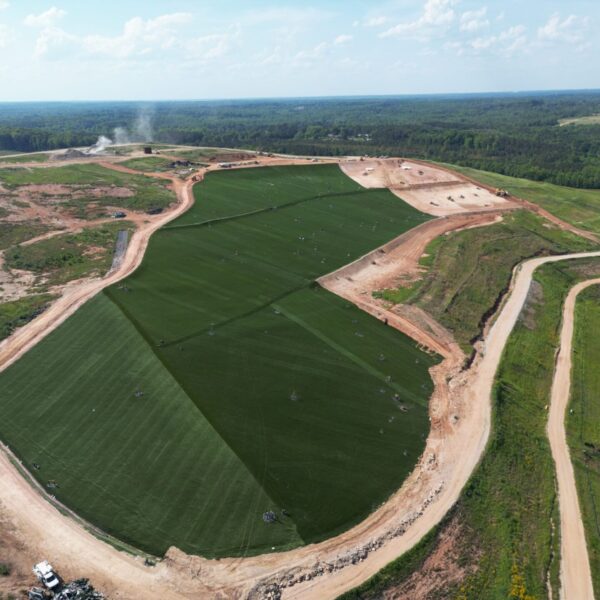
Plastic Fusion provides HDPE pipe fusion services for municipal water and wastewater utilities, landfill and solid waste operators, mining and mineral processing operations, industrial manufacturers, environmental construction firms, and renewable energy and biogas developers. Our certified crews deploy to job sites nationwide.
HDPE Pipe Fusion FAQs
What is HDPE pipe fusion?
HDPE pipe fusion is the process of joining high-density polyethylene pipe by applying heat and pressure to bond the pipe at the molecular level. Unlike mechanical connections that use gaskets, couplings, or bolted flanges, fusion creates a continuous, monolithic joint that’s stronger than the pipe itself — with no leak paths. The three primary methods are butt fusion (for mainline pipe), electrofusion (for fittings, repairs, and tight spaces), and socket fusion (for smaller diameters).
What size HDPE pipe can Plastic Fusion fuse?
We fuse HDPE pipe from 2″ to 63″ in diameter, covering the full range from small-diameter service lines to large-diameter mainline and transmission pipe. Our McElroy fusion equipment and certified technicians handle the complete diameter range in both shop and field settings.
Do you provide on-site field fusion or shop fabrication?
Both. Our mobile fusion crews travel to job sites nationwide for field fusion — mainline joining, tie-ins, liner penetrations, emergency repairs, and continuous pipe-pulling. Our fabrication shop also pre-builds custom manifolds, spools, and assemblies that ship job-ready to reduce field time. Many projects combine both: shop-fabricated assemblies for the complex components, field fusion for the mainline connections.
What’s the difference between butt fusion and electrofusion?
Butt fusion joins two squared pipe ends directly by heating them against a fusion plate and pressing them together — it’s the standard for mainline pipe joining. Electrofusion uses a fitting with built-in heating coils that melt and bond to the pipe when energized — it’s ideal for tight spaces where butt fusion equipment won’t fit, for repairs, and for tie-ins to existing pipe. The right method depends on the pipe diameter, location, and application.
Why is HDPE fusion better than mechanical pipe connections?
Fused HDPE joints are monolithic — the fusion bond is as strong as the pipe wall, with no gaskets, couplings, or bolted connections to leak, corrode, or fail over time. Mechanical connections introduce leak paths and failure points; fusion eliminates them. This makes fused HDPE the preferred choice for buried pipe, pressure systems, corrosive fluids, and any application where leak-free, long-term performance is critical.
Can you mobilize fusion crews to my location?
Yes. Plastic Fusion deploys certified fusion crews with McElroy equipment to job sites nationwide. Whether your project is a municipal water main, an industrial facility, a mining site, or an environmental installation, we mobilize the crew and equipment to your location. Contact us with your project location, pipe specifications, and timeline.
Request a Quote
If your project requires HDPE pipe fusion — field fusion, shop fabrication, or both — Plastic Fusion delivers certified fusion work from 2″ to 63″ backed by documented QA/QC. Contact us with your project details for pricing and crew availability.