
Fuel Containment Liners
CONTACT FOR FUEL CONTAINMENT LINERS


Unmatched Performance
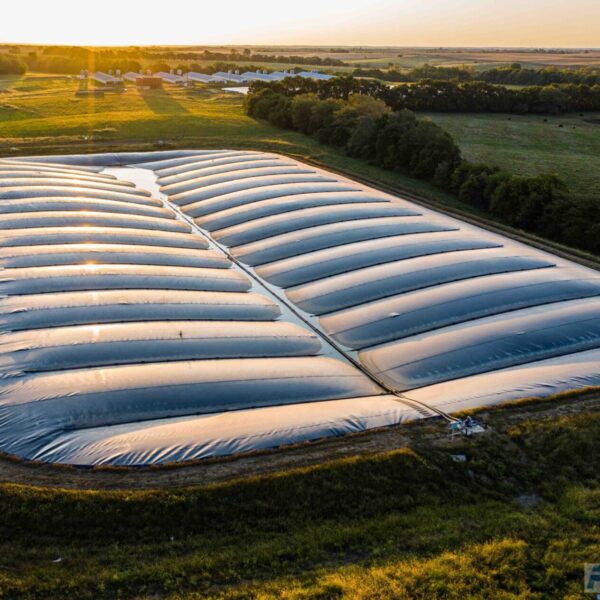
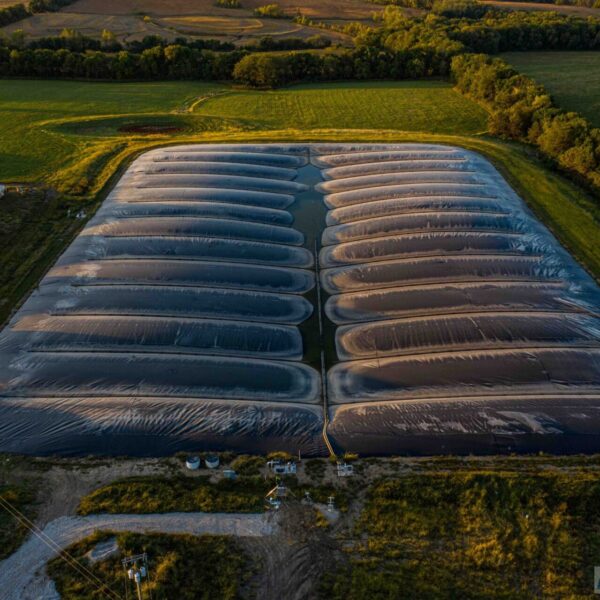
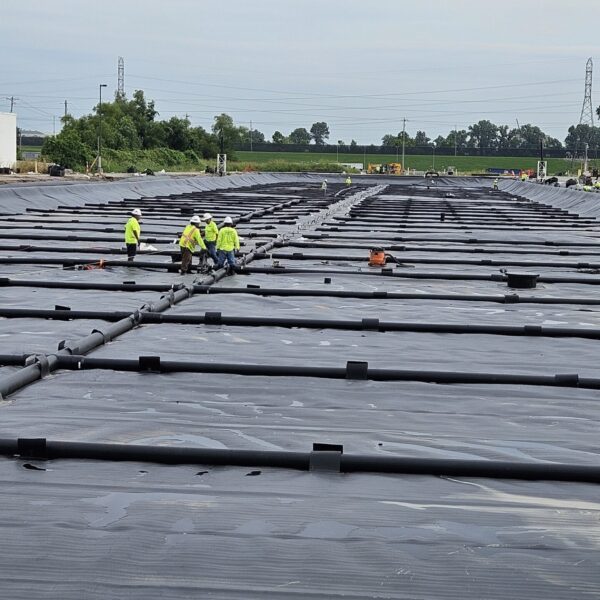
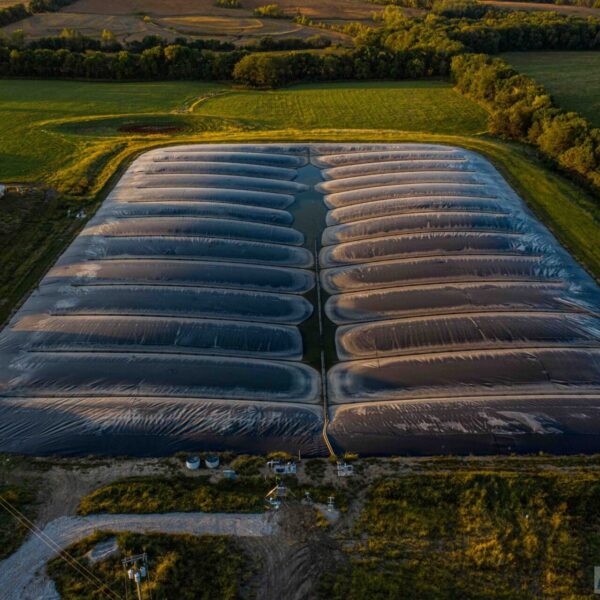
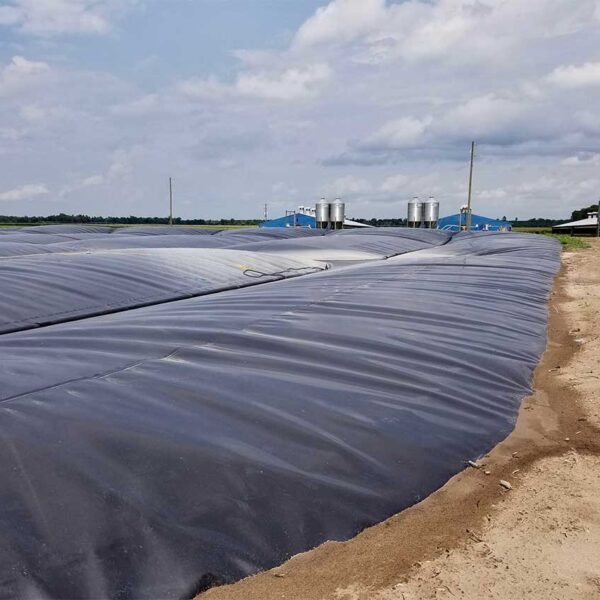
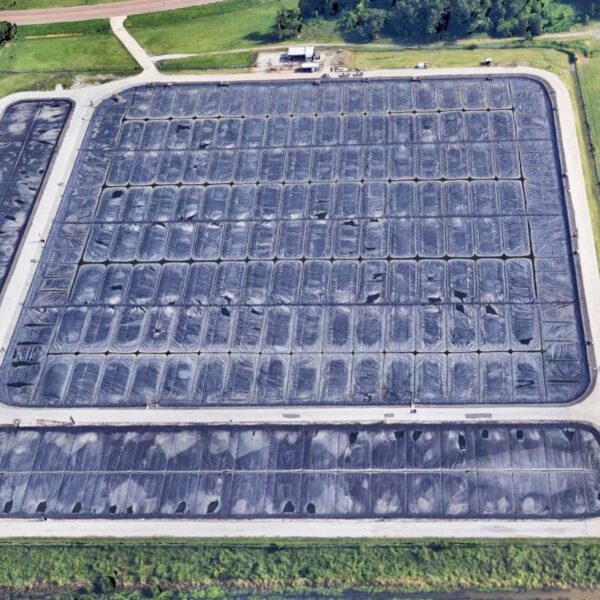
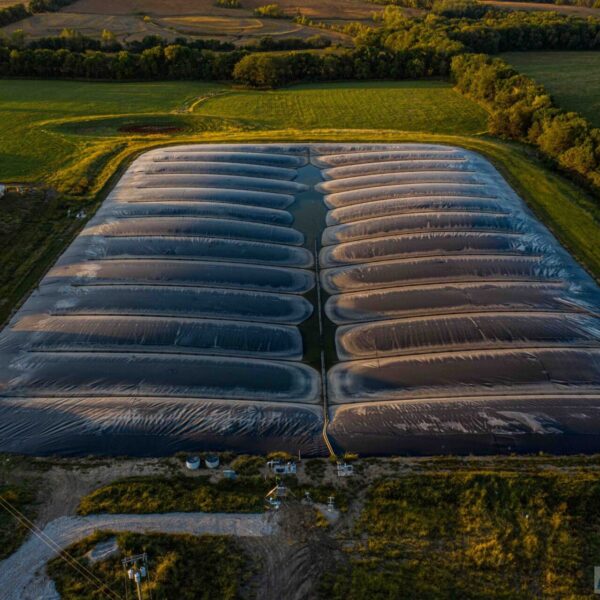
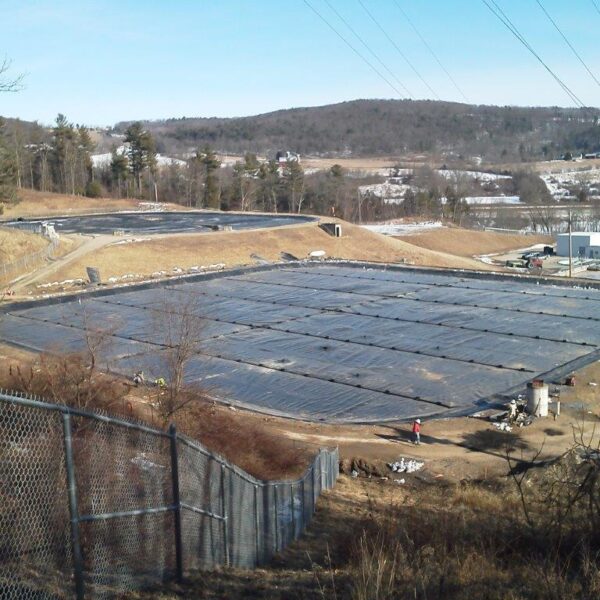
“Plastic Fusion was hired to test, repair, and replace existing pond liners on a restart project. The scope of work included installing a new insulated HDPE cover on the existing AD lagoon. Not only was the quality of the crew’s work exceptional, PFF was given the “A Team” award for outstanding work ethic.”
Ron Davies, Project Manager
Platte River Biogas, LLC
wHAT WE DO

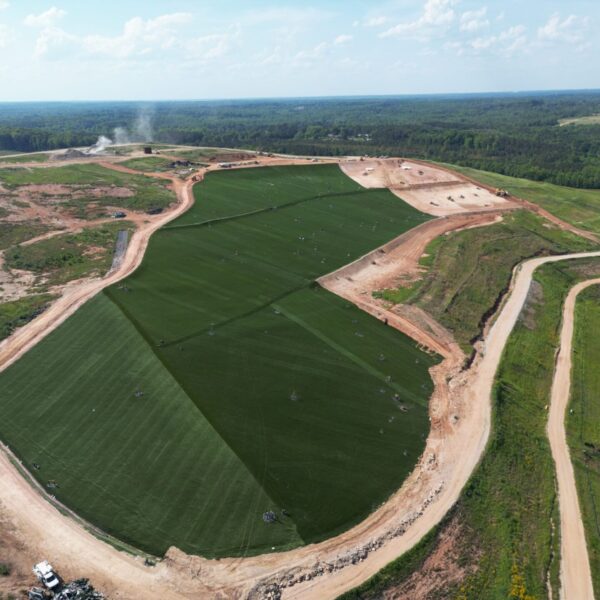
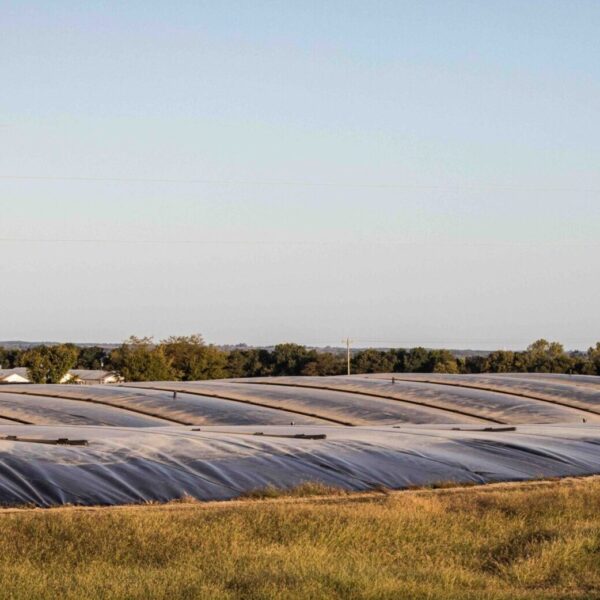
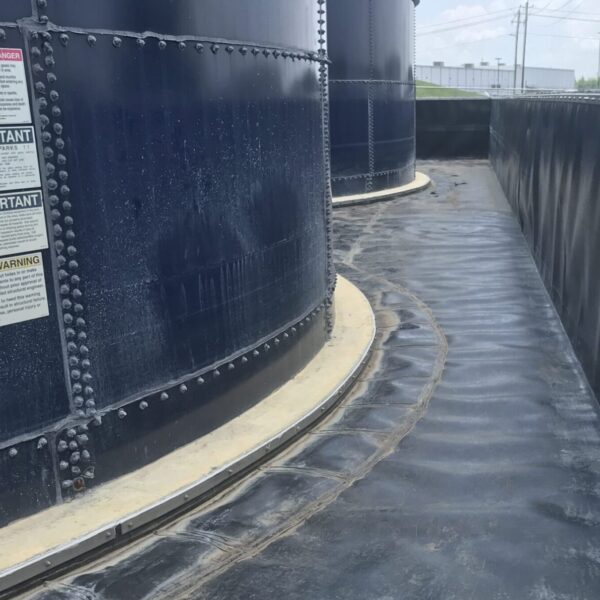
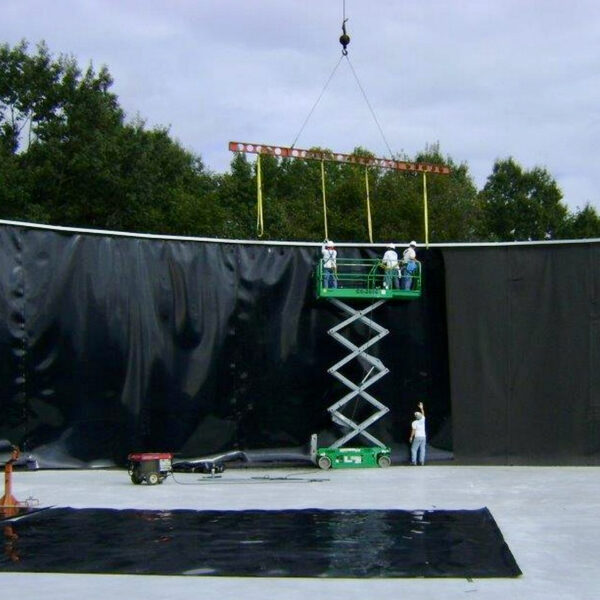
Fuel Containment Liners
CONTACT FOR FUEL CONTAINMENT LINERS
Fuel Containment Liner Contractor for Oil, Fuel & Gas
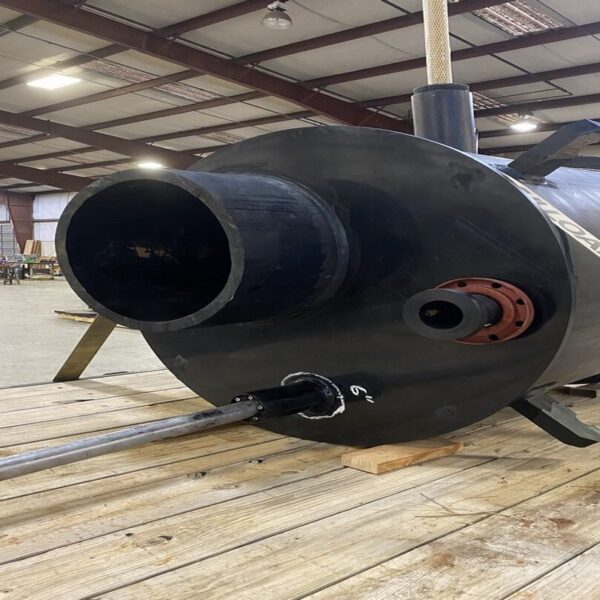
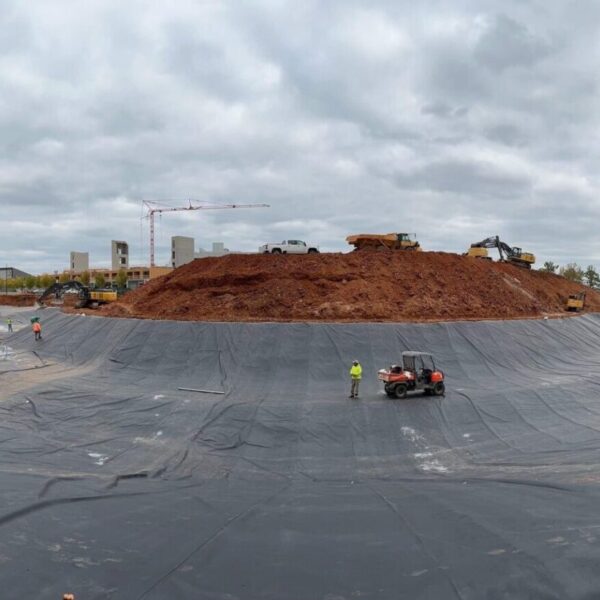
Plastic Fusion Fabricators is a fuel containment liner contractor specializing in oil, fuel, and gas containment. A fuel containment liner is the impermeable, fuel-resistant geomembrane that holds petroleum products and keeps them off the ground — containing leaks, spills, and stored fuel so they can’t reach the soil or groundwater. We custom-fabricate and install HDPE, LLDPE, and RPP liners engineered for the chemistry of fuels, oils, and gas-industry liquids, with the fast turnaround fuel and energy operations run on. With 40+ years of geomembrane installation across 24 states, Plastic Fusion is the contractor that lines fuel containment to hold.
Fuels and oils are aggressive, mobile, and tightly regulated. A liner that contains them has to resist hydrocarbons without breaking down, seal continuously with no seam gaps for fuel to find, and stand up to UV, weather, and years of service. That’s a different product from a general-purpose liner — and getting the material and the installation right is what keeps a fuel containment system in compliance and out of the news.
Fuel, Oil & Gas Containment
We line containment for the full range of petroleum and energy-industry liquids:
- Fuel storage — containment liners for bulk fuel storage and fuel-handling areas
- Oil containment — liners for crude, refined oils, and oil-handling operations
- Gas-industry containment — containment for gas-processing liquids and odorant tanks
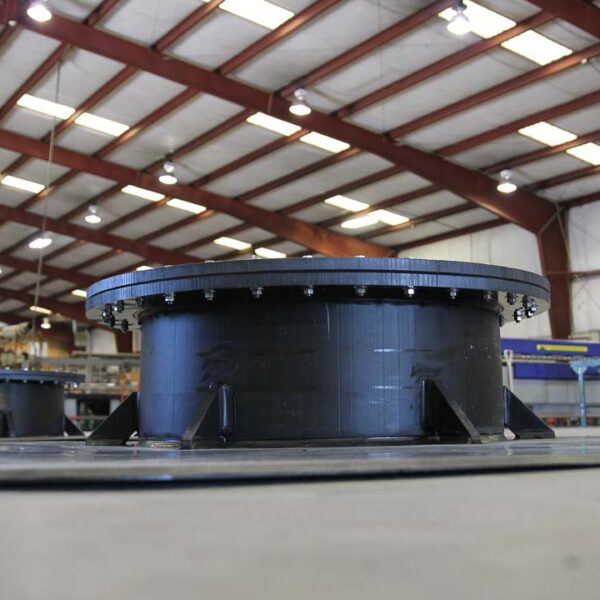
- Underground vaults — lined containment for below-grade fuel and equipment vaults
- Oil pits and oilfield containment — pit liners for oil and produced-fluid containment
Fuel-Resistant Liner Materials
Material selection is everything when you’re containing fuel — the liner has to be chemically compatible with what it holds:
- RPP (reinforced polypropylene) — our primary choice for fuel, oil, and aggressive hydrocarbon containment, where chemical resistance and durability are critical
- HDPE (high-density polyethylene) — excellent hydrocarbon and chemical resistance for large-volume containment
- LLDPE — added flexibility for irregular containment areas and ground movement
We match the material and thickness to the specific fuel or oil being contained. We do not use PVC for fuel containment — it reacts with hydrocarbons and is prone to failure in this service.
Custom-Fabricated, Continuously Welded
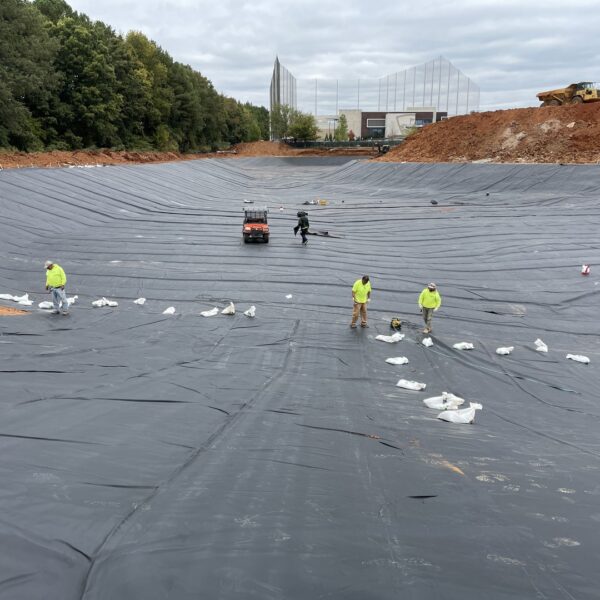
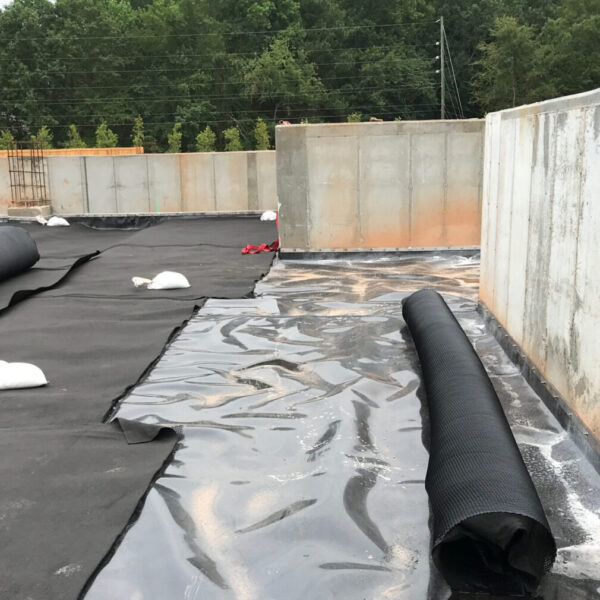
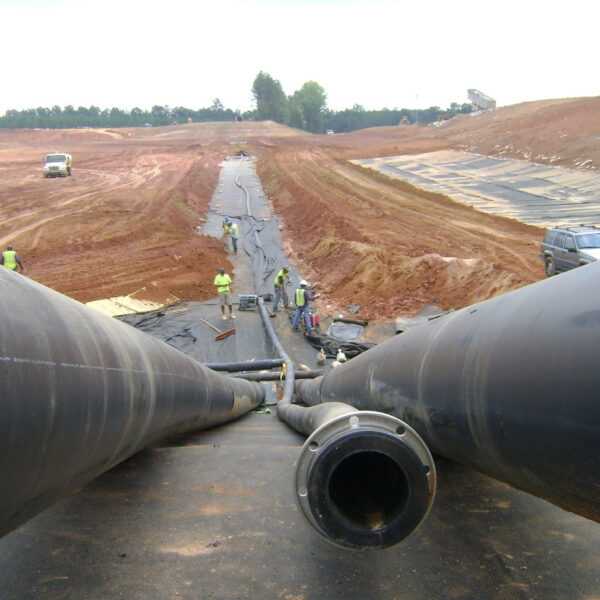
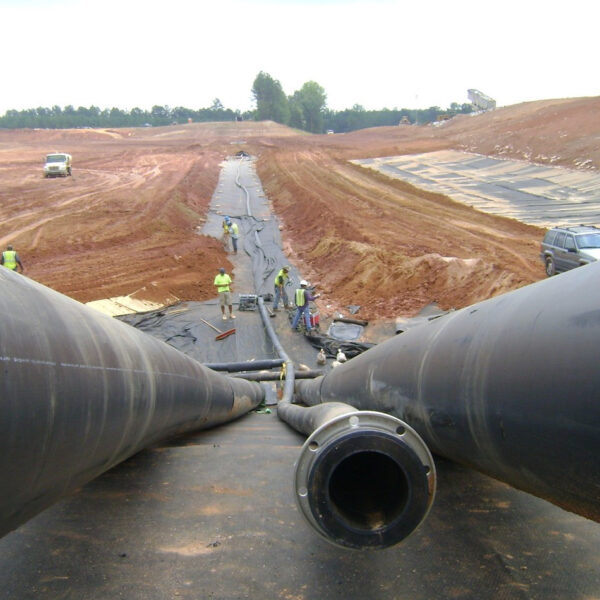
Fuel containment doesn’t tolerate weak points. We custom-fabricate liner panels to fit the containment area and minimize field seams, deploy and anchor the liner to the engineered grade, and fusion-weld every seam into a continuous, leak-tested barrier. The result is a sealed containment system with no joints for fuel to escape through — installed, tested, and accountable.
Fuel & Oil Containment Applications
- Fuel storage and handling areas — bulk fuel containment lining
- Oil-handling operations — refineries, terminals, and processing sites
- Gas processing and odorant tank containment — energy-industry liquids
- Underground fuel and equipment vaults — below-grade containment
- Oilfield oil pits — pit lining for oil and produced-fluid containment
- Fuel tank containment areas — lined containment around fuel storage tanks
Secondary Containment Around Storage Tanks
A large share of fuel containment is secondary containment — the lined basin that captures a leak or overflow from a storage tank. For the engineered dike or berm structure that surrounds a tank or tank farm and the SPCC compliance that goes with it, see our dedicated secondary-containment pages linked below; this page covers the fuel-resistant liner itself and the breadth of fuel, oil, and gas containment applications it serves.
Fuel Containment Liner Removal and Replacement
Fuel containment liners degrade, get damaged, or fall out of compliance as a site changes what it stores. We remove and replace failed or end-of-life fuel containment liners, restoring containment with a new fusion-welded, fuel-resistant barrier specified to current conditions.
Related Pages
- Containment dike liners — for the secondary-containment dike structure around fuel tanks, see containment dike liner installation
- Secondary containment liners — for the full range of secondary containment liner systems
- Industrial liner installation — for broader industrial containment, see industrial liner installation
- All pond and containment liners — see our pond and containment liner applications
Why Choose Plastic Fusion
- 40+ years installing fuel, oil, and chemical containment
- Fuel containment liner contractor — custom fabrication and installation, not a reseller
- HDPE, LLDPE, and RPP matched to your fuel or oil — never PVC
- Custom-fabricated panels, fusion-welded and leak-tested
- Fast turnaround for fuel and energy timelines
- Active projects across 24 states with nationwide reach
Fuel Containment Liner FAQs
What is the best material for a fuel containment liner?
For fuel and oil, RPP (reinforced polypropylene) is our primary choice — it’s flexible and highly resistant to hydrocarbons and aggressive chemistry. HDPE offers excellent hydrocarbon resistance for large-volume containment, and LLDPE adds flexibility. We match material and thickness to the specific fuel being contained. PVC should be avoided for fuel containment because it reacts with hydrocarbons and tends to fail.
What’s the difference between a fuel containment liner and a containment dike liner?
A fuel containment liner is the fuel-resistant membrane that contains the fuel or oil itself — it’s about material and chemical compatibility. A containment dike liner refers to lining the dike or berm structure that surrounds a storage tank to form a secondary-containment basin. They often go together: the dike provides the containment volume, and a fuel-resistant liner makes it impervious. We handle both.
Can you line underground vaults and oil pits?
Yes. We install fuel-resistant liners for below-grade fuel and equipment vaults and for oil pits and oilfield containment — custom-fabricated to the structure and welded into a continuous, leak-tested barrier.
Do you remove old fuel containment liners?
Yes. We remove and replace failed or end-of-life fuel containment liners, restoring containment with a new fusion-welded, fuel-resistant barrier.
Request a Quote
If you need fuel, oil, or gas containment lined, upgraded, or brought back into compliance — from fuel storage areas to underground vaults to oil pits — Plastic Fusion custom-fabricates and installs the fuel-resistant liner engineered for your application. Contact us with your containment details for a quote.