
Landfill Caps
CONTACT FOR LANDFILL CAPS SYSTEMS


Unmatched Performance
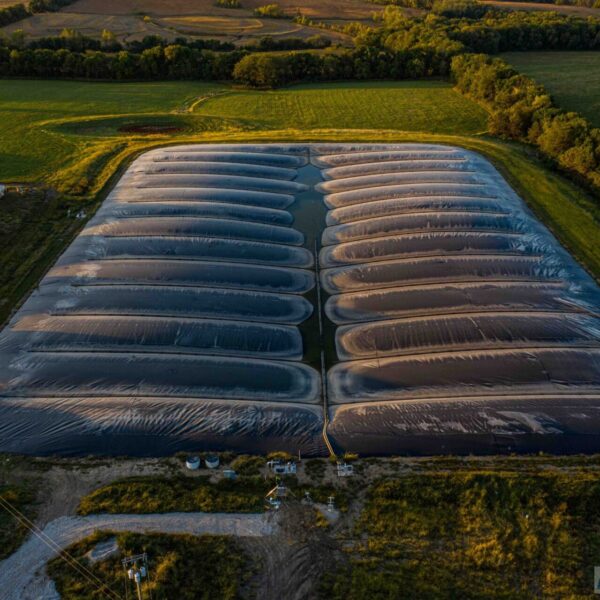
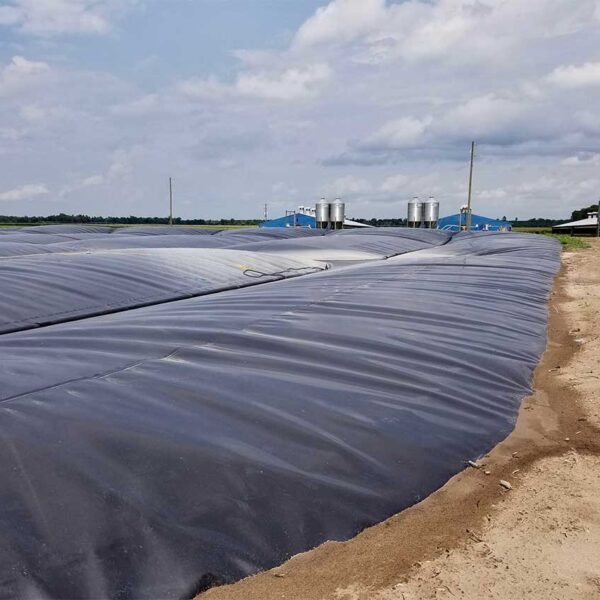
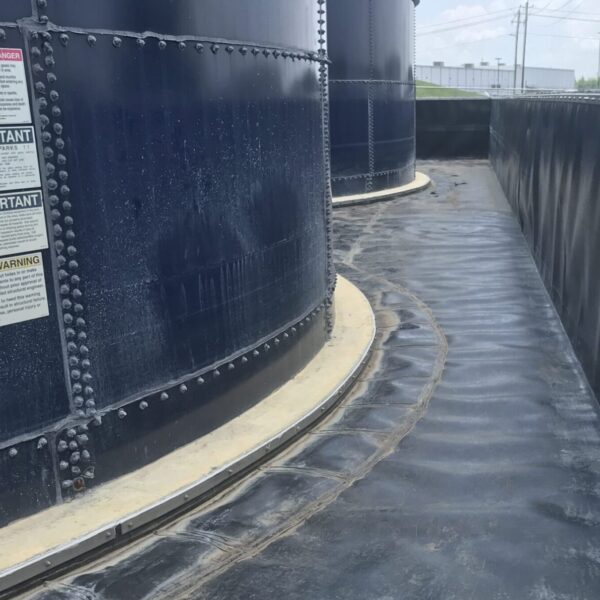
“Plastic Fusion was hired to test, repair, and replace existing pond liners on a restart project. The scope of work included installing a new insulated HDPE cover on the existing AD lagoon. Not only was the quality of the crew’s work exceptional, PFF was given the “A Team” award for outstanding work ethic.”
Ron Davies, Project Manager
Platte River Biogas, LLC
wHAT WE DO
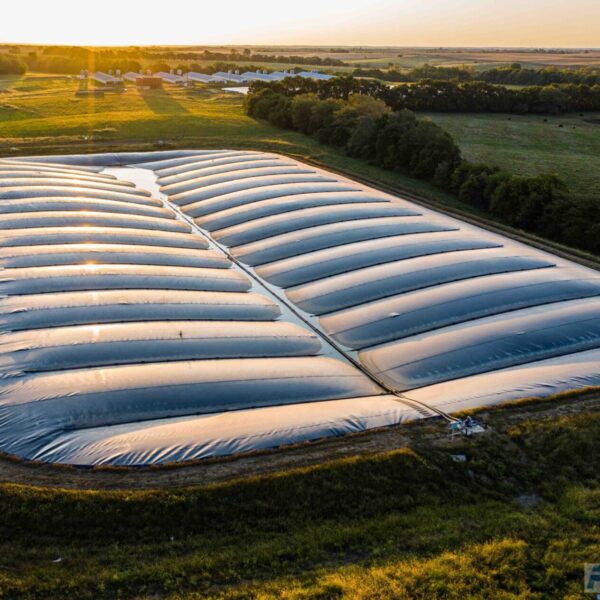
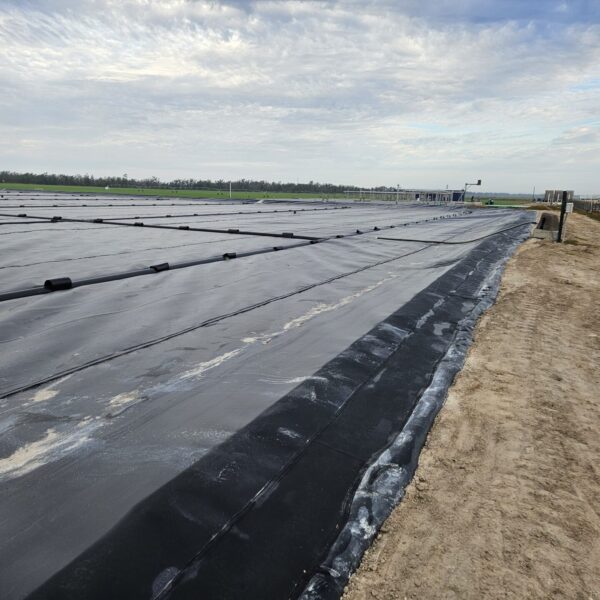
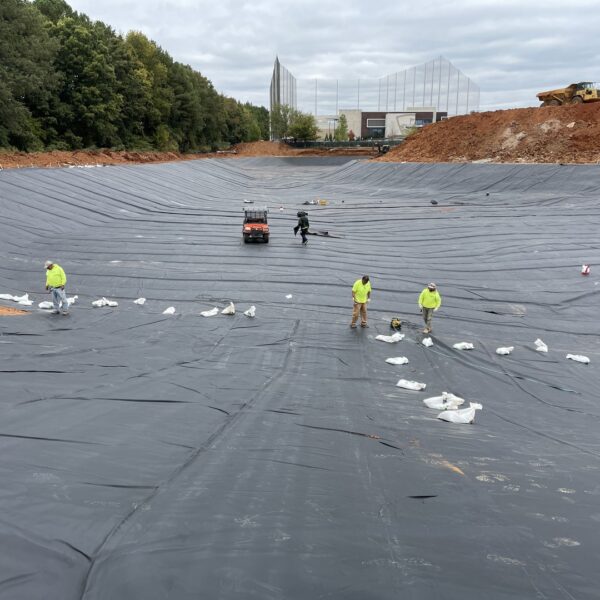
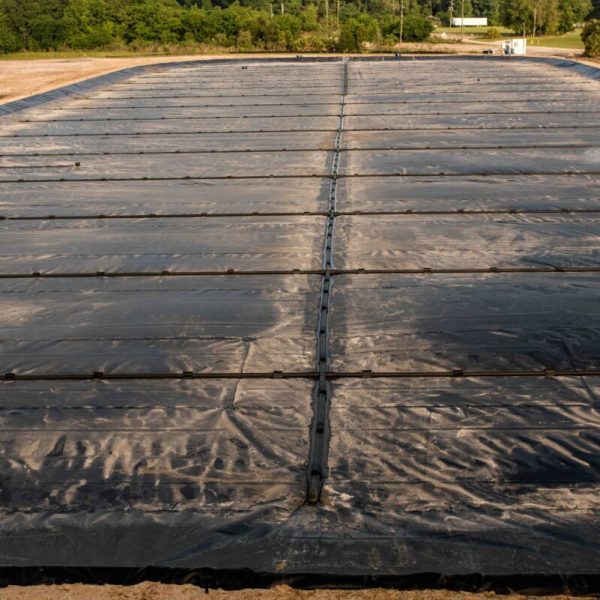
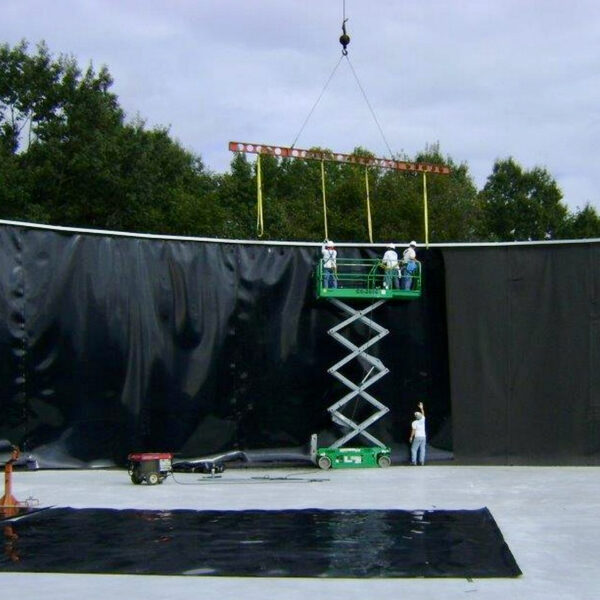
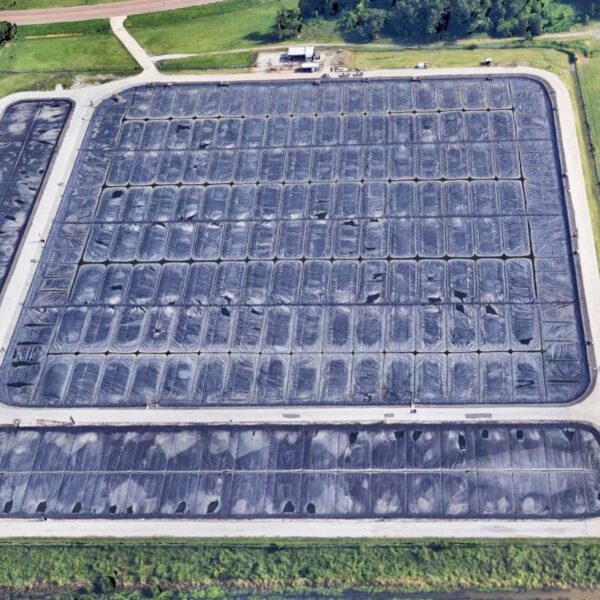
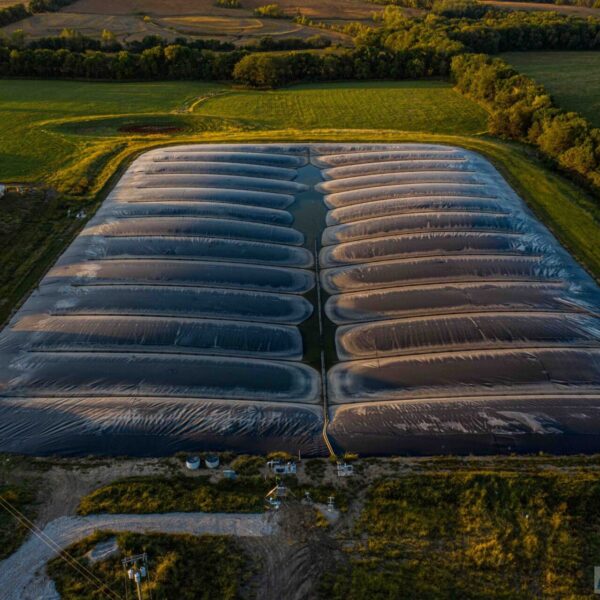
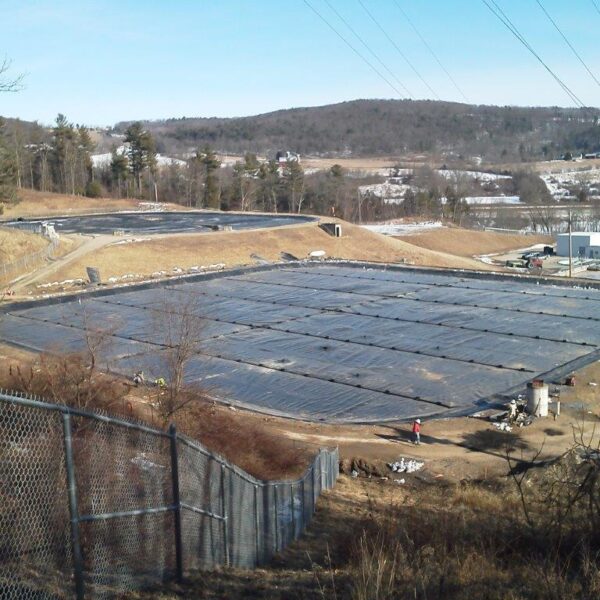
Landfill Caps
CONTACT FOR LANDFILL CAPS SYSTEMS
Landfill Cap Installation
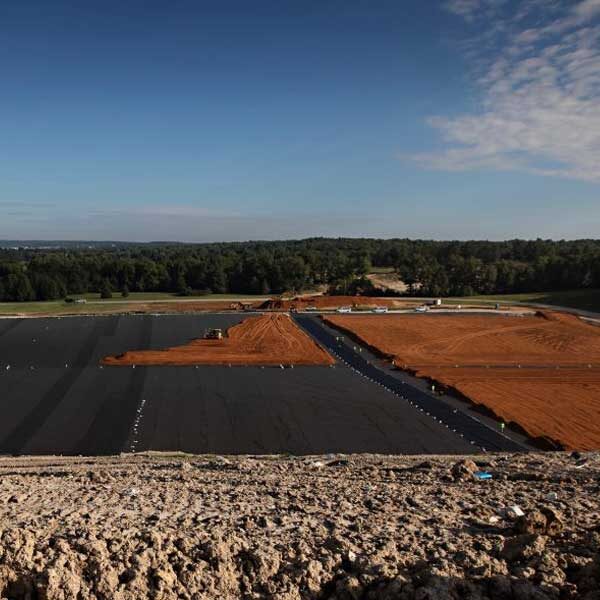
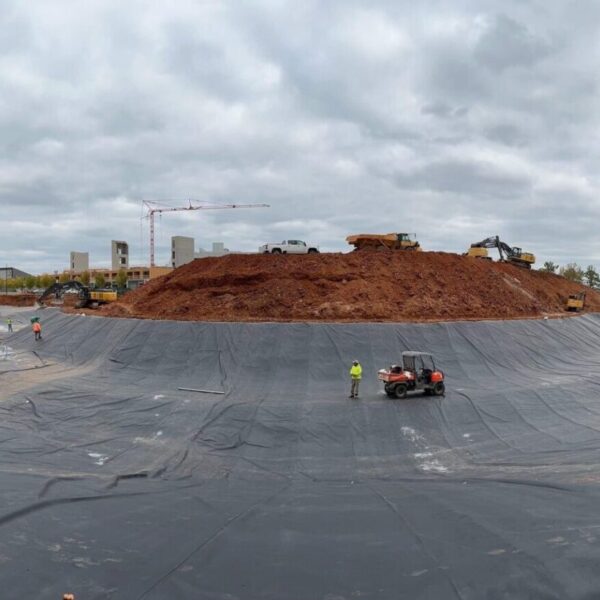
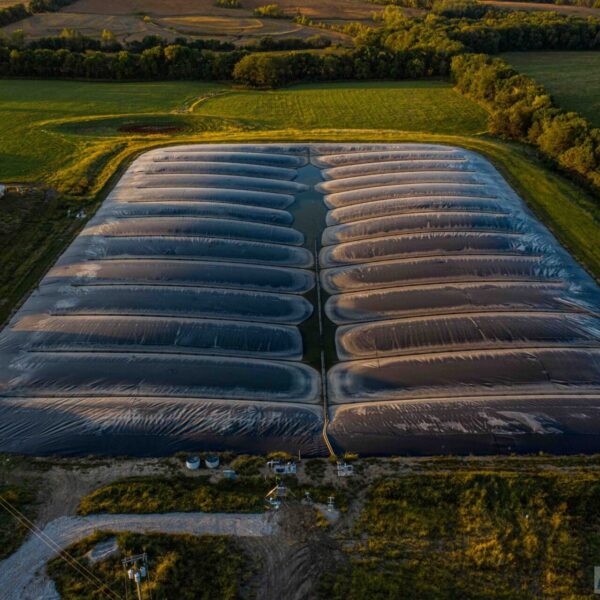
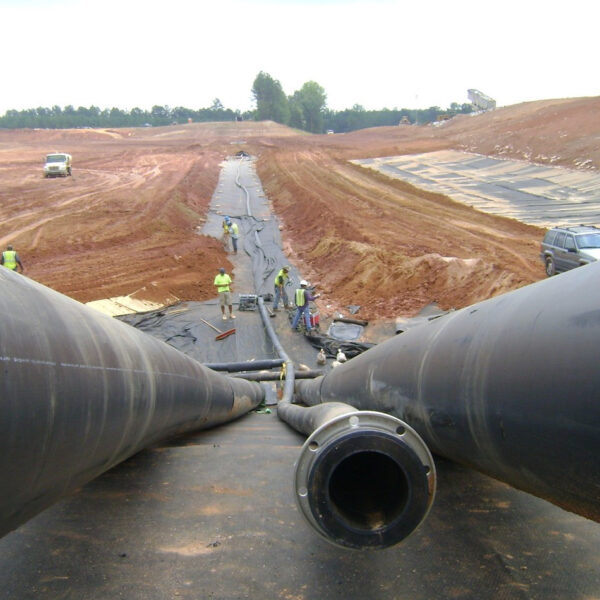
Plastic Fusion Fabricators installs engineered landfill cap systems for final closure, interim capping, and post-closure projects nationwide. A landfill cap is the permanent engineered cover that closes a landfill cell or facility — sealing the waste mass to block rainwater infiltration, control landfill gas, and stabilize the surface for the long term. We deploy the geomembrane barrier, geocomposite drainage, gas venting integration, and surface protection that a compliant cap requires, built to Subtitle D, RCRA, and state closure standards and engineered to perform through decades of settlement.
A properly installed landfill cap does three things at once: it blocks infiltration to reduce leachate generation, it controls landfill gas migration and improves collection efficiency, and it provides long-term slope stability across a waste mass that keeps settling. That takes more than dropping a membrane on grade — it takes a crew that understands multi-layer cap construction, from the gas collection layer through the geomembrane barrier, drainage layer, and final surface, and knows how to hold seam integrity across complex slopes, penetrations, and anchor systems.
With 40+ years installing geomembrane containment and active projects across 24 states, Plastic Fusion installs landfill caps that pass CQA review and close the site for good.
Landfill Cap Systems We Install
- Final closure caps — permanent multi-layer cap systems for cells and facilities at capacity
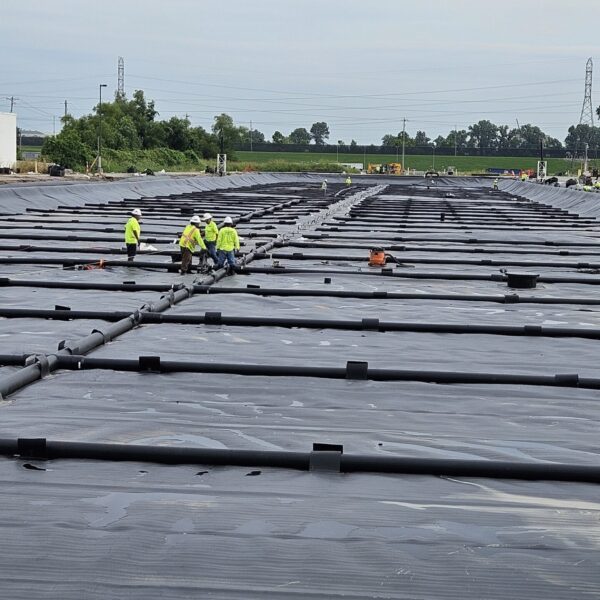
- Temporary and interim caps — weighted or anchored capping membranes on intermediate slopes to delay final-closure cost and let waste settle
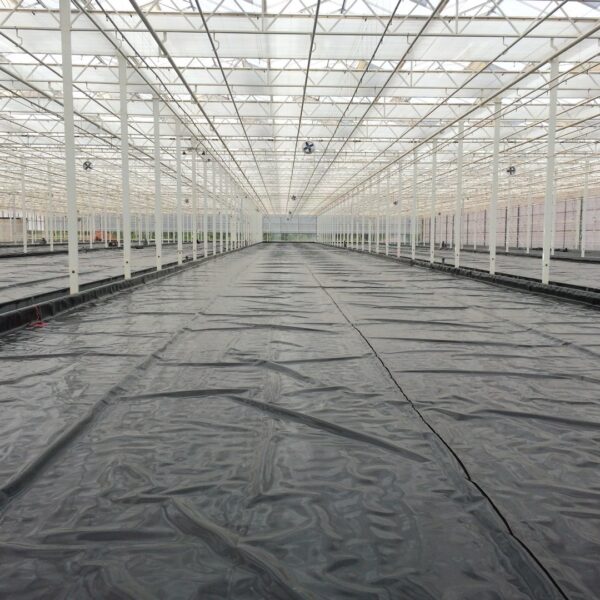
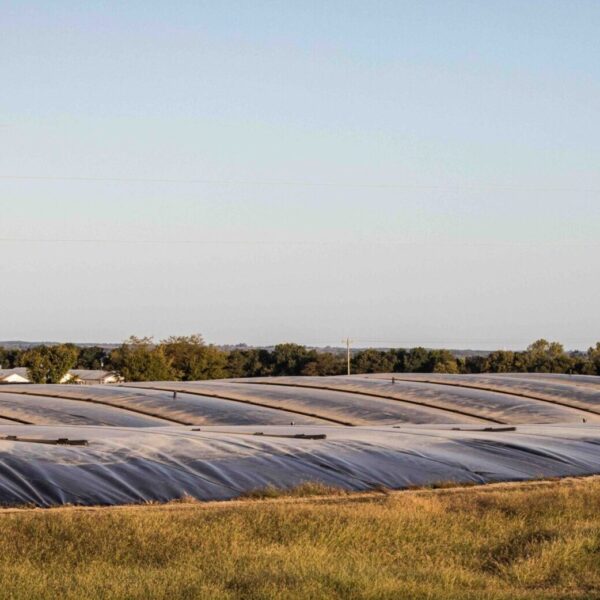
- Exposed geomembrane caps — barrier-only capping where soil cover isn’t used
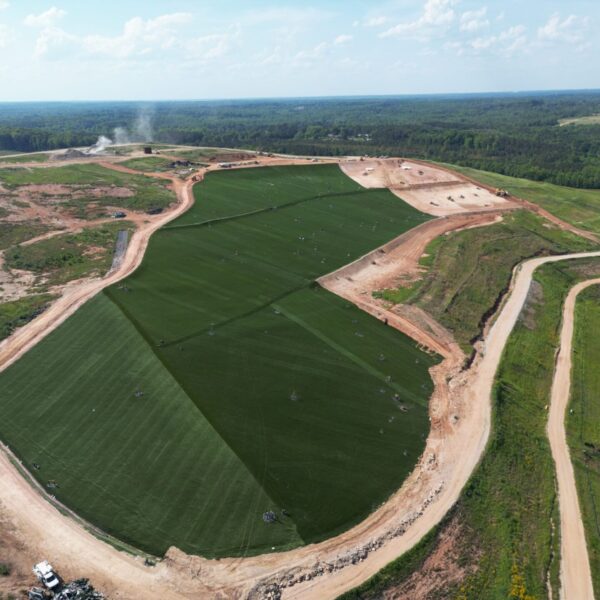
- ClosureTurf synthetic turf caps — geomembrane, drainage geocomposite, and engineered turf in place of soil and vegetation
- Post-closure cap repair and replacement — restoring failed or aging caps
- Gas venting and collection integration — capping built around gas extraction systems
What Goes Into a Landfill Cap
A landfill cap is a multi-layer capping system, and each layer does a job:
- Foundation / grading layer — a stable base over the waste surface
- Gas collection layer — venting and collecting landfill gas beneath the barrier
- Geomembrane barrier — the low-permeability layer (typically 40- to 60-mil HDPE or LLDPE) that stops infiltration
- Geocomposite drainage layer — routing infiltration off the cap
- Surface layer — protective cover soil and vegetation, or a synthetic turf system
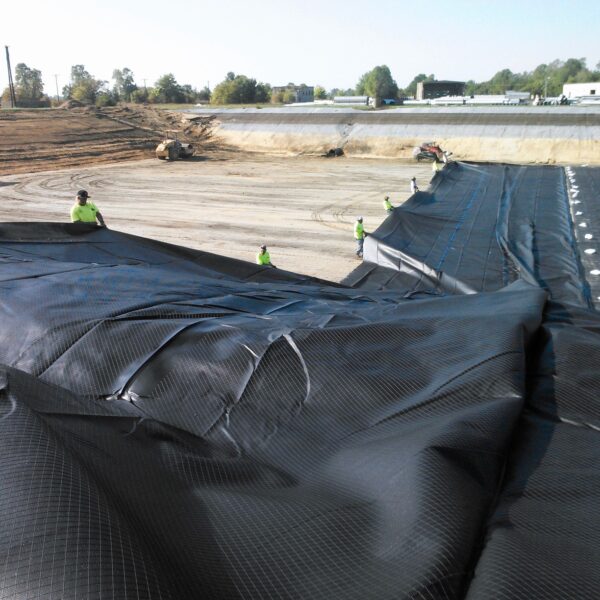
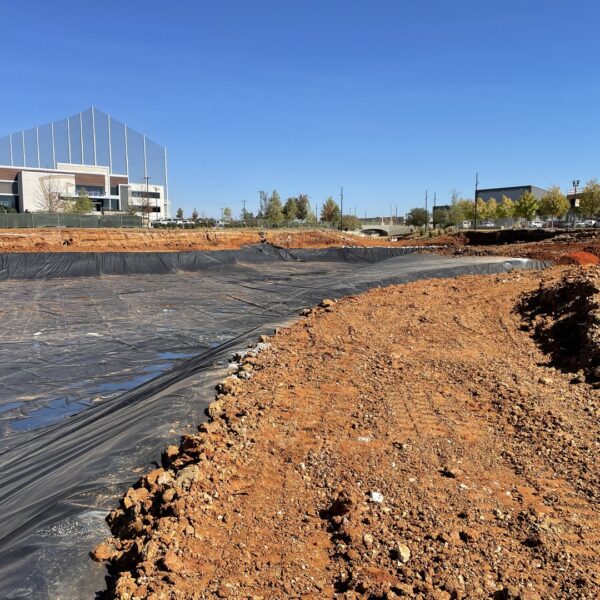
We install the full geosynthetic scope: subgrade preparation, geomembrane deployment and fusion welding, pipe boot penetrations for gas wells and condensate sumps, drainage layer placement, anchor trench construction, and complete QA/QC — destructive and non-destructive seam testing per ASTM D6392 and D4437, documented for regulatory submittal.
Landfill Cap Materials
We install HDPE and LLDPE geomembrane cap barriers, with RPP for reinforced applications. HDPE provides the chemical resistance and durability for long-term final caps; LLDPE offers the flexibility and conformance that capping irregular, settling surfaces often demands. Material and thickness are specified to the closure design, slope, and exposure conditions of the cap.
Landfill Cap vs. Landfill Cover
A landfill cap is the permanent final closure system installed when a cell or facility reaches capacity — engineered to stay in place for the long term. For temporary, interim, and intermediate cover systems used during a landfill’s operating life — exposed geomembrane covers that control infiltration, gas, and odor on areas not yet at final closure — see our landfill cover systems page. Caps permanently close a completed cell; covers manage an active or inactive one. Plastic Fusion installs both.
Why Contractors and Engineers Specify Plastic Fusion
- 40+ years installing geomembrane containment — landfill caps are core to what we do
- Certified geomembrane welders trained in HDPE, LLDPE, and RPP fusion and extrusion welding
- Multi-layer cap experience: barrier, drainage, gas collection, and surface protection
- ClosureTurf and exposed geomembrane cap capability
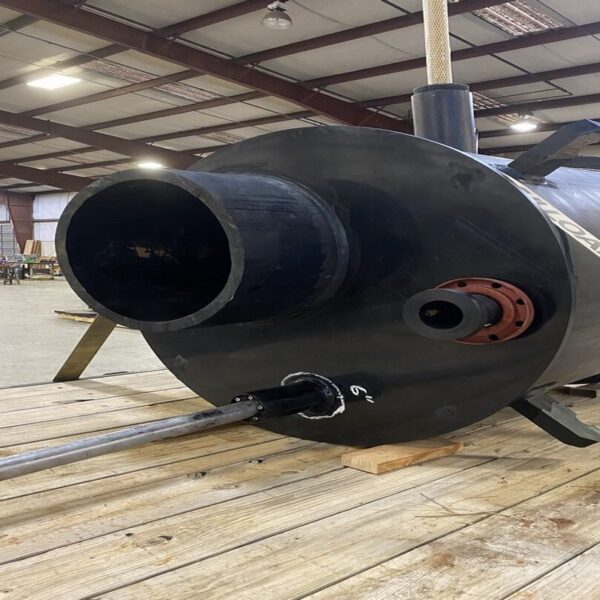
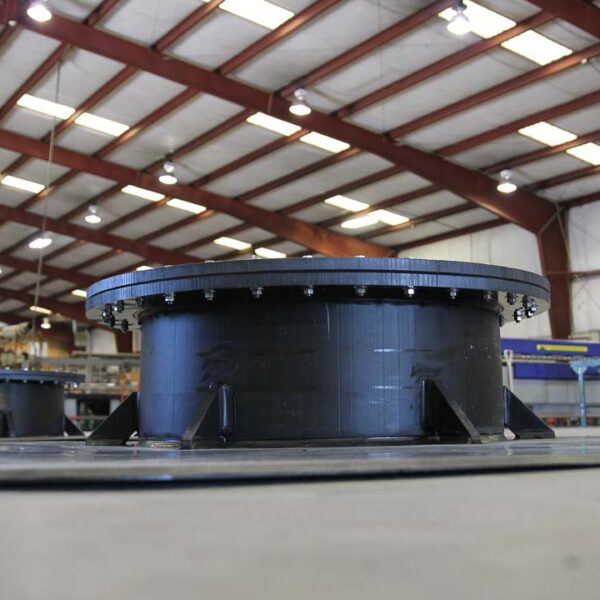
- In-house fabrication for custom pipe boots, gas well penetrations, and anchor details
- Documented CQA on every seam — vacuum box, air pressure, and destructive peel/shear testing
- Active projects across 24 states with nationwide mobilization for remote sites
- Direct coordination with design engineers, CQA consultants, and regulatory inspectors
Applications
- Municipal solid waste (MSW) landfill final closure
- Subtitle D and RCRA landfill capping
- Construction and demolition (C&D) debris landfill closure
- Industrial and special waste landfill capping
- Coal combustion residual (CCR) impoundment and landfill closure
- Interim capping to reduce leachate and odor during phased operations
- Post-closure cap repair and replacement
Industries Served
Plastic Fusion installs landfill caps for municipal solid waste authorities, private waste management companies, industrial facility owners, utilities closing CCR impoundments, and the environmental engineering firms managing closure projects. We work under EPA, RCRA Subtitle C and D, the CCR Rule, and state solid waste regulations — and deliver the CQA documentation your team and regulators require.
Landfill Cap FAQs
What is a landfill cap?
A landfill cap is an engineered cover system installed over a closed landfill cell — or an entire facility — to prevent rainwater infiltration into the waste mass, control landfill gas emissions, and provide long-term slope stability. A typical final cap is multi-layered: a grading layer over the waste, a gas venting or collection layer, a low-permeability geomembrane barrier (typically 40- to 60-mil HDPE or LLDPE), a geocomposite drainage layer, and a final cover of protective soil and vegetation or a synthetic turf system. The layers are designed and installed as an integrated system, not a stack of independent components.
What types of landfill cap systems are there?
There are four common cap configurations. Traditional geomembrane-and-soil composites pair an HDPE or LLDPE barrier with protective soil cover and vegetation — the most widely permitted system. Synthetic turf caps like ClosureTurf replace the soil and vegetation with a geomembrane, drainage geocomposite, and engineered turf, cutting post-closure maintenance and soil import costs. Exposed geomembrane caps use the barrier alone without soil cover, typically for temporary or interim capping. Evapotranspirative covers use fine-grained soil and deep-rooted vegetation instead of a geomembrane, but are only viable in arid climates. Plastic Fusion installs the geosynthetic cap systems among these.
What is ClosureTurf and how does it compare to a traditional cap?
ClosureTurf is a final cover system that replaces the traditional soil cover, drainage layer, and vegetation with three engineered components: an LLDPE geomembrane barrier, a geocomposite drainage layer, and a synthetic turf surface with sand infill. Its advantages are lower post-closure maintenance (no mowing, erosion repair, or re-seeding), no soil import and placement cost, better slope stability from lower veneer loads, and consistent coverage with no bare or eroded areas. Plastic Fusion installs ClosureTurf as part of the closure scope — barrier, drainage, turf, and all gas well and monitoring penetrations.
What regulations govern landfill capping?
Landfill final cover systems are regulated under EPA’s RCRA Subtitle D (municipal solid waste) and Subtitle C (hazardous waste), with the CCR Rule governing coal combustion residual closures. Each state also imposes its own solid waste requirements on cap design, materials, construction quality assurance (CQA), and post-closure monitoring. Every cap Plastic Fusion installs includes complete documentation — seam test results, destructive data, deployment logs, and as-builts — formatted for CQA review and regulatory submittal.
What is a temporary landfill cap?
A temporary or interim cap is a capping membrane installed on intermediate slopes or inactive areas before final closure. It reduces rainwater infiltration, leachate generation, and odor while waste continues to settle — delaying the cost of final closure and improving gas collection in the meantime. Temporary caps are often weighted or anchored exposed geomembrane. They differ from final caps, which are permanent multi-layer closure systems.
Why is slope stability critical in landfill cap design?
A cap has to stay stable on slopes that are often steeper than conventional earthwork, over a foundation — the waste mass — that keeps settling. Interface friction between the cap layers is the controlling factor: smooth geomembranes on smooth geocomposites can create low-friction interfaces that lead to veneer slides. That’s why textured geomembranes, interface shear testing, and proper geosynthetic selection matter. Plastic Fusion’s crews install caps on steep slopes and understand the anchoring, ballasting, and deployment sequencing that maintain stability during and after construction.
Request a Quote
Whether you’re closing a single cell or running a multi-phase closure program, Plastic Fusion has the crews, equipment, and field experience to install your landfill cap on schedule and ready for final inspection. Contact us for project-specific pricing, material recommendations, and mobilization timelines.