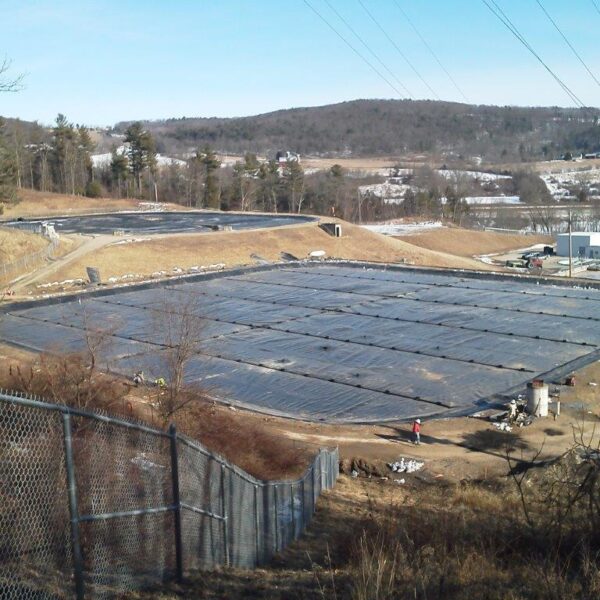
Manure Pit Covers
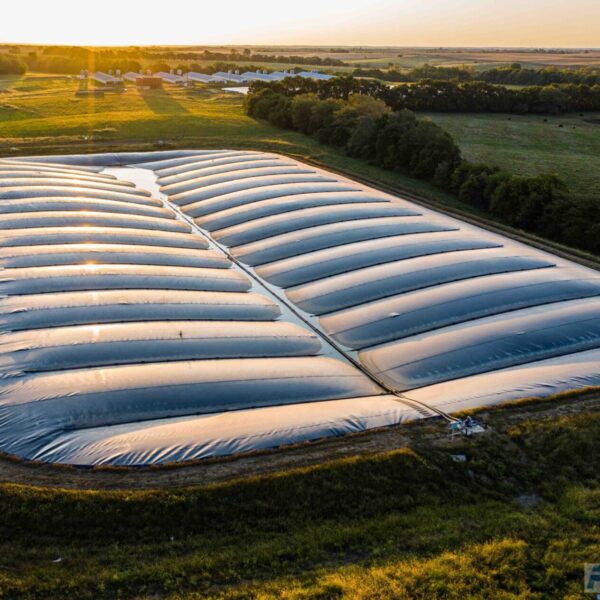
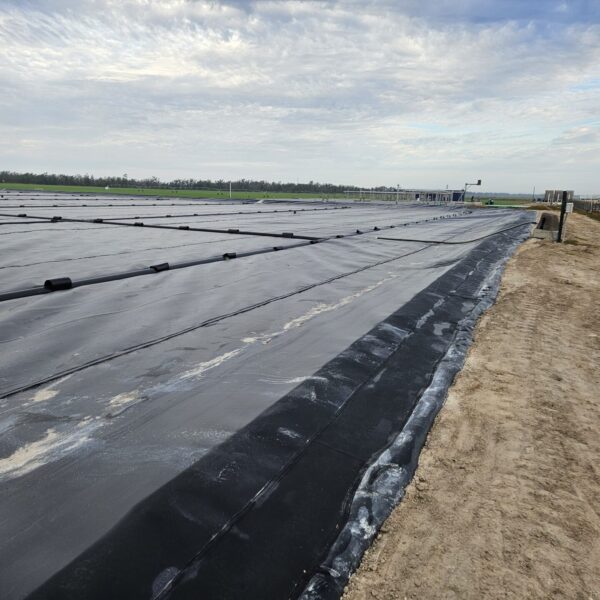
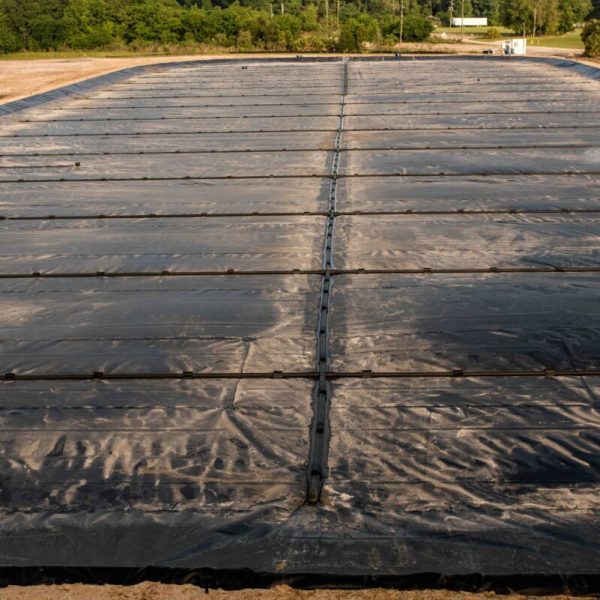
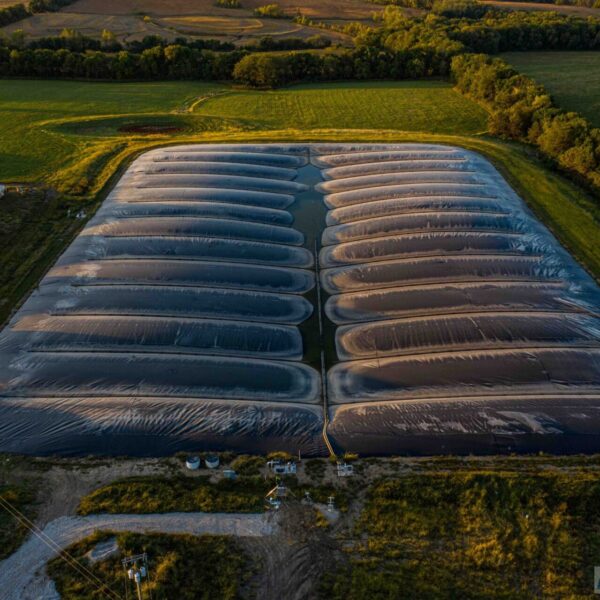
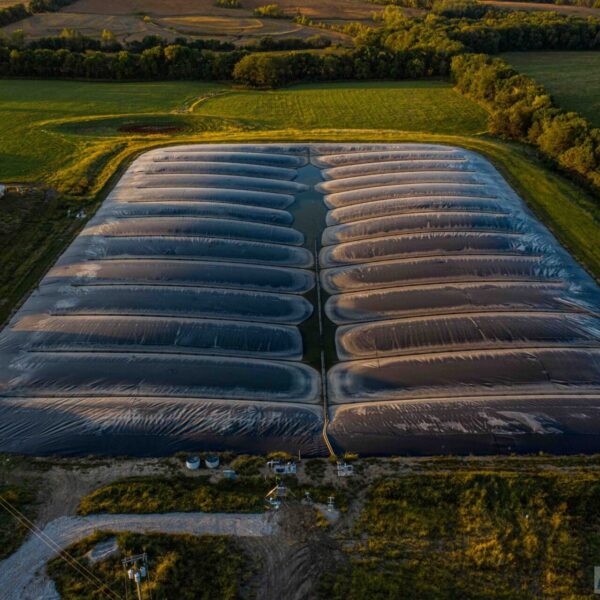
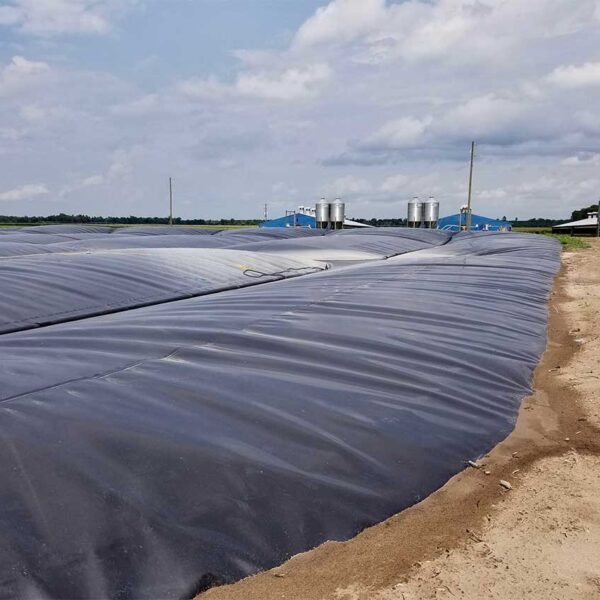
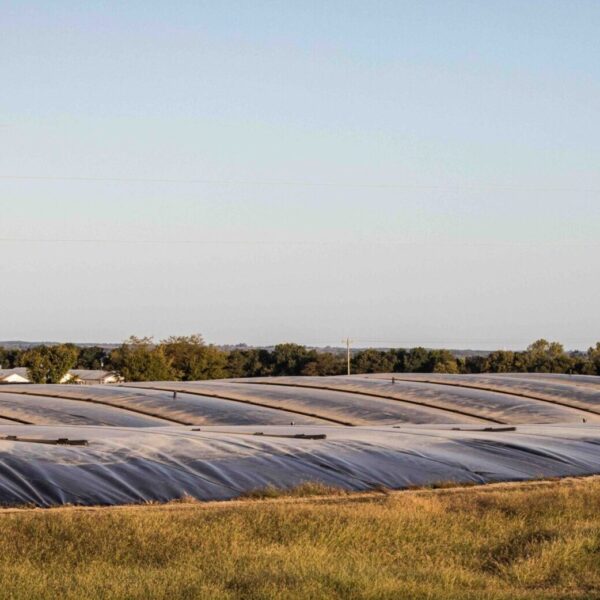
A manure pit cover is the membrane that seals a manure pit, storage tank, or storage structure — containing odor and ammonia, capturing methane, retaining nutrient value, and keeping rainwater out of the storage.


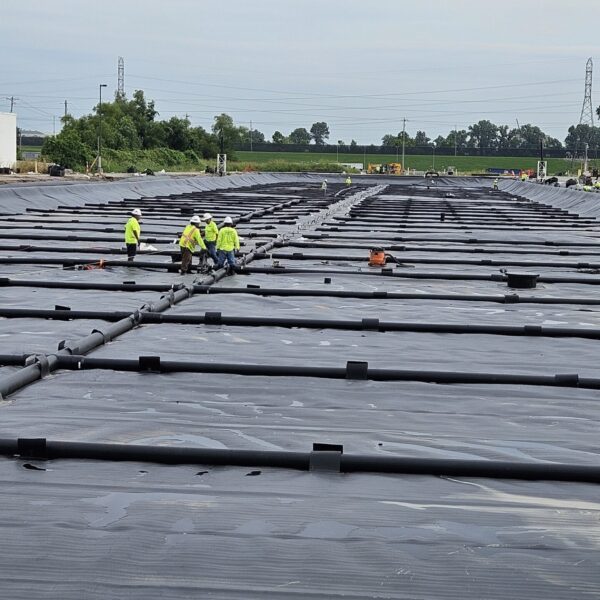
“Plastic Fusion was hired to test, repair, and replace existing pond liners on a restart project. The scope of work included installing a new insulated HDPE cover on the existing AD lagoon. Not only was the quality of the crew’s work exceptional, PFF was given the “A Team” award for outstanding work ethic.”
Ron Davies, Project Manager
Platte River Biogas, LLC
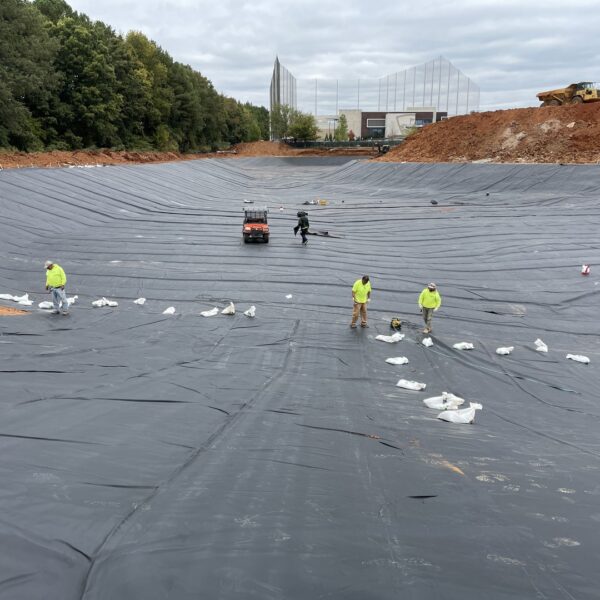
Plastic Fusion Fabricators designs and installs manure pit covers for dairy, swine, and livestock operations nationwide. A manure pit cover is the membrane that seals a manure pit, storage tank, or storage structure — containing odor and ammonia, capturing methane, retaining nutrient value, and keeping rainwater out of the storage. We fabricate each cover to the structure and install it to perform through years of agitation, gas, and weather. With 40+ years building covers and containment across 24 states, Plastic Fusion installs manure pit and storage covers engineered for the operation.
An uncovered manure pit or storage tank is a constant source of odor and air emissions — ammonia and hydrogen sulfide come off the surface, methane escapes instead of being captured, and rainwater adds volume you have to haul and apply. A cover solves all of it. But a manure storage cover has to handle a demanding environment: corrosive gases, agitation and pumping, crust formation, and the gas that collects underneath. That takes an engineered cover fabricated to the structure, not a tarp thrown over the top — and that’s what Plastic Fusion builds.
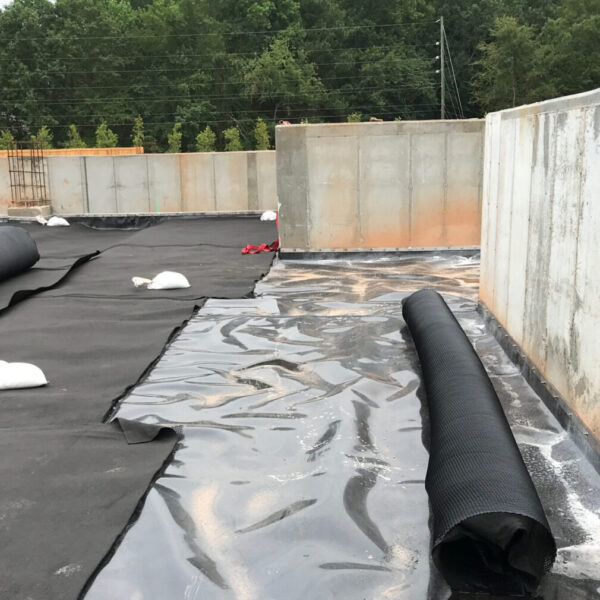
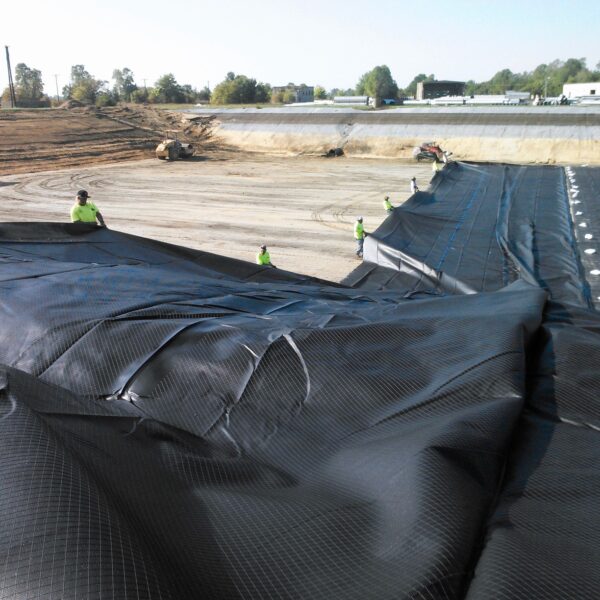
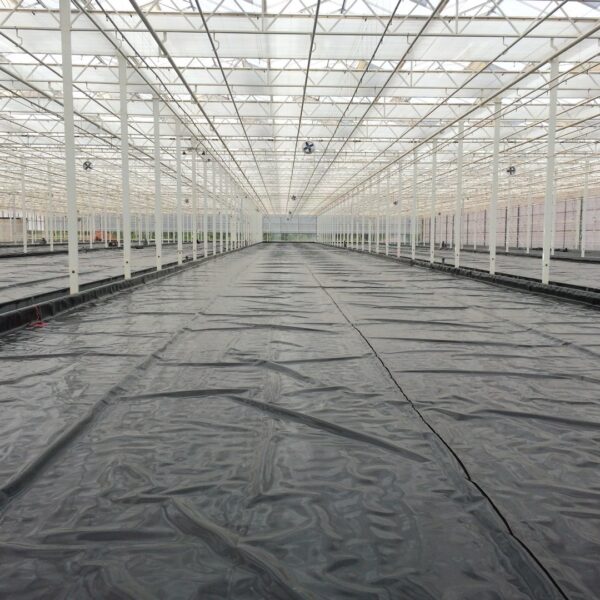
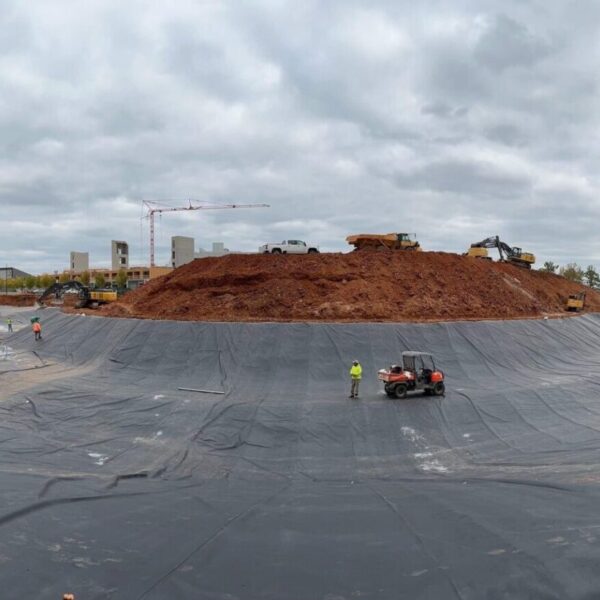
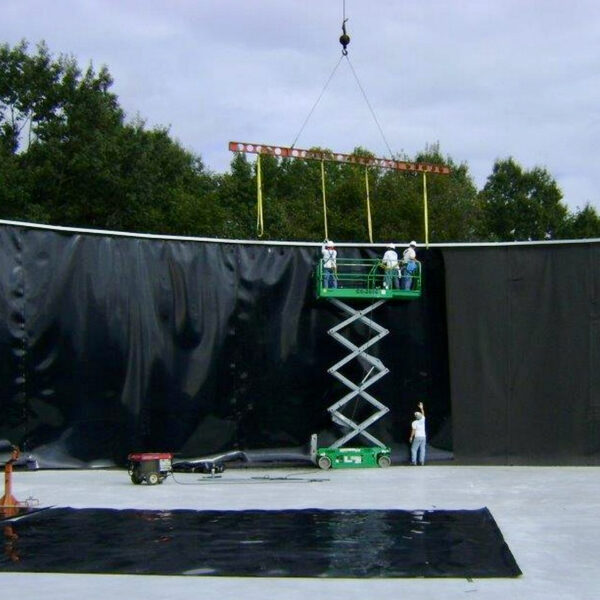
We fabricate manure pit and storage covers from HDPE, LLDPE, and RPP geomembrane, selected for the corrosive, gas-laden environment of manure storage. HDPE provides durability and chemical resistance; LLDPE and RPP offer the flexibility a cover needs to handle agitation and gas. Every cover is custom-fabricated to the structure and fusion-welded into a continuous, gas-tight membrane.
Manure management spans a few different structures and needs, and we build for all of them:
This page covers manure pits, tanks, and storage structures.
Plastic Fusion installs manure pit and storage covers for dairy operations, swine and hog operations, cattle and livestock producers, and the agricultural engineering firms designing manure management and emissions-control systems. We work with producers and engineers to deliver covers that control odor, capture methane, and meet air-quality requirements.
The main reasons are odor control, emissions, and rainwater exclusion. An open manure pit releases ammonia, hydrogen sulfide, and methane, generating odor complaints and air-quality concerns — and it collects rainwater that adds to the volume you have to haul and land-apply. A cover seals the surface, containing the gases (and allowing methane to be captured), retaining more nitrogen value in the manure, and keeping precipitation out. For many operations, covering storage is becoming a regulatory expectation as well as an operational improvement.
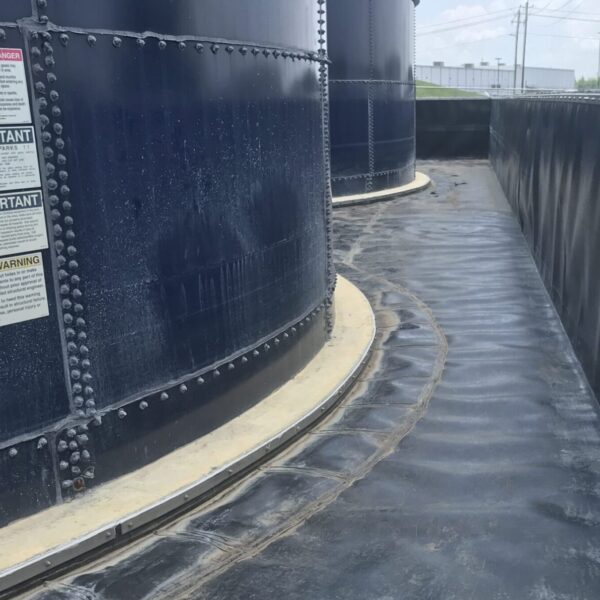
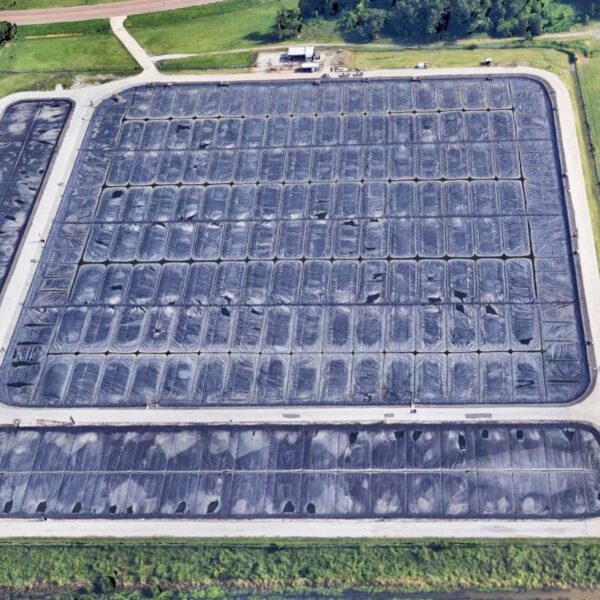
We cover in-ground and above-ground manure pits, manure storage tanks (steel, concrete, and poly), storage basins, and smaller manure ponds. The cover is engineered to the specific structure — its geometry, the agitation and pumping it sees, and whether methane is being captured. For large open earthen manure lagoons, a floating lagoon cover is the right system; for pits, tanks, and storage structures, this is the page.
A manure pit or tank cover seals a defined structure — a pit, tank, or storage basin — and is built to that fixed geometry. A lagoon cover is a floating membrane on a large open earthen lagoon, engineered for ballast and rainwater management across a big surface. They’re different problems. Plastic Fusion builds both; this page is for pits and storage structures, and our manure lagoon covers page is for lagoons.
We do both, but they’re different scopes handled on different pages. A cover goes on top of the manure to contain gas and odor; a liner goes inside the structure to contain the manure and protect the ground. To line a manure pit, tank, or storage structure, see our manure tank liners page; to line an earthen manure lagoon, see our manure lagoon liners page. This page covers covers.
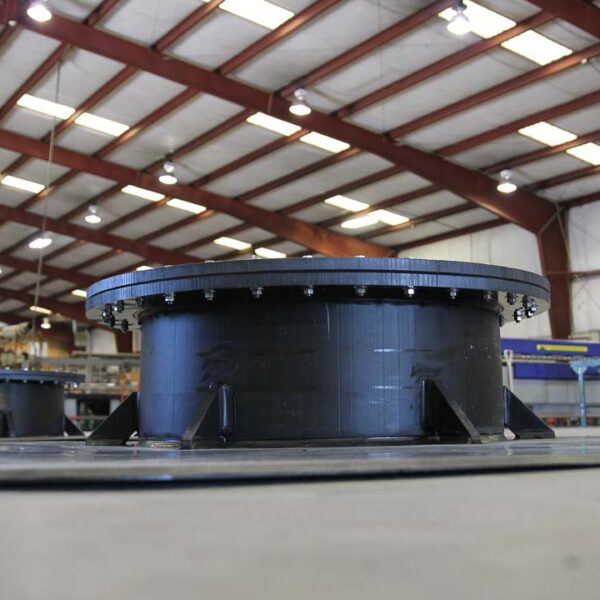
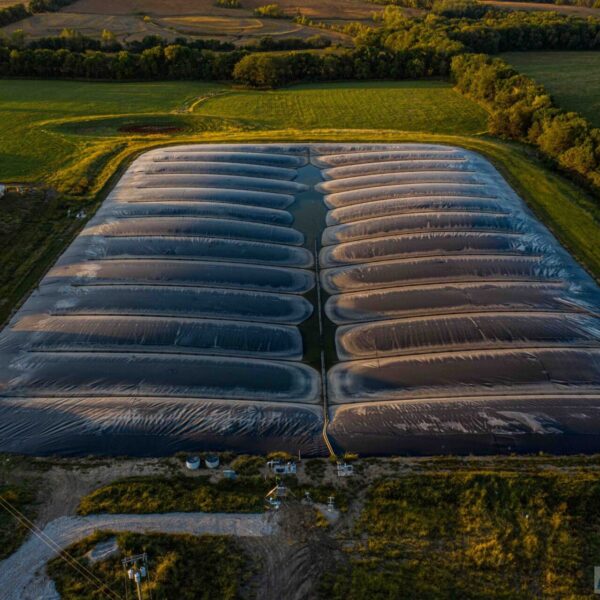
Yes. Sealing the storage traps the methane that manure produces as it breaks down, and that gas can be collected for flaring or energy recovery rather than escaping to the atmosphere. We design covers with the collection detailing to capture and route the gas. For operations focused on actively producing and capturing biogas for energy, a covered lagoon digester is the dedicated system — but even a storage cover can be built to capture the methane that would otherwise be lost.
If you’re dealing with odor, emissions, lost methane, or rainwater in your manure storage, an engineered cover addresses all of it. Plastic Fusion custom-fabricates and installs manure pit and storage covers built to your structure and your operation. Contact us with your structure details for a quote.