
Geocomposite Liner Installation
CONTACT FOR GEOCOMPOSITE LINER INSTALLATION


Unmatched Performance
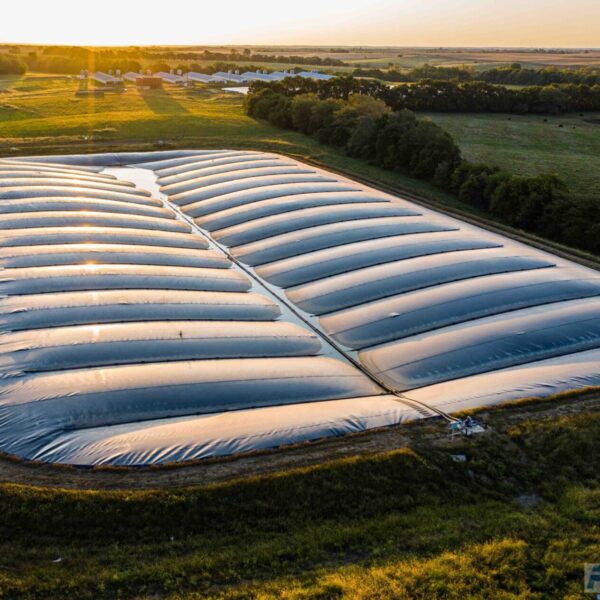
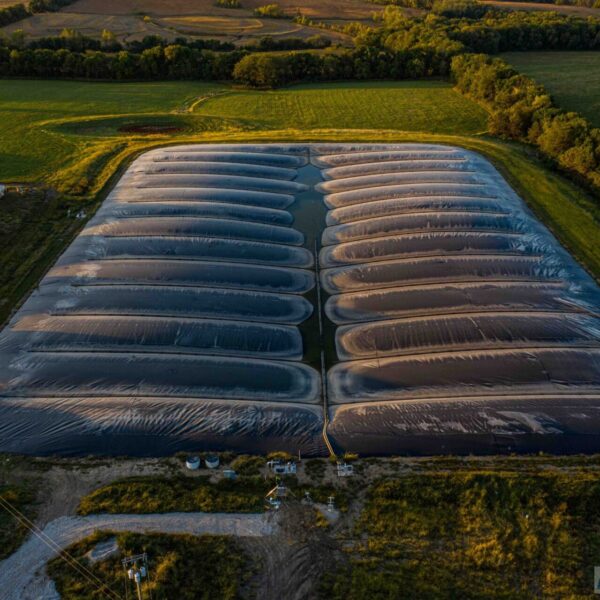
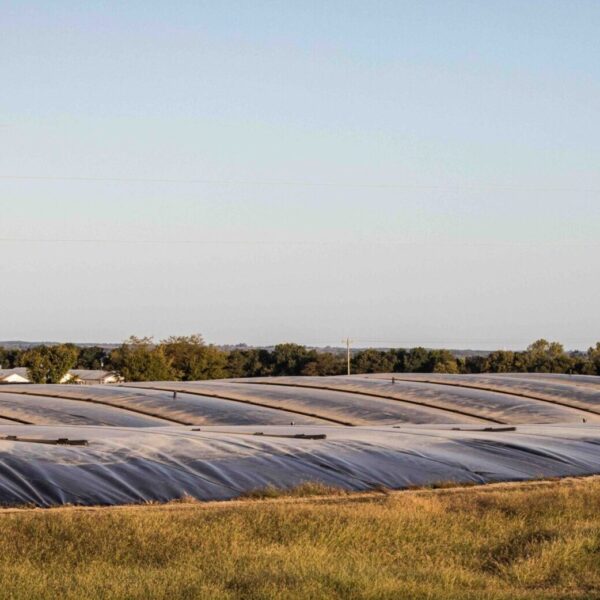
“Plastic Fusion was hired to test, repair, and replace existing pond liners on a restart project. The scope of work included installing a new insulated HDPE cover on the existing AD lagoon. Not only was the quality of the crew’s work exceptional, PFF was given the “A Team” award for outstanding work ethic.”
Ron Davies, Project Manager
Platte River Biogas, LLC
wHAT WE DO
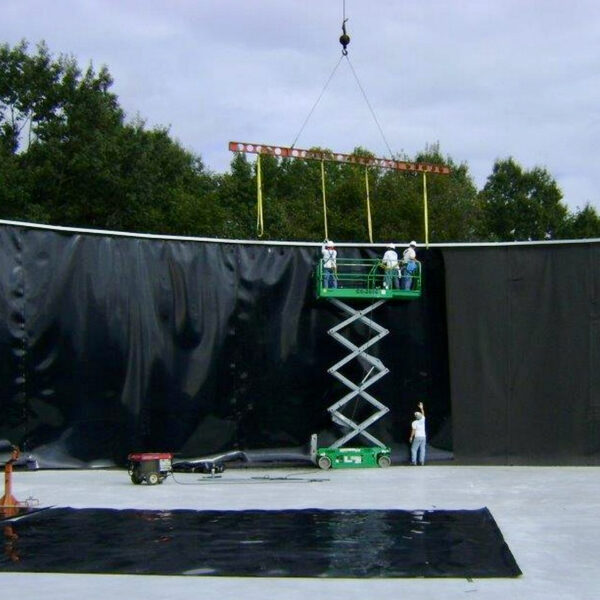
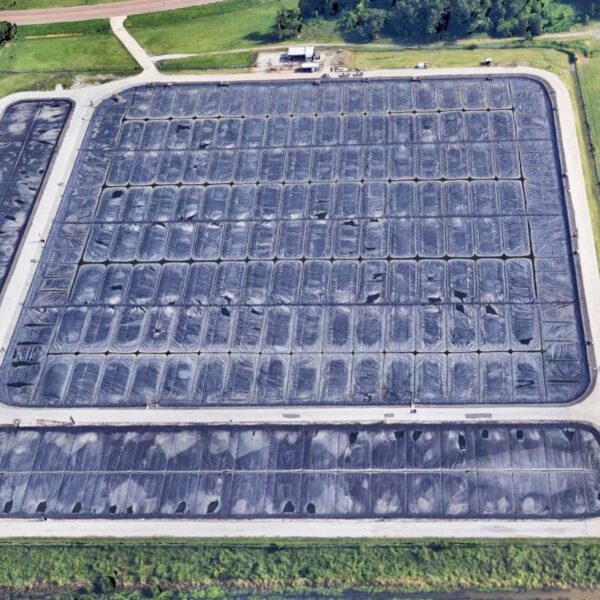
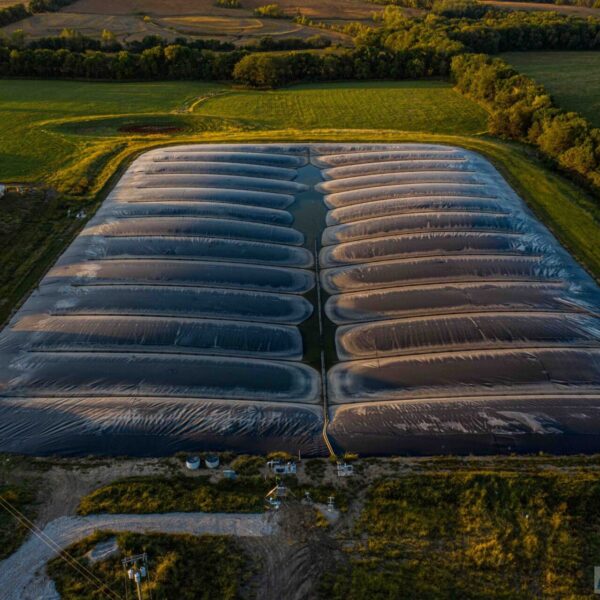
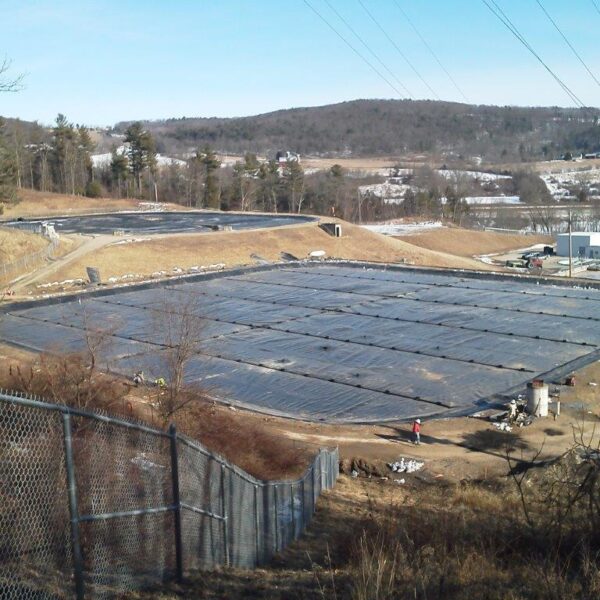
Geocomposite Liner Installation
CONTACT FOR GEOCOMPOSITE LINER INSTALLATION
Geocomposite Liner Installation
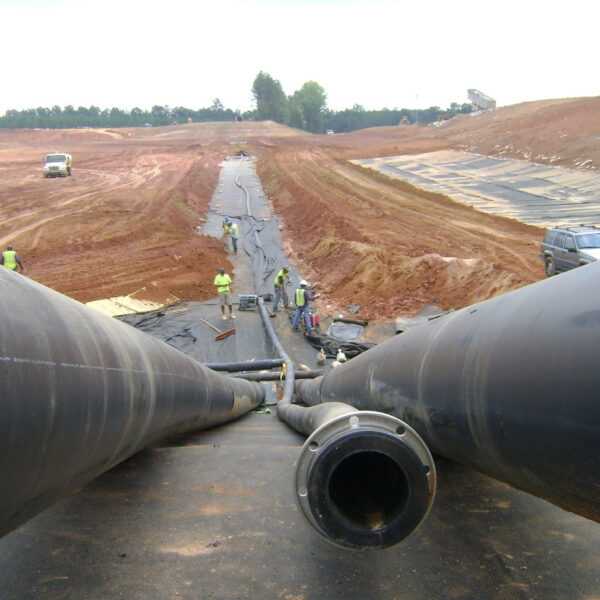
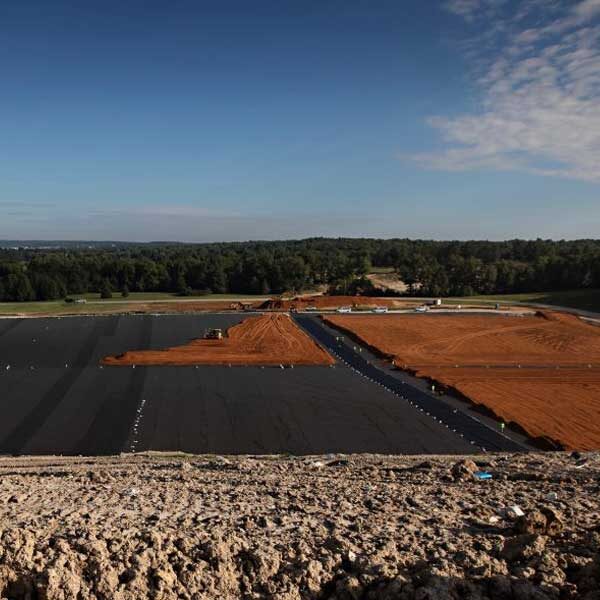
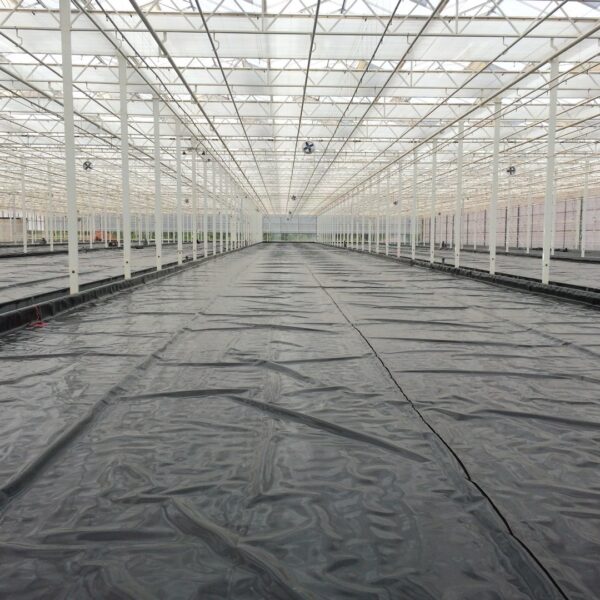
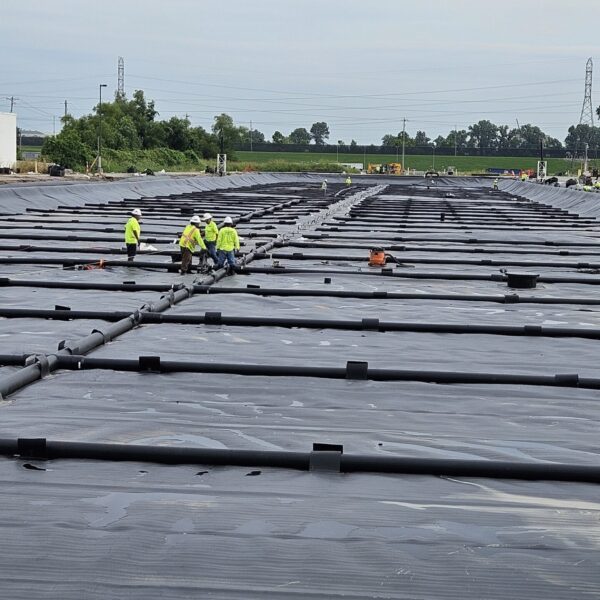
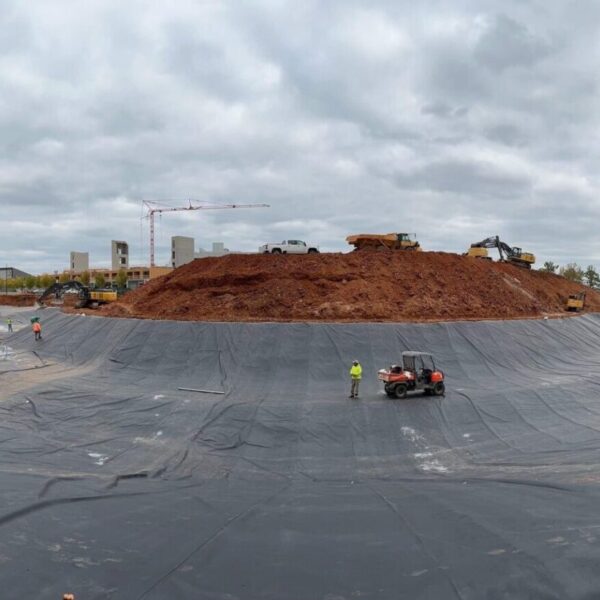
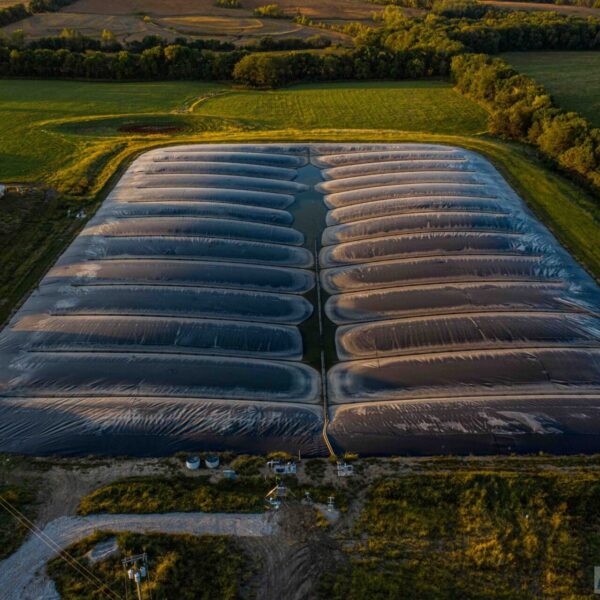
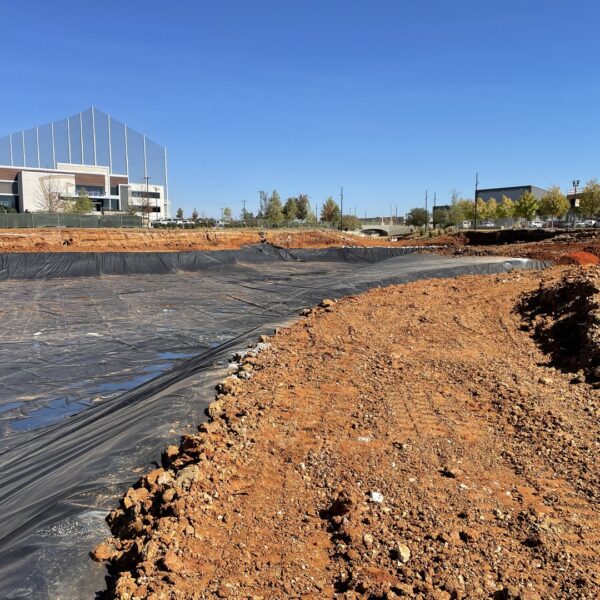
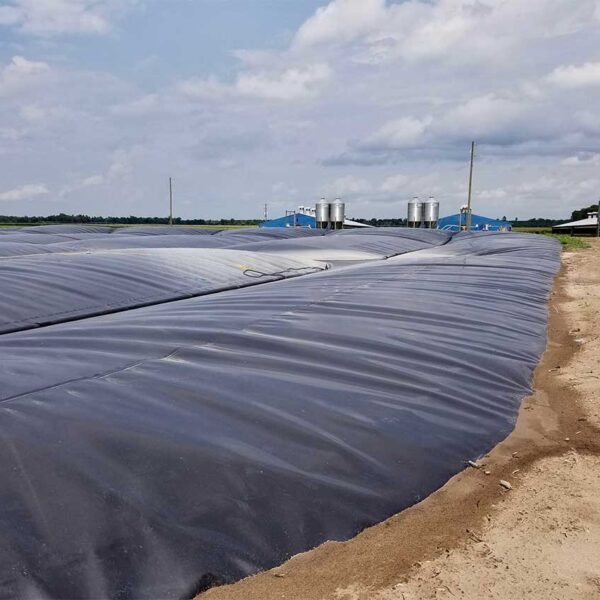
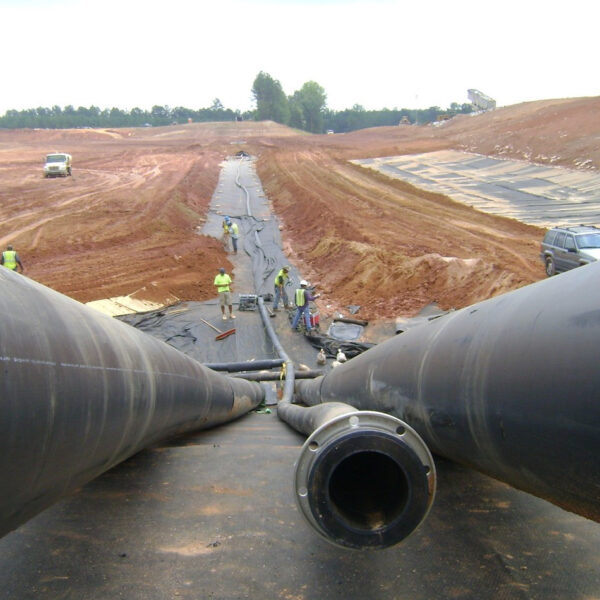
Plastic Fusion Fabricators installs geocomposite liner and drainage systems for landfills, containment basins, and environmental projects — the engineered drainage layers that collect and convey leachate, gas, and water within a lined system. We configure and install geocomposite to each project’s drainage requirements, integrating it with the geomembrane barrier and the rest of the lined system so the whole assembly performs as designed. For containment that needs reliable drainage, geocomposite is the engineered answer, and proper installation is what makes it work.
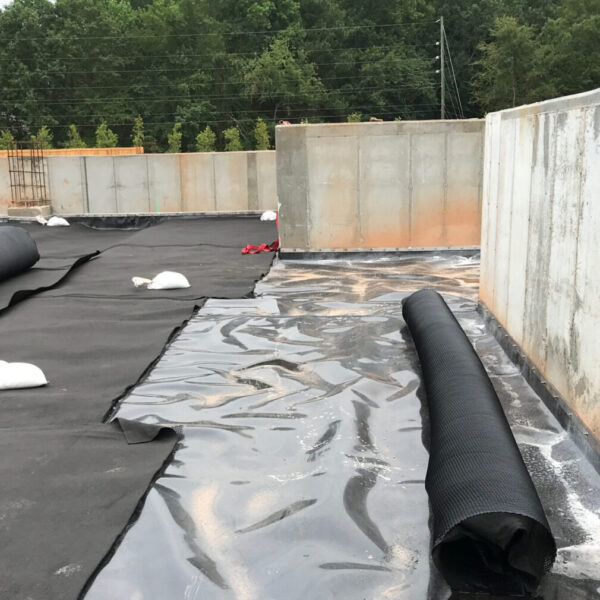
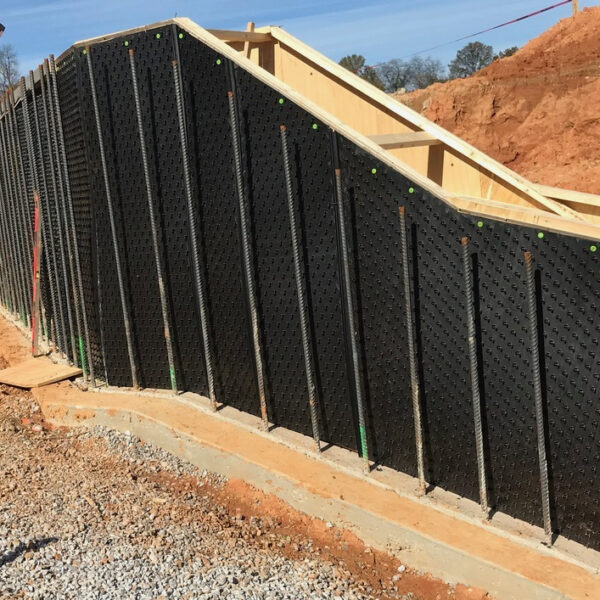
A geocomposite combines two or more geosynthetics into a single engineered product — most commonly a geonet drainage core bonded between geotextile filter layers. That structure does one job exceptionally well: it drains. In a landfill or containment system, geocomposite carries leachate to collection, vents gas, or relieves hydrostatic and uplift pressure beneath a liner — replacing thick granular drainage layers with a thin, consistent, high-flow geosynthetic. Because it’s the drainage that protects the barrier and the system, the geocomposite has to be specified to the right transmissivity and installed with correct panel orientation, overlaps, and seams.
Plastic Fusion installs geocomposite as part of complete lined systems, with 40+ years of containment experience across 24 states. We configure the geocomposite to the project’s drainage spec and install it to work with the barrier — not as a standalone product, but as an integrated layer.
Geocomposite Applications
- Leachate collection drainage — conveying leachate to collection within landfill liner systems
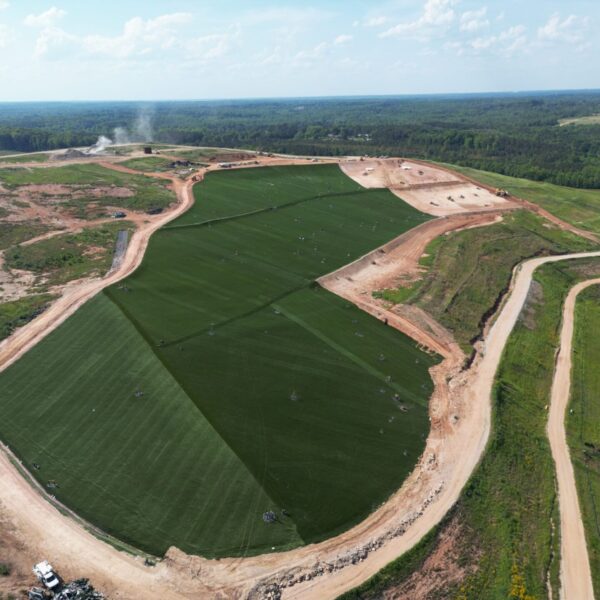
- Landfill cap drainage — draining infiltration above the barrier in closure systems
- Gas venting — relieving gas pressure beneath caps and covers
- Drainage beneath liners — relieving hydrostatic and uplift pressure under geomembrane barriers
- Pond and basin drainage — under-liner drainage in lined containment
- Replacement for granular drainage — thin, consistent high-flow drainage in place of stone layers
Why Configured Geocomposite Matters
Geocomposite isn’t one-size-fits-all. The drainage core has to match the required flow (transmissivity) under the project’s load conditions, and the geotextile filter has to match the soil it protects against clogging. Plastic Fusion configures geocomposite to the specific drainage requirements of each project — the right core, the right filter, fabricated and installed to perform under the actual conditions. That’s the difference between a drainage layer that works for the life of the system and one that clogs or under-drains.
How Geocomposite Is Installed
- Subgrade or barrier preparation — the geomembrane or subgrade is installed, tested, and cleared of debris that could puncture the geotextile
- Anchor trenching — on slopes, panel tops are anchored in trenches to prevent slippage
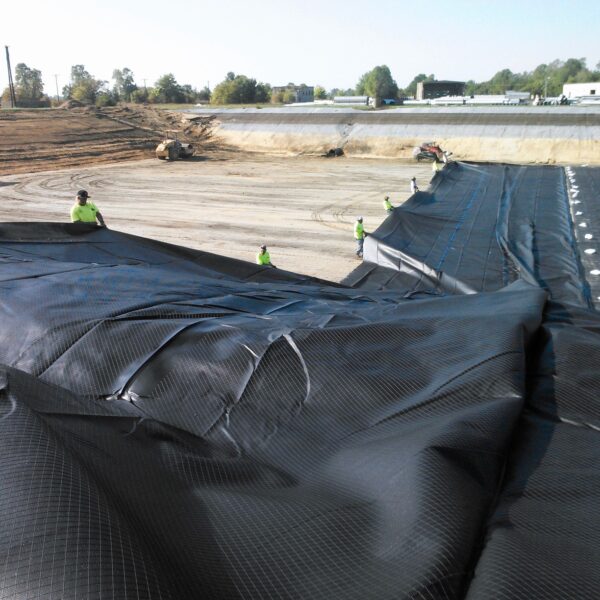
- Panel deployment — rolls are deployed with the flow direction oriented correctly, pulled taut to eliminate wrinkles
- Seaming and overlaps — the geonet cores are joined and geotextile overlaps secured per specification to maintain continuous flow
- Ballast and cover — panels are ballasted against wind uplift and covered promptly with approved material
Why Owners and Engineers Choose Plastic Fusion
- 40+ years installing geocomposite and complete lined systems
- Configured geocomposite — core and filter matched to the project’s drainage spec
- Installed as an integrated layer with the geomembrane barrier, not a standalone product
- Single-source: drainage, barrier, and complete containment systems in one contractor
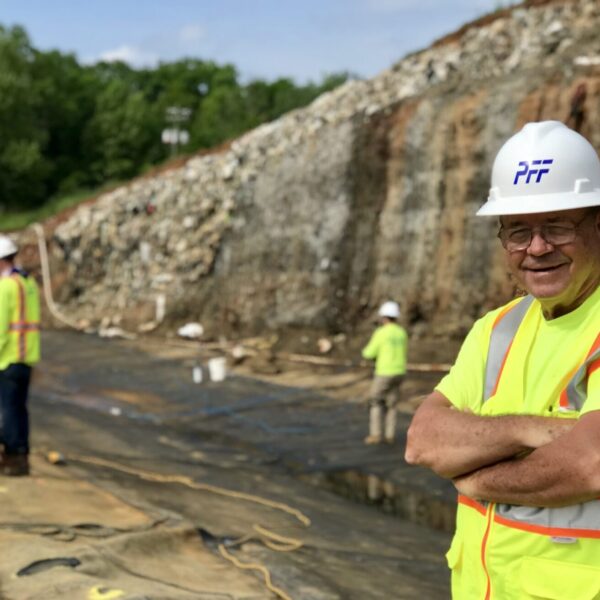
- Certified crews with documented installation QA/QC
- Active projects across 24 states with nationwide mobilization
Industries Served
Plastic Fusion installs geocomposite drainage systems for landfill and solid waste operators, mining and containment operations, municipal and industrial environmental facilities, and the engineering and construction firms designing lined containment, drainage, and closure systems.
Geocomposite Liner Installation FAQs
What is a geocomposite liner?
A geocomposite combines two or more geosynthetics into one engineered product — typically a geonet drainage core bonded between geotextile filter layers. Its primary function is drainage: it collects and conveys leachate, gas, or water within a lined system while a geotextile filter keeps soil from clogging the flow path. In containment, geocomposite replaces thick granular drainage layers with a thin, consistent, high-flow geosynthetic that drains the system and protects the barrier.
Is a geocomposite the same as the geomembrane barrier?
No. The geomembrane is the impermeable barrier that contains leachate or fluid. A geocomposite is a drainage product — it lets liquid and gas flow in a controlled path to collection or venting. They work together in a lined system: the geomembrane contains, and the geocomposite drains the leachate to collection or relieves pressure beneath the barrier. Plastic Fusion installs both as an integrated system.
What does “customized” or configured geocomposite mean?
Geocomposite has to match the project’s drainage requirements — the core sized for the required flow (transmissivity) under the actual load, and the geotextile filter matched to the soil it protects. A configured geocomposite is built to those specific requirements rather than pulled off the shelf. Plastic Fusion specifies and installs geocomposite configured to each project’s drainage spec, so the drainage layer performs under real site conditions for the life of the system.
Why use geocomposite instead of a granular drainage layer?
Geocomposite delivers consistent, predictable drainage in a thin profile — typically replacing a foot or more of granular stone with a fraction of an inch of geosynthetic. It installs faster, adds far less weight and volume, protects the geomembrane from the puncture risk of angular stone, and provides uniform flow that a variable granular layer can’t guarantee. On capped slopes and lined cells, geocomposite is often the only practical drainage solution.
Request a Quote
If your landfill, containment, or closure project needs geocomposite drainage installed and configured to spec, Plastic Fusion brings the containment expertise to integrate it with your barrier system. Contact us with your project details for a quote.