
Retention Pond Liners
CONTACT FOR RETENTION POND LINER INSTALLATION


Unmatched Performance
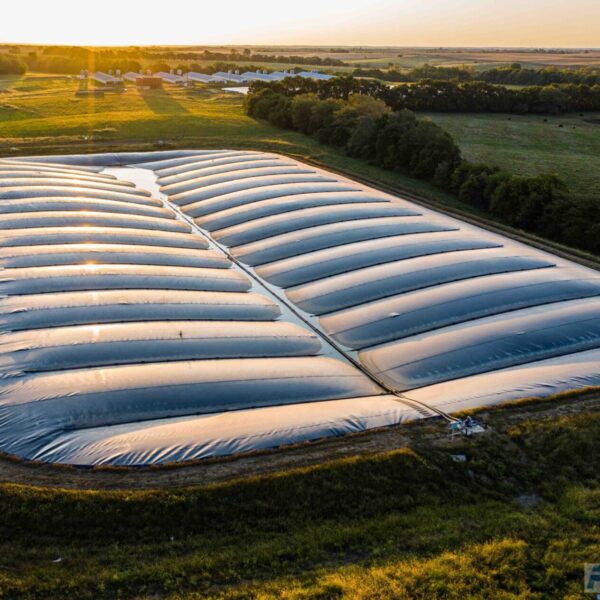
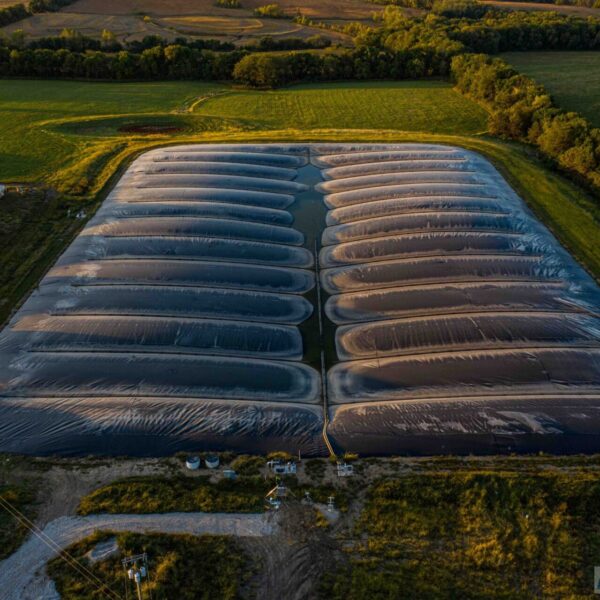
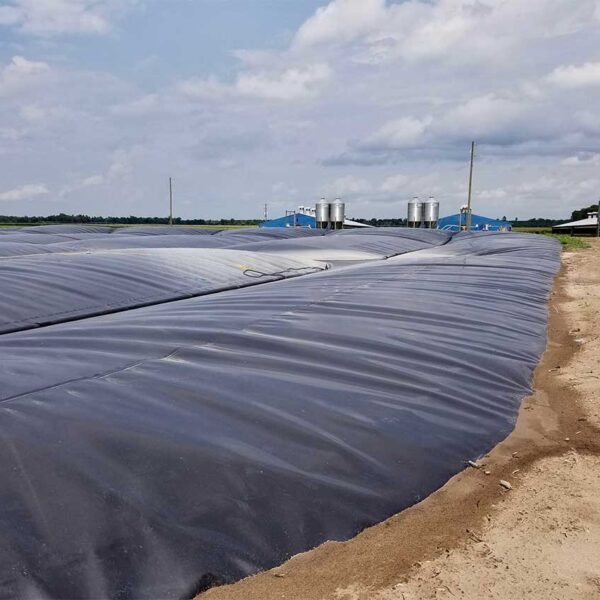
“Plastic Fusion was hired to test, repair, and replace existing pond liners on a restart project. The scope of work included installing a new insulated HDPE cover on the existing AD lagoon. Not only was the quality of the crew’s work exceptional, PFF was given the “A Team” award for outstanding work ethic.”
Ron Davies, Project Manager
Platte River Biogas, LLC
wHAT WE DO

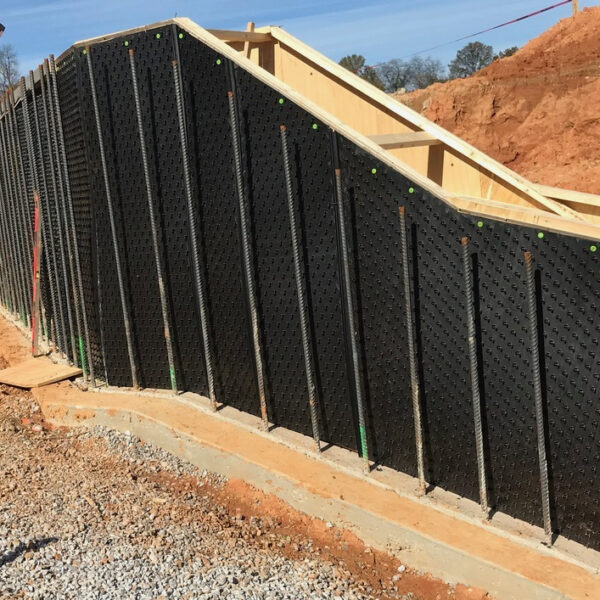
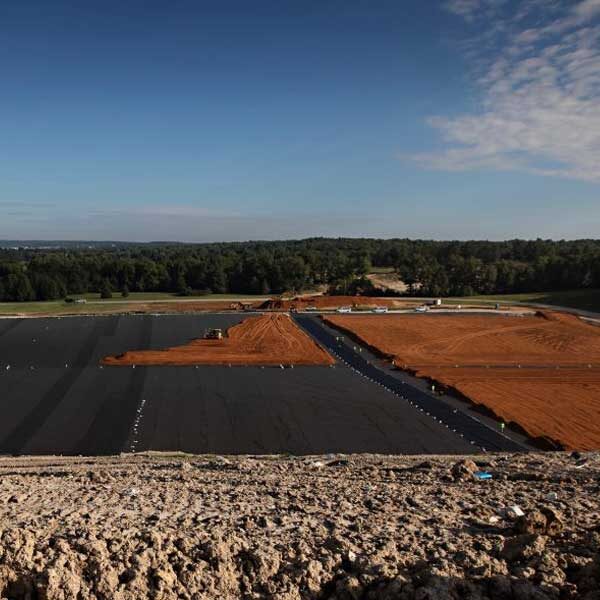
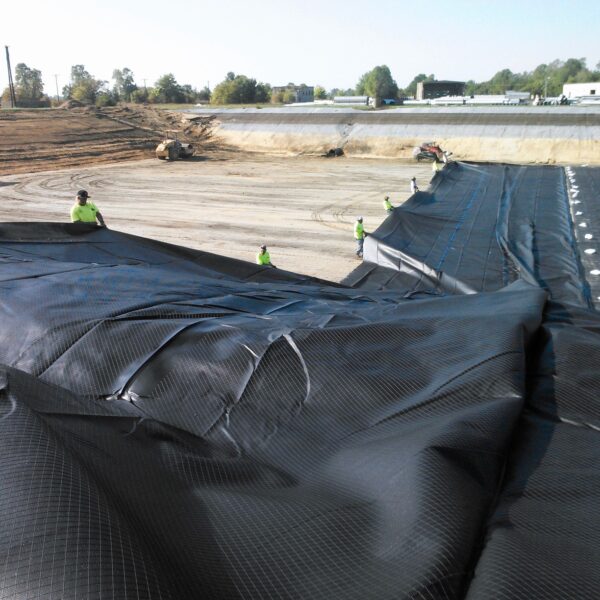
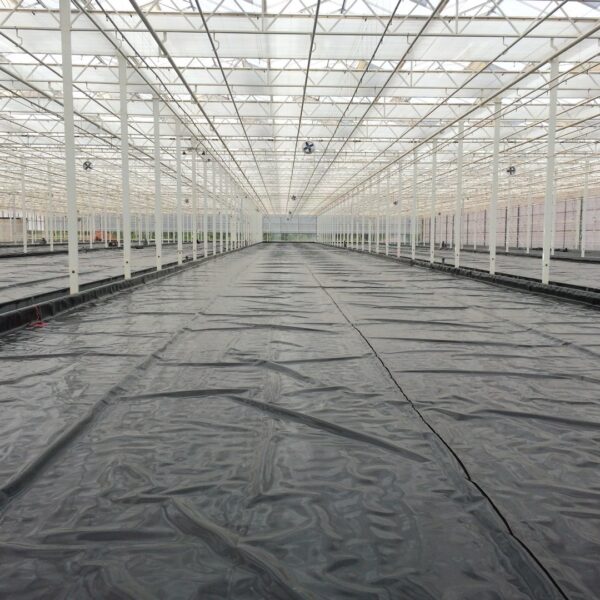
Retention Pond Liners
CONTACT FOR RETENTION POND LINER INSTALLATION
Retention, Detention & Stormwater Pond Liner Installation
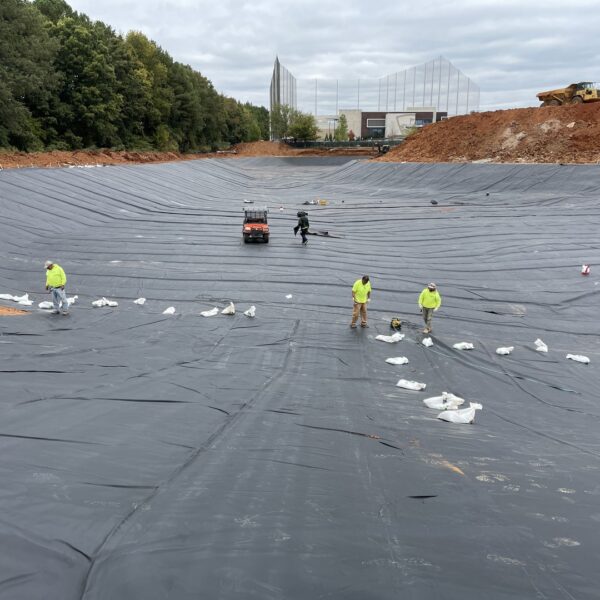
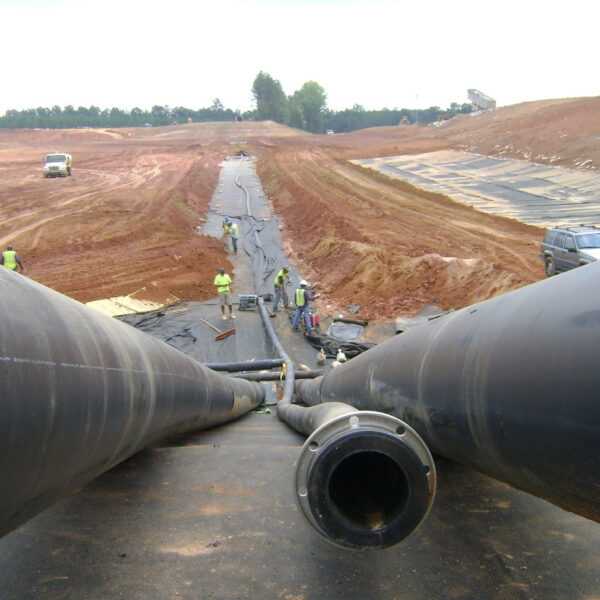
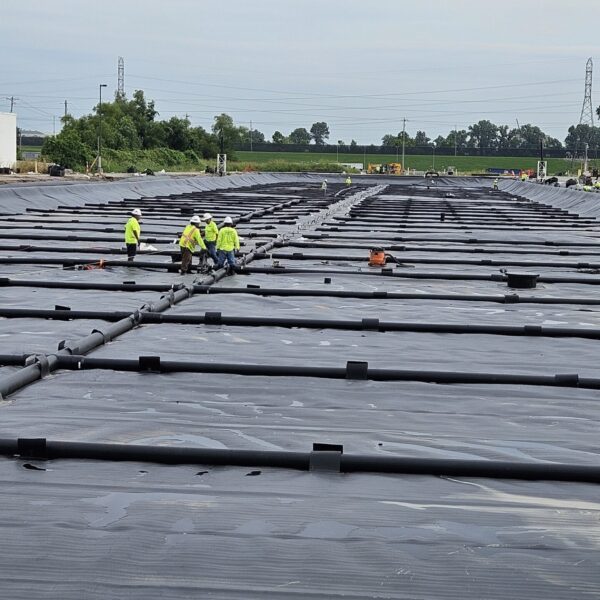
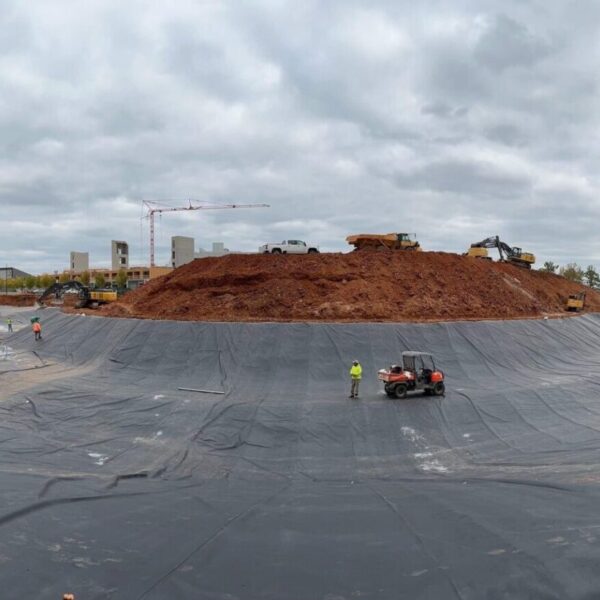
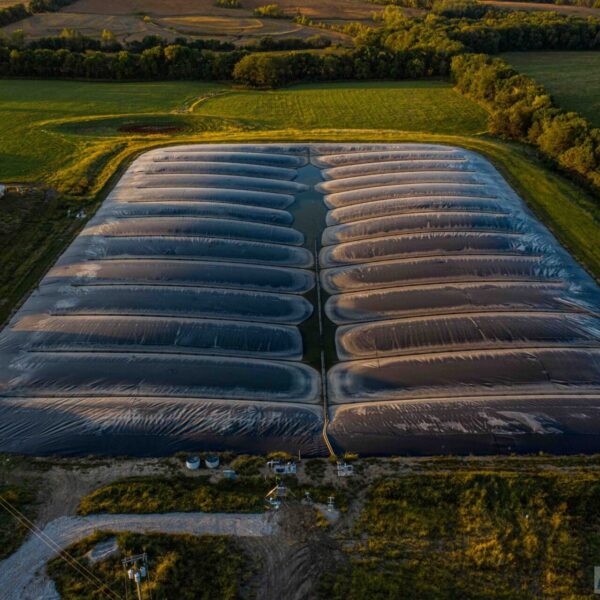
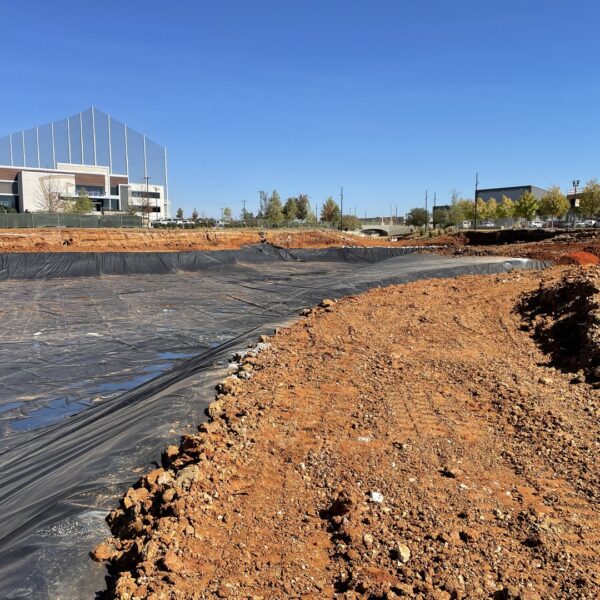
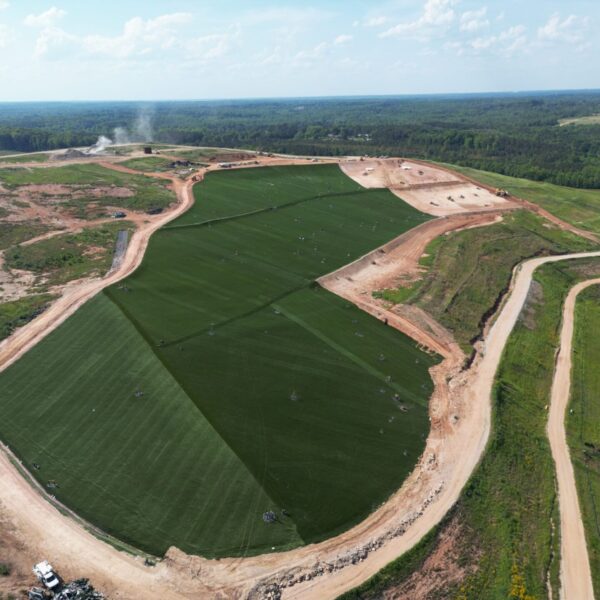
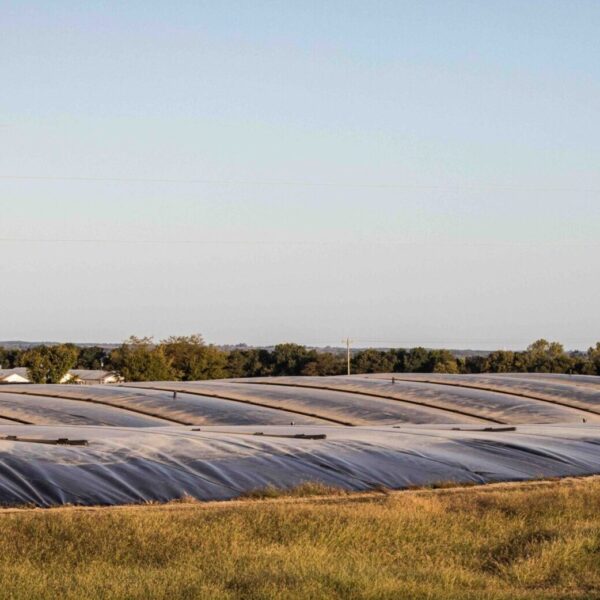
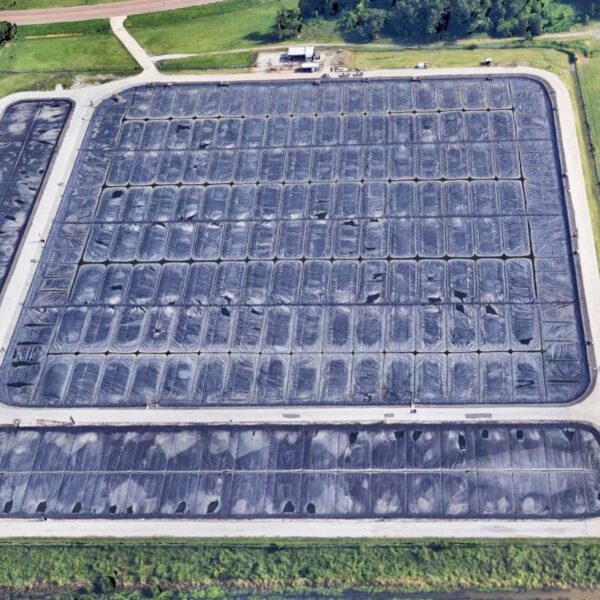
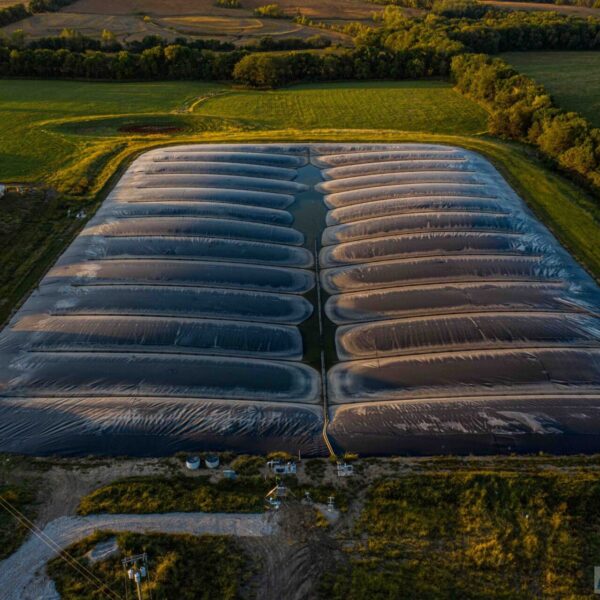
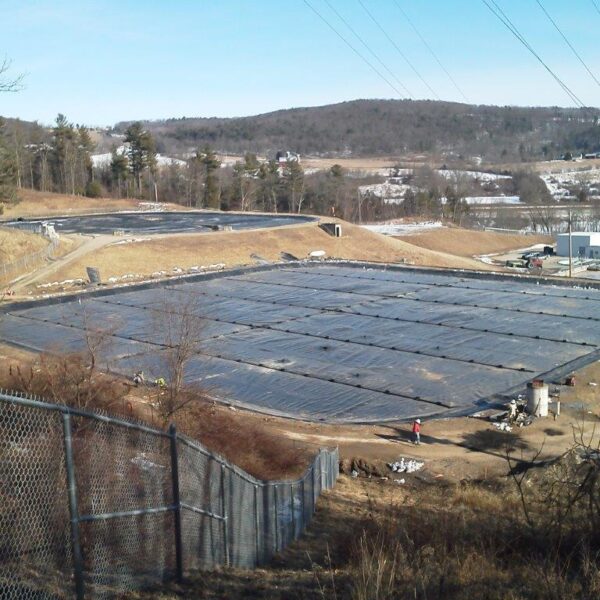
Plastic Fusion Fabricators is a trusted expert in retention pond liner installation, offering high-quality geomembrane solutions designed to prevent water seepage, hold required water levels, and keep stormwater basins in regulatory compliance. A retention pond liner is the impermeable barrier installed across the floor and batter slopes of a retention or detention pond — stopping stormwater from seeping into the surrounding groundwater, stabilizing the pond banks, and trapping the pollutants the basin is built to capture. We install fusion-welded HDPE, RPP, and LLDPE liners for large commercial, industrial, and municipal stormwater basins. With 40+ years of geomembrane installation across 24 states, Plastic Fusion is the installer to call when a stormwater pond has to perform and comply.
A retention or detention pond is a piece of regulated infrastructure, not a decorative water feature. It has to capture stormwater, hold or release it as designed, prevent runoff from contaminating the groundwater, and do it within the rules. An unlined or failing basin leaks, loses its level, and falls out of compliance. A properly installed geomembrane liner is what makes the basin do its job — sealed, stable, and built to the standard the permit requires.
Retention, Detention & Stormwater Ponds
These are closely related stormwater applications, and we line all of them:
- Retention ponds — basins that hold a permanent pool of stormwater; the liner seals them so they keep their level and prevent seepage
- Detention ponds — basins that temporarily detain stormwater and release it slowly; the liner protects the banks through repeated fill-and-drain cycles
- Stormwater collection basins — lined containment that captures site runoff and keeps it out of the groundwater
- Bioretention and underground detention — lined stormwater systems for engineered treatment and storage
Whatever the basin is called, the liner’s job is the same: an impermeable, durable barrier sized and installed to the basin and the regulations it answers to.
Why Line a Retention Pond
- Prevent seepage — stop stormwater from soaking into the surrounding soil and groundwater
- Maintain water levels — a sealed retention pond holds its design pool instead of draining away
- Stabilize the banks — protect the batter slopes from the erosion of repeated filling and draining
- Regulatory compliance — meet the stormwater requirements that govern runoff and groundwater protection
- Trap pollutants — keep captured contaminants in the basin instead of letting them migrate
Built for Stormwater Compliance
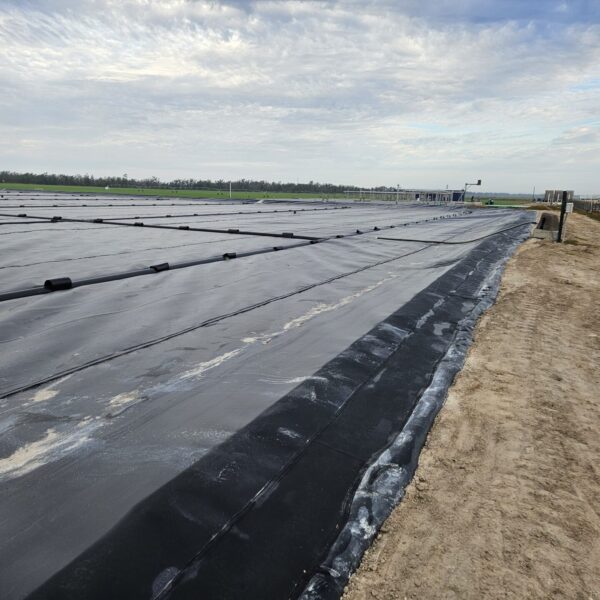
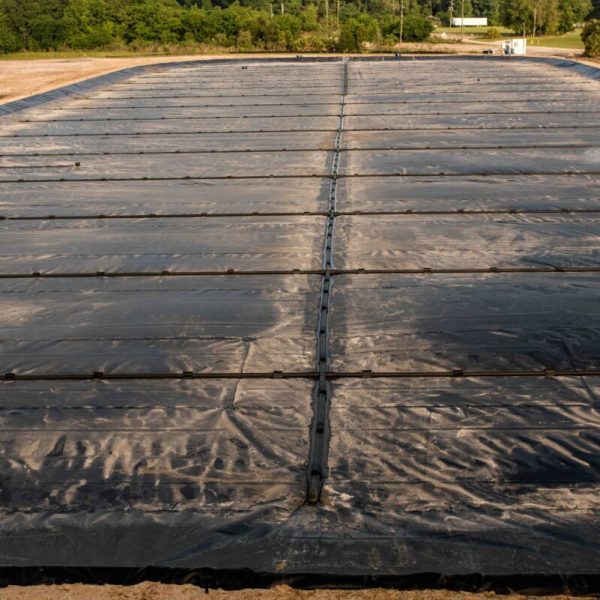
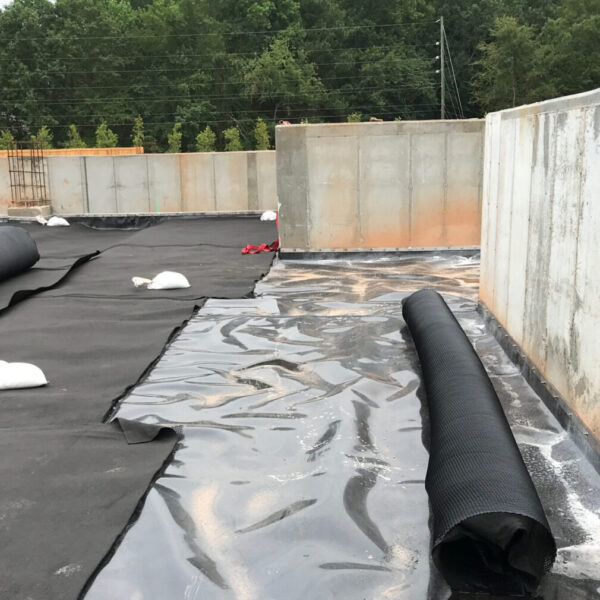
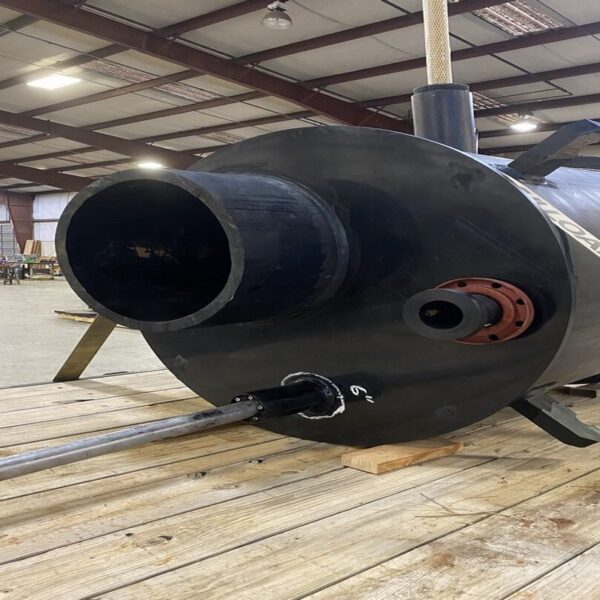
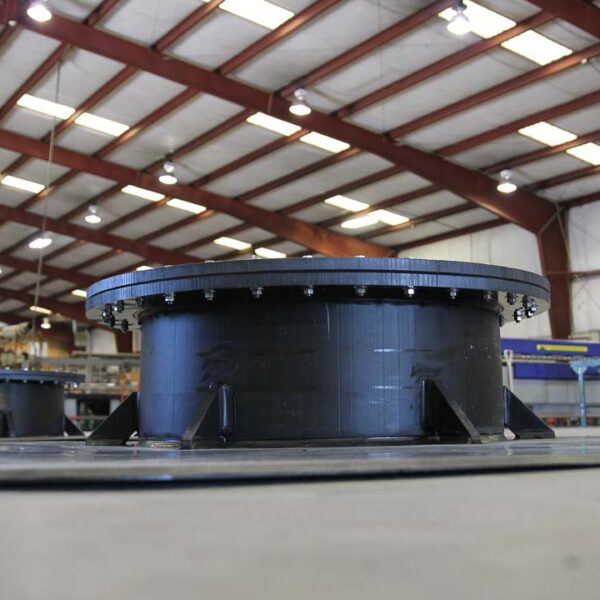
Stormwater regulations exist to keep runoff and the pollutants it carries from reaching groundwater and waterways. A geomembrane liner is how a retention or detention basin meets that standard — an impermeable barrier that contains the water and the contaminants it captures. We install to the basin’s design, slope, and the compliance requirements it has to satisfy, with fusion-welded seams and properly sealed pipe and skimmer penetrations.
Retention Pond Liner Materials
- HDPE (high-density polyethylene) — the industry standard for large, commercial stormwater basins: highly resistant to UV and chemicals, with a long service life in open-air conditions
- RPP (reinforced polypropylene) — highly flexible and chemical-resistant, ideal for ponds near parking lots and industrial zones where the basin is exposed to hydrocarbon runoff
- LLDPE — highly flexible yet strong, conforming to irregular basin shapes and subgrades
We match the material to the basin, the climate, and what the pond is exposed to. For retention ponds collecting runoff from parking lots and roadways — where oil and hydrocarbons wash in — RPP’s chemical resistance is a real advantage over a standard liner.
Installed for Commercial Basins, Not Backyard Ponds
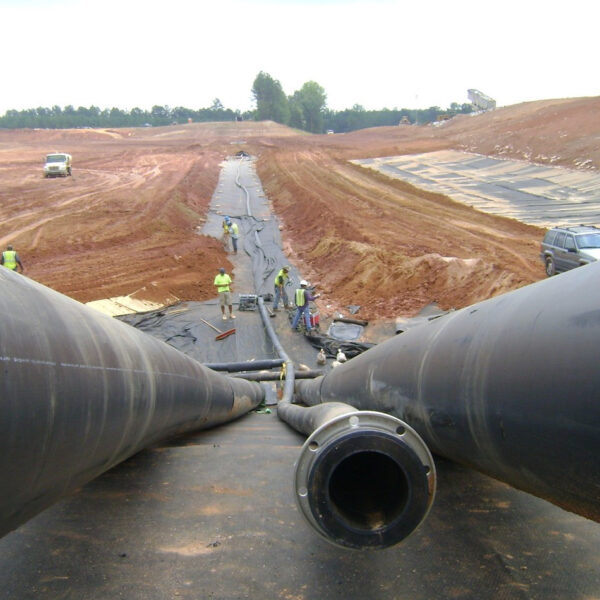
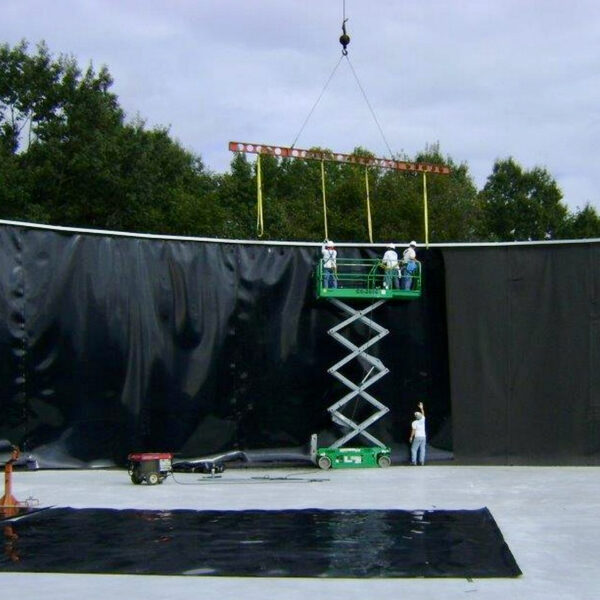
The EPDM and PVC liners marketed for small decorative ponds aren’t built for a commercial stormwater basin. A real retention or detention pond is a large, engineered, regulated structure that requires proper subgrade preparation, a liner anchored in a trench around the full perimeter to resist wind uplift and slipping, fusion-welded seams, and sealed penetrations. Plastic Fusion installs at that scale and to that standard — and we stand behind a basin that holds and complies.
Related Pages
- Industrial pond liners — for industrial process-water ponds and containment, see industrial liner installation
- Irrigation pond liners — for irrigation storage ponds and reservoirs, see irrigation pond liners
- All pond and containment liners — see our pond and containment liner applications
Why Choose Plastic Fusion
- 40+ years installing stormwater, retention, and detention pond liners
- Installer and fabricator — large commercial and industrial basins, not residential rubber
- HDPE, RPP, and LLDPE matched to the basin and its exposure
- Fusion-welded seams, sealed penetrations, anchored to hold
- Installed to stormwater compliance requirements
- Active projects across 24 states with nationwide mobilization
Retention Pond Liner FAQs
What is the best liner material for a retention pond?
For large commercial and industrial retention basins, HDPE is the industry standard — highly UV- and chemical-resistant with a long service life in open-air conditions. RPP is the better choice for ponds near parking lots or industrial areas exposed to hydrocarbon runoff, thanks to its chemical resistance and flexibility. LLDPE is used where the basin shape or subgrade calls for extra flexibility. We match the material to the basin and what it’s exposed to.
What’s the difference between a retention pond and a detention pond?
A retention pond holds a permanent pool of water, so its liner’s job is to seal the basin and keep the level. A detention pond temporarily detains stormwater and releases it slowly, so its liner protects the banks through repeated fill-and-drain cycles. Both are stormwater basins, and we line both to the same engineered standard.
Does a retention pond liner help with stormwater compliance?
Yes. Stormwater regulations require basins to contain runoff and prevent it from contaminating groundwater. An impermeable geomembrane liner provides that containment — sealing the basin and trapping captured pollutants — installed to the design and compliance requirements the basin has to meet.
Request a Quote
If you have a retention, detention, or stormwater basin that’s losing water to seepage, eroding at the banks, or needs to meet compliance, Plastic Fusion installs the fusion-welded geomembrane liner engineered to hold it and keep it compliant. Contact us with your basin details for a quote.