
Secondary Containment Liner Installation

CONTACT FOR SECONDARY CONTAINMENT REVIEW


Unmatched Performance
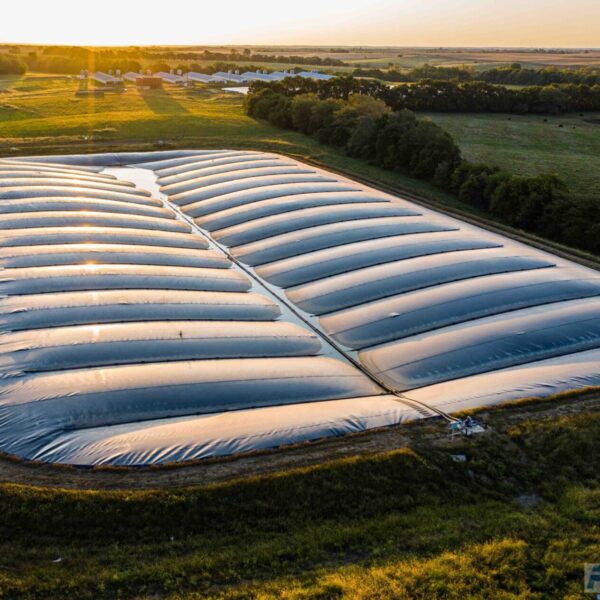
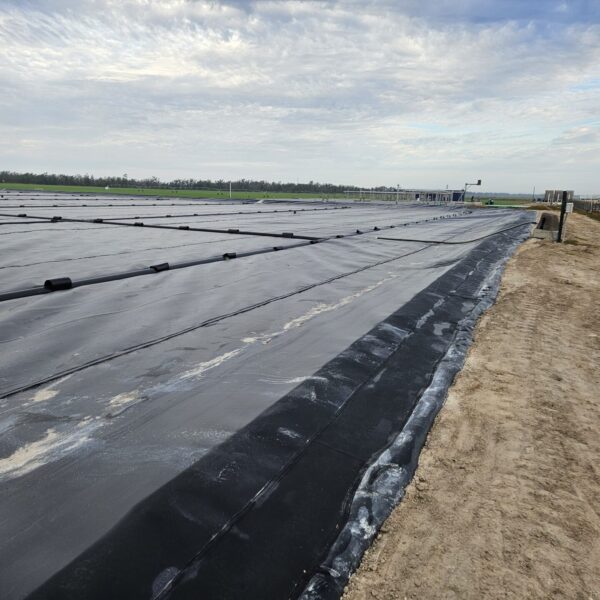
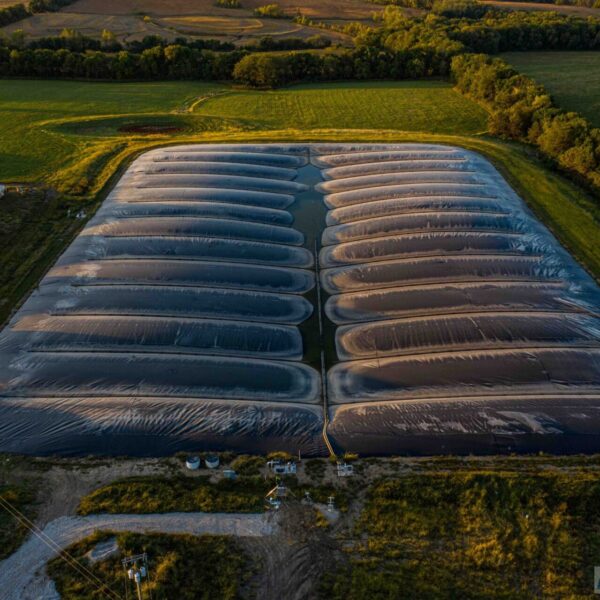
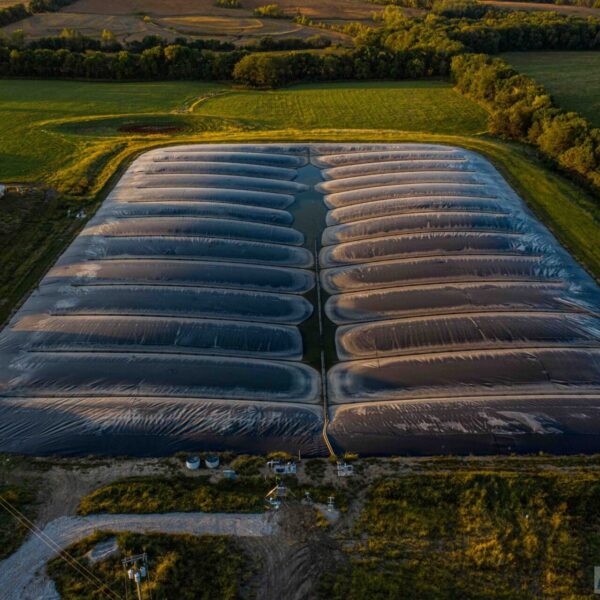
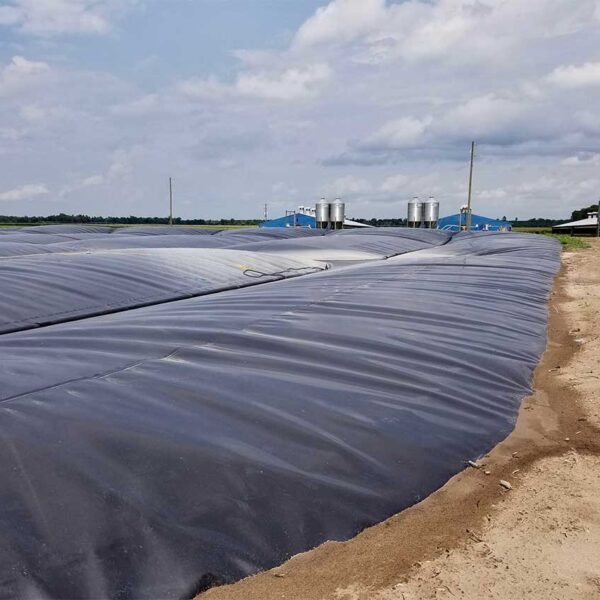
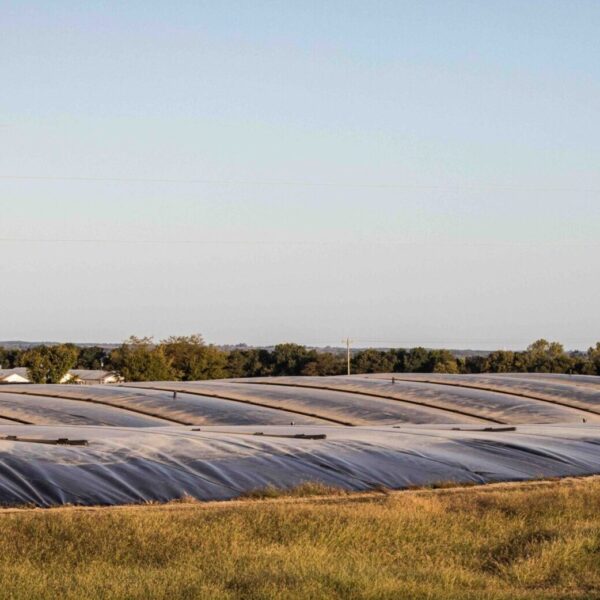
“Plastic Fusion was hired to test, repair, and replace existing pond liners on a restart project. The scope of work included installing a new insulated HDPE cover on the existing AD lagoon. Not only was the quality of the crew’s work exceptional, PFF was given the “A Team” award for outstanding work ethic.”
Ron Davies, Project Manager
Platte River Biogas, LLC
wHAT WE DO
Our Secondary Containment Installation
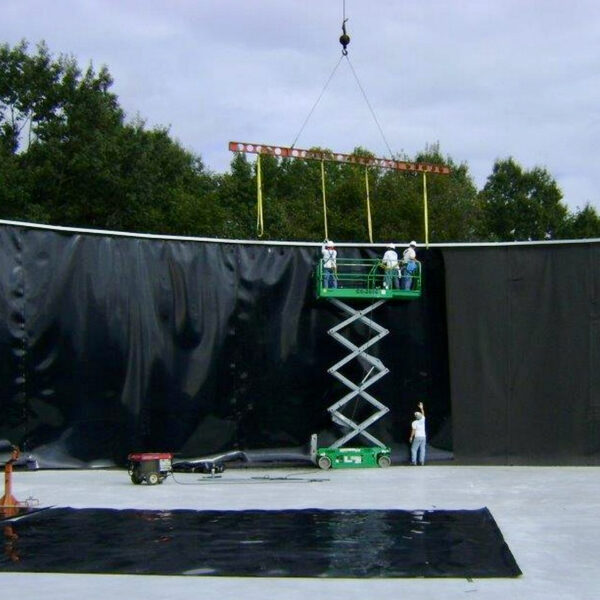
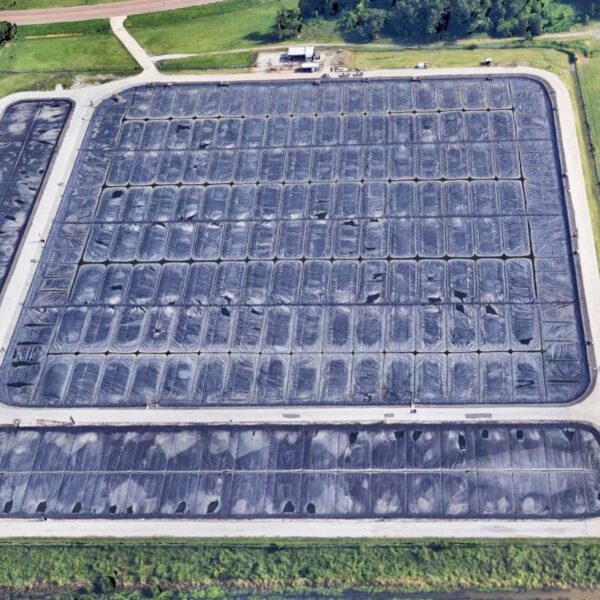
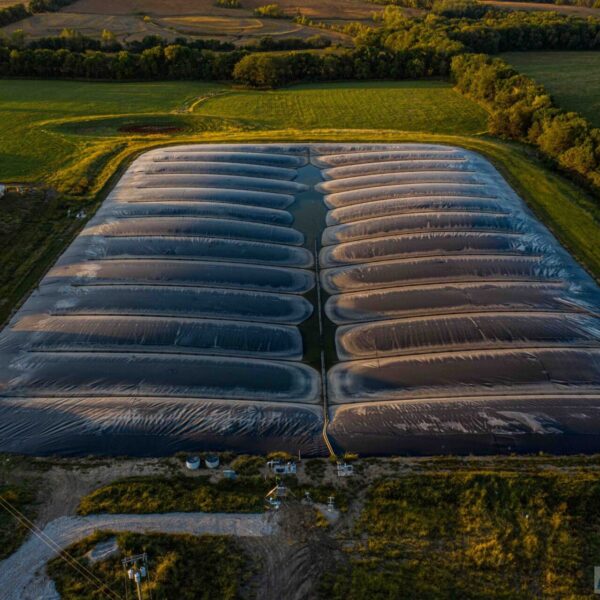
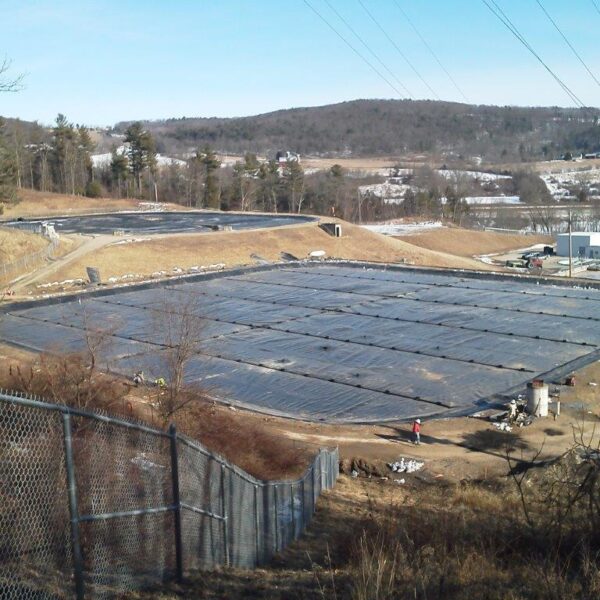
Secondary Containment Liner Installation
CONTACT FOR SECONDARY CONTAINMENT REVIEW
Secondary Containment Liner Installation
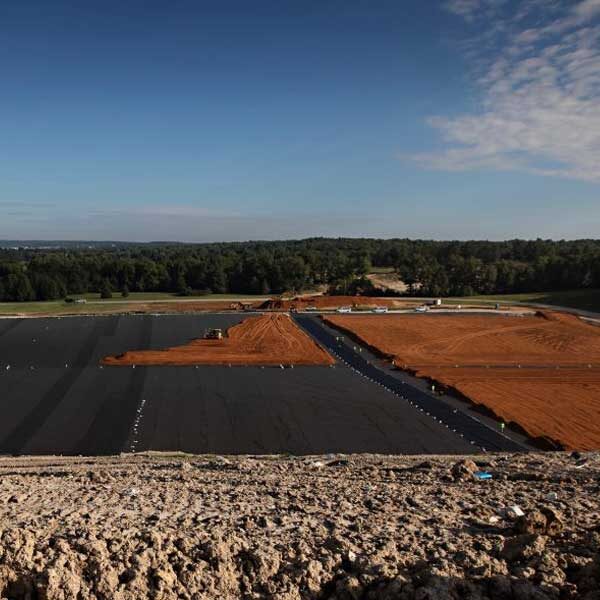
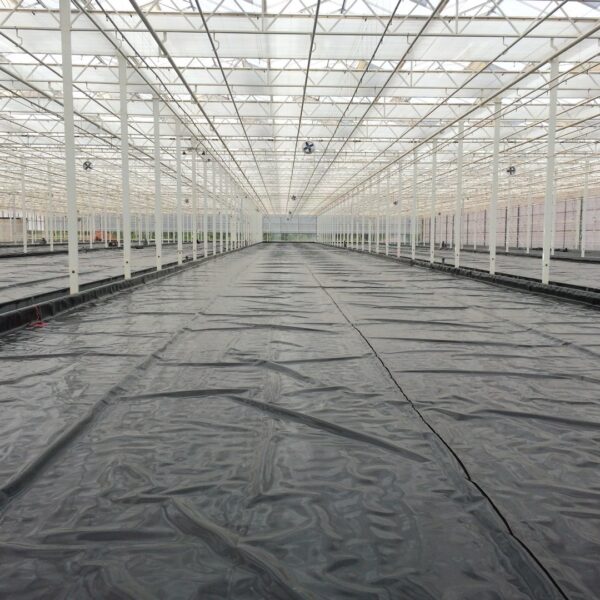
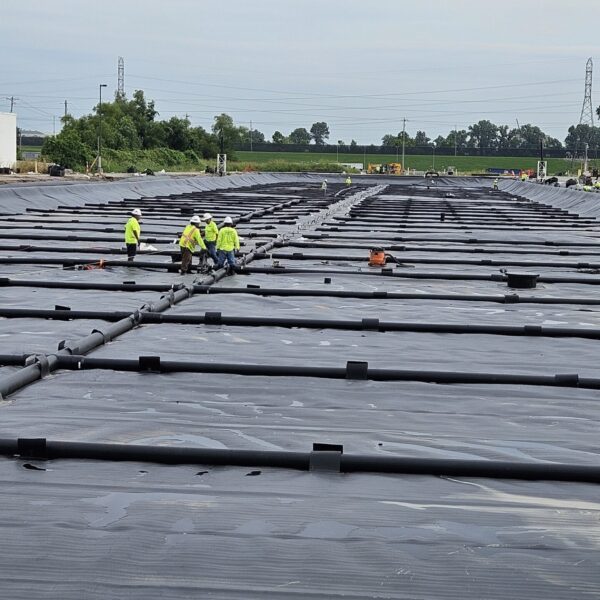
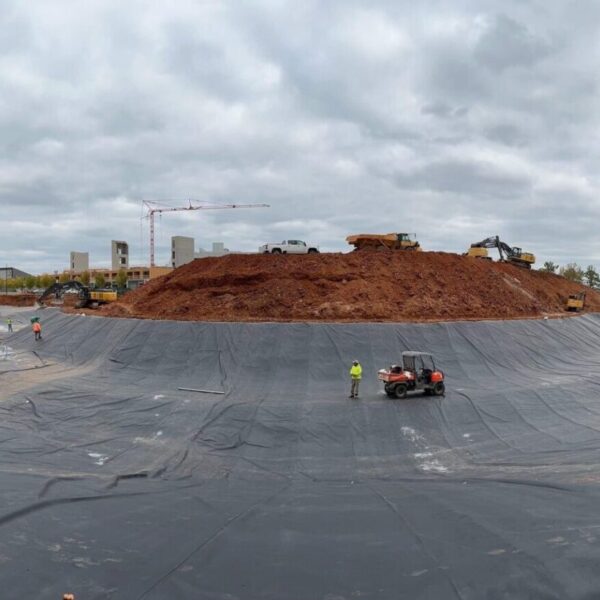
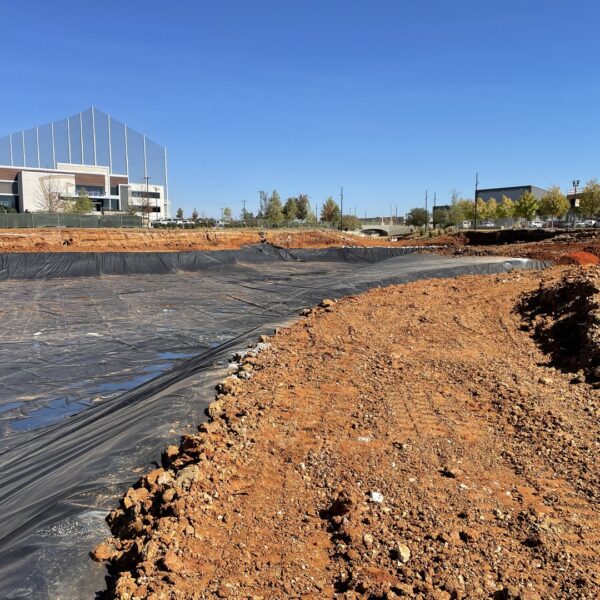
Plastic Fusion Fabricators installs secondary containment liner systems for tank farms, fuel storage facilities, chemical processing areas, substations, and any SPCC-regulated site that requires engineered spill containment. We install HDPE, LLDPE, RPP, XR-5, and reinforced polypropylene geomembrane liners — custom-fabricated, field-welded, and tested to deliver an impervious barrier that meets EPA, SPCC, and state environmental regulations.
Secondary containment isn’t optional. EPA 40 CFR 112 requires facilities storing oil and hazardous substances to maintain secondary containment capable of holding the entire contents of the largest tank plus sufficient freeboard. State regulations often go further. The containment liner is what makes that system impervious — and the liner installation is what determines whether it holds when tested, whether that’s a spill event or a regulatory inspection.
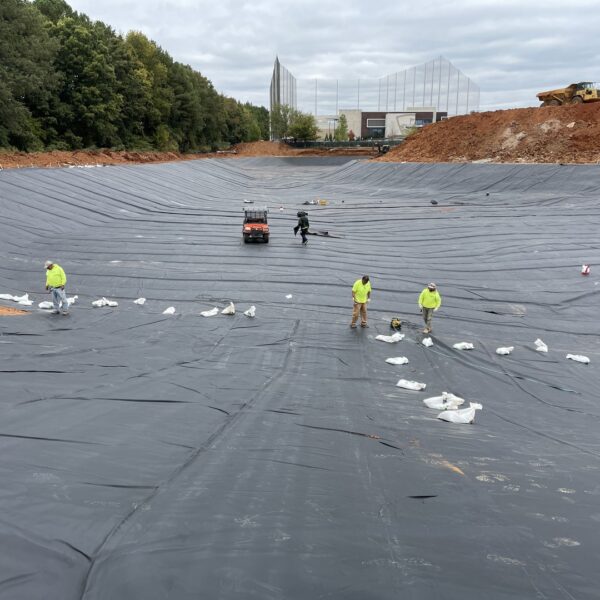
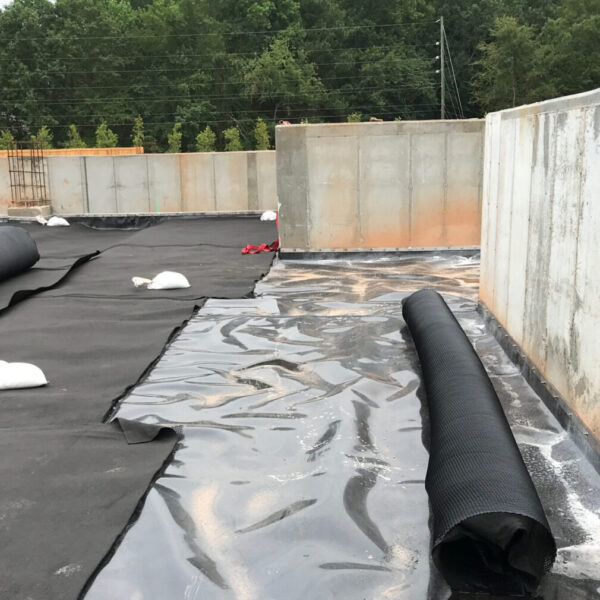
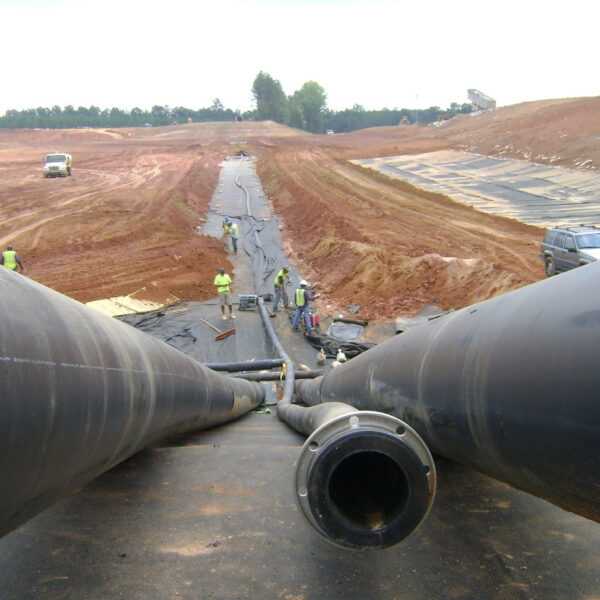
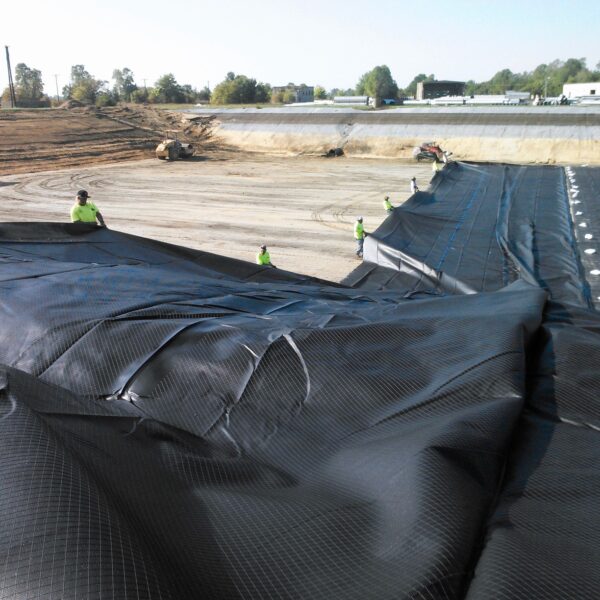
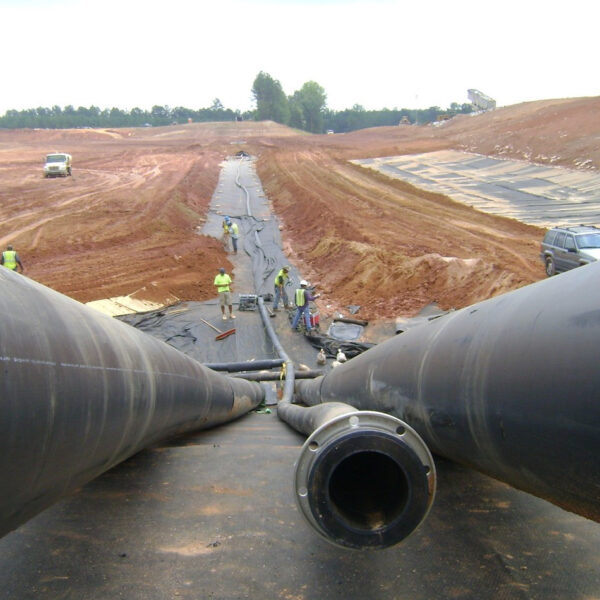
Plastic Fusion has been installing geomembrane containment systems for over 40 years. Our certified thermoplastic welders build secondary containment liners from the subgrade up — geotextile underlayment, liner deployment, fusion welding, pipe boot and penetration fabrication, anchor trench construction, sump integration, and complete QA/QC documentation. We deliver systems that are inspection-ready on day one and built to perform for decades.
What We Install
- HDPE secondary containment liners — the standard for chemical resistance, durability, and long-term performance in industrial containment
- LLDPE and flexible geomembrane liners — for containment areas with complex geometry, settlement potential, or tight working conditions
- RPP and XR-5 liners — for applications requiring enhanced flexibility, UV resistance, or specialized chemical compatibility
- Reinforced polypropylene liners — puncture-resistant systems for high-traffic containment areas
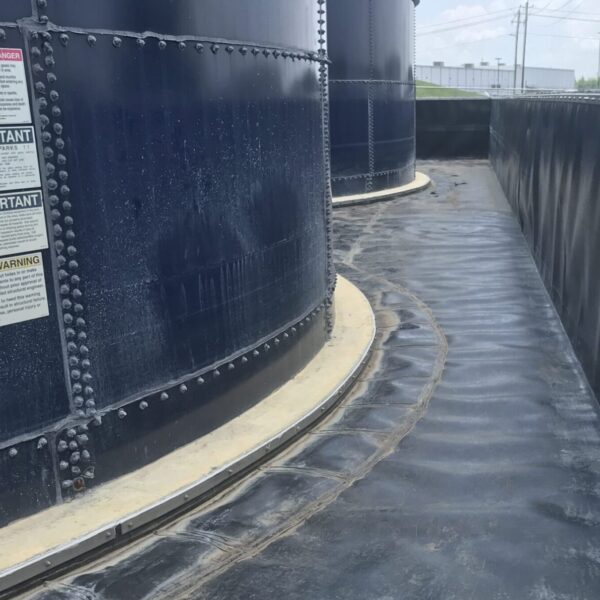
- Dike liner systems — lined berms around tank farms, fuel storage, and transformer containment
- Sump and drain integration — leak detection sumps, collection drains, and monitoring access points built into the liner system
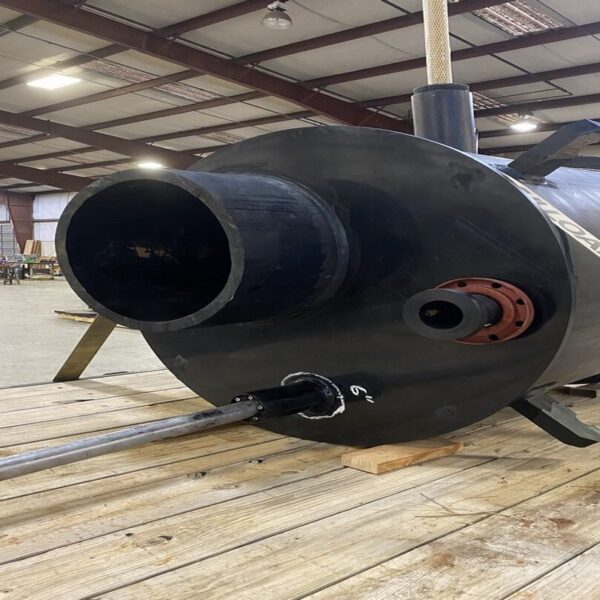
- Pipe boot and penetration details — gas-tight, liquid-tight connections where piping, conduit, and monitoring equipment pass through the containment liner
- Anchor trench and termination systems — perimeter anchoring designed for wind uplift, thermal cycling, and long-term dimensional stability
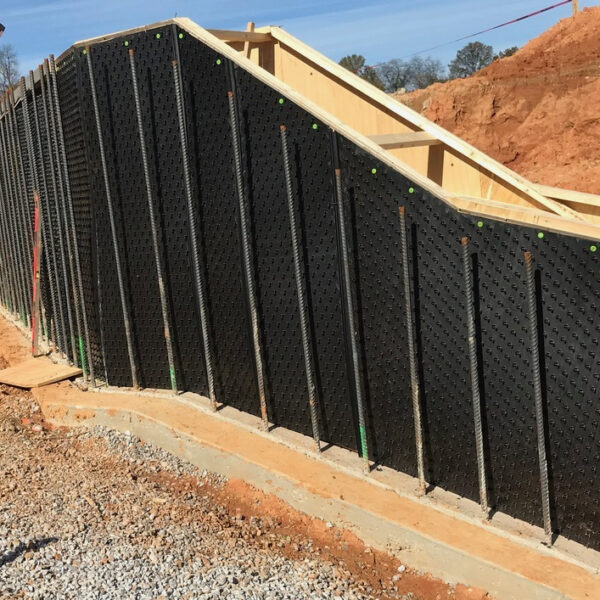
- Concrete protective liner integration — CPL systems for concrete containment walls and floors where both structural protection and impermeability are required
Applications
- Petroleum and fuel tank farm secondary containment
- Chemical storage and transfer area containment
- Transformer and substation spill containment
- Refinery process area containment systems
- Military fuel depot and ammunition storage containment
- Pharmaceutical facility chemical containment
- Chemical containment systems for plating, metal finishing, and industrial processing
- Food and beverage facility containment
- Power generation plant containment
- Fertilizer storage and blending facility containment
- Hazardous waste accumulation area containment
- Loading dock and truck loading/unloading spill containment
Secondary Containment Design and Engineering Coordination
Plastic Fusion works directly with design engineers, environmental consultants, and facility operators to ensure your containment liner system is specified and installed correctly for your site conditions, stored materials, and regulatory requirements. We coordinate on material selection (chemical compatibility with stored substances), liner thickness and reinforcement, subgrade preparation requirements, penetration details and sump placement, anchor trench geometry, and leak detection system integration.
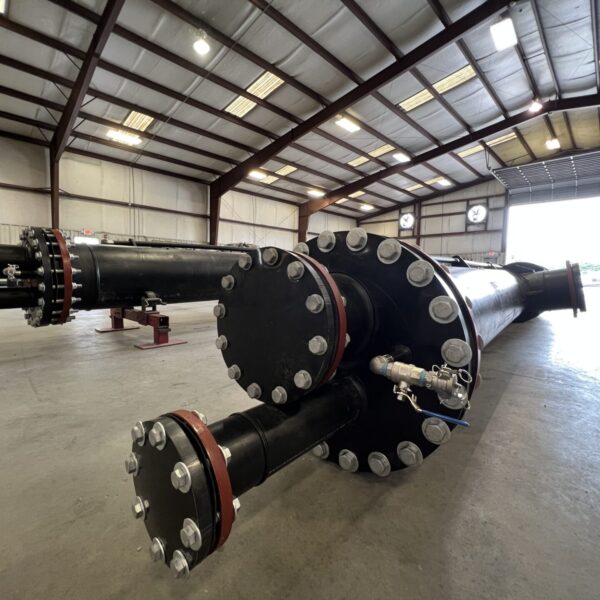
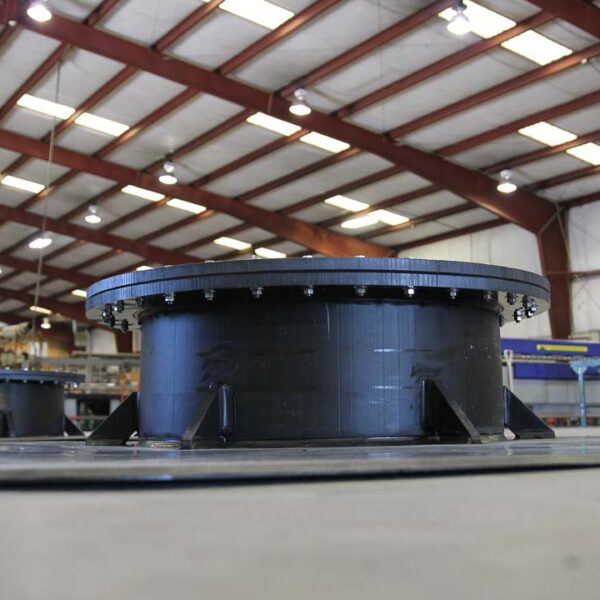
Our in-house HDPE fabrication shop builds custom pipe boots, sump liners, penetration details, and transition pieces — so your containment system arrives with pre-fabricated components that fit, rather than field-improvised solutions that compromise integrity.
Why Engineers and Facility Owners Specify Plastic Fusion
- 40+ years installing geomembrane containment systems — secondary containment is core to what we do
- Certified thermoplastic welders trained in HDPE, LLDPE, RPP, XR-5, PVC, and polypropylene
- In-house fabrication shop for custom pipe boots, sump liners, penetration details, and fittings
- Material selection matched to stored chemicals — not one-size-fits-all
- Strict QA/QC on every seam: destructive and non-destructive testing documented for regulatory files
- SPCC-compliant installation documentation — as-built records, weld test results, and material certifications
- Nationwide mobilization with experienced containment installation crews
- Direct coordination with engineers, environmental consultants, and inspectors
- Containment repair and maintenance services to protect your investment after installation
Industries Served
Plastic Fusion installs secondary containment liner systems for petroleum storage and distribution companies, chemical manufacturers and distributors, refineries, power utilities, military installations, pharmaceutical facilities, food and beverage processors, wastewater treatment plants, mining operations, and any facility regulated under EPA SPCC, state environmental, or RCRA requirements.
Secondary Containment Liner FAQs
What is a secondary containment liner?
A secondary containment liner is a geomembrane barrier — typically HDPE, LLDPE, or reinforced polypropylene — installed around or beneath tanks, piping, and equipment that store hazardous substances. Its purpose is to capture and contain any spill, leak, or release from the primary storage system before it reaches soil, groundwater, or surface water. Under EPA’s SPCC rule (40 CFR 112), secondary containment must be sufficiently impervious to contain discharges and hold the volume of the largest tank plus adequate freeboard. The liner is what provides that impermeability.
What materials are used for secondary containment liners?
The most common material is HDPE (high-density polyethylene) — it offers broad chemical resistance, UV stability, and long-term durability across most industrial containment applications. LLDPE provides greater flexibility for containment areas with complex geometry or settlement potential. RPP and XR-5 are specified for applications requiring enhanced flexibility, UV resistance, or compatibility with specific chemicals. Reinforced polypropylene is used in high-traffic areas where puncture resistance is critical. Plastic Fusion evaluates the specific chemicals stored, operating temperature range, UV exposure, and site conditions to recommend the right material for your application.
What is required for SPCC secondary containment compliance?
EPA’s SPCC rule requires facilities that store oil (including petroleum products, animal fats, and vegetable oils) above specified thresholds to prepare and implement an SPCC Plan that includes secondary containment. The containment must be able to hold the entire contents of the largest single tank plus sufficient freeboard for precipitation. The system must be “sufficiently impervious to contain discharged oil” — which in practice means a tested, documented liner system, not just compacted soil or unlined concrete. Plastic Fusion’s installation documentation — material certifications, seam test results, and as-built records — provides the evidence your SPCC Plan needs.
How long does secondary containment liner installation take?
Timeline depends on containment area size, complexity (number of tanks, penetrations, sumps, pipe boots), site access, and subgrade conditions. A straightforward fuel farm containment installation might take one to two weeks. A multi-area chemical facility containment project with numerous penetrations and sump integrations can run several weeks across multiple phases. Plastic Fusion provides project-specific timelines after reviewing your site plans and containment design.
How long do secondary containment liners last?
A properly installed HDPE secondary containment liner typically delivers 25–40+ years of service life in standard industrial conditions. Longevity depends on UV exposure (exposed vs. covered containment), chemical exposure intensity, mechanical traffic on the liner surface, and the quality of the original installation — particularly seam welding and anchor system construction. Plastic Fusion’s QA/QC protocols are designed to maximize installed service life, and we offer maintenance and inspection programs that extend liner performance and catch issues before they become failures.
Can secondary containment liners be installed around existing tanks?
Yes. Retrofit containment liner installation around existing tank farms and storage areas is a significant portion of our work. We install liners around and between existing tanks, fabricate custom pipe boot penetrations for in-place piping, and integrate sump and drain systems into the existing facility layout. This typically requires close coordination with facility operations to maintain safety clearances and access while minimizing downtime. Plastic Fusion’s crews are experienced in working within active facilities — refineries, chemical plants, fuel depots — where operations continue during containment installation.
Request a Quote
If you’re specifying, bidding, or planning a secondary containment liner installation — new construction or retrofit — Plastic Fusion delivers engineered liner systems built for decades of service and ready for inspection on day one. Contact us for project-specific pricing, material recommendations, and mobilization timelines.