Leachate Collection System
A leachate collection system is the engineered network that captures the contaminated liquid filtering through a landfill and conveys it to sumps for removal — protecting groundwater and keeping the site in compliance.


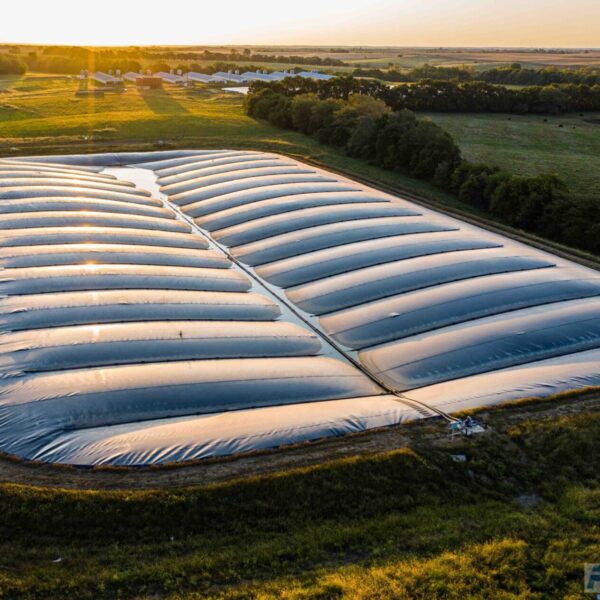
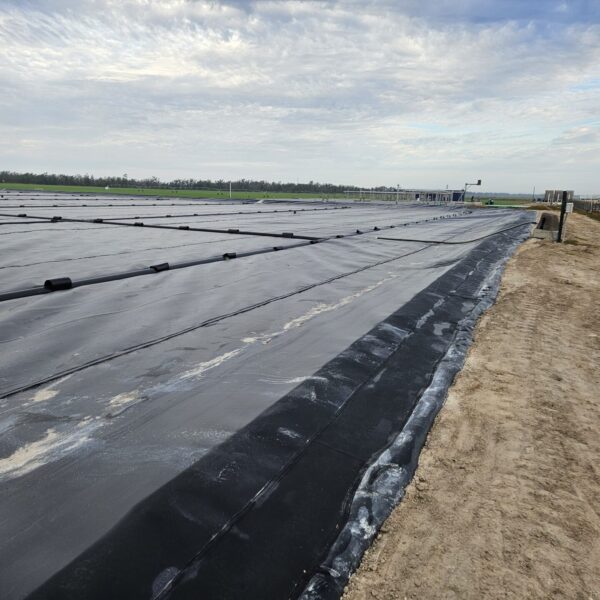
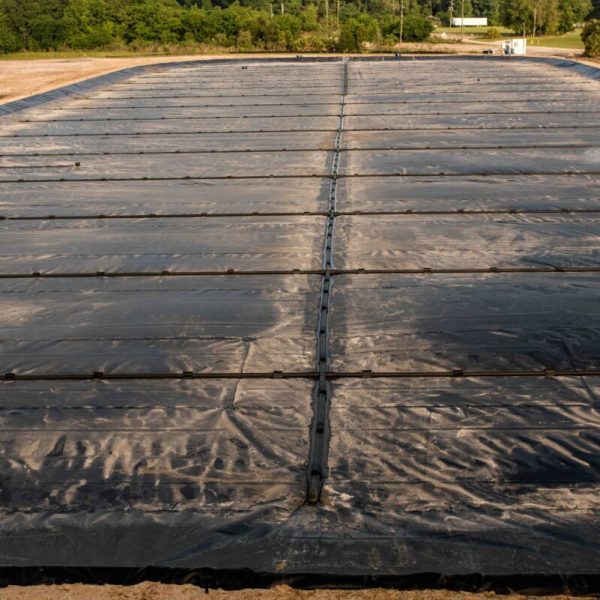
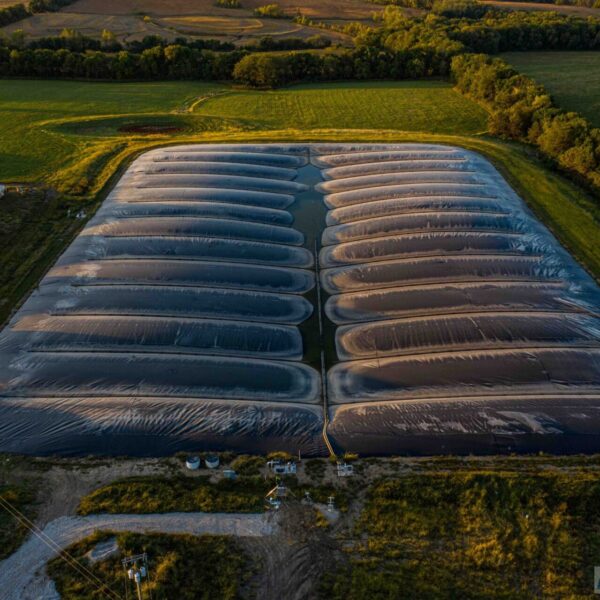
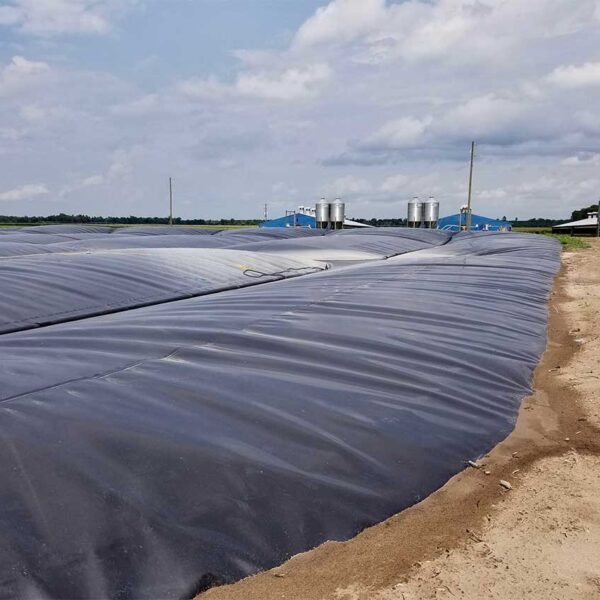
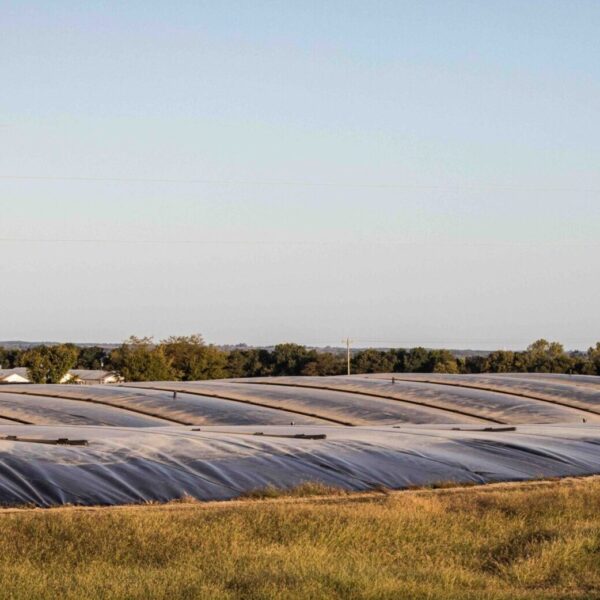
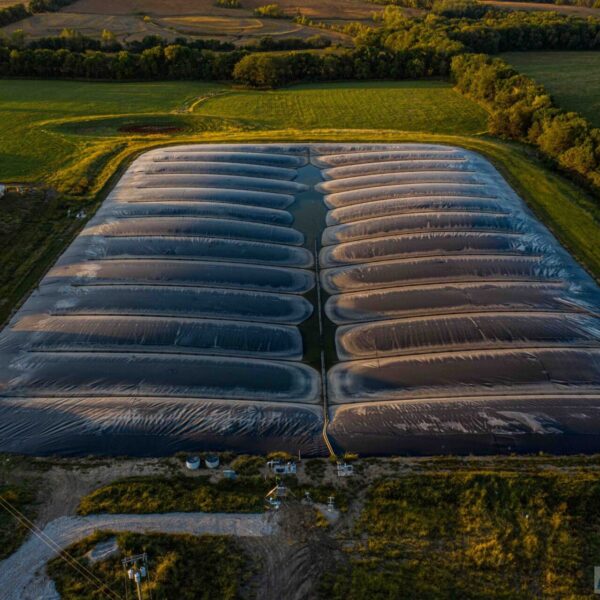
“Plastic Fusion was hired to test, repair, and replace existing pond liners on a restart project. The scope of work included installing a new insulated HDPE cover on the existing AD lagoon. Not only was the quality of the crew’s work exceptional, PFF was given the “A Team” award for outstanding work ethic.”
Ron Davies, Project Manager
Platte River Biogas, LLC
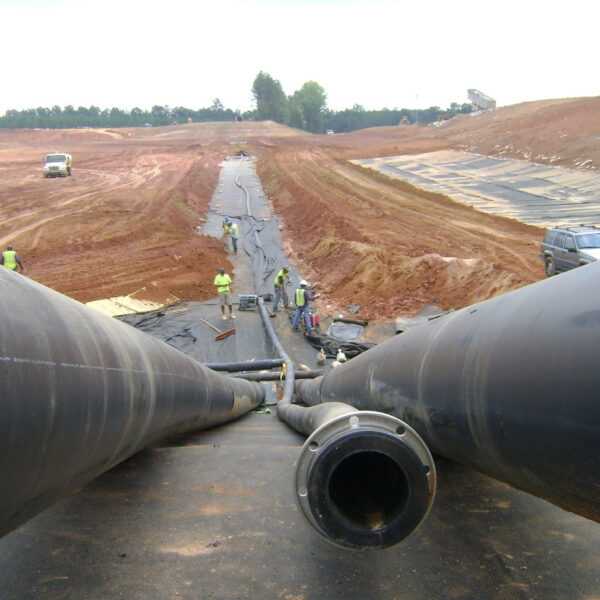
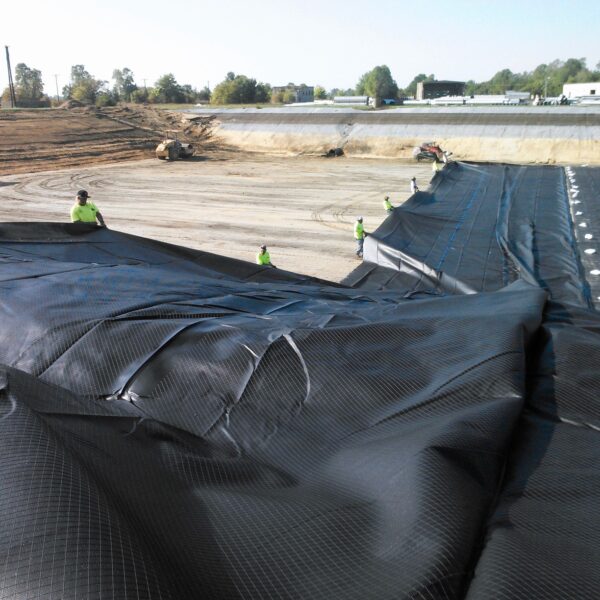
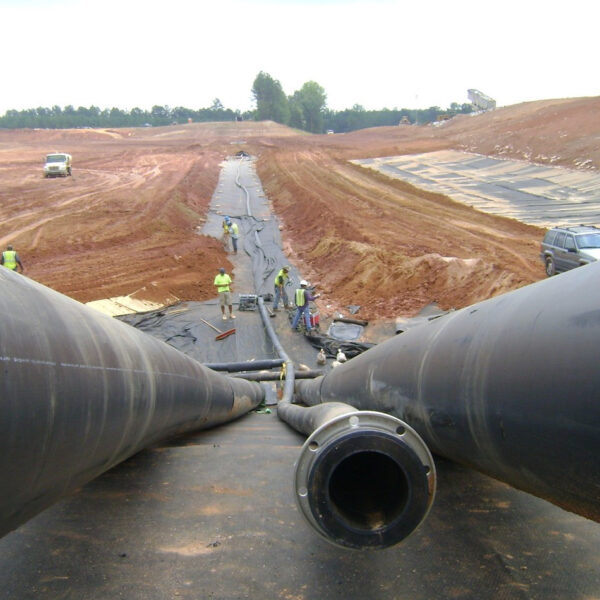
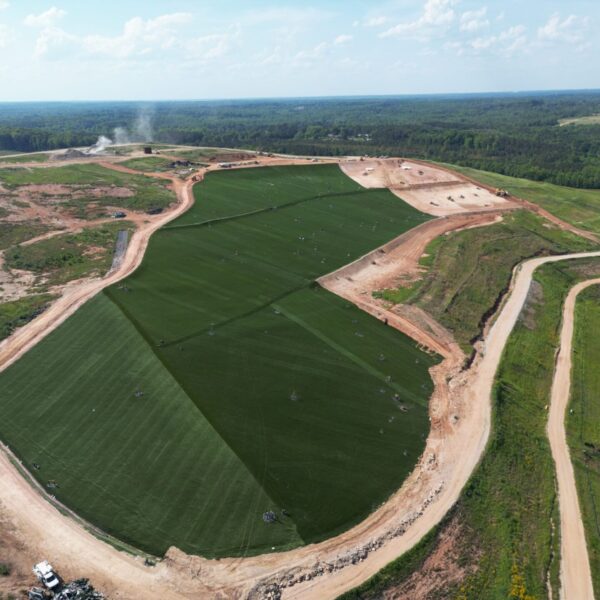
Plastic Fusion Fabricators is a leading installer of leachate collection systems for landfills nationwide. A leachate collection system is the engineered network that captures the contaminated liquid filtering through a landfill and conveys it to sumps for removal — protecting groundwater and keeping the site in compliance. We fabricate the HDPE collection piping and install the complete system: the drainage layer, the perforated collection pipe network, and the sumps, all integrated with the landfill liner. With 40+ years fabricating HDPE pipe and installing geosynthetic containment across 24 states, Plastic Fusion builds leachate collection systems that perform for the life of the landfill.
Leachate is the liquid that forms as water filters down through waste — and it’s corrosive and acidic, which is why a leachate collection system has to be built from materials that resist chemical degradation. That’s why the collection pipe is high-density polyethylene (HDPE): it resists the chemistry, it handles the loads of an operating landfill, and its fusion-welded joints don’t leak. The collection system works in tandem with the impermeable liner beneath it — the liner forces leachate to move horizontally, and the collection system captures and removes it before it can build up against the barrier.
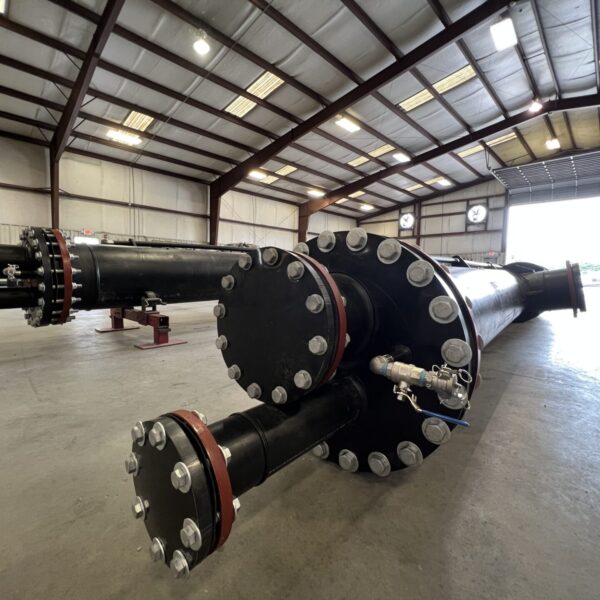
What separates Plastic Fusion is that we fabricate the HDPE collection pipe and install the full system. Many providers supply the pumps; we build the collection infrastructure — the perforated HDPE pipe network that does the actual collecting, fused into a continuous, leak-free system and tied into the sumps and the liner.
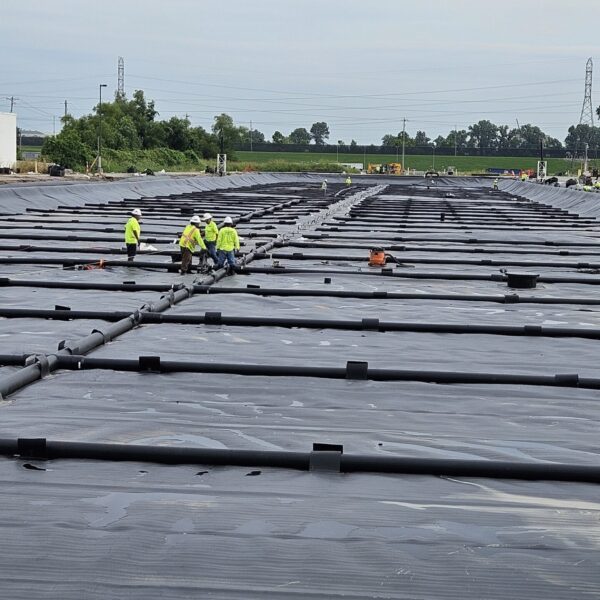
Leachate is aggressive — corrosive, acidic, and laden with dissolved contaminants. The collection pipe lives in that environment for decades. HDPE is the material of choice because it resists the chemical degradation that would attack lesser materials, and because HDPE pipe is fusion-welded into a continuous monolithic system with no glued or gasketed joints to leak or pull apart. We fabricate the perforated collection pipe to the system’s design — perforation pattern, diameter, and slope — and fuse it into a network engineered for free leachate flow and long-term integrity.
A leachate collection system is more than a pump. The collection happens in the pipe network and drainage layer — the part that has to be designed, fabricated, and installed correctly to keep leachate flowing to the sumps without clogging or compromising the liner. Plastic Fusion builds that infrastructure: the HDPE pipe, the connections, the sump tie-ins, and the integration with the liner system. We coordinate with the pump and treatment providers downstream, but the collection system itself — the part that determines whether leachate actually gets removed — is what we fabricate and install.
Plastic Fusion installs leachate collection systems for municipal solid waste authorities, private waste management companies, industrial landfill operators, utilities managing CCR landfills, and the environmental engineering firms designing landfill containment. We work under EPA and RCRA Subtitle D and state solid waste regulations, and coordinate directly with design engineers and CQA consultants.
A leachate collection system is an engineered network that captures the contaminated liquid (leachate) filtering through a landfill and conveys it to sumps for extraction and treatment. Its purpose is to protect groundwater by removing leachate before it can build up against or escape through the liner. The core components are a permeable drainage layer above the liner, a network of perforated HDPE collection pipes sloped to carry leachate to low points, and sumps with pumps that extract the accumulated liquid for removal to treatment.
Leachate is corrosive and acidic, so the collection pipe has to resist chemical degradation over decades of exposure. HDPE (high-density polyethylene) provides that chemical resistance, and it’s fusion-welded into a continuous system with no glued or gasketed joints that could leak or separate. Perforated HDPE pipe is the standard for leachate collection because it survives the chemistry, handles the structural loads within the waste mass, and forms a monolithic, leak-free network.
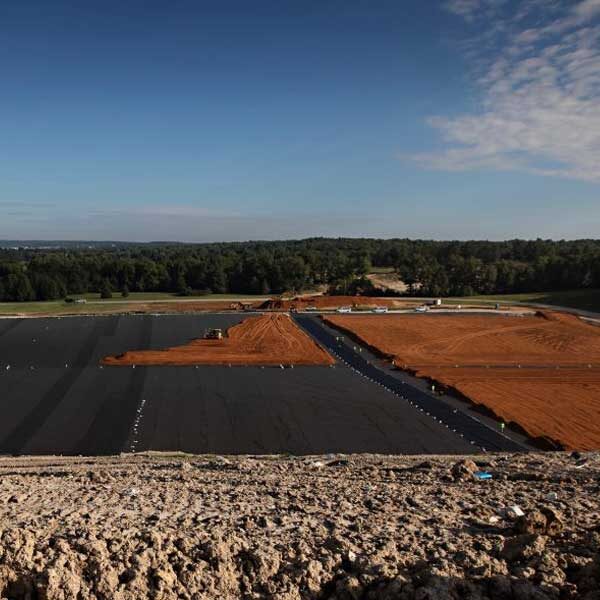
Leachate forms as water percolates down through the waste. The impermeable liner at the base of the landfill blocks the liquid from escaping and forces it to move horizontally. A permeable drainage layer above the liner lets the leachate flow freely to a network of perforated collection pipes, which are sloped to carry it to low-point sumps. Pumps in the sumps then extract the leachate and send it to onsite storage or offsite treatment. The system keeps leachate from accumulating against the liner, which is essential to long-term liner performance and groundwater protection.
Leachate collection and removal systems (LCRS) are required under EPA’s RCRA Subtitle D for municipal solid waste landfills, with additional requirements under Subtitle C for hazardous waste and the CCR Rule for coal combustion residuals. State solid waste regulations add their own design and performance requirements. The system must be designed to keep leachate depth on the liner below regulatory limits, and Plastic Fusion builds collection systems engineered to meet those requirements with documented installation QA/QC.
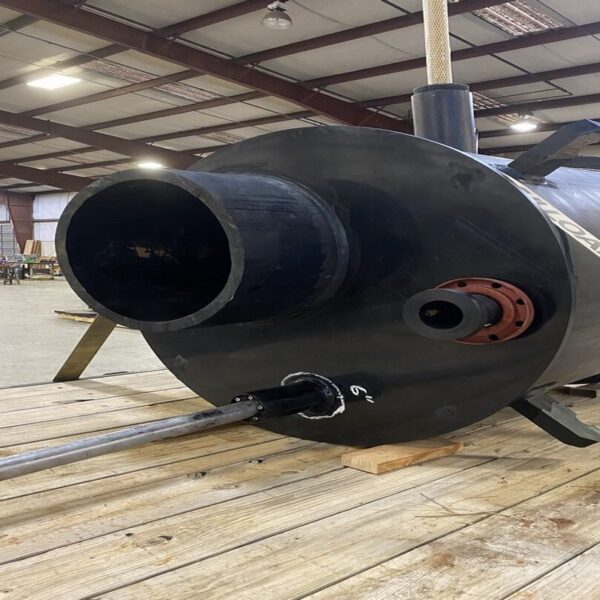
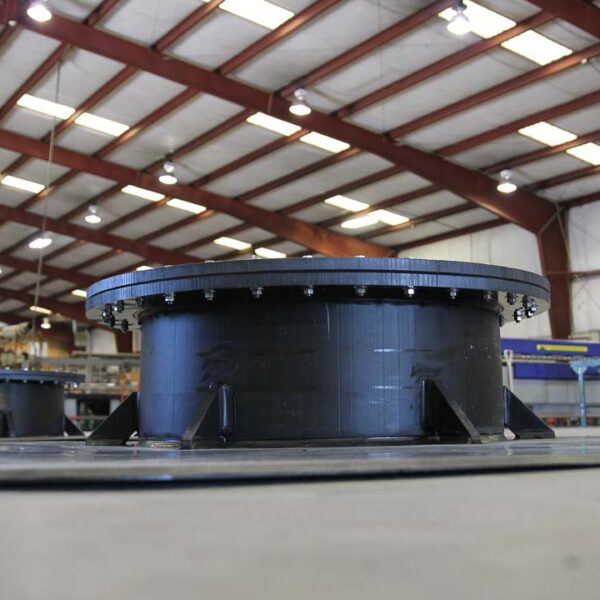
Plastic Fusion fabricates and installs the leachate collection infrastructure — the drainage layer, perforated HDPE collection pipe, and sump tie-ins — and builds the HDPE sump and pump station structures. The pumps and downstream treatment are typically provided by pump and treatment specialists; we coordinate with them and build the collection and structural infrastructure that ties the whole system together.
Whether you’re building a new landfill cell, expanding an existing one, or upgrading aging leachate infrastructure, Plastic Fusion fabricates the HDPE collection pipe and installs the complete leachate collection system — engineered to keep leachate moving and your site in compliance. Contact us with your project details for a quote.