
Concrete Protective Liner Installer

CONTACT FOR CONCRETE PROTECTIVE LINER REVIEW


Unmatched Performance
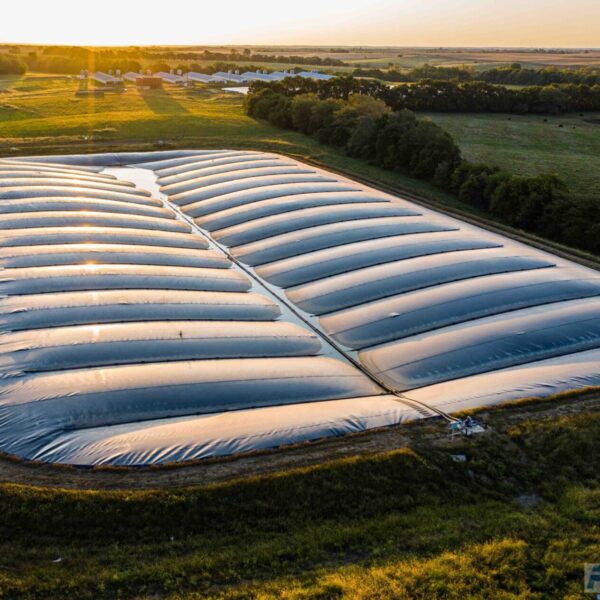
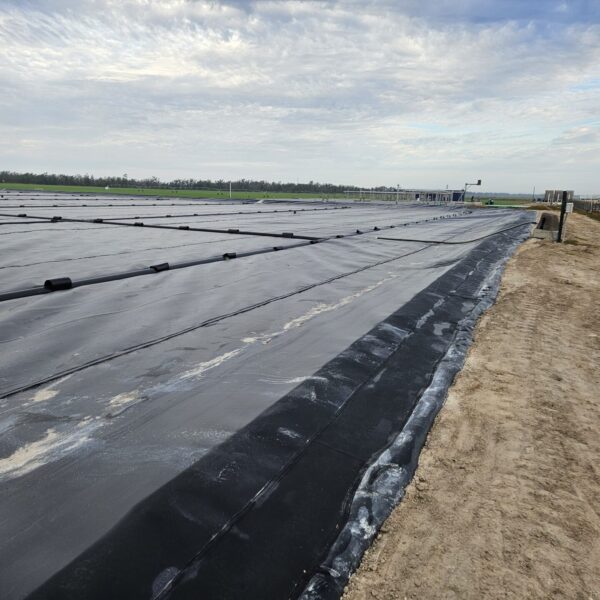
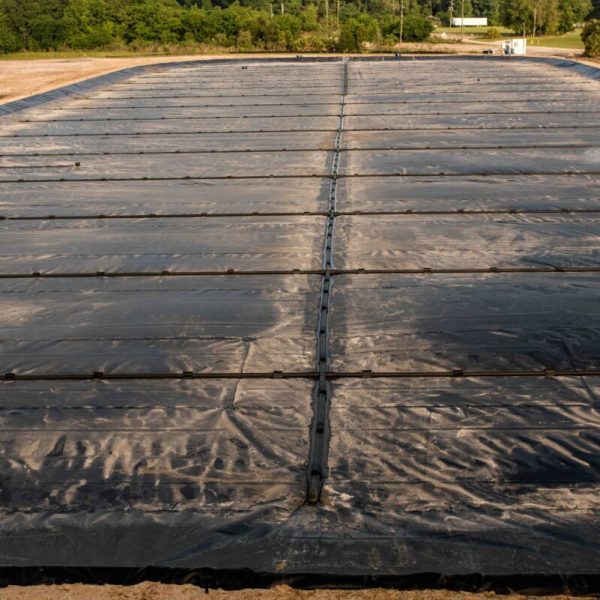
“Plastic Fusion was hired to test, repair, and replace existing pond liners on a restart project. The scope of work included installing a new insulated HDPE cover on the existing AD lagoon. Not only was the quality of the crew’s work exceptional, PFF was given the “A Team” award for outstanding work ethic.”
Ron Davies, Project Manager
Platte River Biogas, LLC
wHAT WE DO
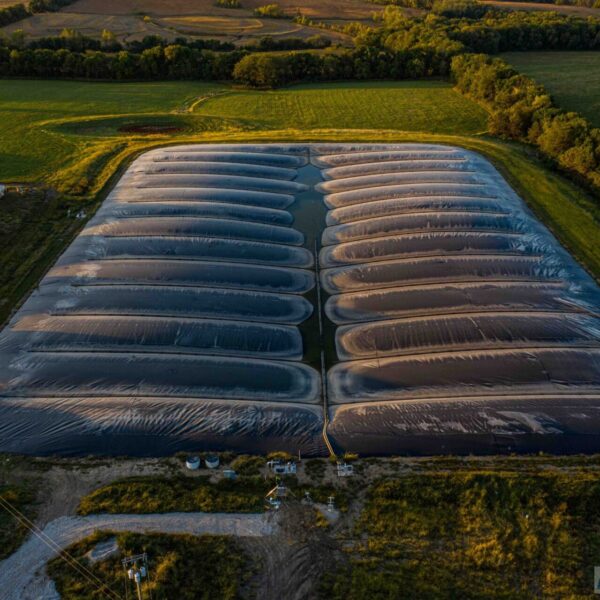
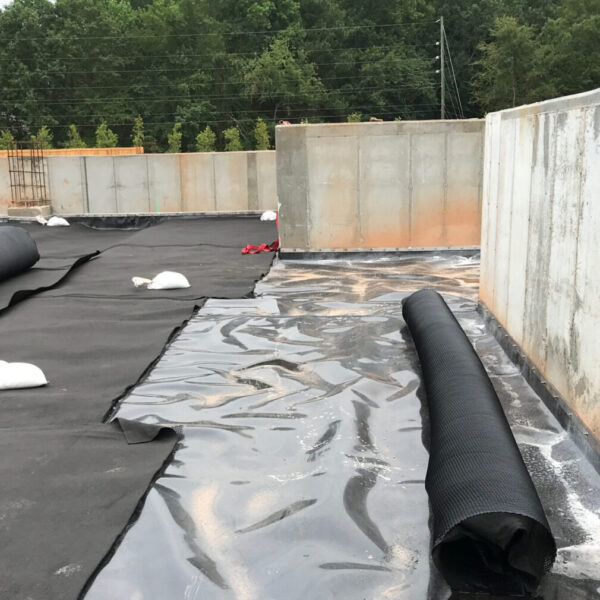
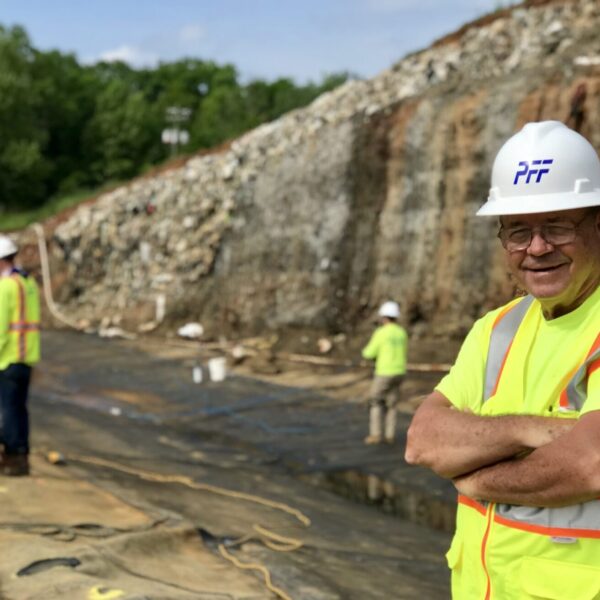
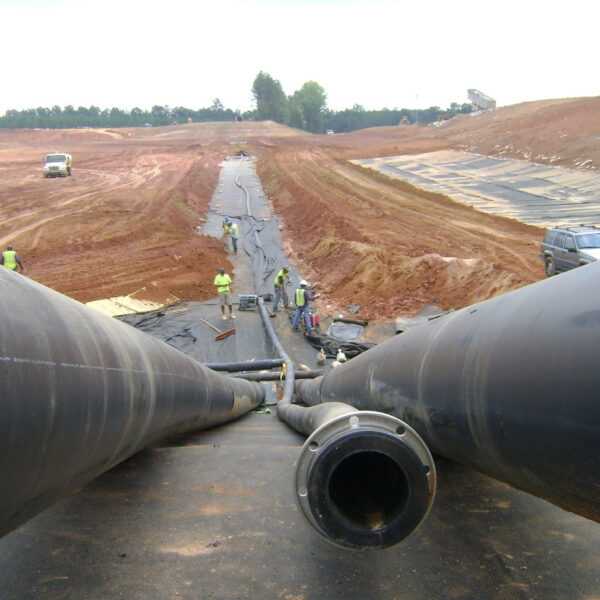
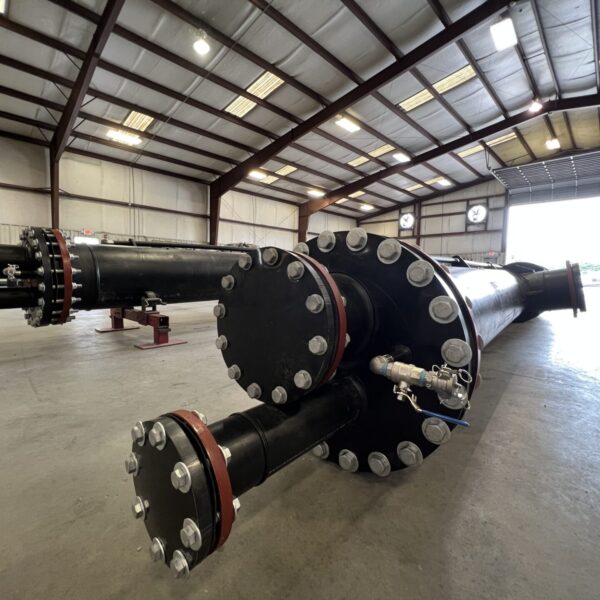
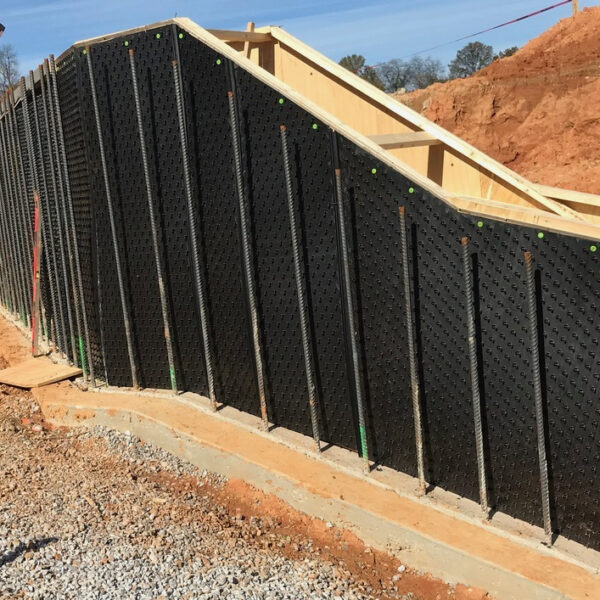
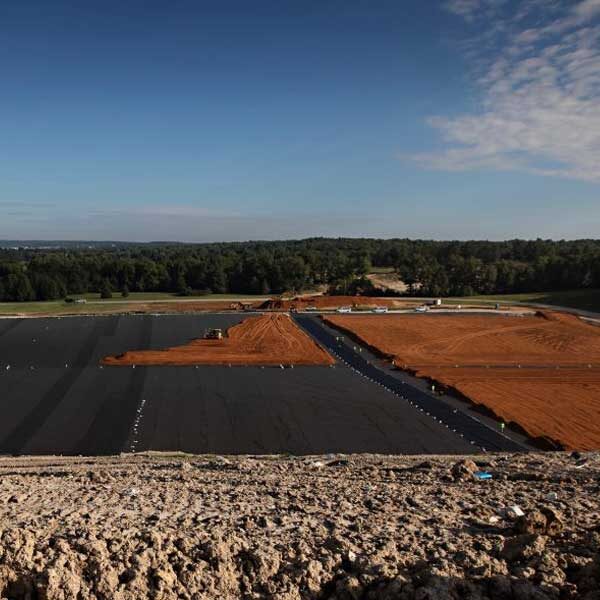
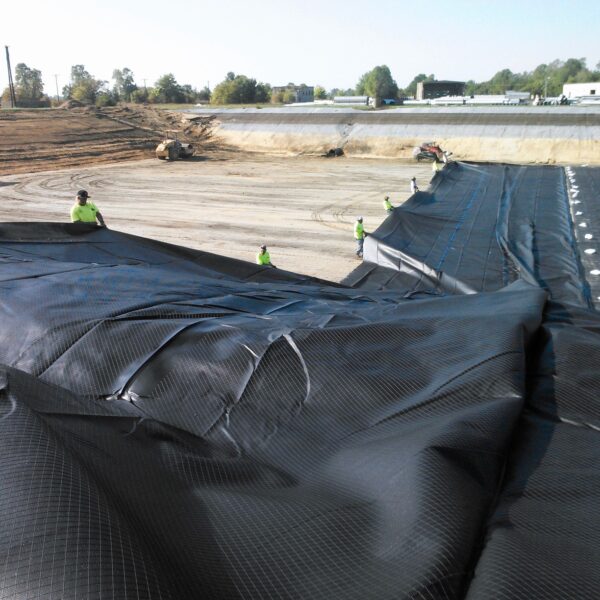
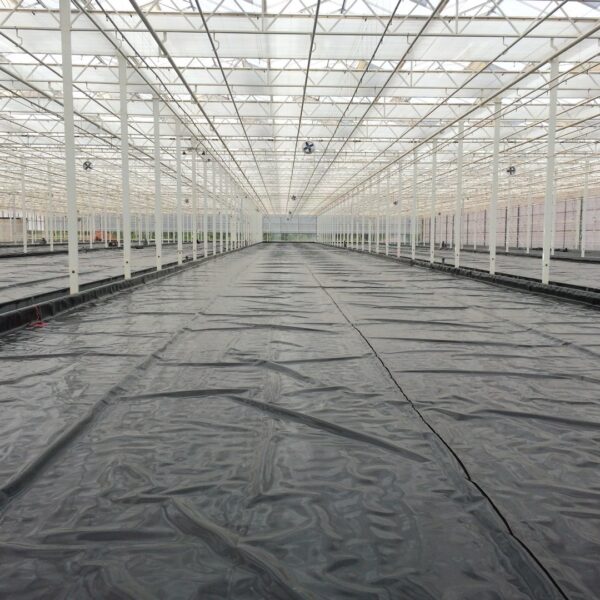
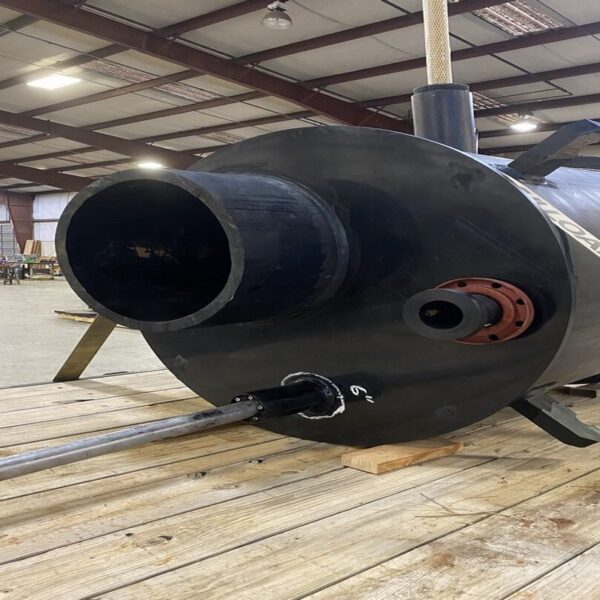
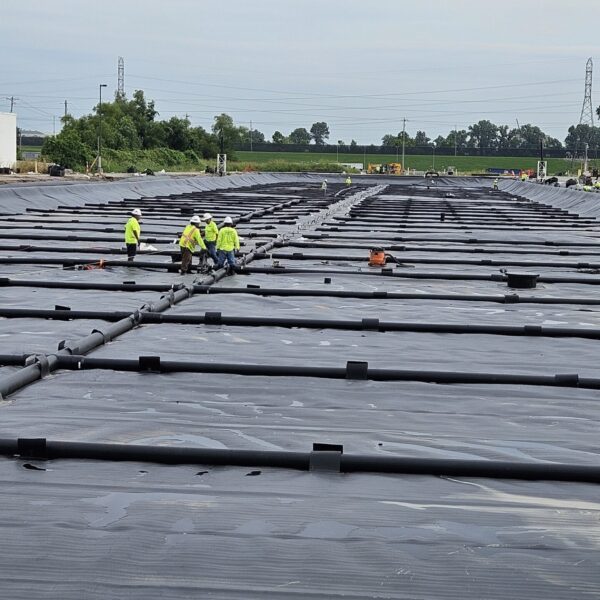
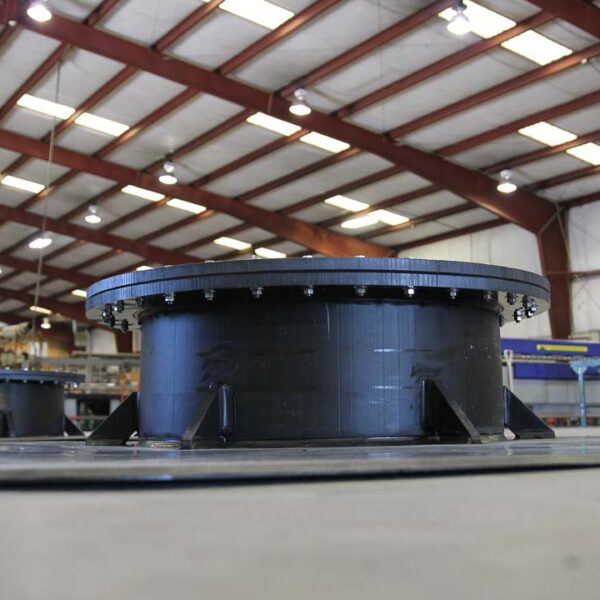
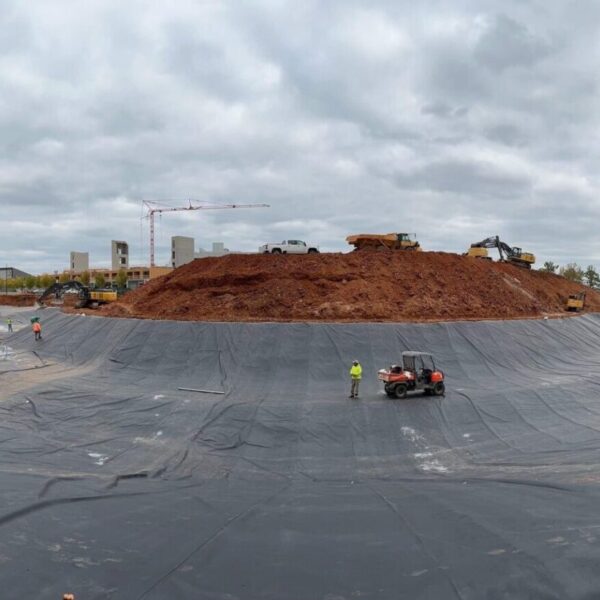
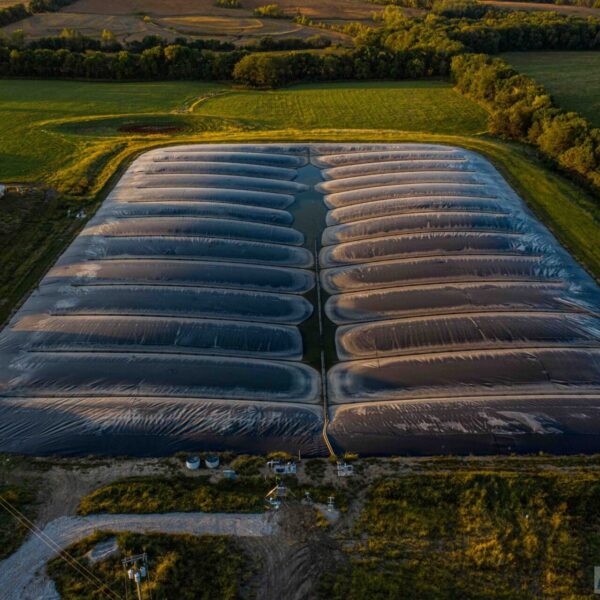
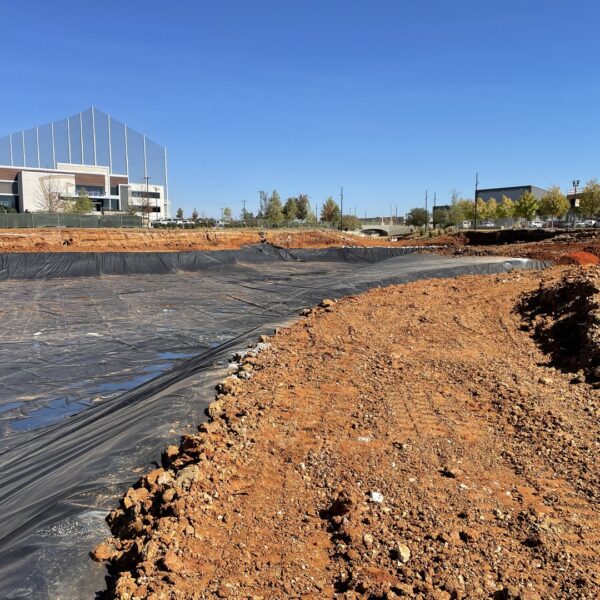
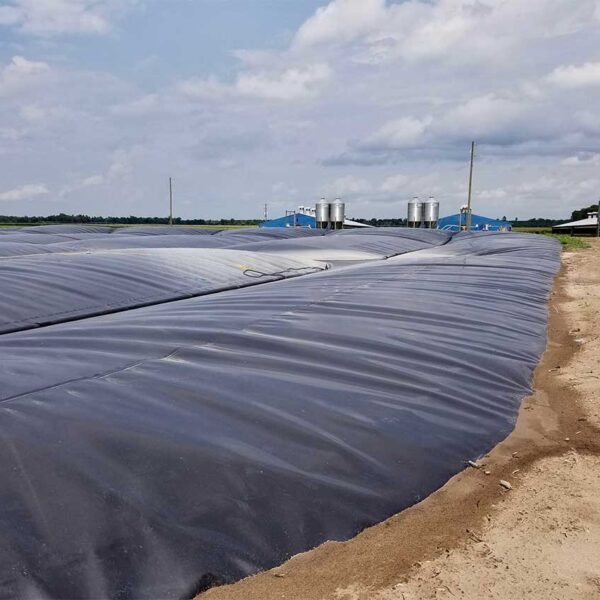
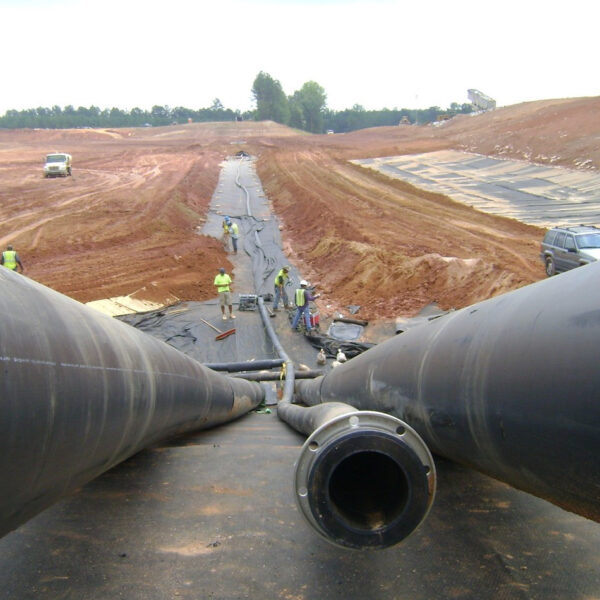
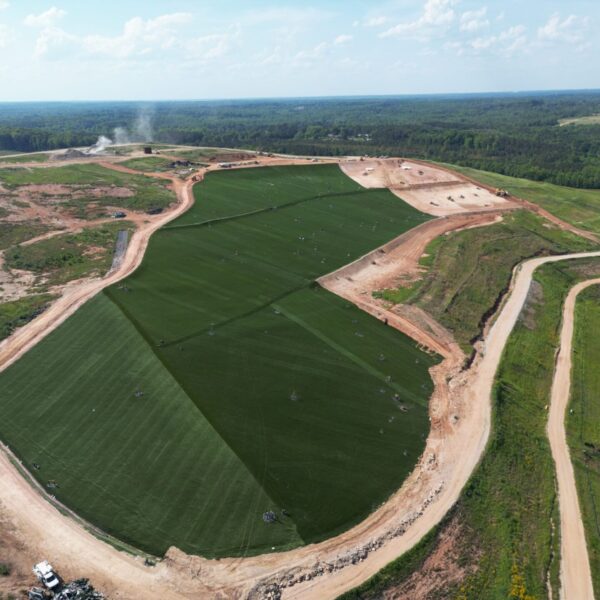
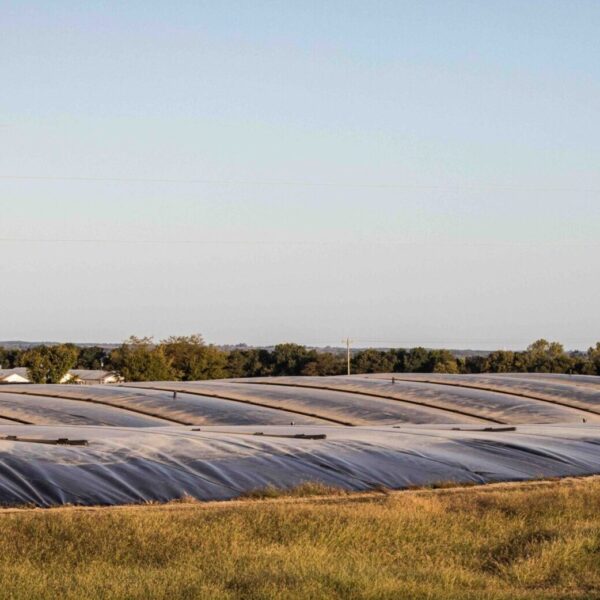
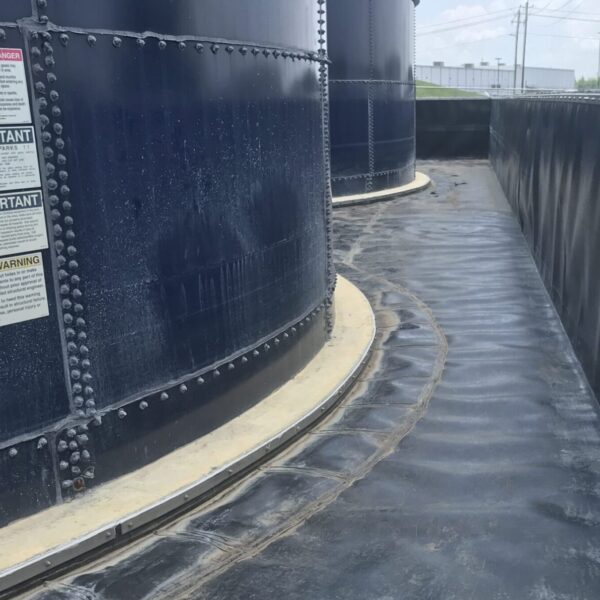
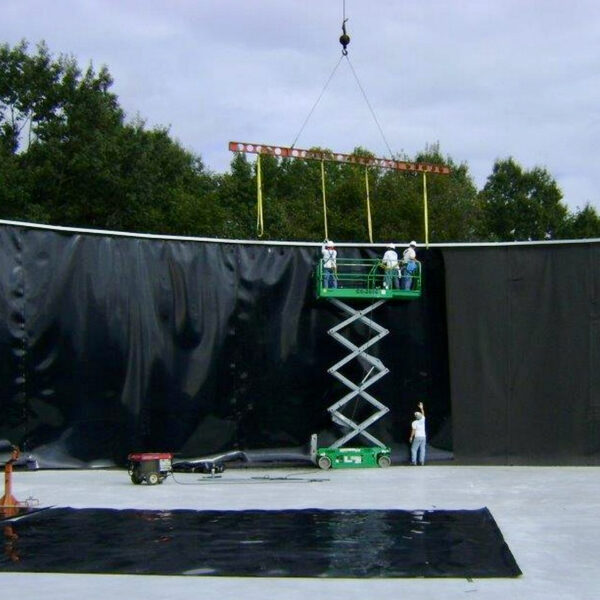
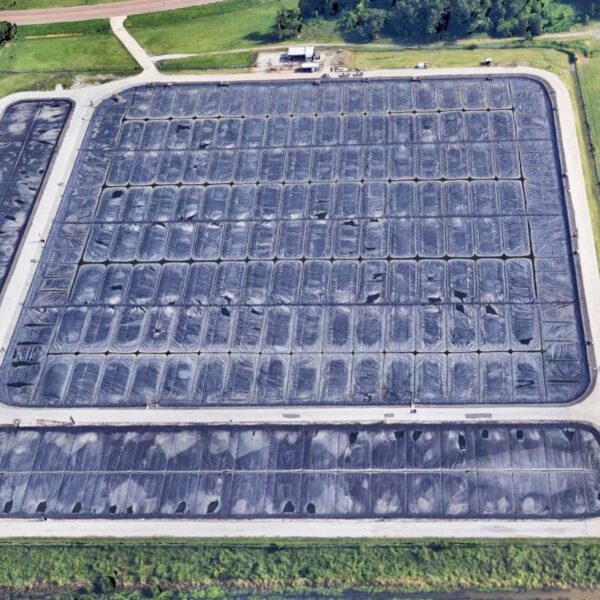
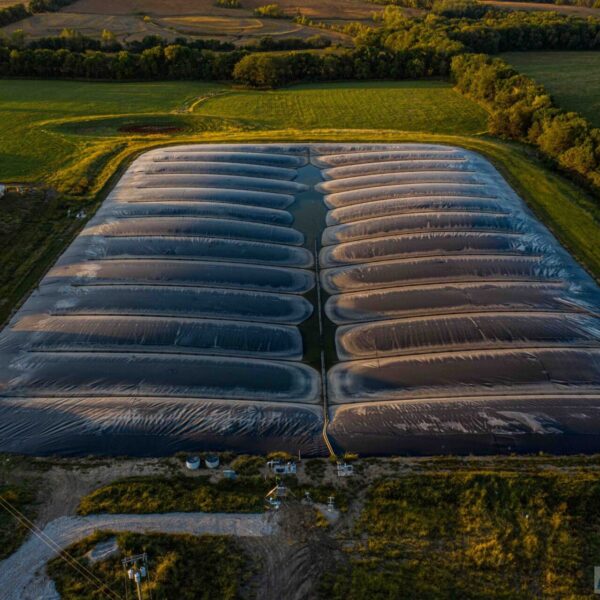
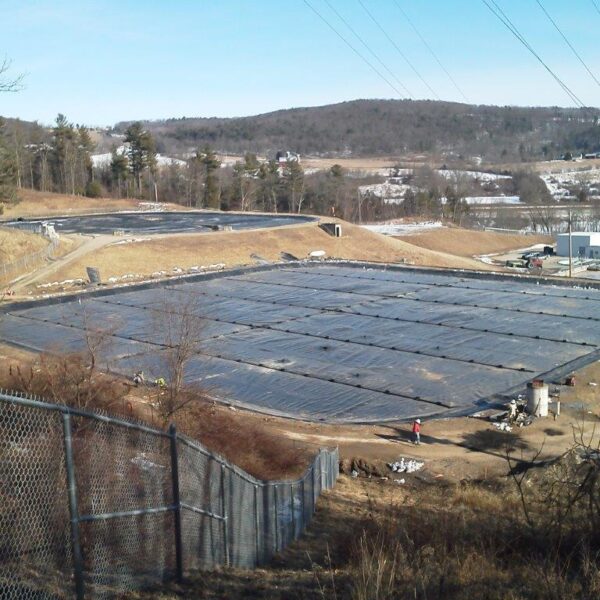
Our Concrete Protective Liners
Concrete Protective Liner Installer
CONTACT FOR CONCRETE PROTECTIVE LINER REVIEW
Concrete Protective Liner Installation
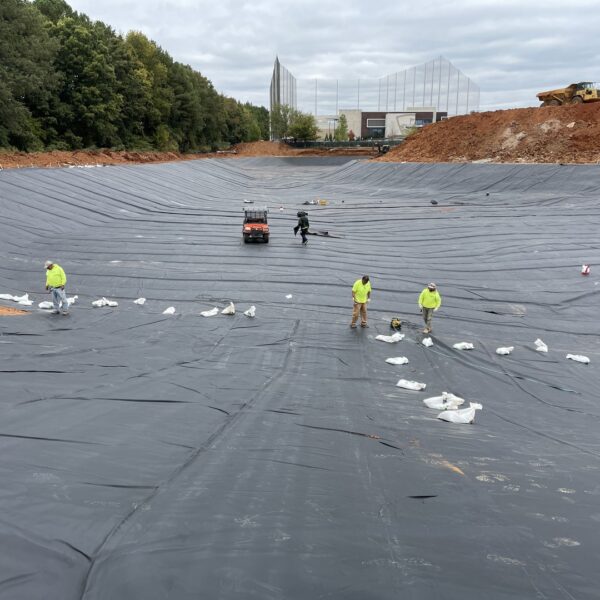
Plastic Fusion Fabricators installs concrete protective liner systems for wastewater treatment structures, industrial tanks, pump stations, digesters, clarifiers, trenches, and secondary containment facilities. We mechanically anchor thermoplastic liner systems — HDPE, polypropylene, PVDF, and AGRU Sure Grip — directly into concrete substrates to create a corrosion-resistant, leak-tight barrier that outlasts coatings, epoxies, and unprotected concrete by decades.
Concrete infrastructure in wastewater and chemical processing environments faces relentless attack. Hydrogen sulfide (H₂S) in sewer systems produces biogenic sulfuric acid that dissolves concrete from the inside out. Acids, caustics, and process chemicals permeate unprotected surfaces. Freeze-thaw cycling and hydraulic pressure create cracks that accelerate infiltration and structural degradation. Protective liner systems solve these problems by mechanically isolating the concrete from the corrosive environment — not just coating the surface, but creating an independent, anchored, fully welded barrier that bridges cracks, resists delamination, and remains testable throughout its service life.
PFF has been installing concrete protective liners since 1989 and is one of the most experienced CPL installation contractors in North America. Our certified thermoplastic welders handle everything from digester dome linings and pump station wet wells to chemical trench systems and secondary containment structures — with full QA/QC documentation including spark testing, vacuum box testing, and seam integrity verification.
Applications
- Wastewater treatment plant structures — clarifiers, aeration basins, headworks, grit chambers
- Anaerobic and aerobic digester domes, walls, and floors
- Pump station wet wells and force main vaults
- Chemical storage and processing tanks
- Trench and sump lining for chemical conveyance
- Secondary containment floors and walls
- Clarifier walls and weir structures
- Influent and effluent channels
- Industrial floor slabs exposed to chemical spill and wash-down
- Concrete tank lining for potable water, fire suppression, and process water storage
- Cooling tower basins
- Power plant flue gas desulfurization (FGD) structures
Liner Systems We Install
AGRU Sure Grip / Ultra Grip CPL — HDPE concrete protective liners with factory-welded anchoring studs that embed directly in fresh concrete during the pour. The mechanical bond eliminates delamination risk and allows the liner to bridge concrete cracks without losing containment integrity. PFF is an experienced installer of AGRU Sure Grip systems for new construction applications.
HDPE and polypropylene drop-in liners — Fabricated to match existing structure dimensions, mechanically anchored with stud systems or batten strips, and field-welded for complete containment. Used in retrofit and rehabilitation applications where the concrete is already in place.
PVDF (Kynar) and specialty polymer liners — For extreme chemical environments where standard HDPE or PP doesn’t provide sufficient resistance. Pharmaceutical, semiconductor, and aggressive chemical processing applications.
Vapor barrier systems — Subslab and below-grade protective liners for moisture and chemical vapor intrusion prevention.
Why Engineers and Owners Specify Plastic Fusion for CPL
- Installing concrete protective liners since 1989 — one of the most experienced CPL contractors in North America
- Certified thermoplastic welders trained in HDPE, PP, PVDF, PVC, and specialty polymers
- Experienced with AGRU Sure Grip, Ultra Grip, and mechanically anchored CPL systems
- In-house HDPE fabrication shop for custom liners, penetration details, and transitions
- Full QA/QC documentation — spark testing, vacuum box testing, destructive seam testing, as-built records
- Work in confined spaces, active treatment plants, and occupied industrial facilities
- Nationwide mobilization with crews experienced in wastewater, chemical, and industrial environments
- Direct coordination with structural engineers, process engineers, and plant operators
- Ongoing repair and maintenance services for existing protective liner systems
Industries Served
Plastic Fusion installs concrete protective liner systems for municipal wastewater utilities, industrial wastewater treatment operators, chemical manufacturers and processors, pharmaceutical facilities, power generation plants, food and beverage processors, petroleum refineries, pulp and paper mills, and mining and mineral processing operations. We work under EPA, OSHA confined space, and state-specific wastewater and containment regulations.
Concrete Protective Liner FAQs
What is a concrete protective liner?
A concrete protective liner (CPL) is a thermoplastic barrier — typically HDPE, polypropylene, or PVDF — mechanically anchored to a concrete structure to protect it from chemical attack, corrosion, abrasion, and permeation. Unlike coatings and epoxies that bond to the concrete surface and degrade as the substrate deteriorates, a CPL is an independent, fully welded membrane system anchored with mechanical studs or batten strips. This means it bridges concrete cracks without losing containment, resists delamination under hydraulic pressure, and can be spark-tested and vacuum-tested to verify integrity — capabilities that coatings and spray-on systems cannot match.
What is the difference between a concrete protective liner and a coating?
Coatings (epoxy, polyurea, polyurethane) bond directly to the concrete surface. When the concrete cracks, spalls, or degrades, the coating fails with it. Recoating requires surface preparation and reapplication — typically every 5–10 years in aggressive environments. A concrete protective liner is mechanically anchored and physically independent from the concrete surface. It bridges cracks, resists delamination, tolerates substrate movement, and lasts 20–50+ years without reapplication. CPLs are also field-testable — spark testing, vacuum box testing, and seam testing verify barrier integrity in a way that no coating system allows.
What is AGRU Sure Grip?
AGRU Sure Grip is an HDPE concrete protective liner system with factory-welded anchoring studs on the concrete-facing side. During new construction, the liner panels are placed against the formwork before the concrete pour, and the studs embed directly into the fresh concrete — creating a permanent mechanical bond. This system eliminates post-pour anchoring work, prevents void spaces between the liner and concrete, and allows the liner to bridge cracks that develop as the concrete cures and settles. Plastic Fusion is an experienced installer of AGRU Sure Grip and Ultra Grip systems.
Where are concrete protective liners used?
CPLs are specified wherever concrete infrastructure is exposed to corrosive chemicals, wastewater, or aggressive process fluids. The most common applications are wastewater treatment plant structures (clarifiers, digesters, headworks, pump stations, channels), chemical processing tanks and containment areas, trench and sump systems for chemical conveyance, secondary containment floors and walls, and industrial structures exposed to acids, caustics, H₂S, or chlorides. Any concrete structure that is deteriorating due to chemical attack or where containment integrity is critical is a candidate for protective liner installation.
How long do concrete protective liners last?
Properly installed HDPE and polypropylene concrete protective liners typically deliver 30–50+ years of service life in wastewater and chemical environments — far exceeding the 5–10 year lifecycle of coating systems. The primary factors affecting longevity are chemical exposure intensity, temperature cycling, UV exposure (for above-grade installations), and the quality of the original seam welding and mechanical anchoring. PFF’s QA/QC protocols — including spark testing on 100% of liner surface and destructive testing on weld seams — are designed to maximize installed service life.
Can concrete protective liners be installed on existing structures?
Yes. While AGRU Sure Grip CPL systems are designed for new construction (embedded during the concrete pour), drop-in HDPE and polypropylene liners can be fabricated to match existing structure dimensions and mechanically anchored using stud or batten strip systems. This makes CPL a viable retrofit solution for deteriorated clarifiers, pump stations, tanks, and containment structures — often at a fraction of the cost of full concrete replacement. PFF installs CPL retrofit systems in active treatment plants and occupied industrial facilities, coordinating with plant operators to minimize downtime.
Request a Quote
If you’re specifying or bidding a concrete protective liner project — new construction or retrofit — Plastic Fusion has the crew experience, material expertise, and installation discipline to deliver a liner system built for decades of service. Contact us for project-specific pricing, material recommendations, and mobilization timelines.