
Secondary Containment Repair

CONTACT FOR SECONDARY CONTAINMENT REPAIR


Unmatched Performance
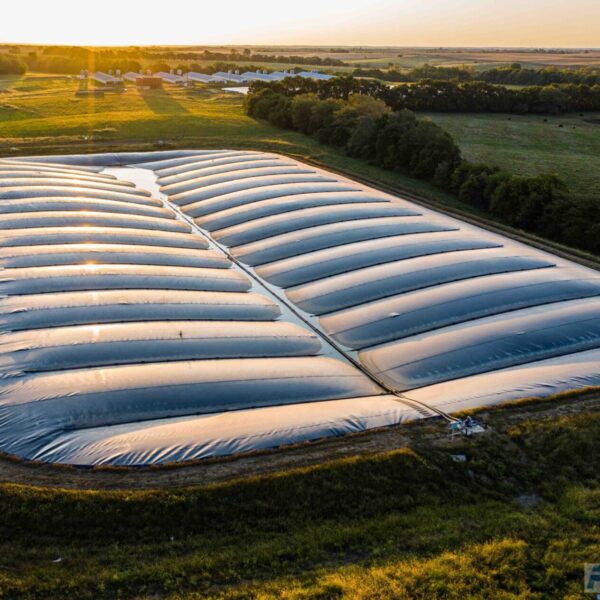
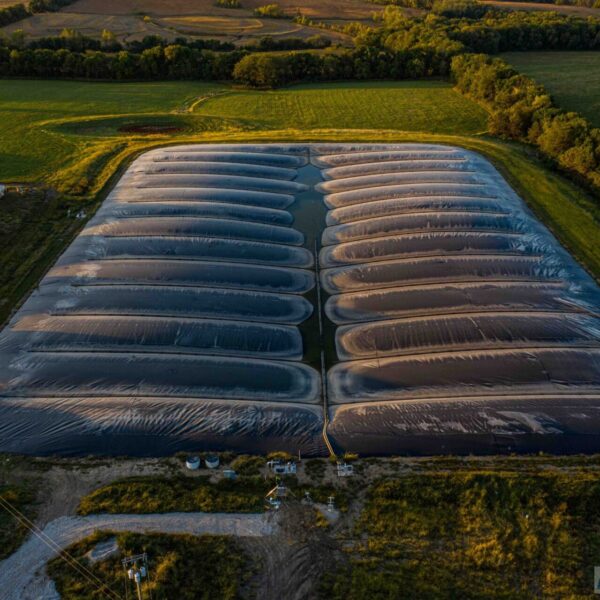
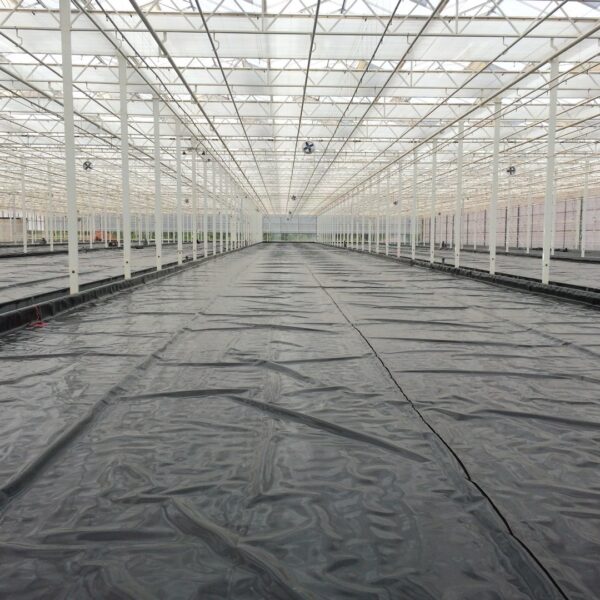
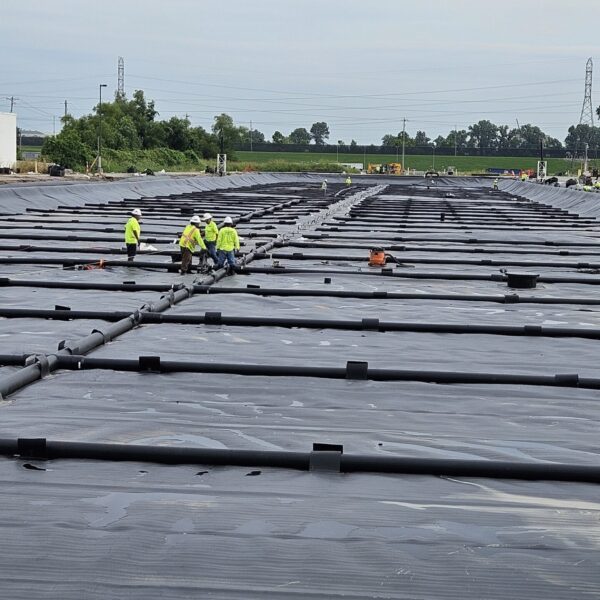
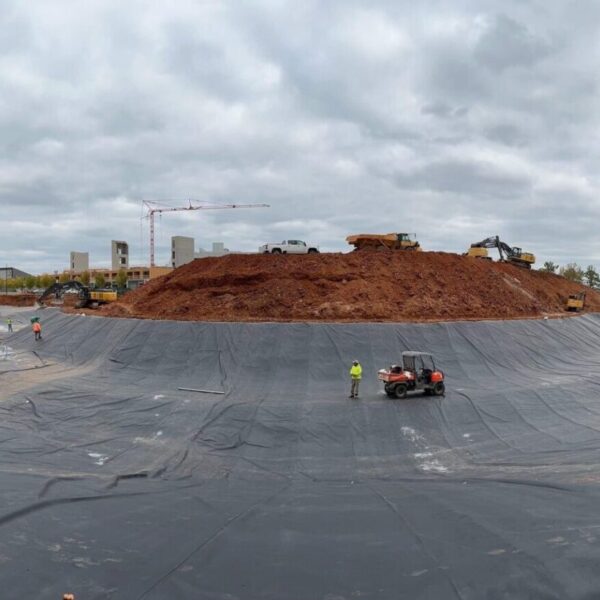
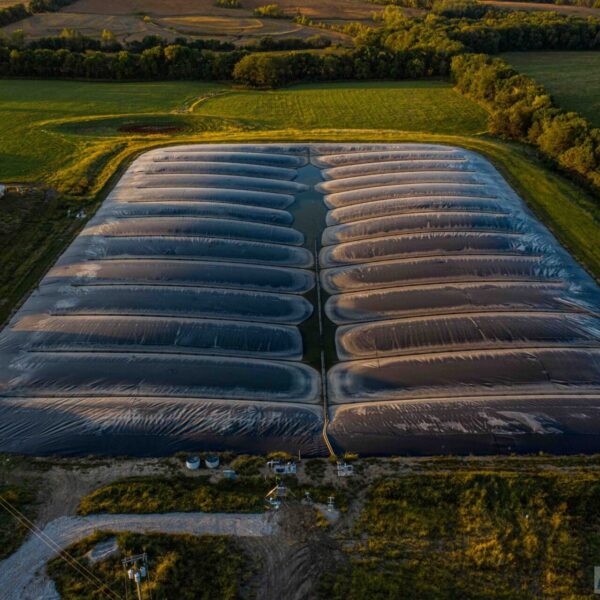
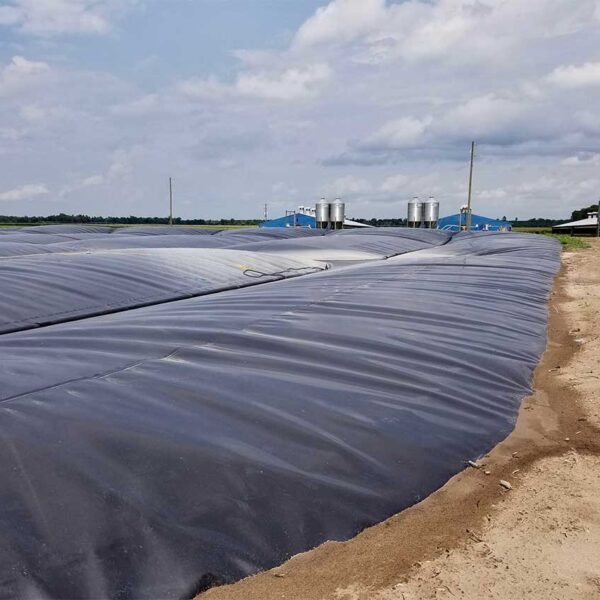
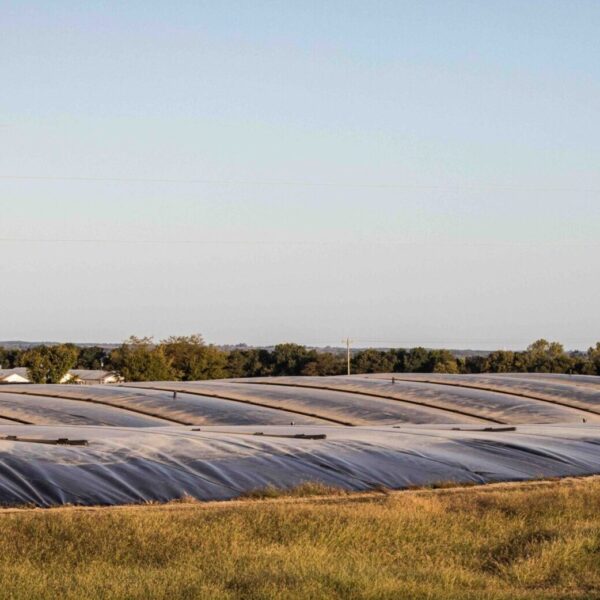
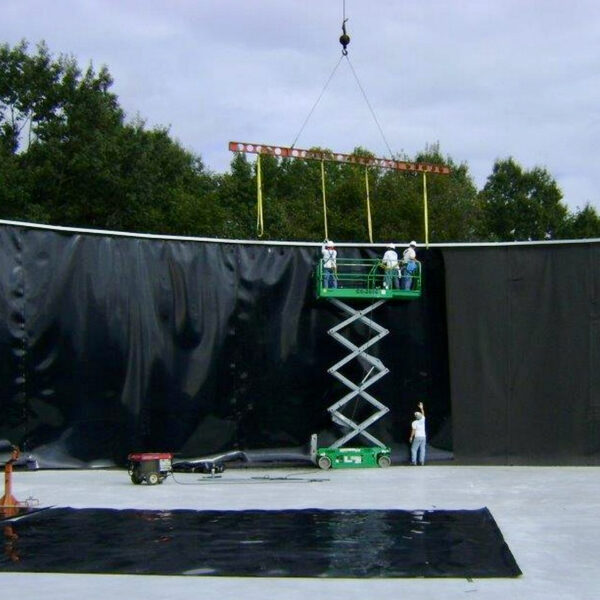
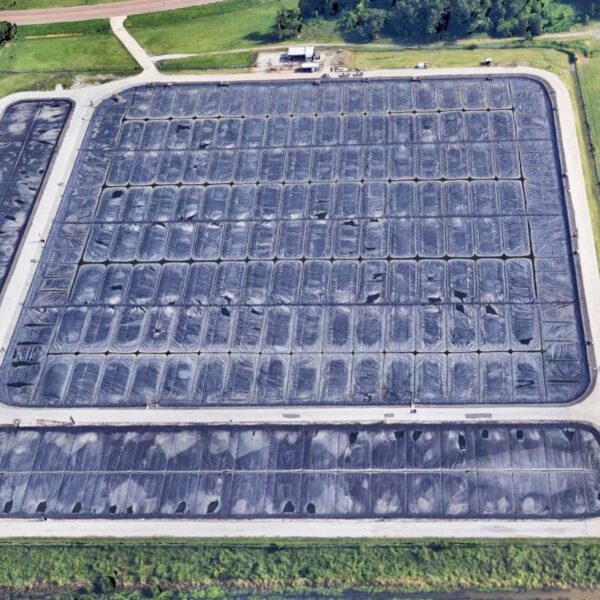
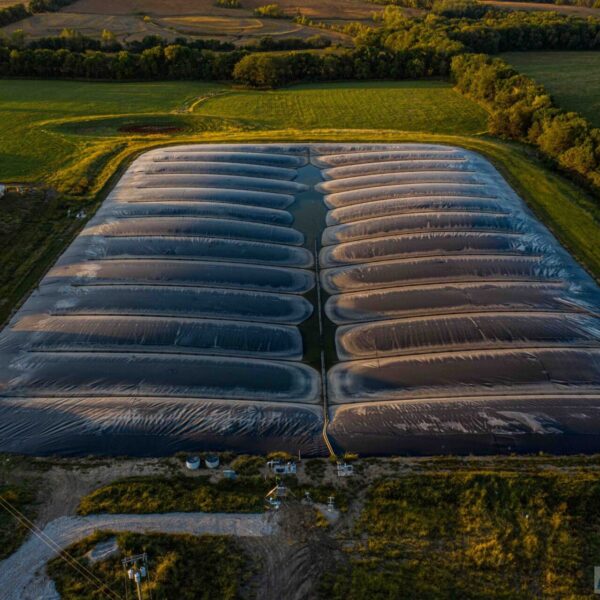
“Plastic Fusion was hired to test, repair, and replace existing pond liners on a restart project. The scope of work included installing a new insulated HDPE cover on the existing AD lagoon. Not only was the quality of the crew’s work exceptional, PFF was given the “A Team” award for outstanding work ethic.”
Ron Davies, Project Manager
Platte River Biogas, LLC
wHAT WE DO
Secondary Containment Repair
CONTACT FOR SECONDARY CONTAINMENT REPAIR
Secondary Containment Repair
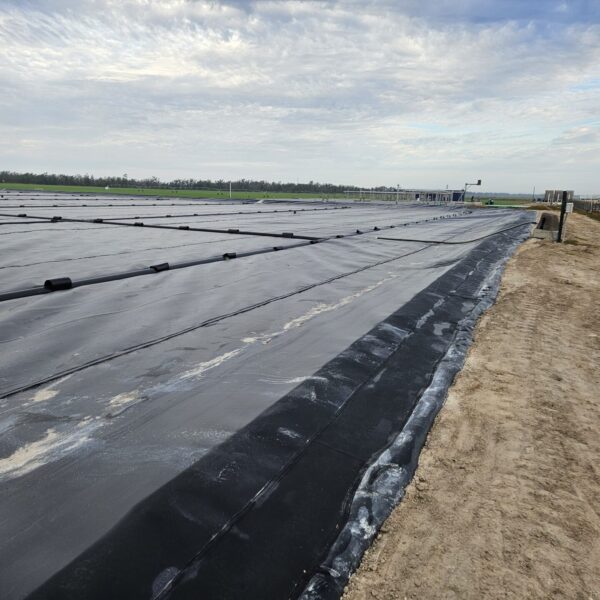
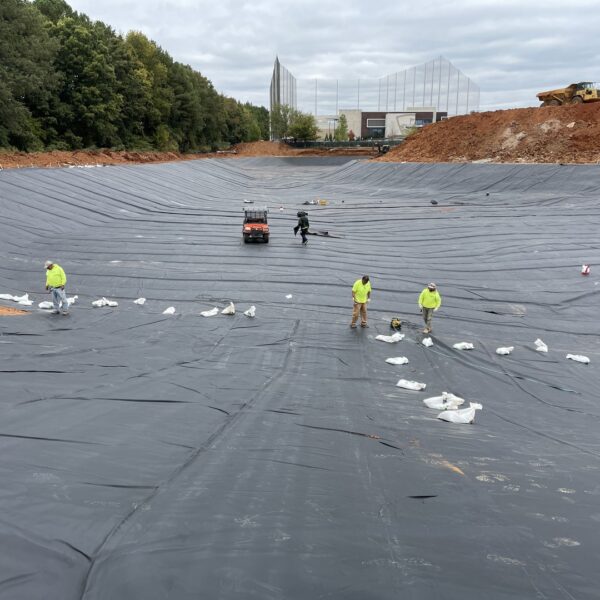
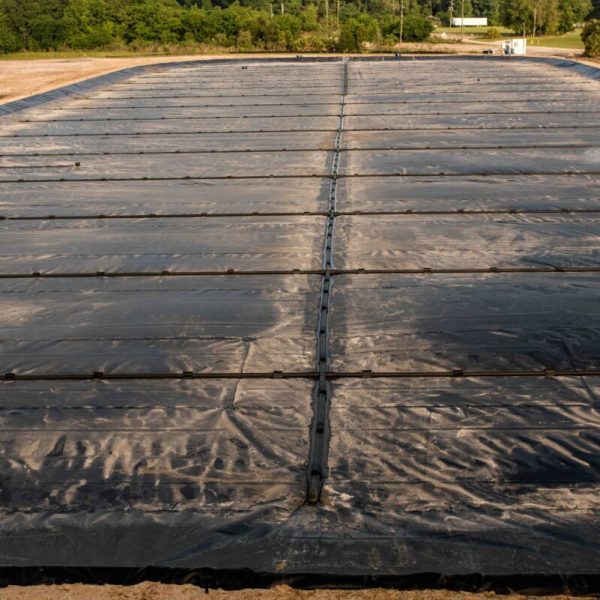
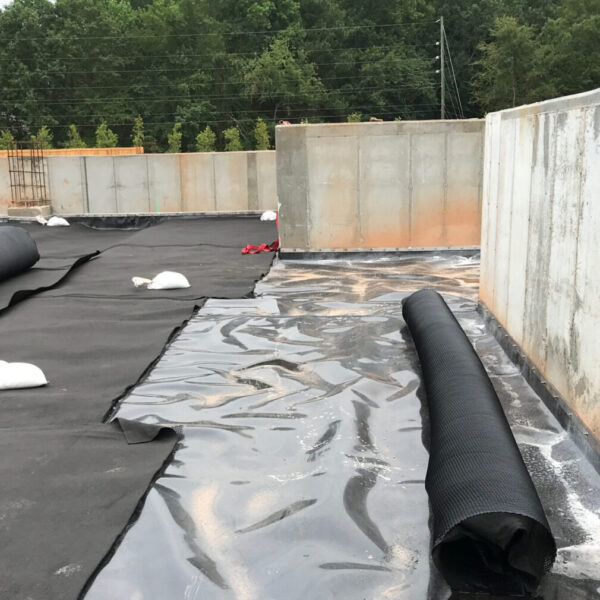
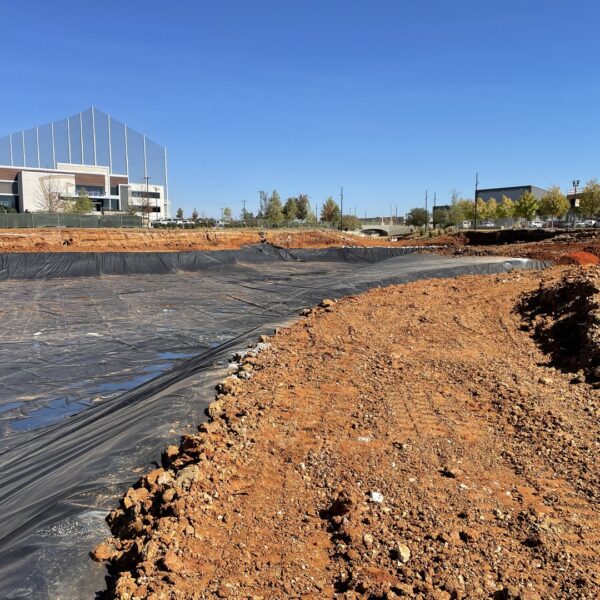
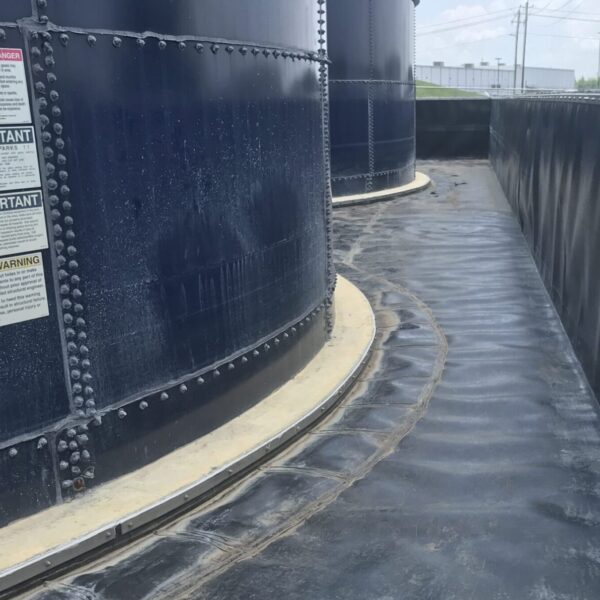
Plastic Fusion Fabricators provides secondary containment repair services for lined berms, tank farms, SPCC-regulated facilities, chemical storage areas, and industrial containment systems nationwide. When your liner is punctured, seams have failed, or your containment area needs restoration to pass inspection, we mobilize certified repair crews that fix geomembrane containment systems — not just coat over the damage.
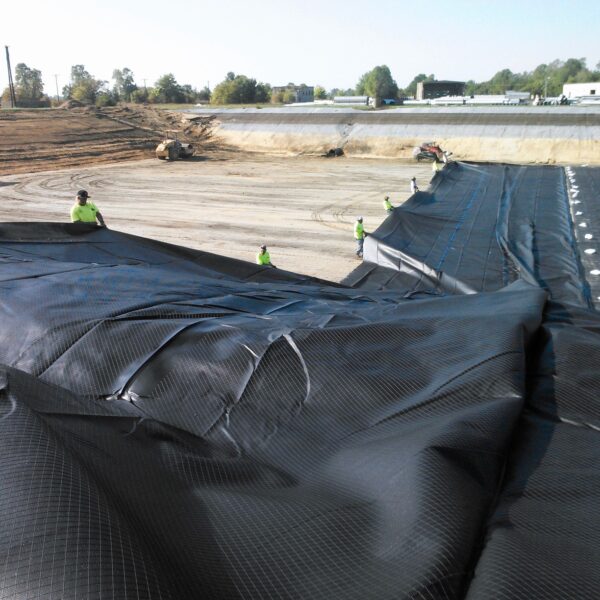
Most secondary containment repair contractors are coating companies. They spray epoxy or polyurea over deteriorated concrete and call it repaired. That works for concrete substrate protection — but it doesn’t address what failed in the lined system: punctured geomembranes, delaminated seams, UV-degraded material, chemical attack on the liner itself, or anchor systems that have pulled free. Plastic Fusion repairs the actual liner. We cut out damaged sections, weld in new HDPE, LLDPE, or reinforced geomembrane panels, re-fuse failed seams, and test every repair to confirm containment integrity before we leave the site. That’s liner repair — not a coating over a problem.
With 40+ years installing and maintaining geomembrane containment systems, we understand how these systems fail and what it takes to restore them to inspection-ready, regulation-compliant condition — fast, documented, and built to hold.
What We Repair
- Secondary containment liners — HDPE, LLDPE, RPP, XR-5, and PVC liner systems for tank farms, fuel storage, and chemical containment areas
- Seam failures — re-fusion welding of delaminated or failed field seams using hot wedge and extrusion methods
- Punctures and tears — patch welding and panel replacement for mechanical damage, UV degradation, and chemical attack
- HDPE liner repair — field-welded patches and full panel replacements on high-density polyethylene containment systems
- Chemical containment repairs — liner restoration in areas exposed to acids, caustics, solvents, and fuels
- Pipe boot and penetration repairs — re-sealing failed connections where piping, conduit, or monitoring equipment passes through the liner
- Anchor trench and termination repairs — restoring perimeter anchoring where liner has pulled free or been compromised
- Geomembrane and geosynthetic liner repairs — any thermoplastic liner system we can weld, we can repair
- Containment liner removal and replacement — full tear-out and re-installation when repair isn’t sufficient
- Underwater and submerged liner repair — specialized techniques for containment systems that cannot be drained
Secondary Containment Maintenance Programs
Containment repair is reactive. Containment maintenance is how you prevent the emergency call. Plastic Fusion offers annual inspection and routine maintenance programs for secondary containment systems — identifying liner degradation, seam stress, UV damage, and anchoring issues before they become failures and compliance violations.
Our maintenance programs include:
- Annual visual and hands-on liner inspections
- Seam integrity testing on suspect areas
- Documentation and condition reporting for SPCC and regulatory files
- Prioritized repair recommendations with cost estimates
- Extended warranty programs tied to active maintenance contracts
- Coordination with facility operators to schedule work during planned outages
Maintenance is cheaper than emergency repair, and documented maintenance history strengthens your position during SPCC inspections and regulatory audits.
Why Facility Operators and Engineers Specify Plastic Fusion
- 40+ years installing and repairing geomembrane containment systems — we built these systems, we know how they fail
- Certified thermoplastic welders who repair liners with fusion welding, not coatings or adhesives
- We repair the liner itself — patches, panel replacements, seam re-fusion — not just a coating over the damage
- Complete QA/QC on every repair — destructive and non-destructive testing documented for regulatory files
- SPCC-compliant repair documentation that supports your compliance record
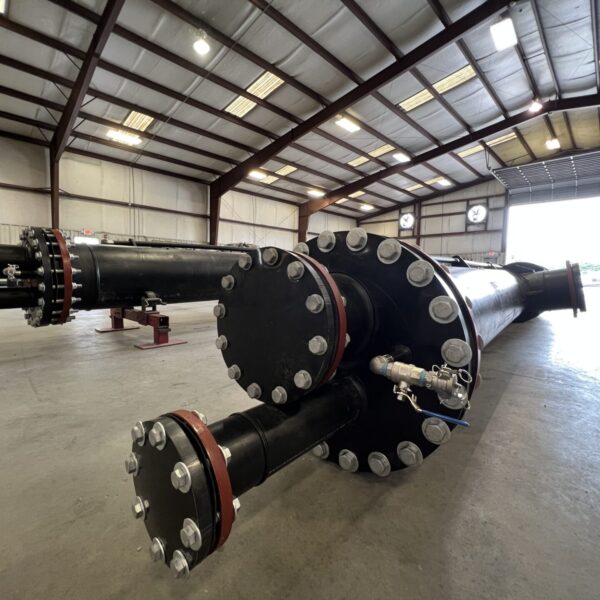
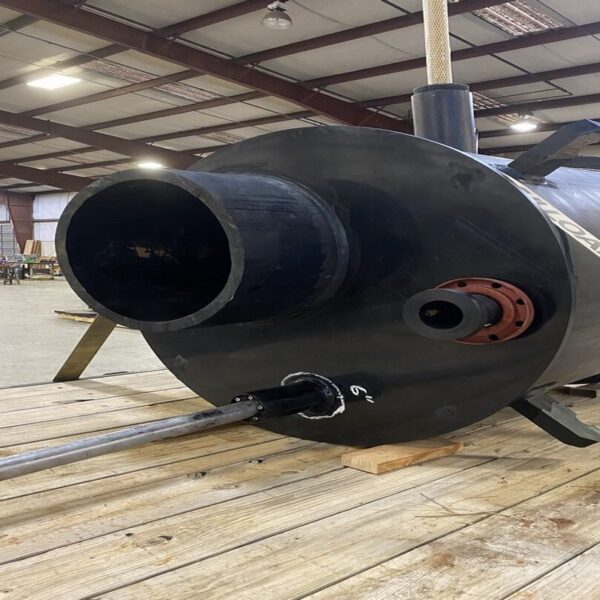
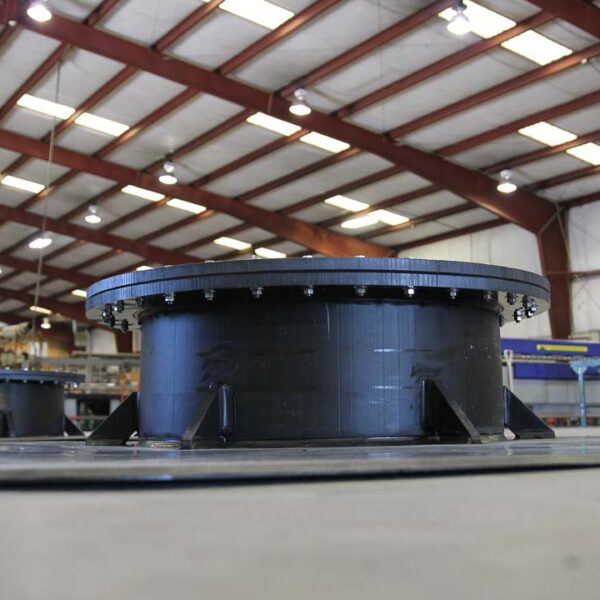
- In-house HDPE fabrication shop for custom repair panels, pipe boots, and penetration details
- Nationwide mobilization — emergency and scheduled repair crews deploy to any site
- Annual inspection and maintenance programs with extended warranty options
- New containment installation when repair isn’t viable — full scope from one contractor
Industries and Facilities Served
Plastic Fusion provides secondary containment repair services for petroleum tank farms, chemical storage and transfer facilities, fuel depots, power generation plants, refineries, military installations, wastewater treatment plants, food and beverage processors, pharmaceutical facilities, and any SPCC-regulated or EPA-regulated site with lined containment infrastructure. We work under EPA 40 CFR 112, SPCC, state environmental, and OSHA confined space regulations.
Secondary Containment Repair FAQs
What is secondary containment repair?
Secondary containment repair is the process of restoring the integrity of a containment system — typically a geomembrane liner, concrete structure, or coated surface — that surrounds tanks, piping, and equipment storing hazardous materials. When a secondary containment liner is punctured, a seam fails, or material degrades, the containment system no longer meets the impermeability requirement under EPA SPCC regulations. Repair restores that barrier function. Plastic Fusion repairs containment systems by welding — cutting out damaged liner, fusion-welding new geomembrane material, and testing the repair to confirm barrier integrity. This is different from coating-based repair, which applies epoxy or polyurea over damaged concrete but doesn’t address liner failures.
What is the difference between liner repair and coating repair for secondary containment?
Coating repair (epoxy, polyurea, polyurethane) protects the concrete substrate from chemical attack and fills surface cracks. It’s appropriate for unlined concrete containment areas where the concrete itself is the barrier. Liner repair is for systems where a geomembrane — HDPE, LLDPE, PVC, RPP, XR-5 — is the primary containment barrier. When the liner fails, no amount of coating on the concrete underneath restores containment. Liner repair requires cutting out the damaged section, welding in new material matched to the original liner, and testing the weld to verify integrity. Most secondary containment repair companies on the market are coating applicators. Plastic Fusion is a liner repair contractor — we weld geomembranes.
How quickly can Plastic Fusion respond to an emergency containment repair?
Response time depends on crew availability, site location, and scope of damage. For SPCC-regulated facilities where a containment failure creates an immediate compliance and environmental risk, we prioritize rapid mobilization. We maintain repair-ready crews with welding equipment, patch materials, and testing gear that can deploy on short notice. Contact us directly at (256) 852-0378 to discuss emergency repair timelines for your specific situation.
Does secondary containment repair need to be documented for SPCC compliance?
Yes. EPA’s SPCC rule (40 CFR 112) requires that secondary containment systems be maintained in good condition and sufficiently impervious to contain discharges. When a containment system is damaged and repaired, documentation of the repair — including what failed, what was done, and how the repair was verified — supports your compliance record during inspections. Plastic Fusion provides complete repair documentation: scope of work, materials used, welding parameters, and test results (vacuum box, spark test, or destructive test) formatted for your SPCC file.
Can you repair containment liners that are submerged or can’t be drained?
In some cases, yes. Underwater and submerged liner repairs require specialized techniques — including diver-assisted welding and surface preparation methods adapted for wet conditions. The feasibility depends on the liner material, depth, and type of damage. For containment systems that cannot be drained due to operational constraints or environmental restrictions, Plastic Fusion evaluates the site conditions and recommends the most effective repair approach — whether that’s a submerged repair, temporary bypass, or phased drain-and-repair sequence.
When should containment be replaced instead of repaired?
Repair is the right call when the damage is localized — punctures, individual seam failures, mechanical damage to a defined area. Replacement becomes more cost-effective when the liner material has degraded system-wide (UV embrittlement across the full surface, chemical attack that has thinned the material below spec, or widespread seam failures indicating original installation quality issues). Plastic Fusion assesses both options and gives you an honest recommendation. When replacement is the answer, we handle that too — full tear-out and re-installation as a single-contractor scope.
Request a Quote
If your secondary containment system needs repair — or you want to get ahead of failures with an inspection and maintenance program — Plastic Fusion has the crews, welding capability, and containment expertise to restore your system to compliance-ready condition. Contact us for emergency repair response, scheduled maintenance, or project-specific pricing.