
Chemical Containment Systems
CONTACT FOR CHEMICAL CONTAINMENT SYSTEMS


Unmatched Performance
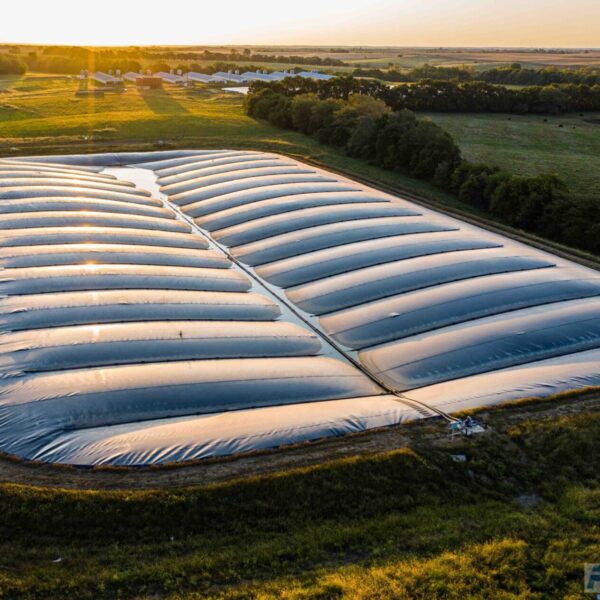
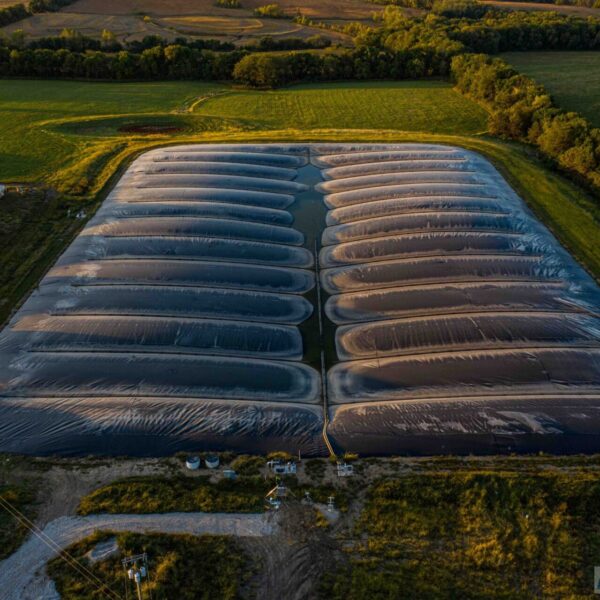
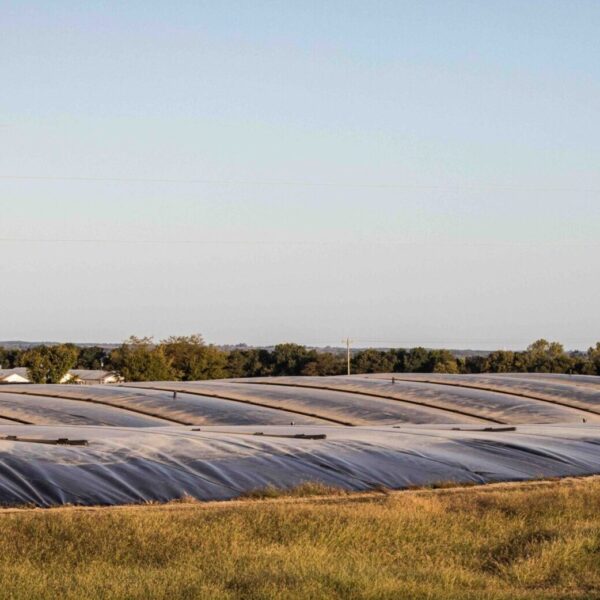
“Plastic Fusion was hired to test, repair, and replace existing pond liners on a restart project. The scope of work included installing a new insulated HDPE cover on the existing AD lagoon. Not only was the quality of the crew’s work exceptional, PFF was given the “A Team” award for outstanding work ethic.”
Ron Davies, Project Manager
Platte River Biogas, LLC
wHAT WE DO
Chemical Containment Systems
CONTACT FOR CHEMICAL CONTAINMENT SYSTEMS
Chemical Containment Systems
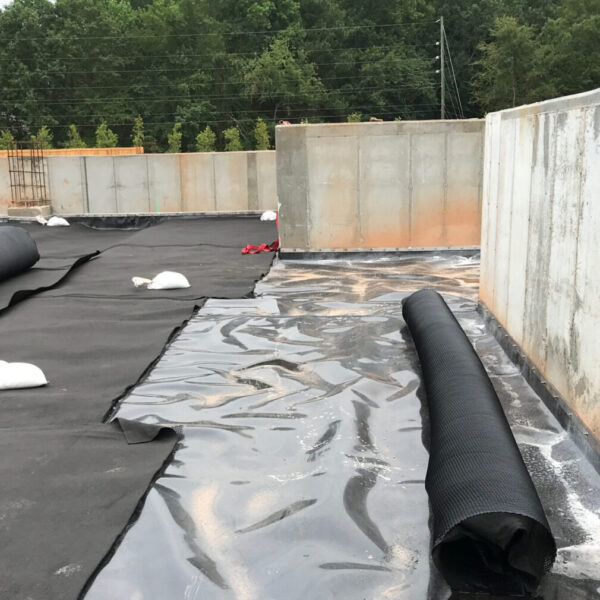
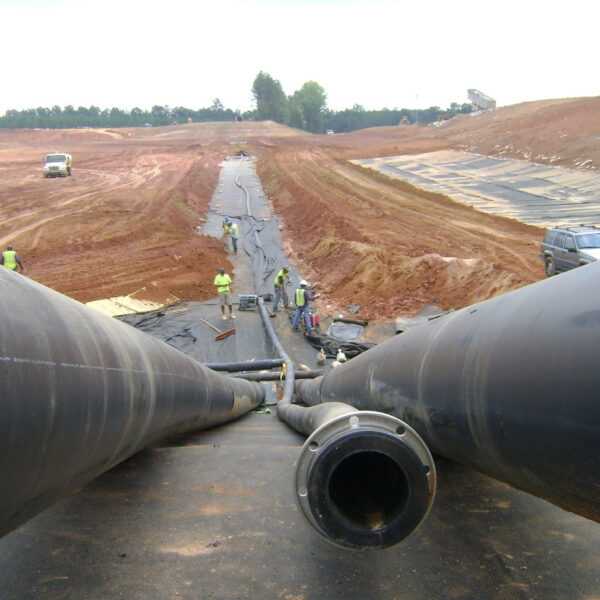
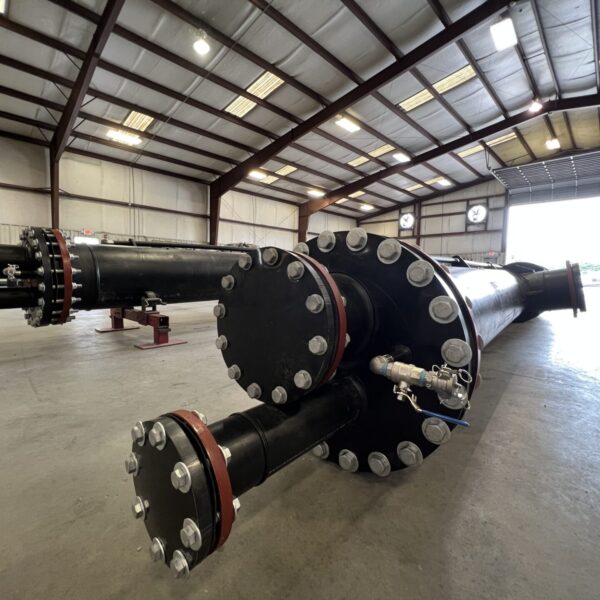
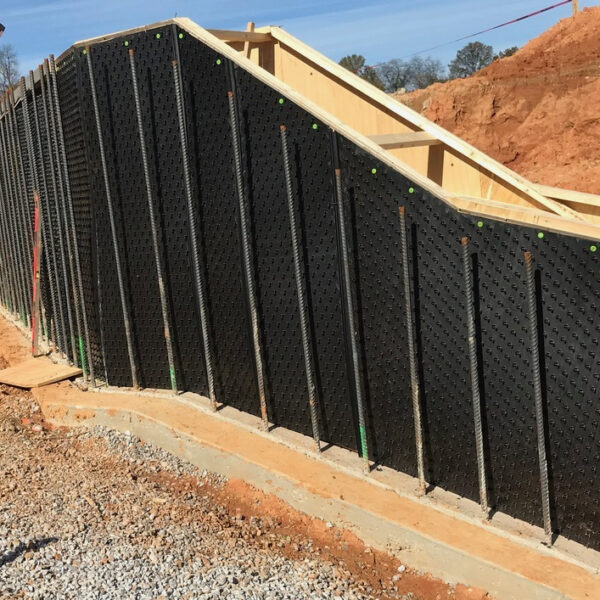
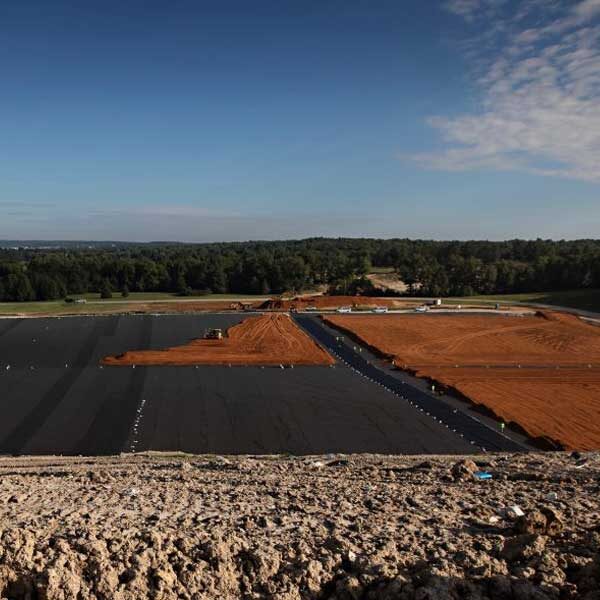
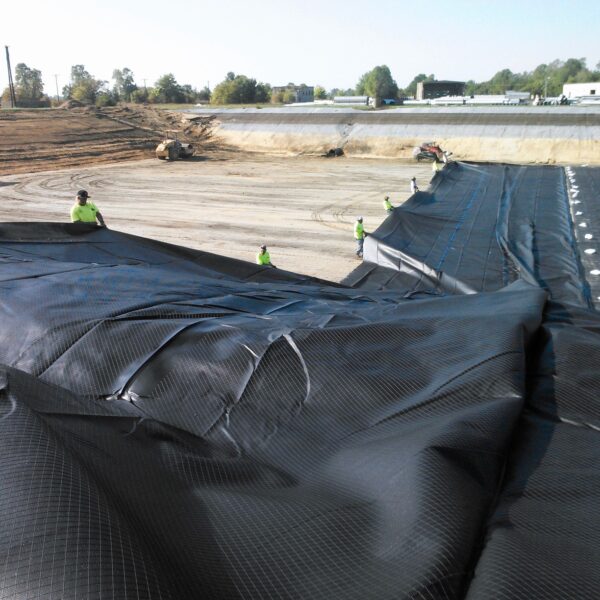
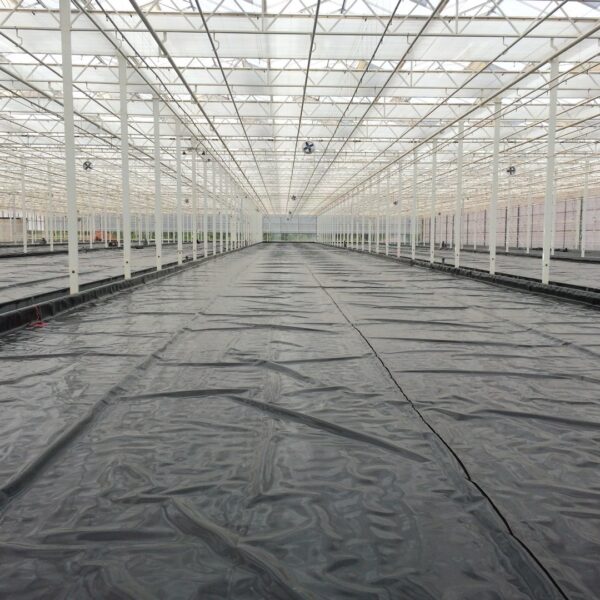
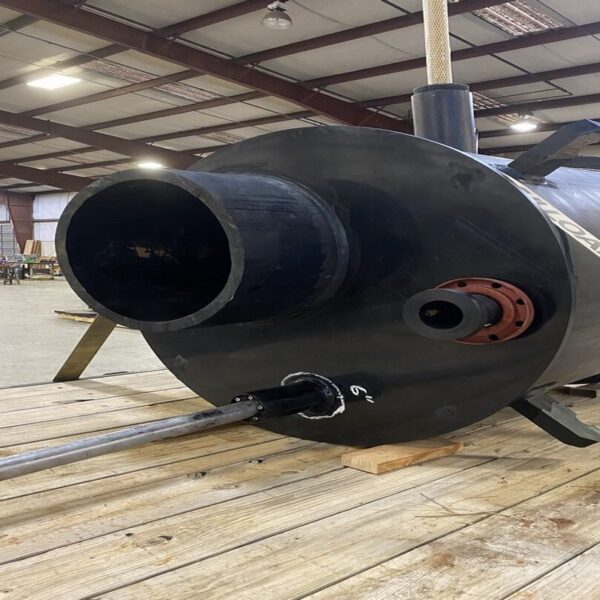
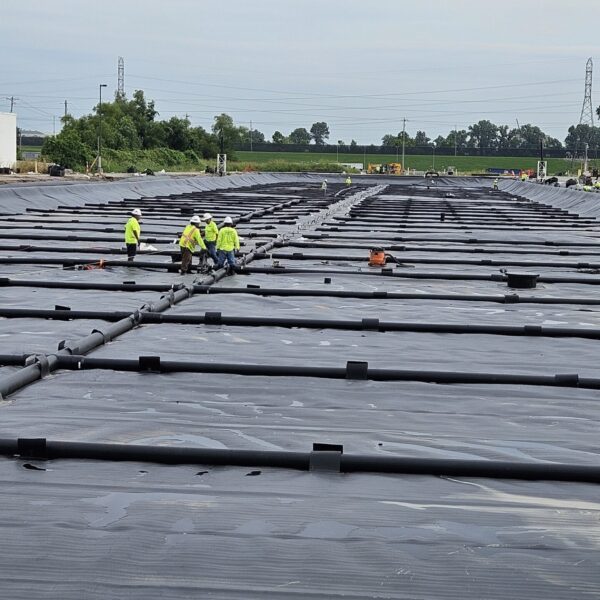
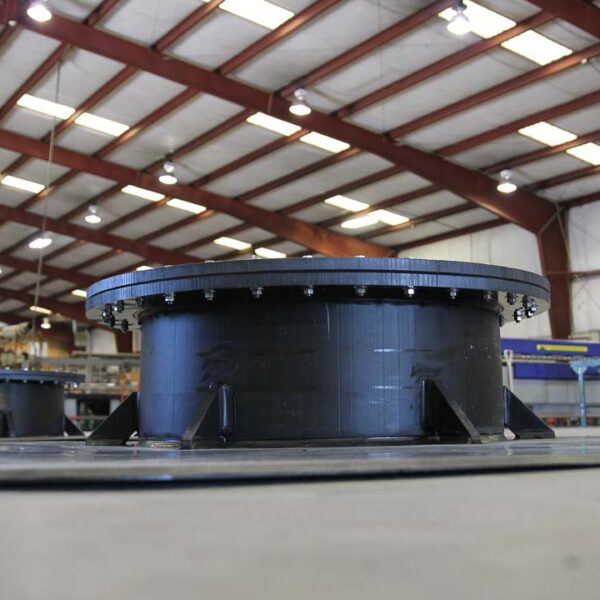
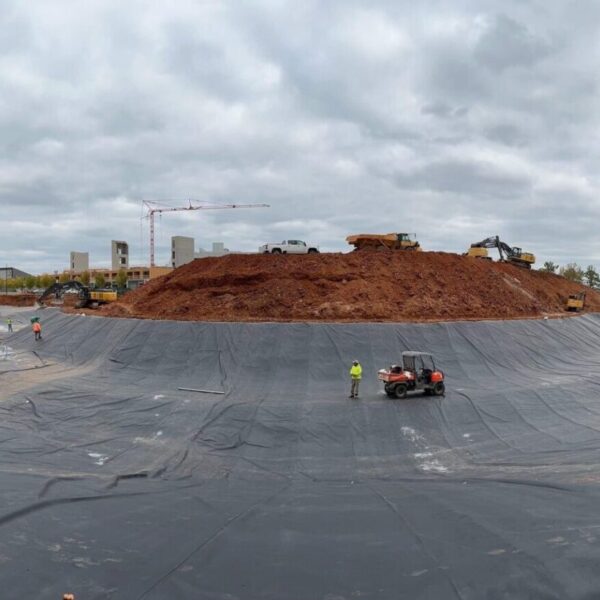
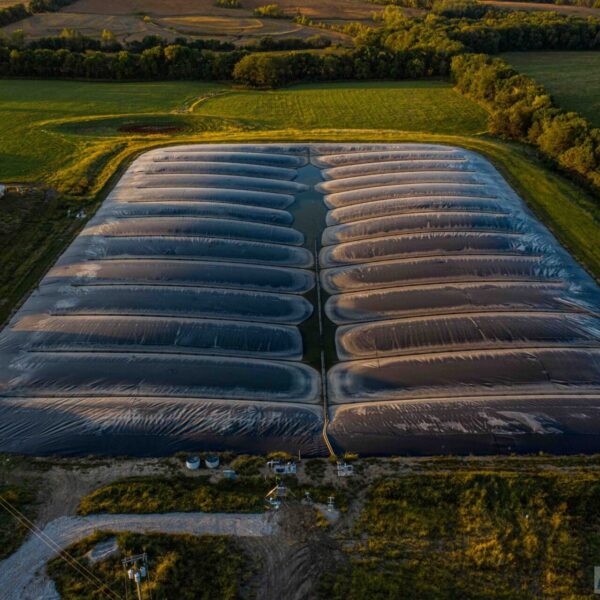
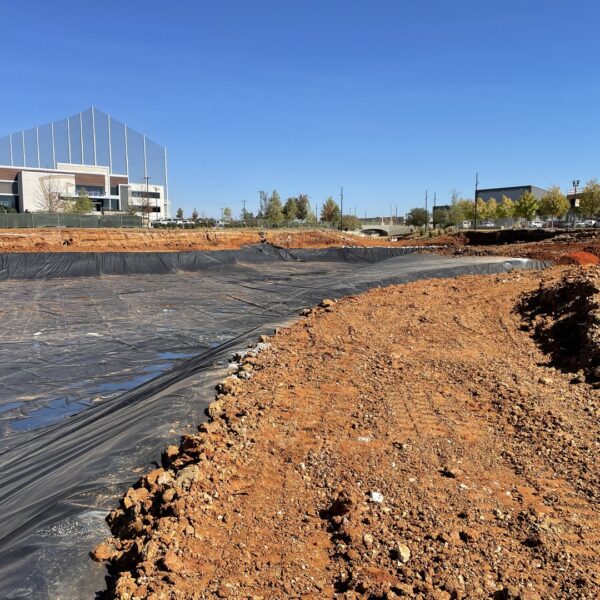
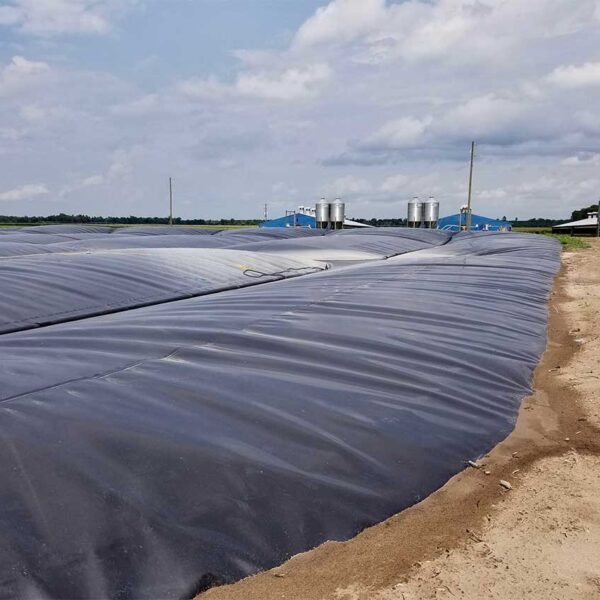
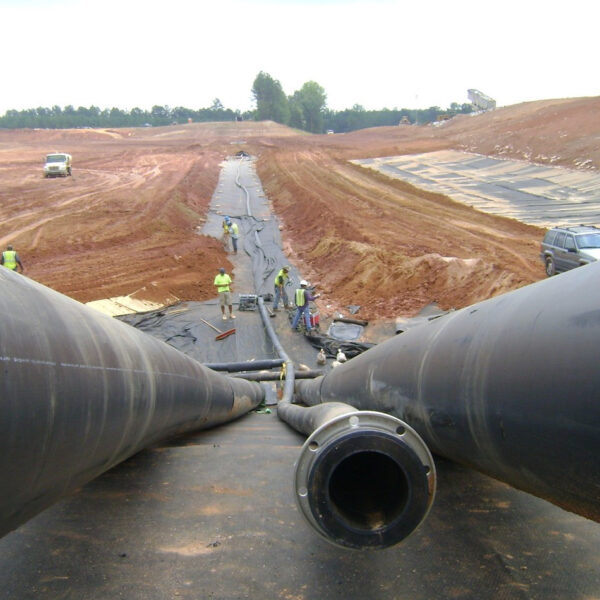
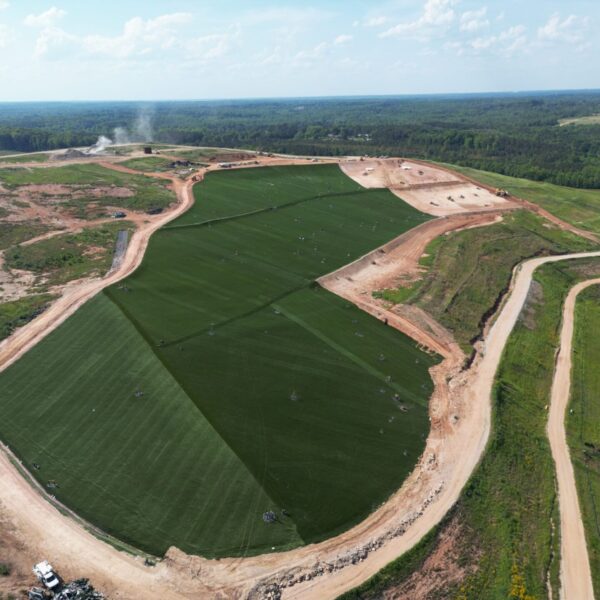
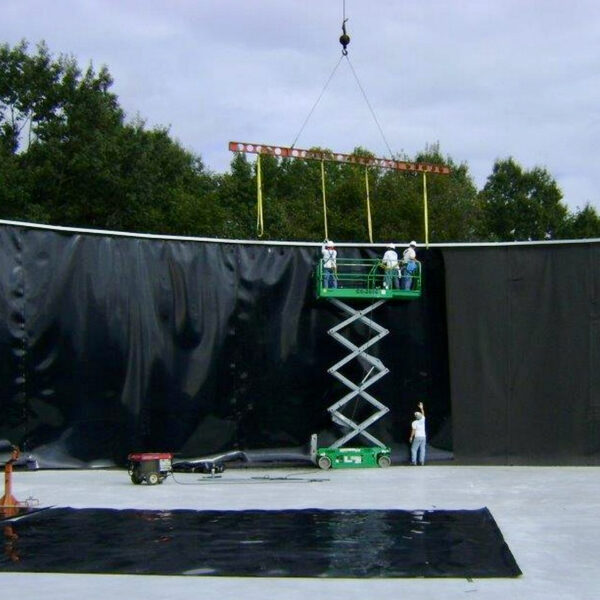
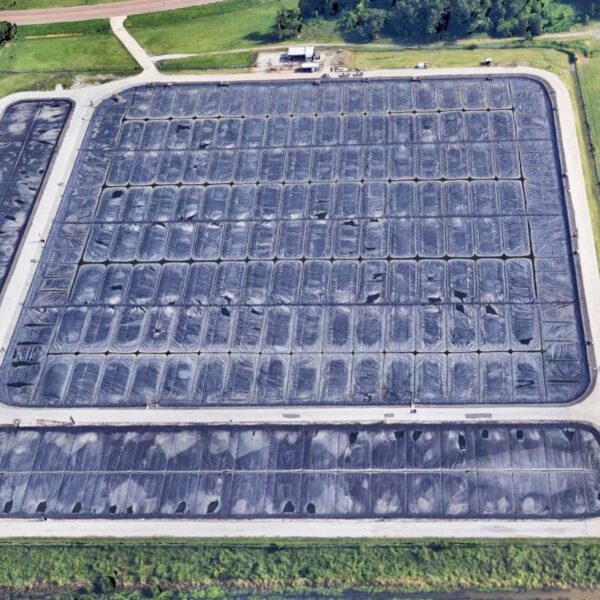
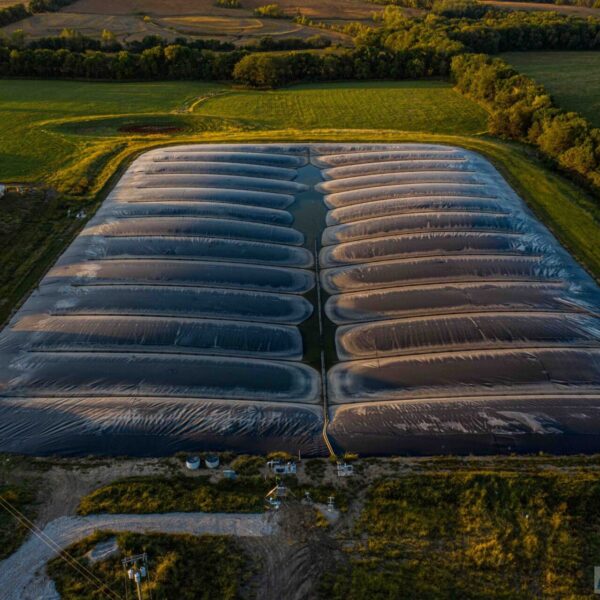
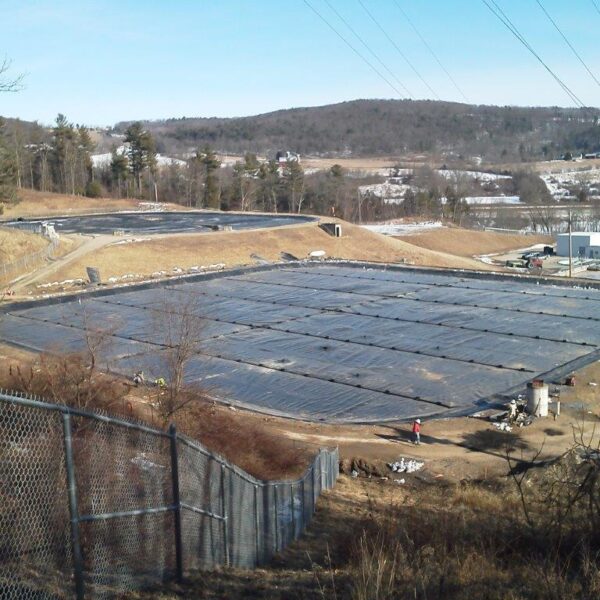
Plastic Fusion Fabricators designs, fabricates, and installs engineered chemical containment systems for bulk chemical storage, tank farms, and process facilities nationwide. When chemicals are stored or handled in bulk, the containment system is what stands between a leak and an environmental release — and it has to resist the chemistry, hold the required volume, and stay intact for the life of the facility. We build chemical-resistant HDPE and geomembrane secondary containment engineered to the chemicals, the tanks, and the regulations — not portable spill products, but installed containment systems built to contain.
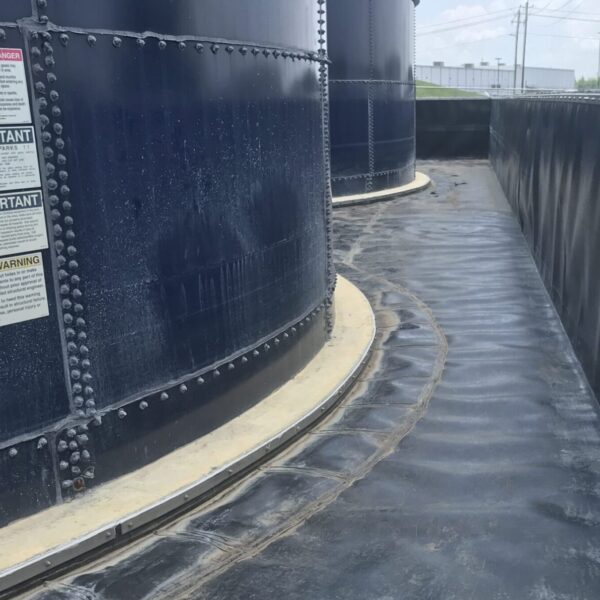
A chemical containment system is the lined, engineered barrier that captures a spill or leak from bulk chemical storage before it reaches soil or groundwater. For a bulk tank or tank farm, that means secondary containment sized to hold the required volume — typically 110% of the largest tank — and lined with a material that resists the specific chemicals stored. For process areas, it means chemical-resistant containment built around the equipment. The system has to do its job under the worst case: a full tank failure, in constant contact with corrosive chemistry. That’s engineered containment, and it takes a contractor who understands both the materials and the regulations.
With 40+ years fabricating and installing chemical-resistant containment across 24 states, Plastic Fusion builds chemical containment systems matched to the chemistry and built to comply.
Chemical Containment Systems We Build
- Secondary containment for chemical tanks and tank farms — lined containment sized to hold the required volume
- Chemical-resistant containment basins — engineered, lined basins for bulk storage
- Process area containment — chemical-resistant containment around process equipment
- Tertiary containment — additional containment for high-hazard or high-consequence storage
- Chemical storage area liners — chemical-resistant barriers for storage and transfer areas
- Containment for corrosive chemicals — material matched to acids, caustics, and aggressive chemistry
Why Engineered Containment, Not Commodity Products
Portable spill pallets, drum trays, and pop-up berms have their place for small-volume, drum-scale spills. Bulk chemical storage is a different problem. A tank farm holding thousands of gallons of corrosive chemical needs an engineered, installed containment system — sized to the regulatory volume, lined with a material that resists the specific chemistry, fusion-welded into a continuous barrier, and built to survive a full-tank release. That’s what Plastic Fusion builds: the containment system for the facility, engineered and installed, not a product pulled off a shelf.
Chemical-Resistant Materials
The containment liner has to resist the chemicals it’s protecting against. We install HDPE, LLDPE, and RPP geomembrane, selecting the material for the specific chemistry — concentrated acids, caustics, solvents, or hydrocarbons. HDPE handles a broad range of aggressive chemicals; LLDPE offers conformance for complex containment geometry; RPP provides reinforced performance for demanding exposures. Matching the material to the chemical is the difference between a containment system that lasts and one that degrades.
Regulatory Compliance
Chemical containment is driven by regulation, and a compliant system is engineered to meet it:
- EPA SPCC (Spill Prevention, Control, and Countermeasure) — secondary containment for oil and chemical storage
- Secondary containment volume — typically sized to 110% of the largest tank, or the applicable local requirement
- RCRA — containment requirements for hazardous materials storage
- Chemical resistance — liner material verified against the stored chemistry
Plastic Fusion builds containment systems engineered to these requirements and documents the installation for compliance.
Why Engineers and Facility Owners Choose Plastic Fusion
- 40+ years fabricating and installing chemical-resistant containment
- Engineered, installed systems — sized, lined, and fusion-welded to contain
- Material matched to the specific chemistry, not a one-size-fits-all product
- Built to EPA SPCC and secondary containment volume requirements
- Certified welders with documented QA/QC
- Related capability: secondary containment liners and environmental containment systems
- Active projects across 24 states with nationwide mobilization
Industries Served
Plastic Fusion builds chemical containment systems for chemical processors and manufacturers, petrochemical and refining operations, water and wastewater treatment facilities, agricultural and fertilizer operations, and the engineering and construction firms designing bulk chemical storage and handling facilities.
Chemical Containment System FAQs
What is a chemical containment system?
A chemical containment system is the engineered barrier that captures a spill or leak from bulk chemical storage or handling before it reaches the environment. For bulk tanks, this is secondary containment — a lined containment area sized to hold the required volume (typically 110% of the largest tank) and built from a material that resists the stored chemicals. For process areas, it’s chemical-resistant containment around the equipment. The system is engineered to contain the worst-case release and to comply with environmental regulations like EPA SPCC.
How is engineered chemical containment different from spill products?
Portable spill products — drum pallets, trays, and pop-up berms — handle small, drum-scale spills. Engineered chemical containment is a facility-scale system: secondary containment sized to a bulk tank’s volume, lined with a chemical-resistant geomembrane, fusion-welded into a continuous barrier, and installed to survive a full-tank release. For bulk chemical storage, a portable product can’t provide the volume, chemical resistance, or integrity an engineered system delivers. Plastic Fusion builds the engineered system.
What material is used for chemical containment liners?
The liner material is matched to the chemicals being contained. We install HDPE, LLDPE, and RPP geomembrane, selecting based on the specific chemistry — HDPE for broad chemical resistance, LLDPE for conformance, and RPP for reinforced applications. The chemical compatibility of the liner is critical: the wrong material degrades in contact with the stored chemical, while the right material contains it for the life of the system.
How much volume does chemical secondary containment need to hold?
Secondary containment for chemical storage is typically sized to hold at least 110% of the volume of the largest tank within the containment area, though the exact requirement depends on the applicable regulation (EPA SPCC, RCRA, and state or local codes) and whether multiple tanks share the containment. The extra capacity accounts for the tank’s full contents plus a margin for rainfall or firefighting water. Plastic Fusion sizes and builds containment to the volume your facility’s regulations require.
Do you handle containment for corrosive chemicals?
Yes. Containing corrosive chemicals — concentrated acids, caustics, and aggressive solvents — is exactly where material selection matters most. We specify and install HDPE, LLDPE, or RPP geomembrane matched to the specific corrosive chemistry, building a containment system that resists the chemical attack that would degrade a mismatched liner. The result is containment engineered to hold corrosive chemicals for the life of the facility.
Do you repair existing chemical containment systems?
Yes — repairing a failed or degraded chemical containment liner is its own discipline, with the chemical compatibility and weld-integrity demands magnified by an already-aggressive environment. Our chemical containment repair crews assess the existing system, match the repair material to the chemistry, and restore containment with fusion-welded repairs — whether the original system was ours or another contractor’s.
Request a Quote
If your facility stores or handles bulk chemicals and needs engineered secondary containment — sized, lined, and built to comply — Plastic Fusion designs and installs chemical containment systems matched to your chemistry and your regulations. Contact us with your storage and chemical details for a quote.