
Covered Lagoon Digester
CONTACT FOR COVERED LAGOON DIGESTER


Unmatched Performance
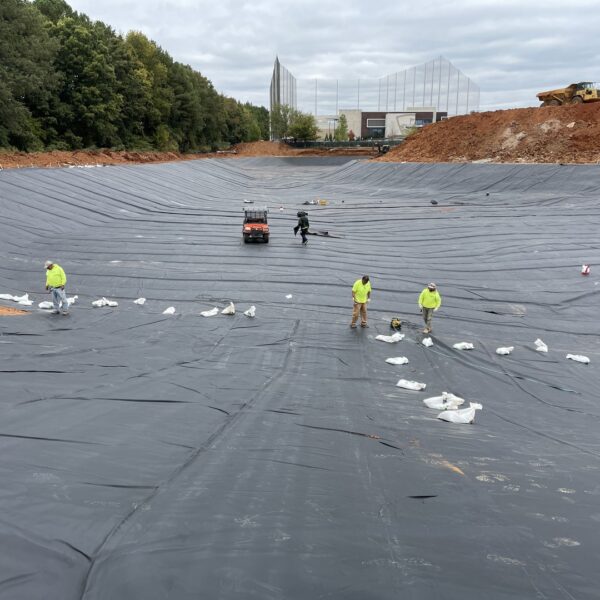
“Plastic Fusion was hired to test, repair, and replace existing pond liners on a restart project. The scope of work included installing a new insulated HDPE cover on the existing AD lagoon. Not only was the quality of the crew’s work exceptional, PFF was given the “A Team” award for outstanding work ethic.”
Ron Davies, Project Manager
Platte River Biogas, LLC
wHAT WE DO

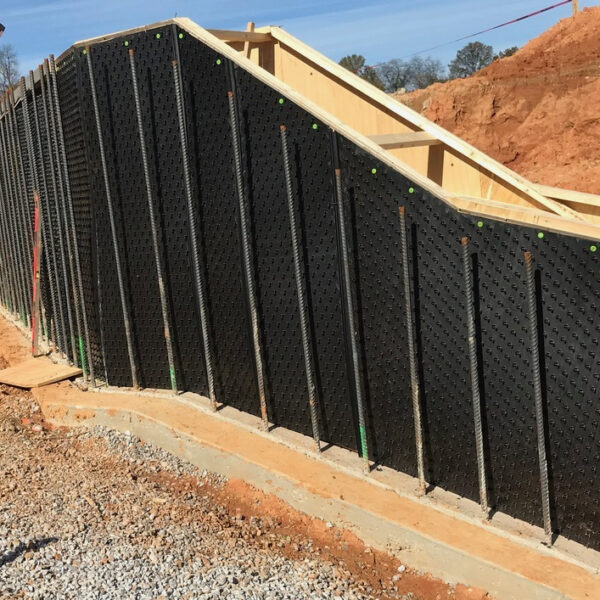
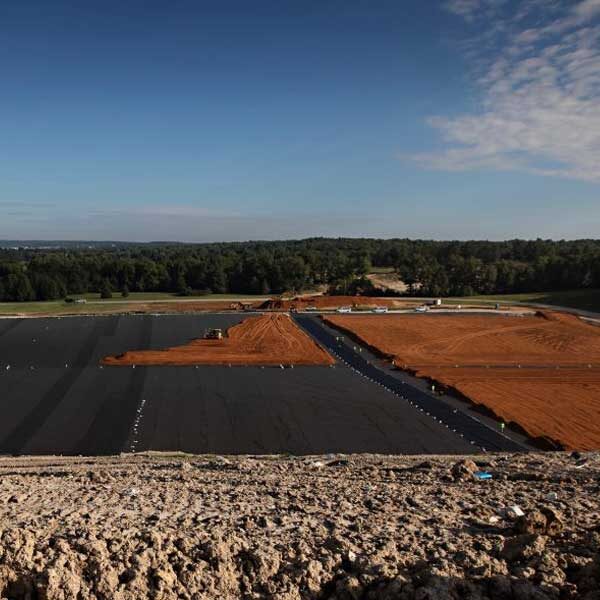
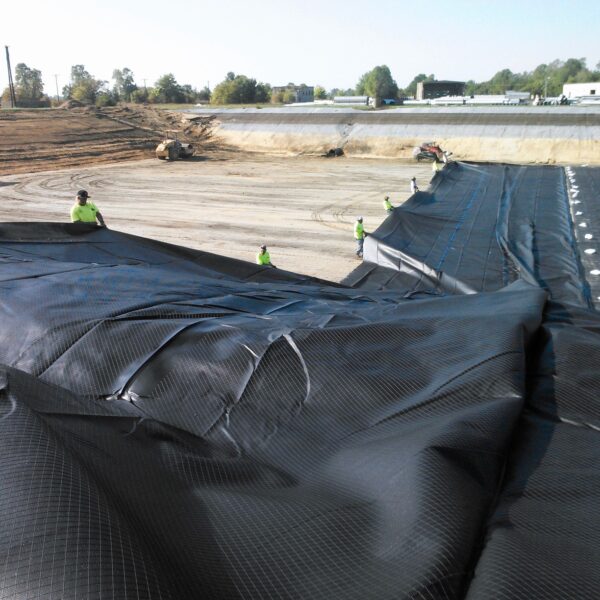
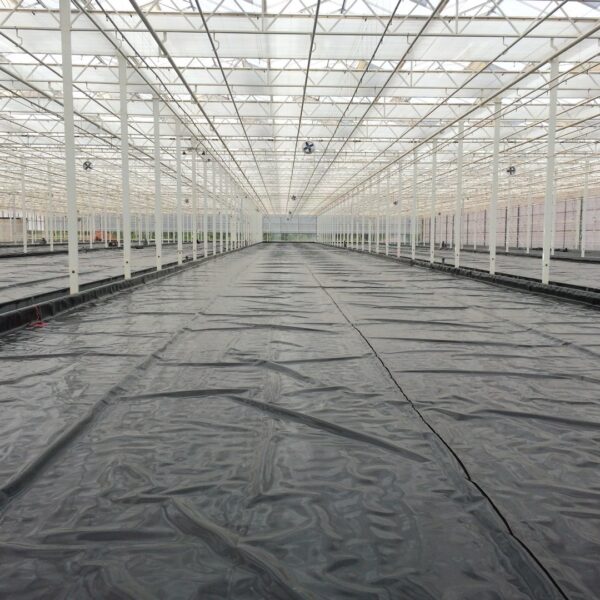
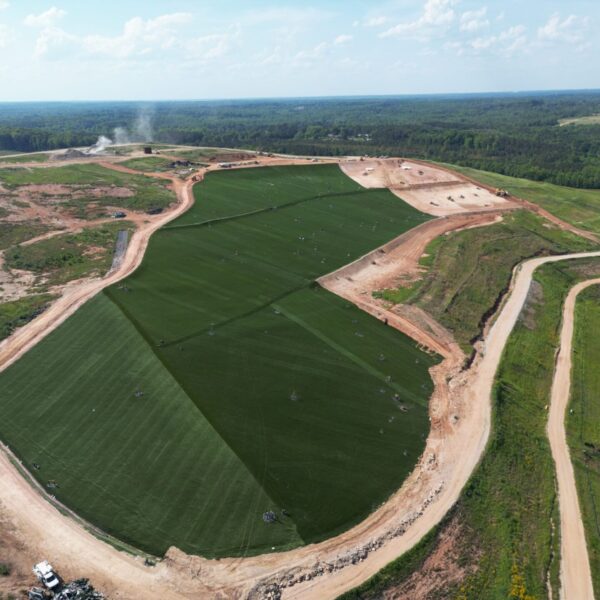
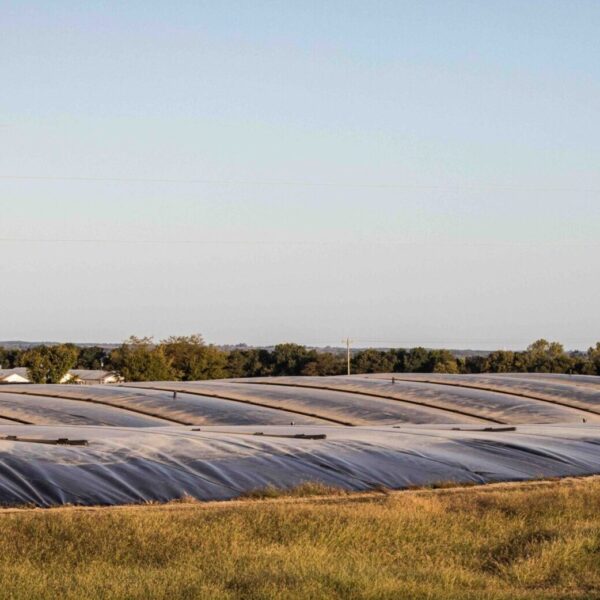
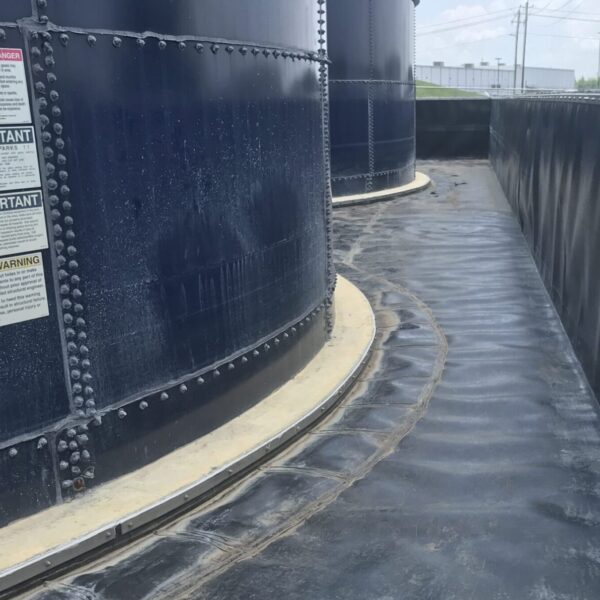
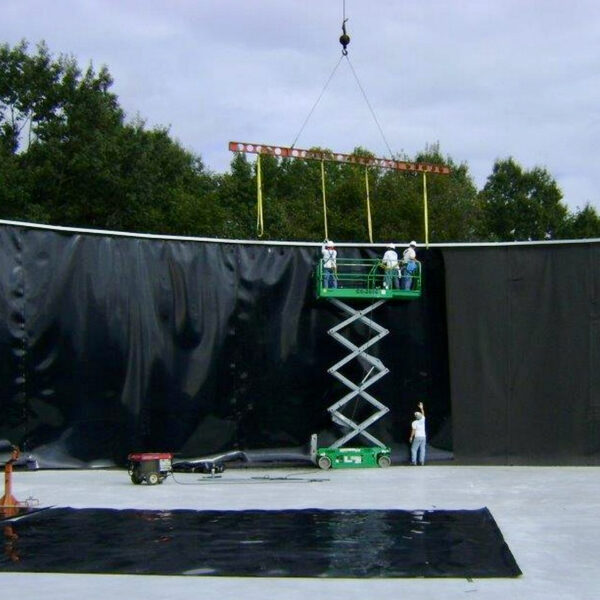
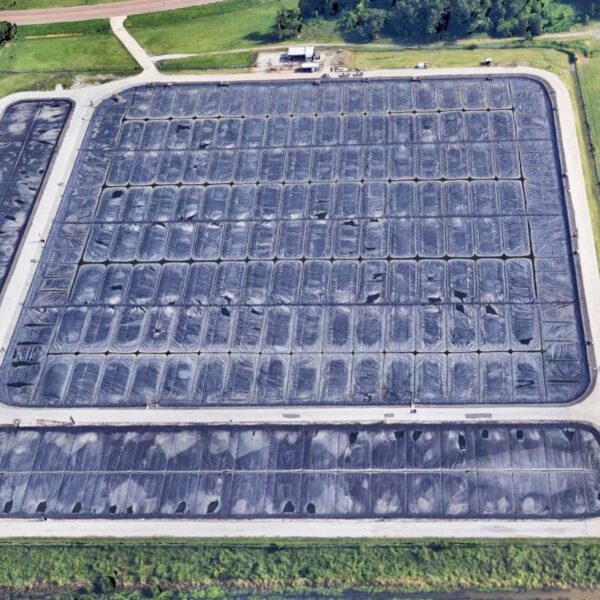
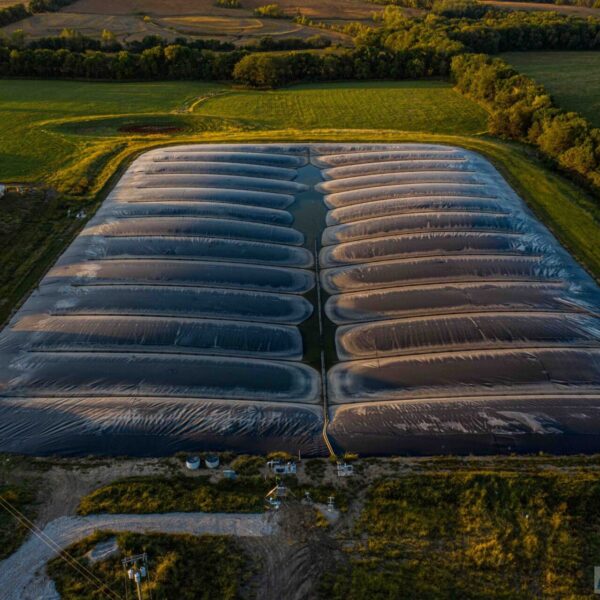
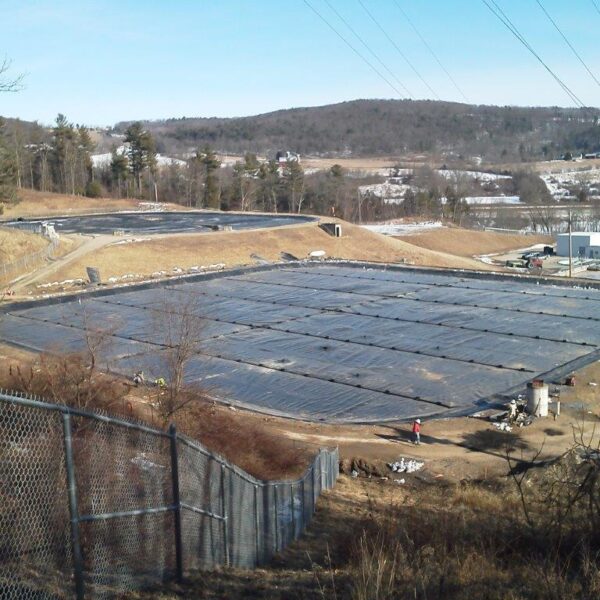
Covered Lagoon Digester
CONTACT FOR COVERED LAGOON DIGESTER
Leading Installer of Covered Lagoon Digesters
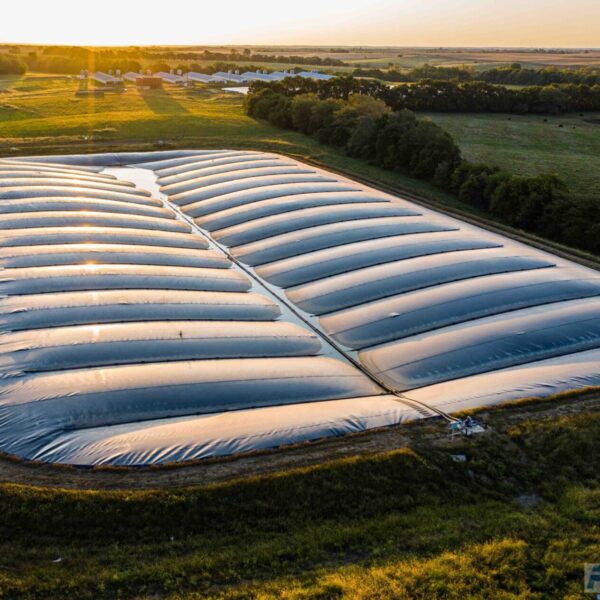
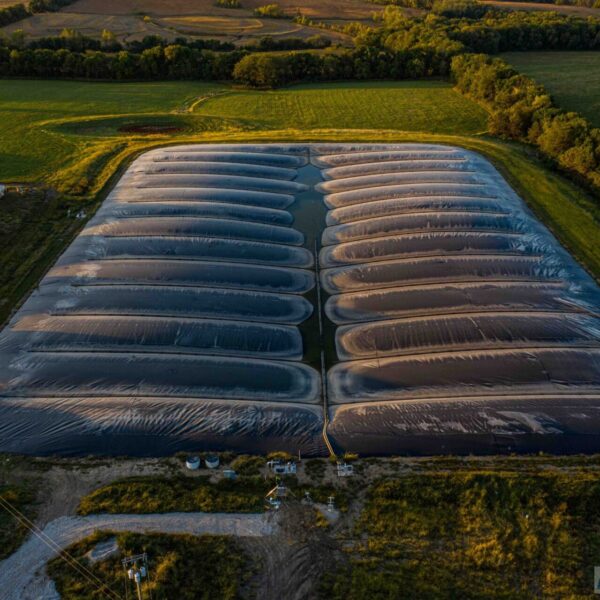
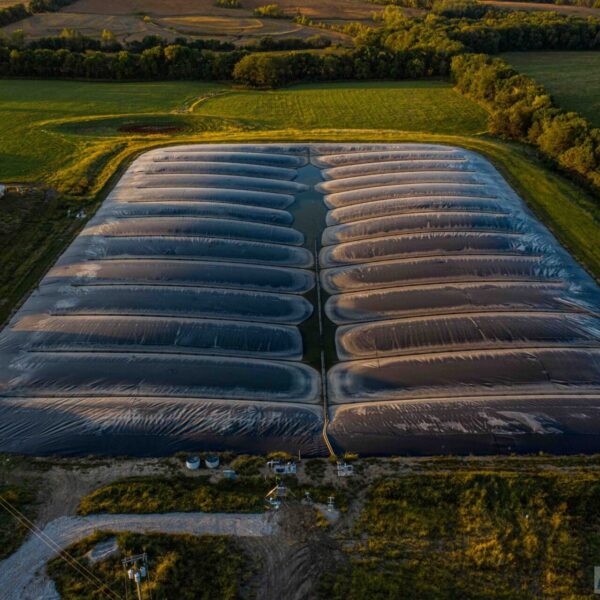
Plastic Fusion Fabricators is a leading installer of covered lagoon digesters for dairy, swine, and food processing operations nationwide. A covered lagoon digester turns an existing wastewater or manure lagoon into a biogas-producing anaerobic digester — and the cover is the component that makes it work. We fabricate and install the impermeable floating covers that trap biogas, control odor, and convert a polluting lagoon into a source of on-site energy or pipeline-quality renewable natural gas. With 40+ years building floating covers and active projects across 24 states, Plastic Fusion installs the covered lagoon digester systems that perform for decades.
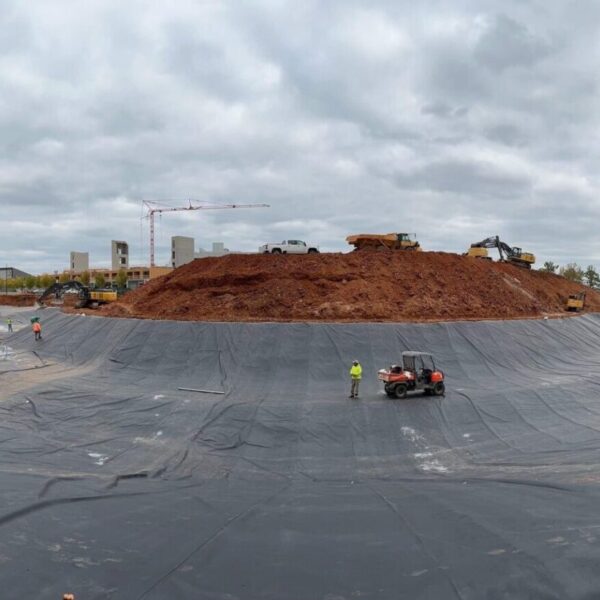
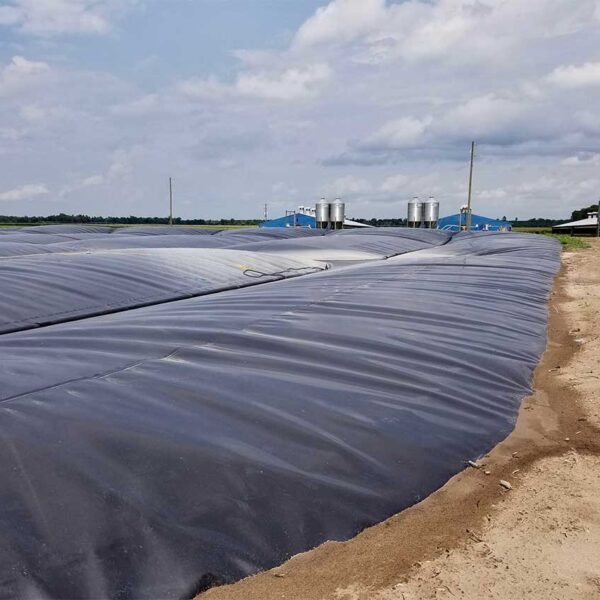
A covered lagoon digester is an anaerobic digestion system that uses an existing in-ground lagoon, topped with a flexible impermeable cover, to capture the biogas produced as organic waste breaks down. It’s the lowest-cost entry point into biogas production: instead of building expensive rigid concrete or steel digester tanks, an operation covers a lagoon it already has. The cover is what separates a covered lagoon digester from an open lagoon — it traps the methane for energy recovery, it holds in odor and emissions, and it has to do both while floating on a working lagoon, shedding rainwater, and surviving years of sun, gas pressure, and weather.
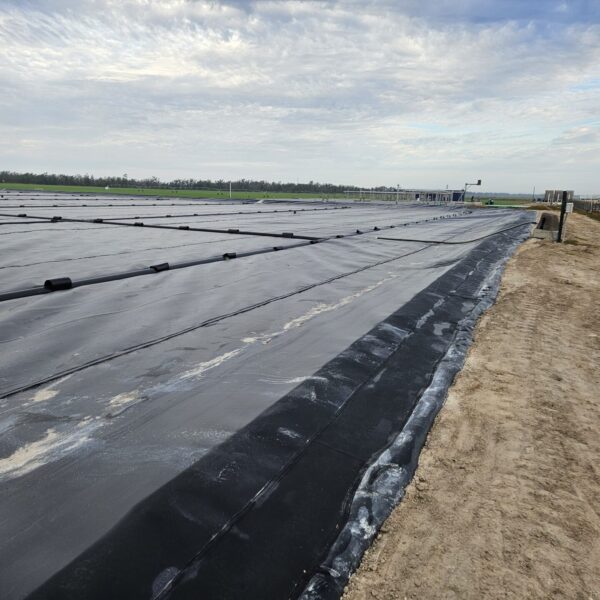
That’s where the installer matters. A covered lagoon digester cover isn’t a tarp — it’s an engineered floating cover with a fusion-welded geomembrane, a gas collection design, and a ballast and rainwater management system that keeps it functioning. Plastic Fusion has been building these covers since 1991, and we have covers still operating after nearly two decades in the field.
How a Covered Lagoon Digester Works
- Anaerobic breakdown — organic-rich wastewater or manure enters the lagoon, where microorganisms break down the waste without oxygen
- Biogas capture — the process produces biogas (primarily methane and CO₂), trapped under the impermeable floating cover
- Gas collection — the captured biogas is collected and piped from beneath the cover
- Energy or RNG — the methane is burned for heat and power, or upgraded to renewable natural gas for pipeline injection
What Plastic Fusion Installs
The cover is the heart of the system, and we engineer and install the complete covered lagoon digester cover:
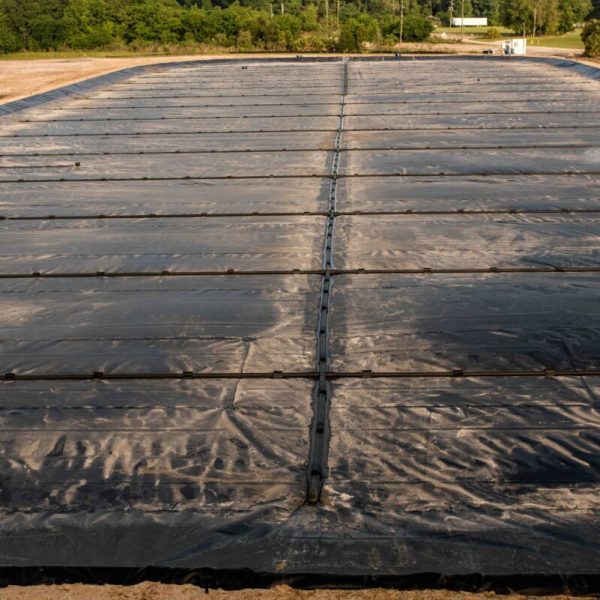
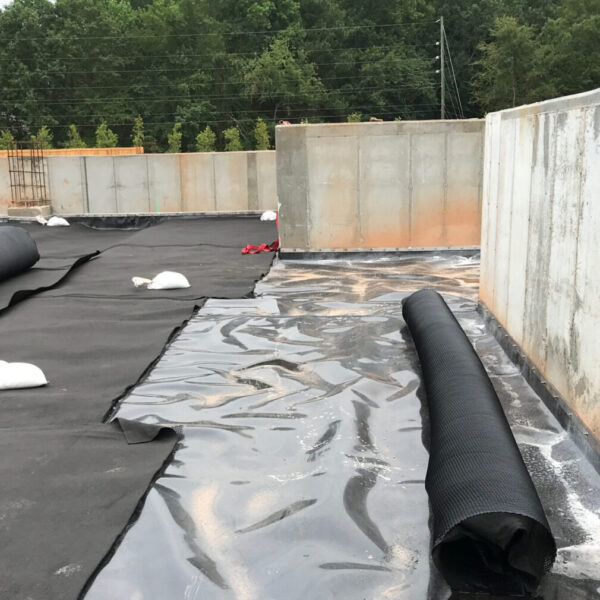
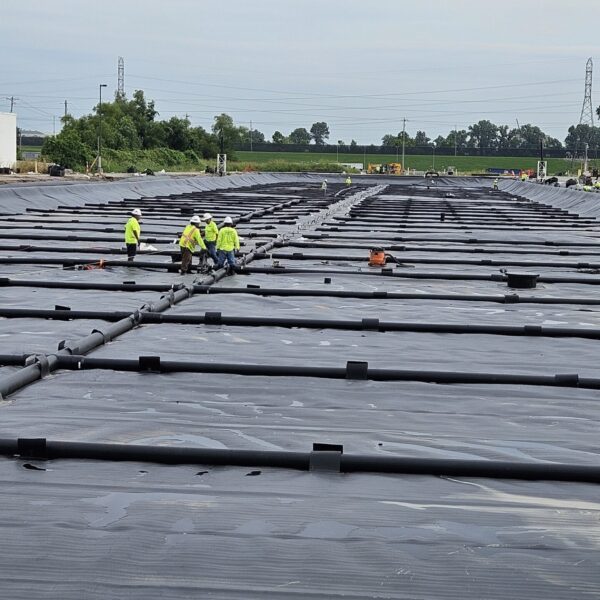
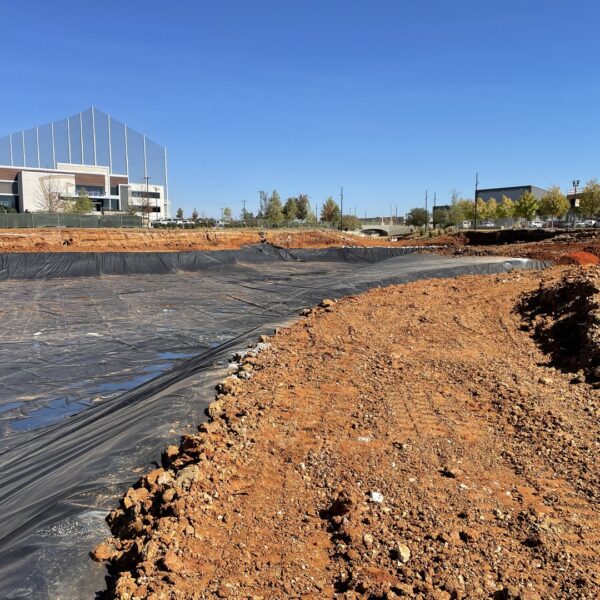
- Impermeable floating cover — fusion-welded HDPE or RPP geomembrane sized to the lagoon
- Proprietary ballast system — our own ballast design that holds the cover in position and manages gas pockets
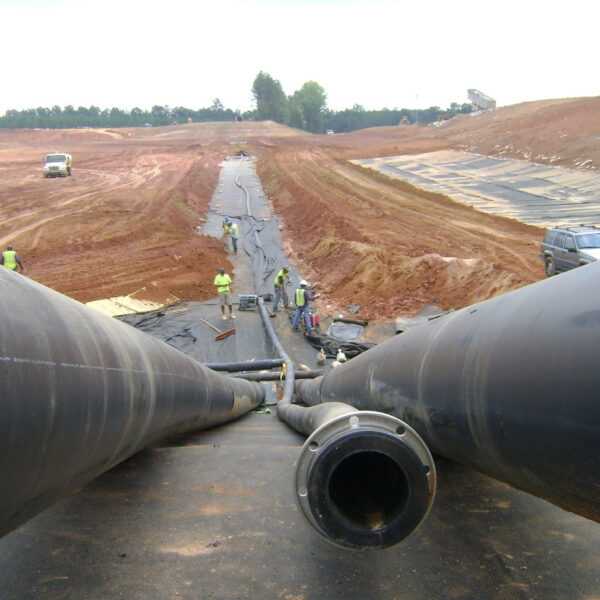
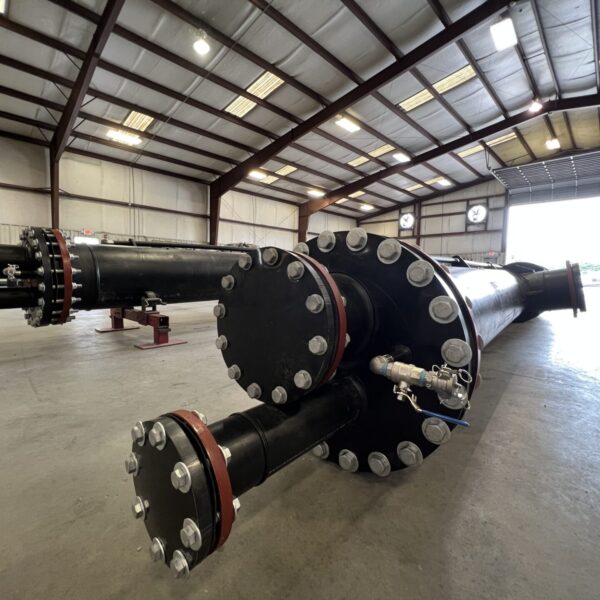
- Gas collection integration — collection points and piping to draw biogas from beneath the cover
- Rainwater management — pumps and channeling to shed rainwater that pools on the flexible cover
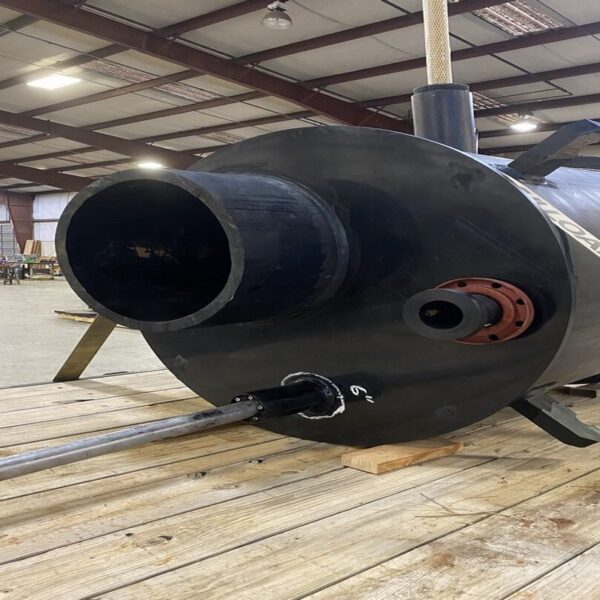
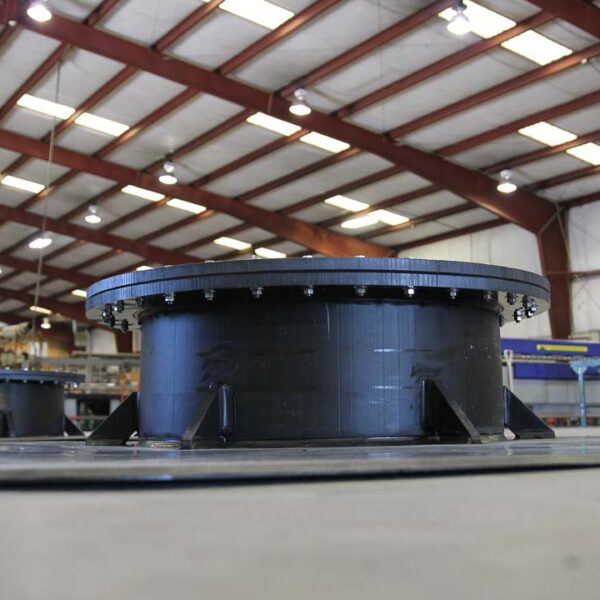
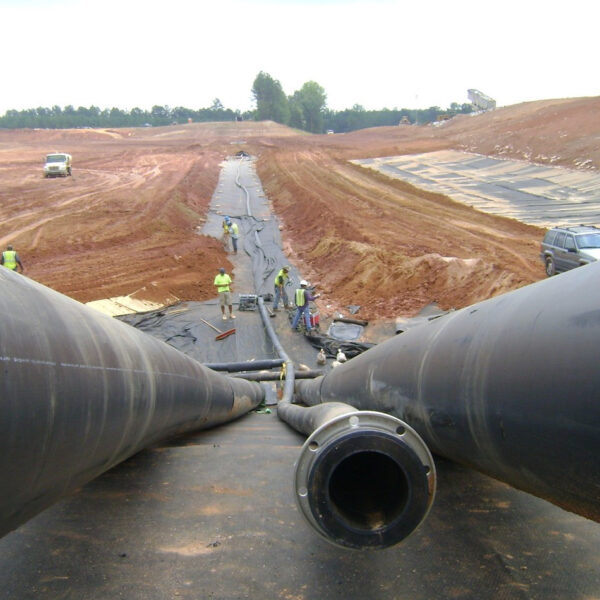
- Inlet, outlet, and penetration detailing — sealed penetrations for pipes, mixers, and monitoring
For the cover component on its own — including covers for tank and rigid digesters — see our anaerobic digester cover page. For the biogas piping and collection scope downstream of the cover, see biogas collection systems.
Cover Materials
We fabricate covered lagoon digester covers from HDPE, LLDPE, and RPP geomembrane, selected for the lagoon’s chemistry, gas exposure, and service life. HDPE provides durability and chemical resistance for long-term installations; RPP offers a reinforced, flexible cover where conformance and strength both matter. Our covers are built heavy-duty — we have a 100-mil anaerobic digester cover on a food-processing lagoon still in service after nearly two decades.
Applications
- Dairy manure digesters — covering dairy lagoons for biogas and odor control
- Swine manure digesters — covered lagoons for hog operations
- Food and beverage processing — covering high-strength industrial wastewater lagoons
- Agricultural waste-to-energy — converting farm waste lagoons into energy assets
- RNG projects — covered lagoons feeding renewable natural gas upgrading
Why Producers and Engineers Choose Plastic Fusion
- 40+ years building floating covers — we installed our first in 1991
- Proprietary ballast system engineered specifically for floating digester covers
- Proven longevity: covers still operating after nearly 20 years in the field
- Repeat customers returning a decade later for additional covers
- In-house fabrication of the cover, ballast, and all penetration detailing
- Certified geomembrane welders with documented seam QA/QC
- Active projects across 24 states with nationwide mobilization
- The lowest-cost path into biogas — we cover the lagoon you already have
Industries Served
Plastic Fusion installs covered lagoon digesters for dairy and swine producers, food and beverage processors, agricultural operations, and the engineering firms designing biogas and renewable natural gas projects. We work alongside your design engineers, gas system integrators, and RNG developers to deliver a cover that performs for the life of the project.
Covered Lagoon Digester FAQs
What is a covered lagoon digester?
A covered lagoon digester is an anaerobic digestion system that covers an existing in-ground lagoon with an impermeable, flexible floating membrane to trap and process biogas. Organic-rich wastewater or manure breaks down anaerobically in the lagoon, producing biogas that’s captured under the cover and piped out for energy or upgraded to renewable natural gas. Because it uses an existing lagoon rather than a built tank, it’s the lowest-cost way to produce biogas — and the cover is the component that makes the lagoon a digester.
Why is a covered lagoon digester cheaper than a tank digester?
A covered lagoon digester uses a lagoon the operation already has, adding an engineered cover to capture biogas. A tank digester requires building an expensive rigid concrete or steel vessel. By covering existing in-ground lagoons, operations get into biogas production at a fraction of the capital cost of tank systems — which is why covered lagoons are the most common entry point for agricultural and food-processing biogas.
What goes into covered lagoon digester design?
A covered lagoon digester cover is engineered around the lagoon’s dimensions, the volume and rate of biogas produced, the rainwater load the cover will carry, and the gas collection layout. The design has to account for ballasting to hold the cover and manage gas pockets, rainwater pumping to prevent pooling, and sealed penetrations for inlet, outlet, and gas piping. Plastic Fusion engineers the cover to the specific lagoon and biogas system, not a generic template.
How is rainwater managed on a covered lagoon digester?
Rainwater pools on top of the flexible floating cover and has to be removed regularly — if it isn’t, the weight can sink the cover or interfere with gas collection. The cover is designed with rainwater management built in: channeling to direct water to collection points and pumps to remove it. Proper rainwater management is one of the differences between a cover that performs for decades and one that fails early, and it’s engineered into every cover we build.
How long does a covered lagoon digester cover last?
A properly engineered and installed cover lasts for decades. Plastic Fusion has a 100-mil cover on a food-processing anaerobic digester lagoon still in service after nearly 20 years, and we have repeat customers who returned a decade after their first cover for additional projects. Service life depends on the material, the fabrication and seam quality, the ballast and rainwater systems, and the lagoon’s chemistry — all of which we engineer for long-term performance.
Does climate affect a covered lagoon digester?
Yes. Unheated covered lagoons follow seasonal temperature patterns — microbial activity and biogas production slow in cold weather and peak in warm. In colder climates, gas production drops significantly in winter, while warm climates yield more consistently year-round. The cover itself performs across climates, but the digester’s gas output is tied to temperature, which is a key factor in project planning and energy projections.
Request a Quote
If you have a lagoon and want to turn it into a biogas asset — or you’re engineering a covered lagoon digester project and need a cover that will perform for decades — Plastic Fusion fabricates and installs the cover, ballast, and gas collection detailing to make it work. Contact us with your lagoon dimensions and project details for a quote.