
Proprietary Floating Cover Ballast Systems
CONTACT FOR PROPRIETARY BALLAST SYSTEM


Unmatched Performance
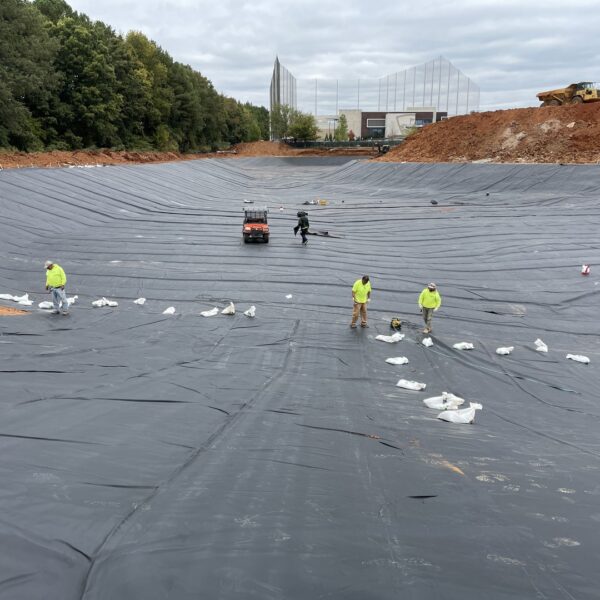
“Plastic Fusion was hired to test, repair, and replace existing pond liners on a restart project. The scope of work included installing a new insulated HDPE cover on the existing AD lagoon. Not only was the quality of the crew’s work exceptional, PFF was given the “A Team” award for outstanding work ethic.”
Ron Davies, Project Manager
Platte River Biogas, LLC
wHAT WE DO


Proprietary Floating Cover Ballast Systems
CONTACT FOR PROPRIETARY BALLAST SYSTEM
Floating Cover Ballast Systems
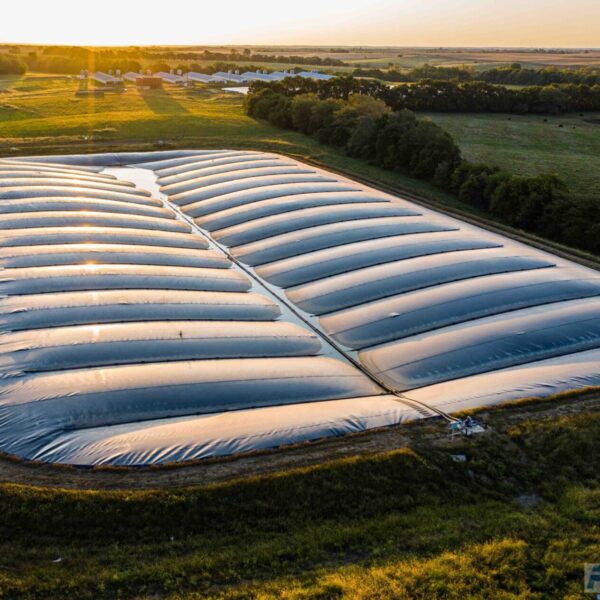
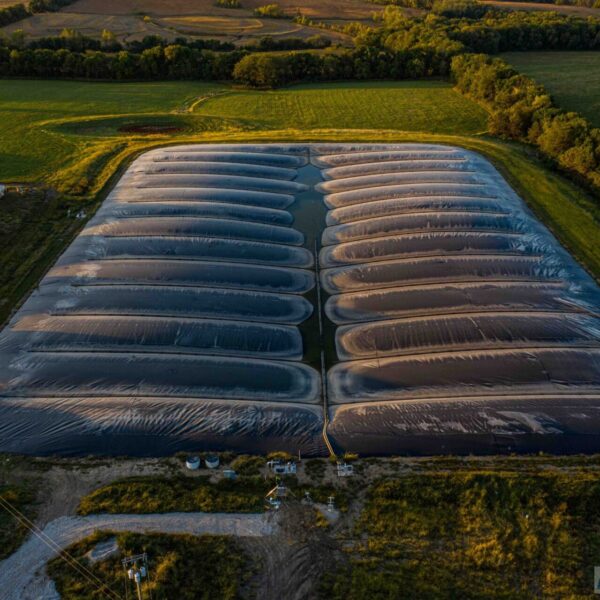
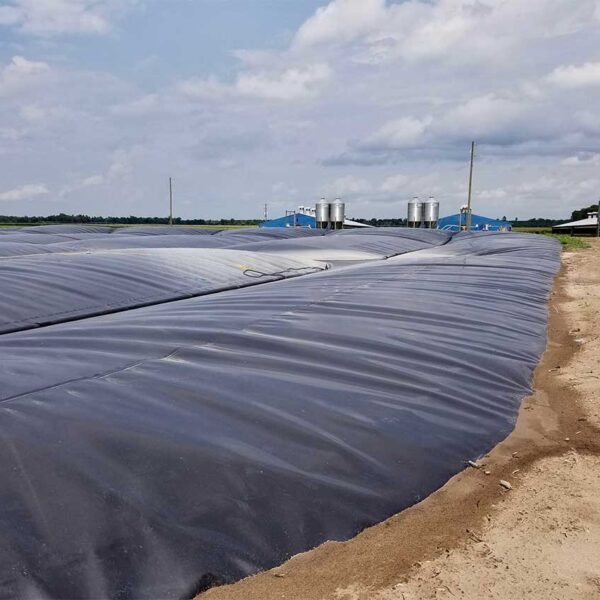
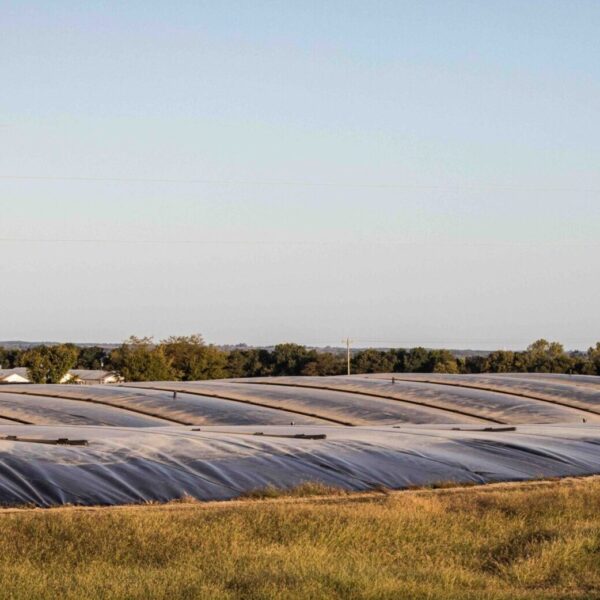
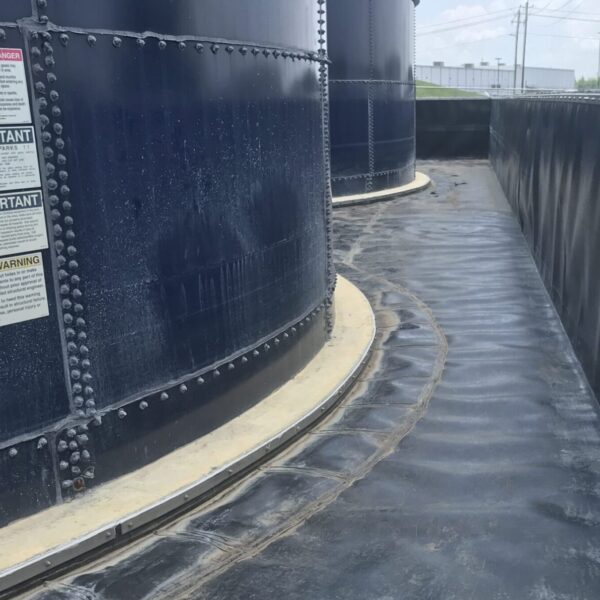
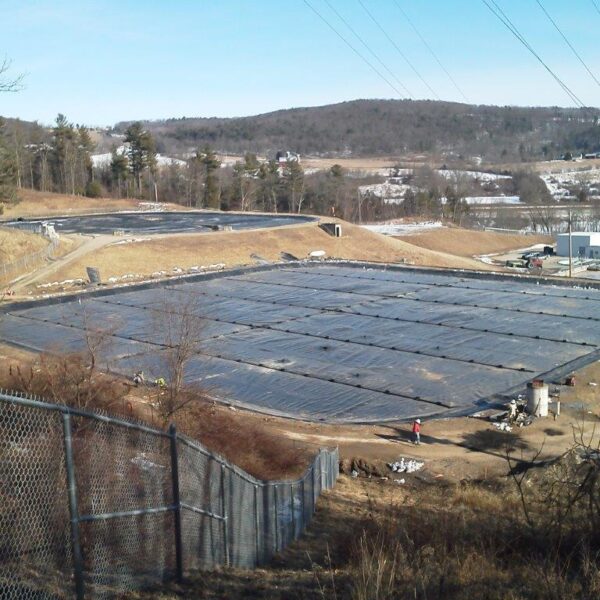
A floating cover is only as reliable as the system that holds it in place. Plastic Fusion Fabricators engineers and installs ballast systems for floating covers on reservoirs, lagoons, ponds, tanks, and digesters — the weighting and tensioning components that keep a cover stable on the liquid surface, resist wind uplift, channel rainwater, and maintain consistent contact with the water as levels rise and fall.
Without a properly engineered ballast system, a floating cover can billow, shift, pond water, or lift in high winds — compromising the evaporation, odor, gas capture, or heat retention function it was installed to provide. The ballast system is what turns a sheet of geomembrane into a working cover.
What a Ballast System Does
A floating cover ballast system serves several functions simultaneously:
- Wind uplift resistance — ballast weight holds the cover down against wind loads that would otherwise lift or billow the membrane
- Cover stability — keeps the cover positioned and tensioned across the full liquid surface
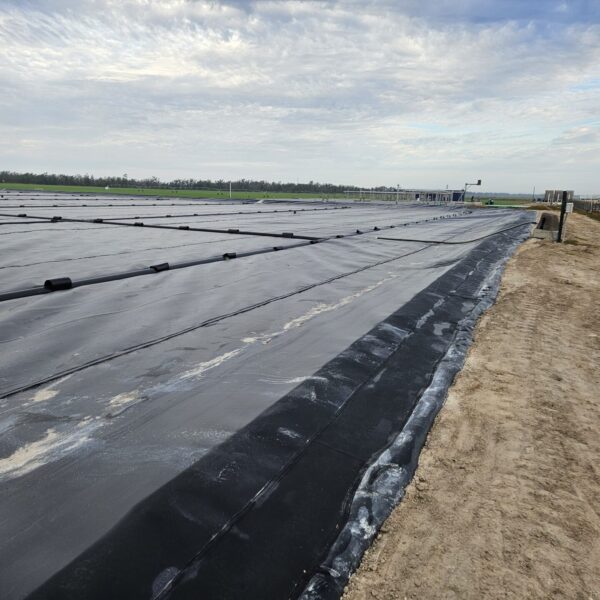
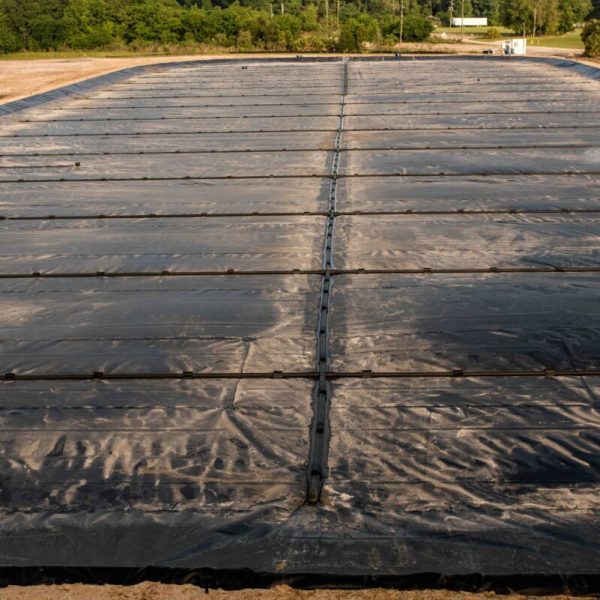
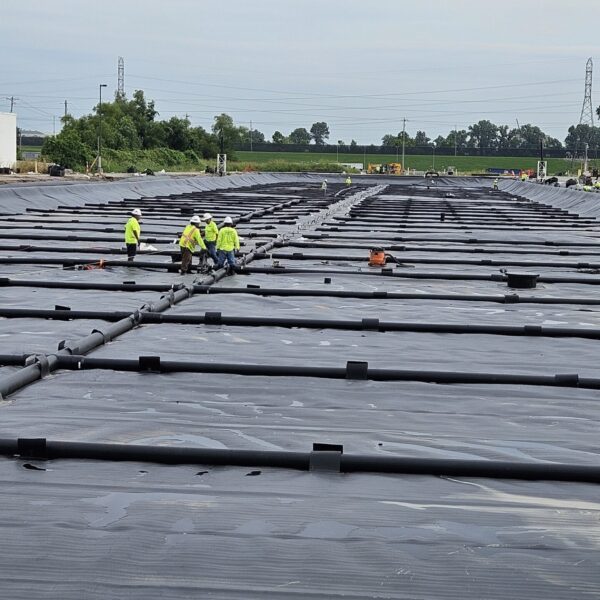
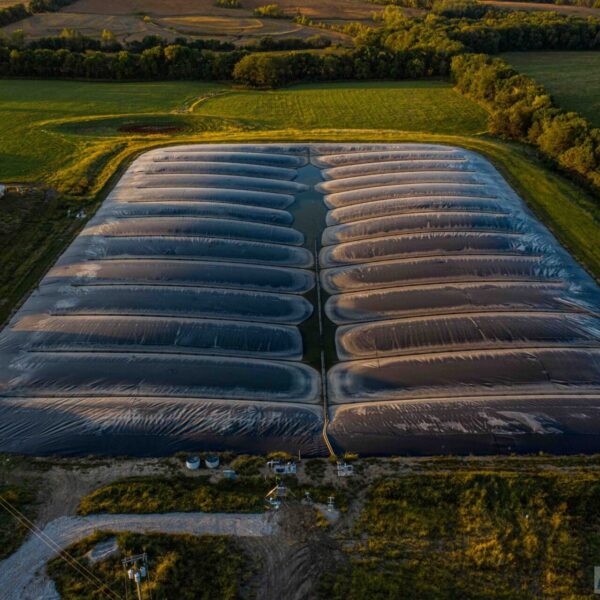
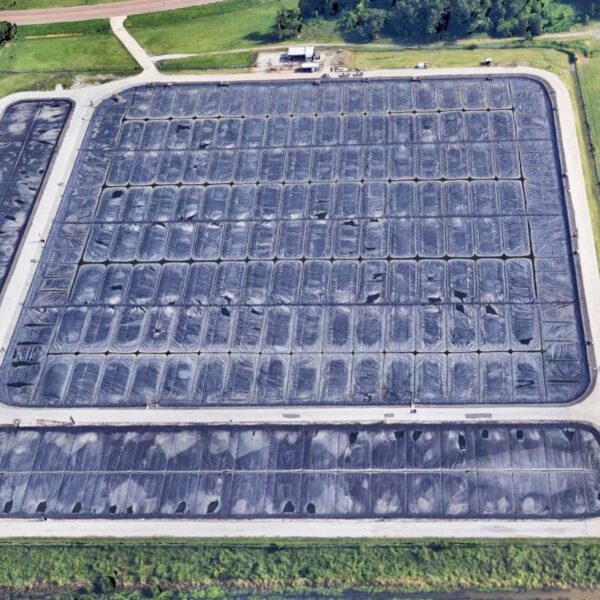
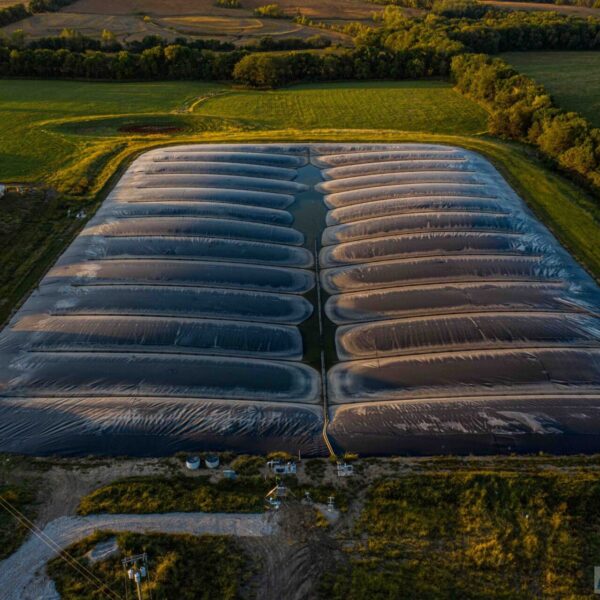
- Rainwater management — ballast tubes create channels that direct rainwater to collection and removal points, preventing ponding that loads and stresses the cover
- Surface contact — maintains consistent contact between the cover and the liquid as levels fluctuate, preserving the seal for evaporation, odor, or gas containment
- Gas management — on biogas collection covers, ballast helps manage gas accumulation and cover movement as gas volume changes
How PFF Engineers Ballast Systems
Ballast systems are typically water-filled or sand-filled tubes welded to the cover surface in a pattern engineered for the specific basin geometry, wind exposure, and cover function. The ballast layout — tube spacing, fill weight, and channel routing — is designed around your site’s conditions: prevailing wind direction and speed, basin shape, rainwater volume, and whether the cover is sealing for evaporation, odor, heat, or gas capture.
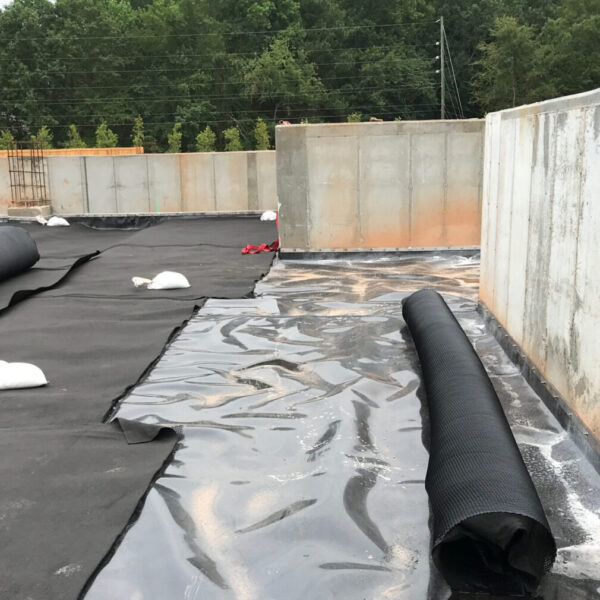
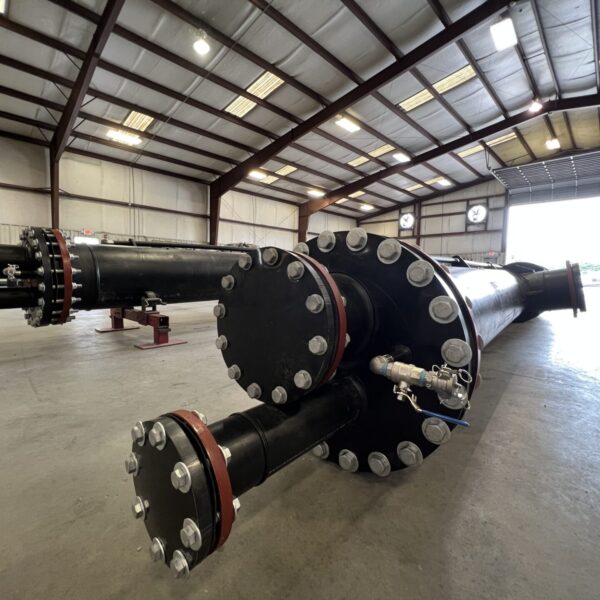
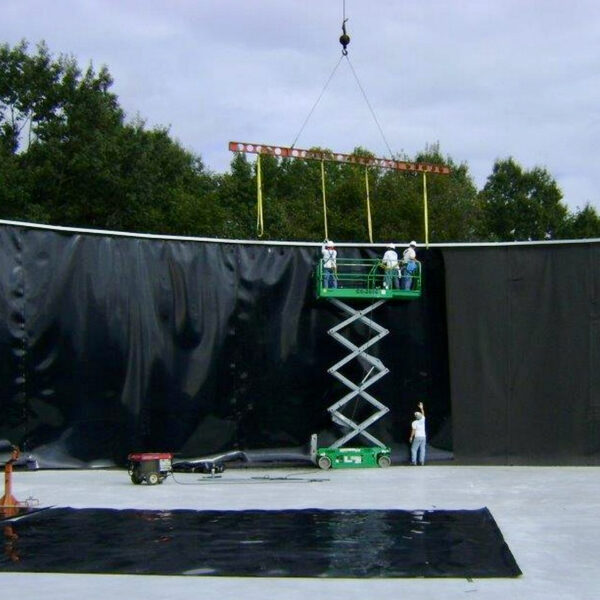
Plastic Fusion fabricates ballast tubes and integrates them into the cover during fabrication, using the same fusion welding and QA/QC standards we apply to the cover itself. The ballast system is engineered as part of the cover — not added as an afterthought.
Proven Performance
Plastic Fusion installed its first floating lagoon cover in 1991 and has since installed over 12 million square feet of covers across more than 150 projects. Every one of those covers relies on a ballast and anchoring system engineered to keep it performing through wind, rain, and years of liquid level cycling. That experience is built into every ballast system we design.
Part of a Complete Floating Cover System
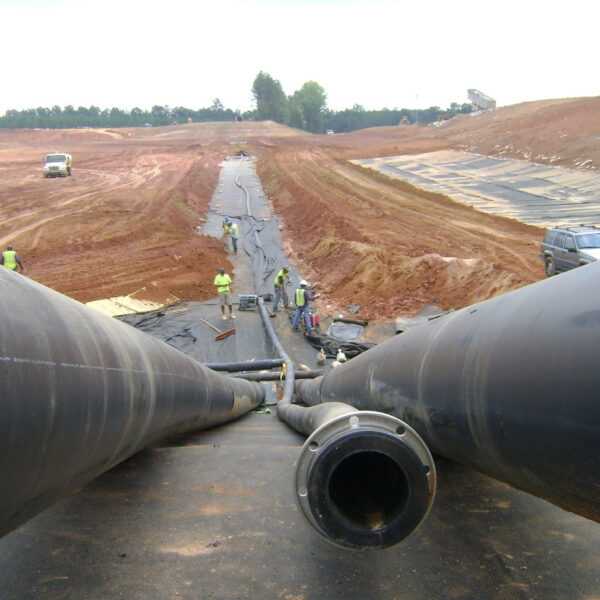
A ballast system is one component of a complete floating cover installation. Plastic Fusion designs and installs the full system — cover membrane, ballast and tensioning, perimeter anchoring, rainwater drainage, access hatches, and any gas collection or instrumentation integration your application requires. To discuss a floating cover system for your reservoir, lagoon, pond, tank, or digester, contact our team.