
Heat Retention Lagoon Covers

CONTACT FOR HEAT RETENTION LAGOON COVERS


Unmatched Performance
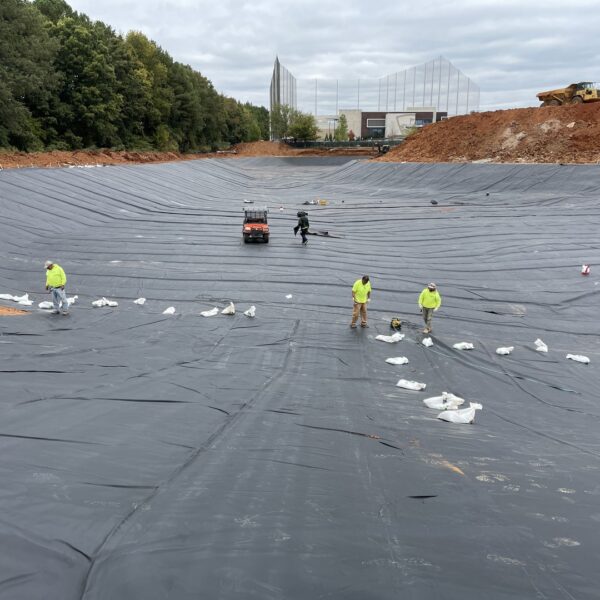
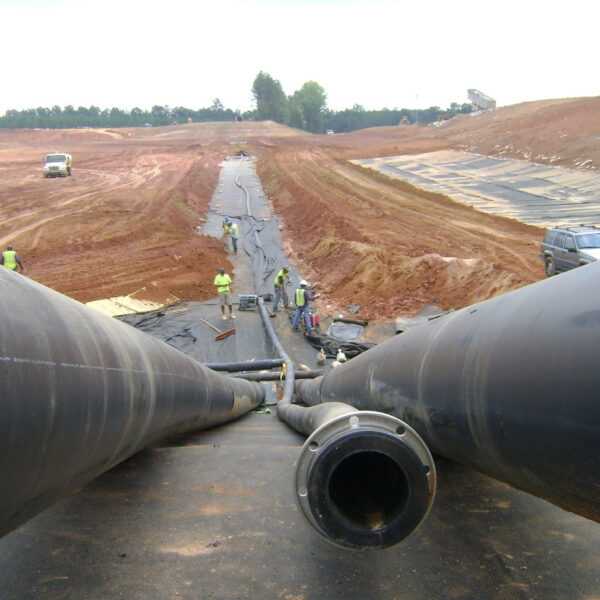
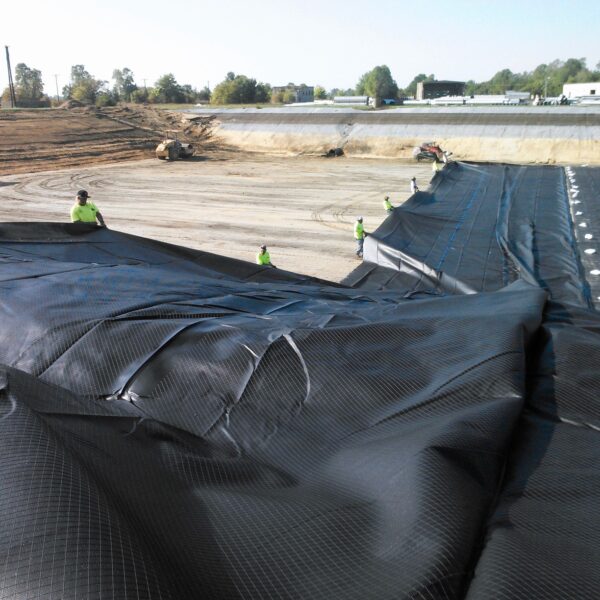
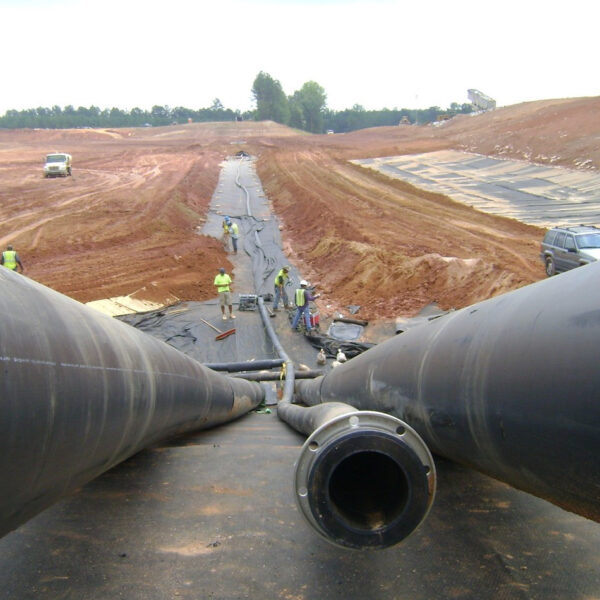
“Plastic Fusion was hired to test, repair, and replace existing pond liners on a restart project. The scope of work included installing a new insulated HDPE cover on the existing AD lagoon. Not only was the quality of the crew’s work exceptional, PFF was given the “A Team” award for outstanding work ethic.”
Ron Davies, Project Manager
Platte River Biogas, LLC
wHAT WE DO

Heat Retention Lagoon Covers
CONTACT FOR HEAT RETENTION LAGOON COVERS
Heat Retention Lagoon Covers
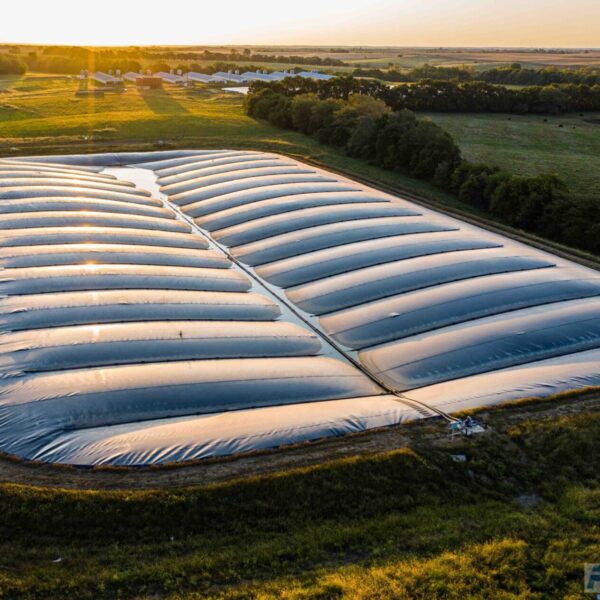
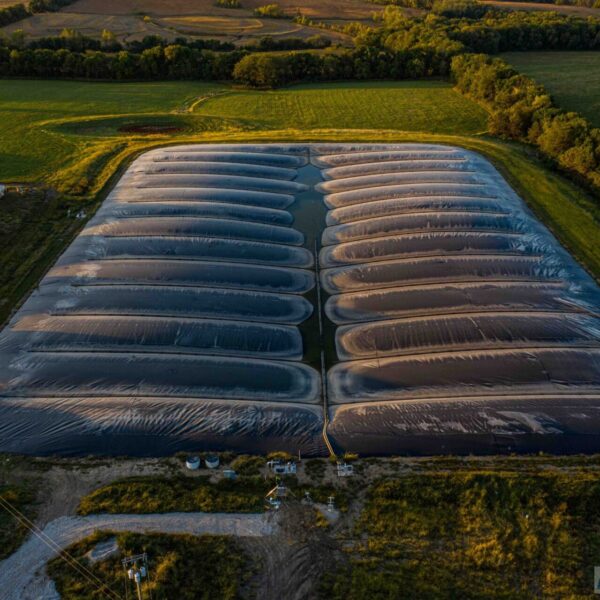
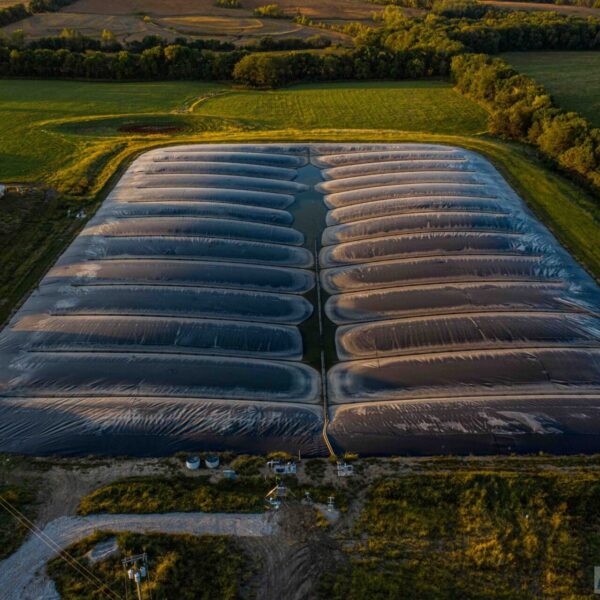
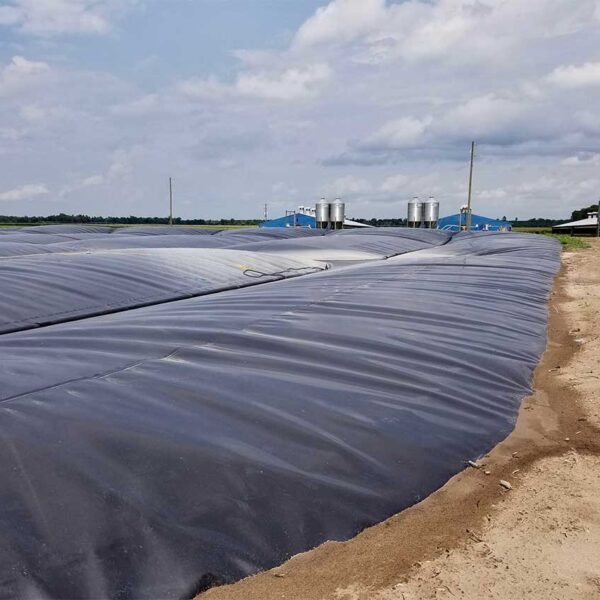
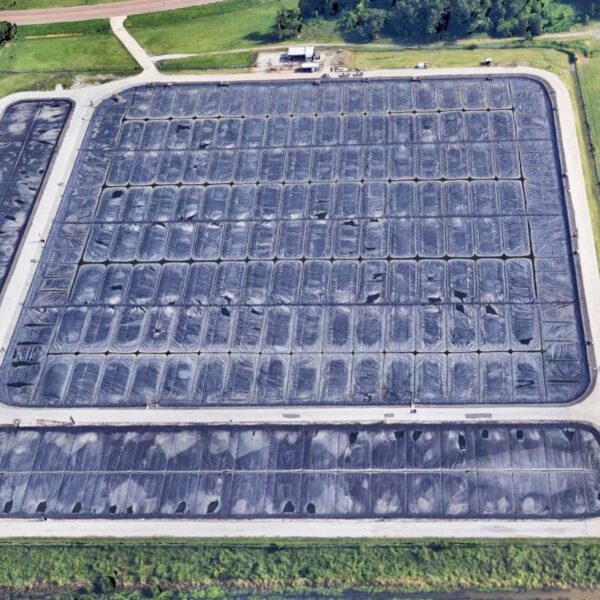
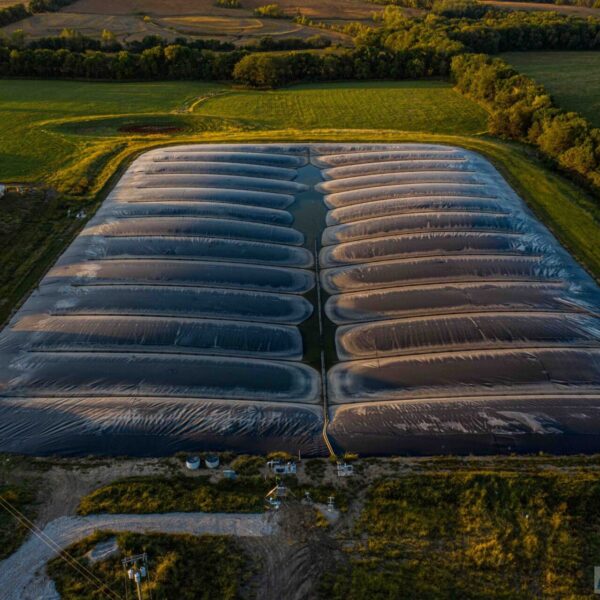
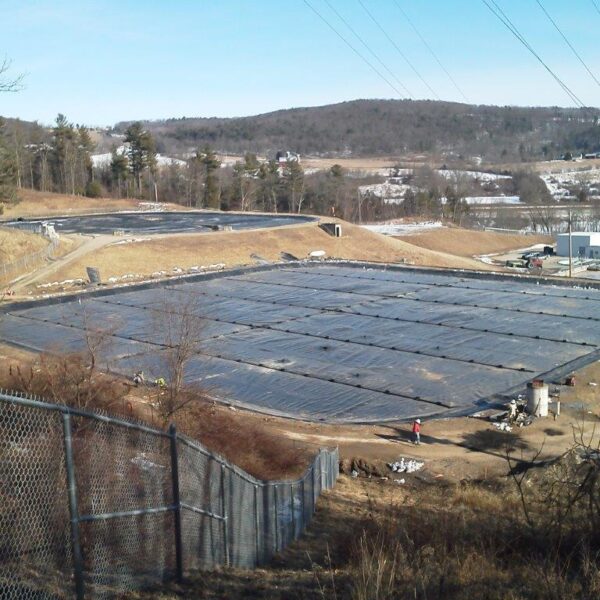
Plastic Fusion Fabricators designs and installs insulated heat retention covers for wastewater treatment lagoons, anaerobic digestion systems, aquaculture basins, and temperature-sensitive industrial processes. Our insulated floating covers reduce thermal loss by up to 90%, maintaining the basin temperatures that biological treatment processes require to function — even through harsh winters and extreme diurnal temperature swings.
In biological wastewater treatment and anaerobic digestion, temperature is everything. Bacterial populations that break down ammonia, BOD, and organic waste require sustained temperatures to remain active. When lagoon surface temperatures drop, treatment efficiency collapses — ammonia spikes, odor increases, and permit violations follow. A heat retention cover creates an insulated barrier between the warm liquid surface and cold ambient air, trapping thermal energy in the basin and reducing heating costs by 30–50% or more in cold-climate installations.
Plastic Fusion’s heat retention covers are multi-layer insulated floating systems — not single-membrane geomembrane covers with limited thermal resistance. Our covers incorporate closed-cell foam insulation between geomembrane layers, delivering R-values engineered for your climate zone, basin temperature targets, and heating system capacity. With 40+ years in floating cover installation, we engineer and install heat retention systems that keep your biological process running through winter without burning through your heating budget.
Applications
- Municipal wastewater treatment lagoon heat retention
- Anaerobic digester lagoon temperature management
- Covered lagoon digester systems with integrated gas collection
- Aquaculture and fish farm pond temperature control
- Industrial biological treatment basin insulation
- Heated process water storage ponds
- Cold-climate lagoon systems requiring year-round biological activity
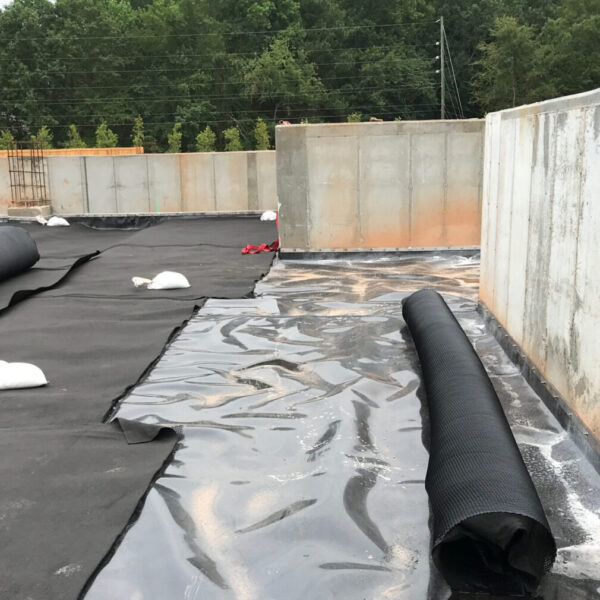
- Heat retention tank covers for concrete and steel digesters
How Heat Retention Covers Work
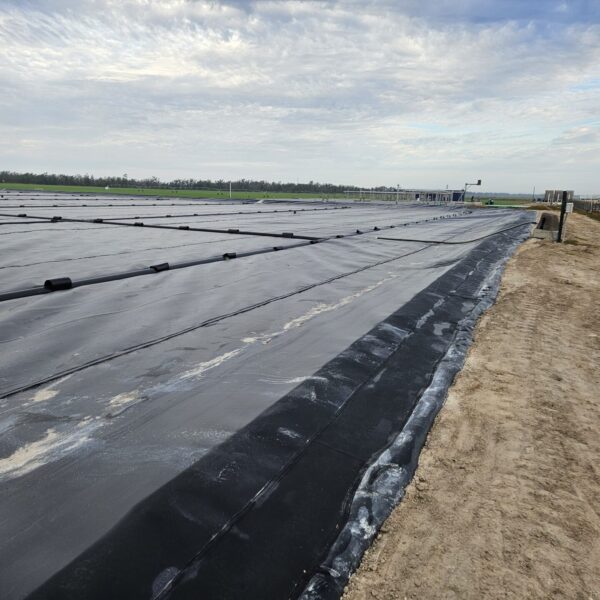
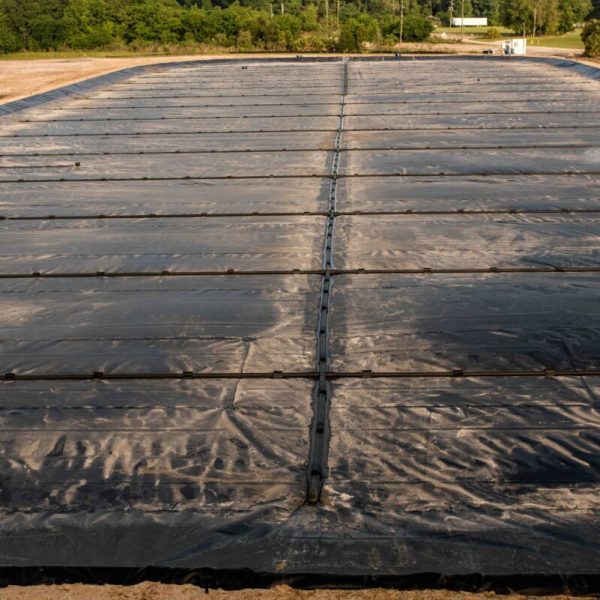
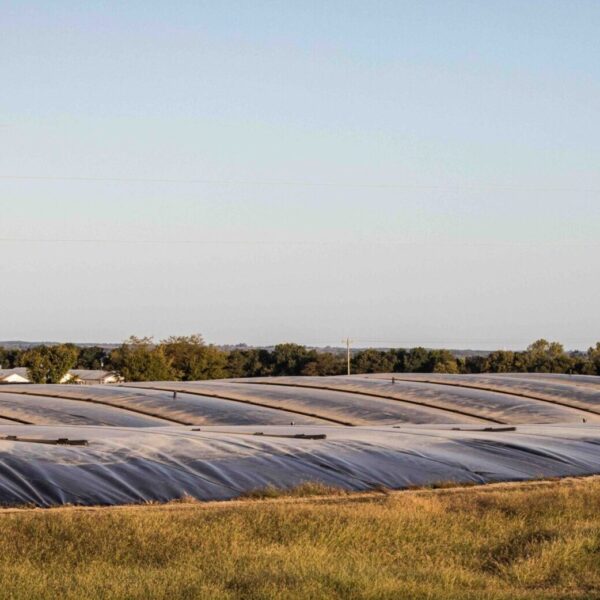
A heat retention cover is a multi-layer insulated floating system. The liquid-contact layer is a geomembrane that sits on the water surface. Above it, closed-cell foam insulation provides thermal resistance (measured in R-value) that slows heat transfer from the warm water to the cold air. A top geomembrane layer protects the insulation from UV, rain, and wind. The entire assembly floats on the liquid surface, rising and falling with water levels, and is anchored at the perimeter.
The cover works by trapping the thermal energy already in the basin — whether from solar gain, biological heat generation (anaerobic digestion produces significant heat), or supplemental heating systems. By reducing radiant and convective heat loss from the water surface, the cover maintains higher basin temperatures with less energy input. In lagoon systems with mechanical heating, this directly reduces fuel or electricity costs. In unheated systems, it extends the active biological treatment season deeper into fall and winter.
Heat Retention Cover Design Considerations
- R-value selection — matched to your climate zone, target water temperature, and heating system capacity. Higher R-values for colder climates and higher target temperatures.
- Insulation type — closed-cell foam for buoyancy, moisture resistance, and long-term R-value stability
- Gas management — heat retention covers over anaerobic systems must accommodate biogas accumulation. Covers can integrate with biogas collection systems for methane capture.
- Access and maintenance — hatches, zippers, and removable panels for sampling, equipment access, and in-basin maintenance without removing the cover
- Rainwater drainage — integrated drainage to prevent ponding and cover loading
- Wind anchoring — perimeter systems designed for uplift loads in open lagoon environments
Why Engineers and Facility Owners Specify Plastic Fusion
- 40+ years installing floating cover systems — heat retention is a core application
- Multi-layer insulated cover construction with R-values engineered for your climate and process
- Integrated gas collection capability for anaerobic lagoon and digester applications
- Certified thermoplastic welders with full QA/QC seam testing and documentation
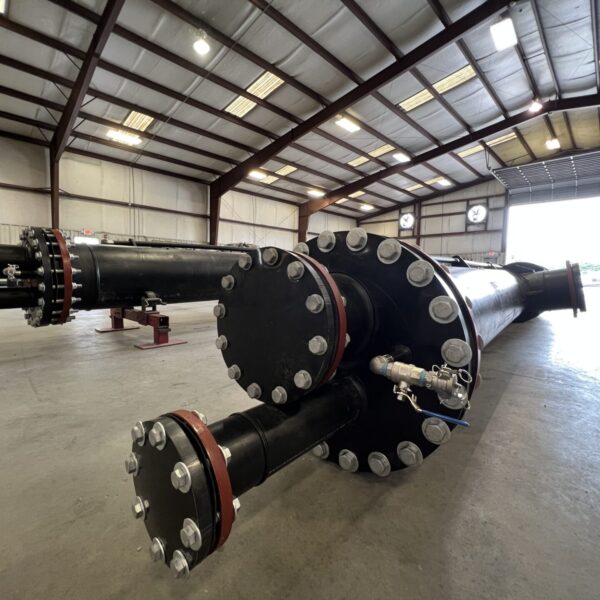
- In-house HDPE fabrication for cover components, hatches, and drainage details
- Nationwide mobilization — including cold-climate installations across northern U.S. and Canada
- Direct coordination with process engineers, plant operators, and equipment suppliers
- Repair and maintenance services for existing heat retention cover systems
Industries Served
Plastic Fusion installs heat retention covers for municipal wastewater utilities, agricultural waste treatment operations, aquaculture and fish farming facilities, food and beverage processors, industrial biological treatment plants, and renewable energy developers operating cold-climate anaerobic digestion systems.
Heat Retention Cover FAQs
What is a heat retention lagoon cover?
A heat retention lagoon cover is an insulated floating barrier installed on the surface of a wastewater treatment lagoon, digester basin, or aquaculture pond to prevent thermal energy loss. Unlike standard geomembrane floating covers that provide a physical barrier only, heat retention covers incorporate closed-cell foam insulation between geomembrane layers — delivering measurable R-values that reduce heat loss from the water surface by up to 90%. This maintains the basin temperatures that biological treatment processes and aquatic organisms require to function.
How much energy do heat retention covers save?
Heat retention covers typically reduce heating energy costs by 30–50% or more in cold-climate lagoon installations. The exact savings depend on climate severity, basin size, target water temperature, existing heating system efficiency, and the R-value of the cover. In unheated lagoon systems, heat retention covers extend the active biological treatment season by maintaining higher water temperatures deeper into fall and winter — preventing the ammonia spikes and treatment efficiency losses that cold temperatures cause.
What is the difference between a heat retention cover and a standard floating cover?
A standard floating cover is a single-layer geomembrane that provides a physical barrier for evaporation control, algae prevention, or contamination protection. A heat retention cover is a multi-layer insulated system — geomembrane, closed-cell foam insulation, and protective top layer — that provides both a physical barrier and thermal insulation. The R-value of the insulation layer is what distinguishes heat retention covers from standard floating covers. Choose a heat retention cover when maintaining basin temperature is a process requirement.
Can heat retention covers also capture biogas?
Yes. In anaerobic lagoon and digester applications, heat retention covers can be designed with integrated gas collection — combining thermal insulation with gas-tight containment and biogas collection piping. This dual-function design is common in cold-climate covered lagoon digesters where both temperature maintenance and methane capture are project requirements.
How long do heat retention covers last?
A properly installed heat retention cover typically delivers 15–25 years of service life. Longevity depends on UV exposure, wind loading, insulation integrity, and the quality of the original seam welding. The insulation layer’s R-value can degrade over time if moisture intrusion occurs — which is why closed-cell foam and properly sealed geomembrane layers are critical to long-term thermal performance.
What R-value do I need for my lagoon cover?
R-value selection depends on your climate zone (heating degree days), target basin temperature, basin surface area, and whether you’re supplementing with mechanical heating. Colder climates and higher target temperatures require higher R-values. Plastic Fusion engineers the insulation specification for each project based on your site-specific thermal analysis — we don’t use one-size-fits-all R-values.
Request a Quote
If your lagoon, digester, or basin needs thermal protection to maintain biological treatment performance or reduce heating costs, Plastic Fusion designs and installs insulated heat retention covers matched to your climate, your process, and your budget. Contact us for project-specific pricing, R-value recommendations, and installation timelines.