
Frac Pond Liners
CONTACT FOR FRAC POND LINER INSTALLATION


Unmatched Performance
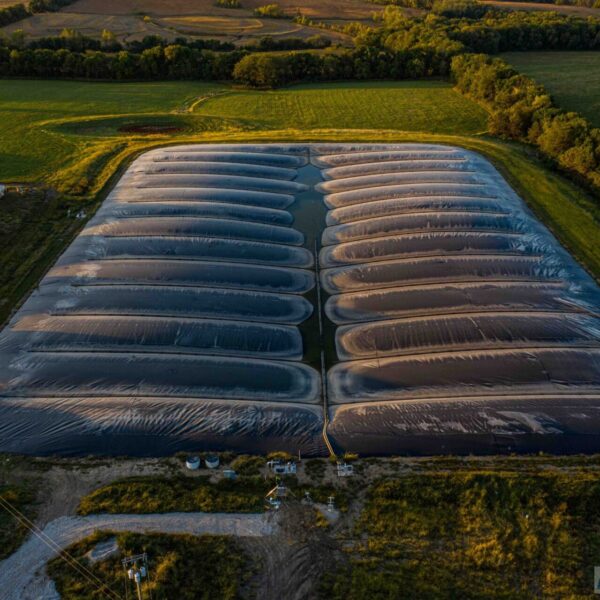
“Plastic Fusion was hired to test, repair, and replace existing pond liners on a restart project. The scope of work included installing a new insulated HDPE cover on the existing AD lagoon. Not only was the quality of the crew’s work exceptional, PFF was given the “A Team” award for outstanding work ethic.”
Ron Davies, Project Manager
Platte River Biogas, LLC
wHAT WE DO
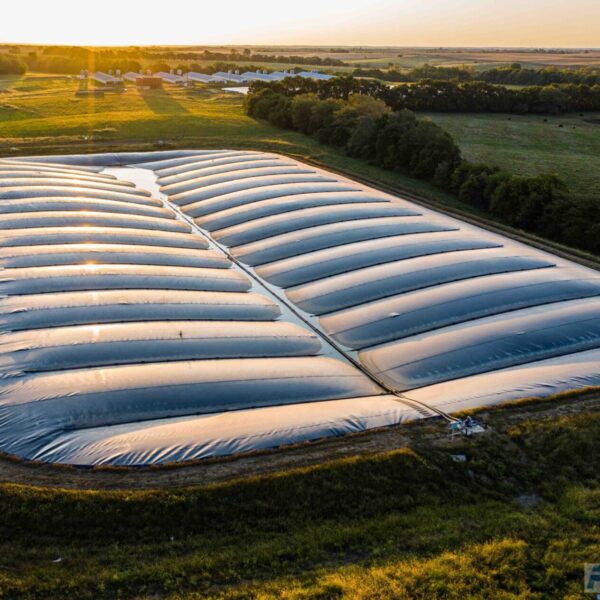
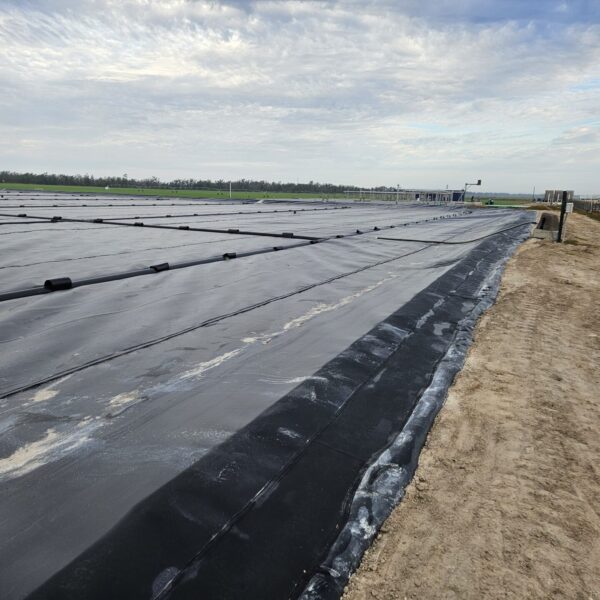
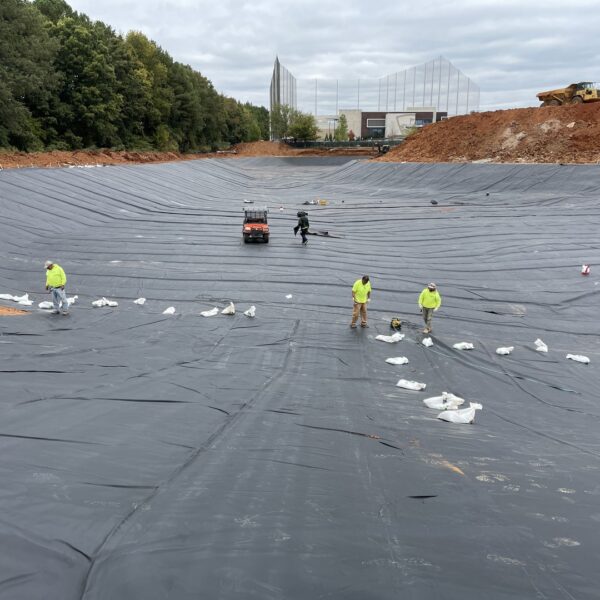
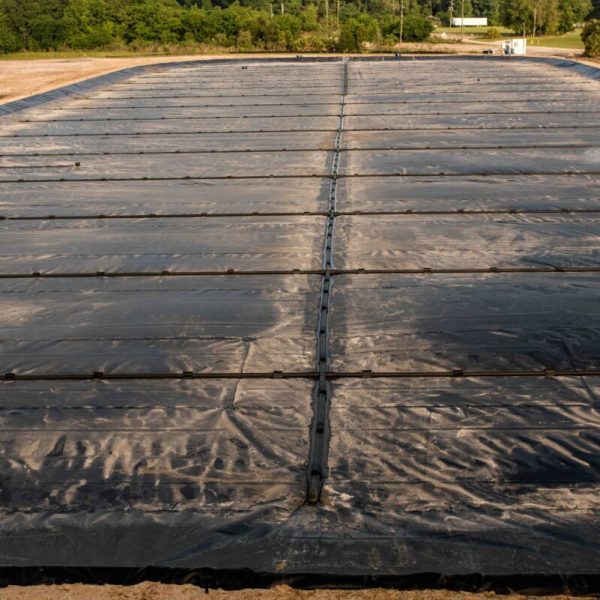
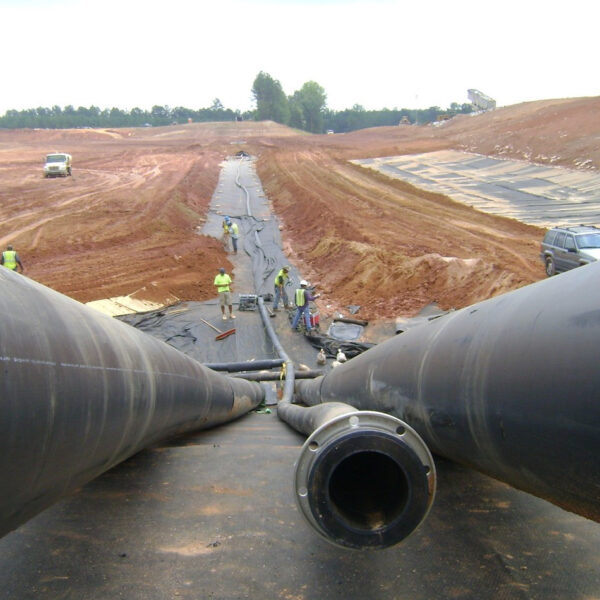
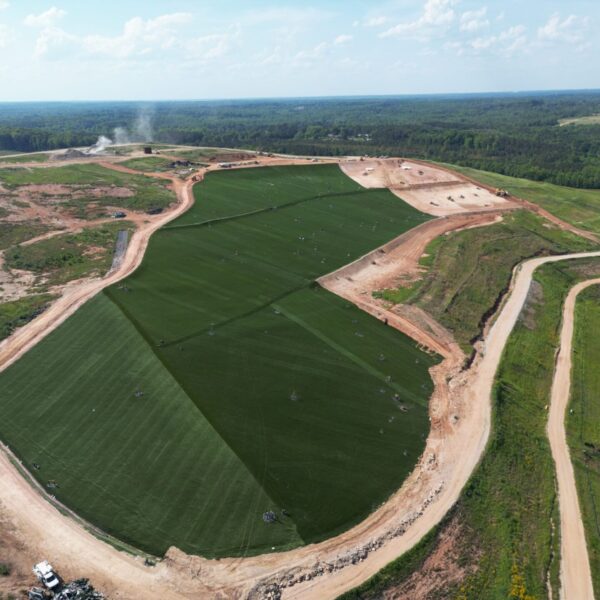
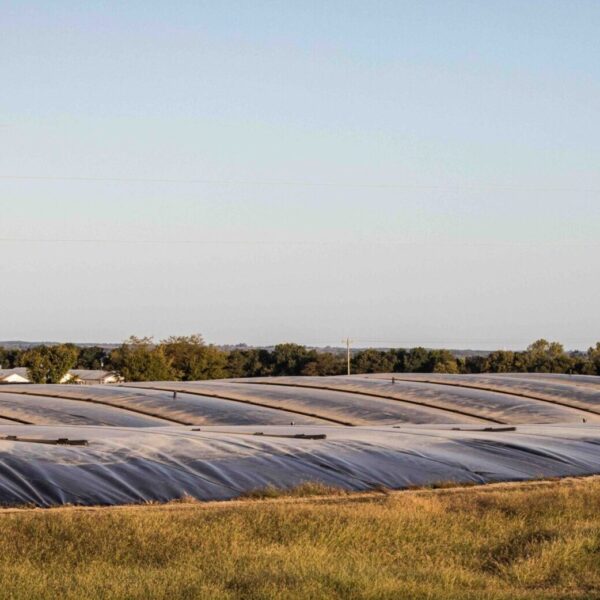
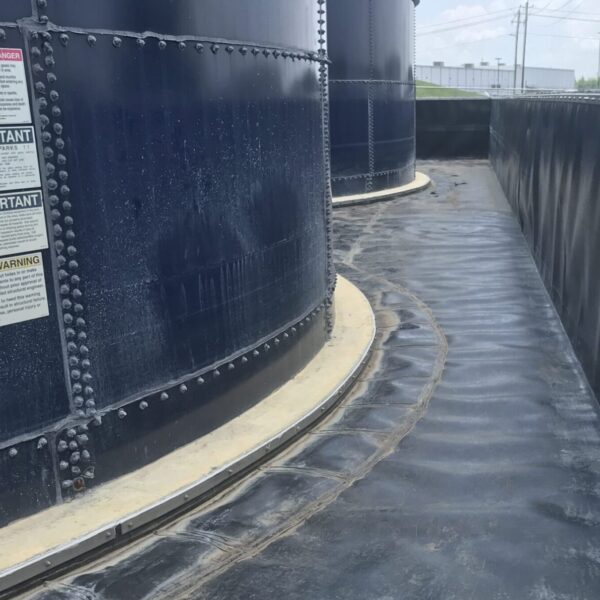
Frac Pond Liners
CONTACT FOR FRAC POND LINER INSTALLATION
Frac Pond & Frac Pit Liner Installation for Hydraulic Fracturing
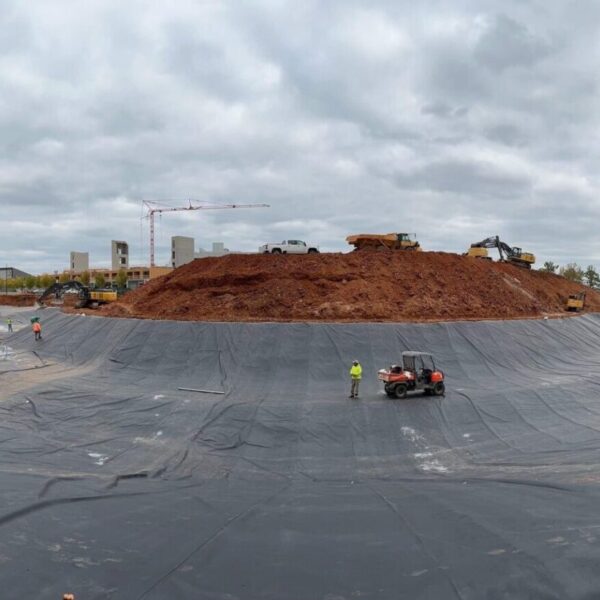
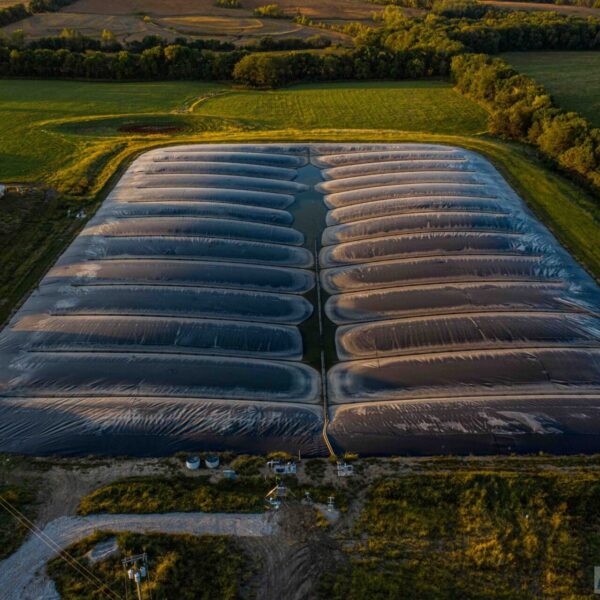
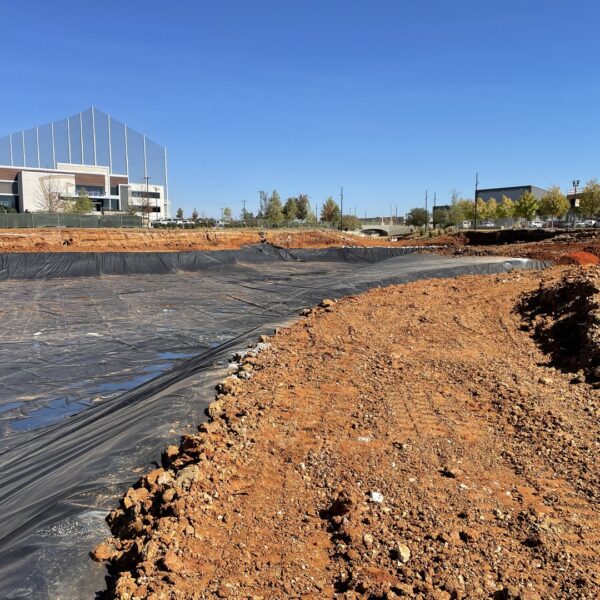
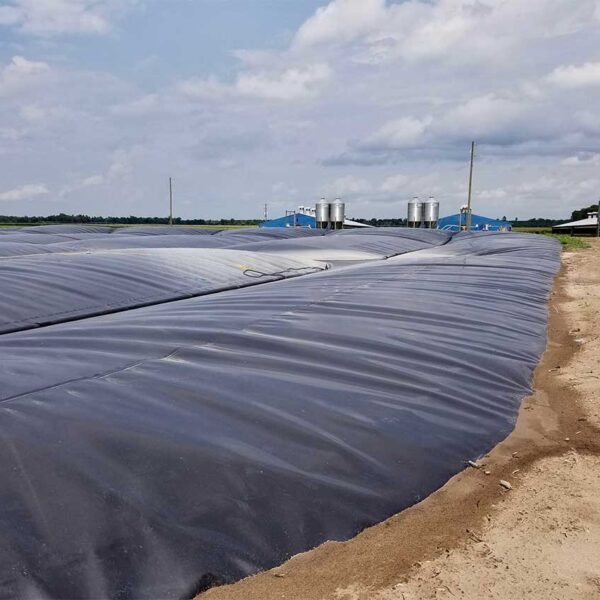
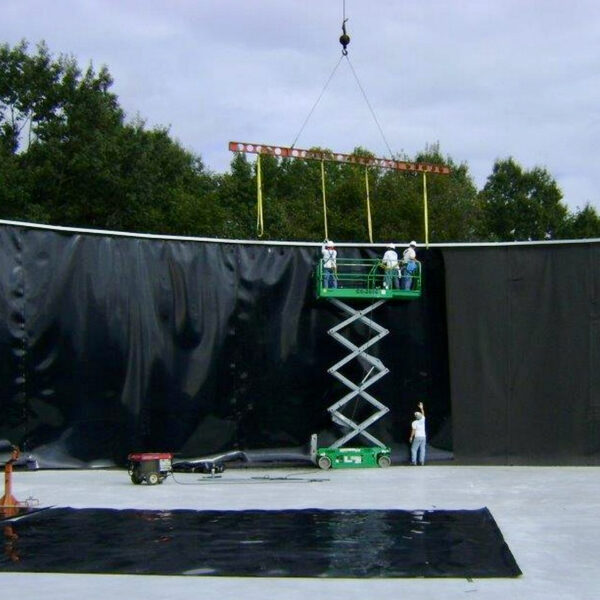
Plastic Fusion Fabricators delivers turnkey frac pond and frac pit liner installation for hydraulic fracturing operations — engineered, fusion-welded geomembrane containment for the high volumes of frac water, flowback, and produced water that fracking generates. A frac pond or frac pit liner is the impermeable barrier that keeps fracturing fluids, hydrocarbons, and drilling chemicals from leaching into the soil and groundwater, and it’s what keeps an operation in environmental compliance. We install HDPE, LLDPE, and RPP liners built for the chemical load, the volume, and the fast timelines of oilfield work. With 40+ years of geomembrane installation across 24 states, Plastic Fusion is the installer operators call when the containment has to go in right and go in fast.
Hydraulic fracturing moves enormous quantities of water — fresh water to the well, then flowback and produced water back out, loaded with sand, hydrocarbons, and chemical additives. All of it has to be contained. An unlined or under-spec’d frac pond is an environmental liability and a compliance failure waiting to happen. A properly engineered geomembrane liner turns the pond or pit into a sealed, chemically resistant basin that holds the fluid and keeps it off the ground.
Frac Pond Liners
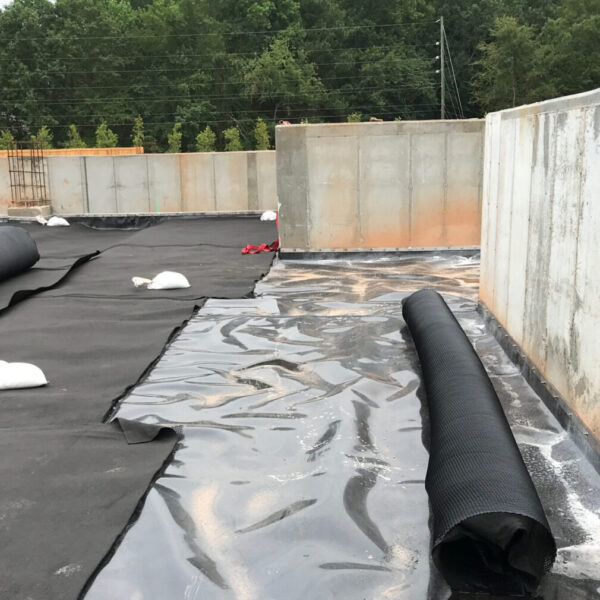
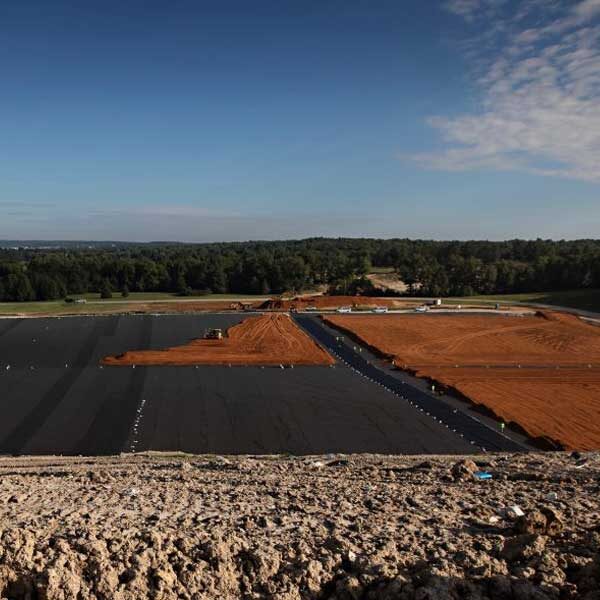
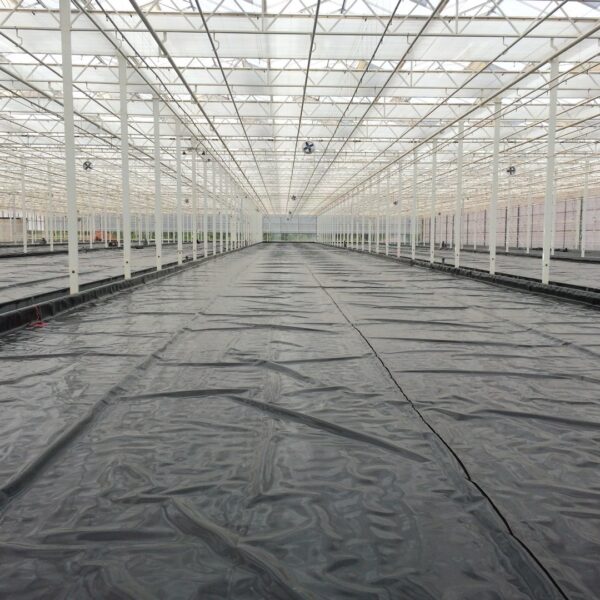
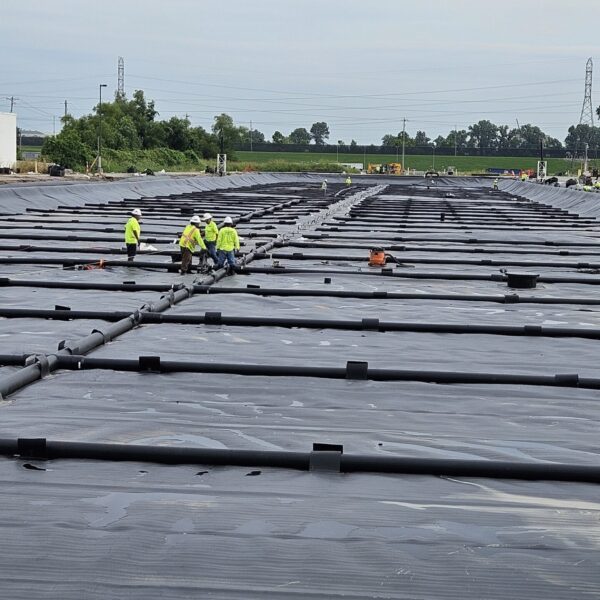
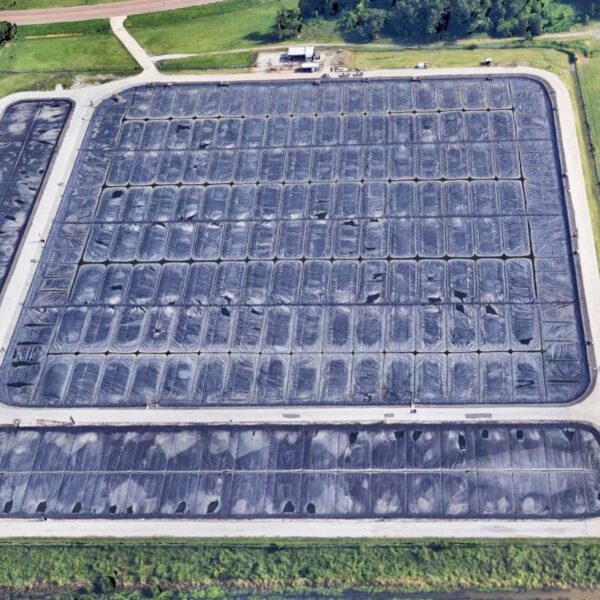
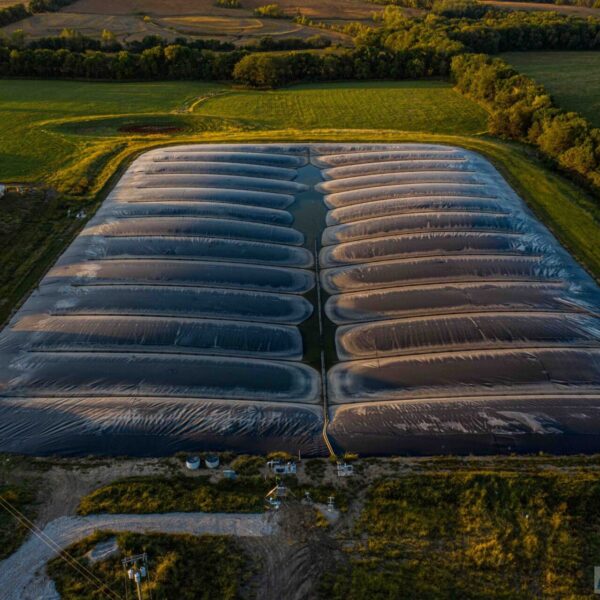
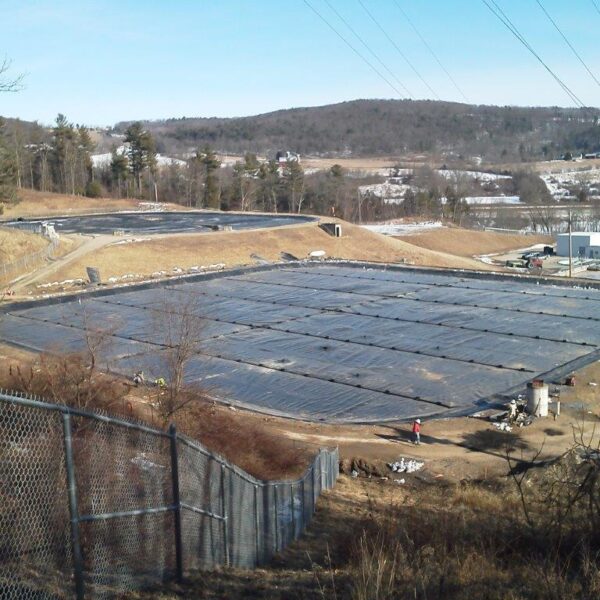
For high-volume water storage — fresh-water frac ponds, flowback ponds, and produced-water storage — we install fusion-welded geomembrane liners engineered to the pond’s volume, slope, and the fluids it holds. Continuous welded seams, anchored containment, and tested integrity mean the pond holds what you put in it through the life of the operation.
Frac Pit Liners
The pit is the same containment problem in a different shape. We install frac pit liners and frac pit liner geomembrane for reserve pits, flowback pits, and drilling-fluid pits — heavy-gauge, chemically resistant geomembrane deployed and welded to seal the pit against the hydrocarbons and chemicals it contains. Whether your operation calls it a frac pond or a frac pit, the engineering is the same: an impermeable, chemical-resistant, leak-tested barrier.
Frac Pond Construction and Liner Deployment
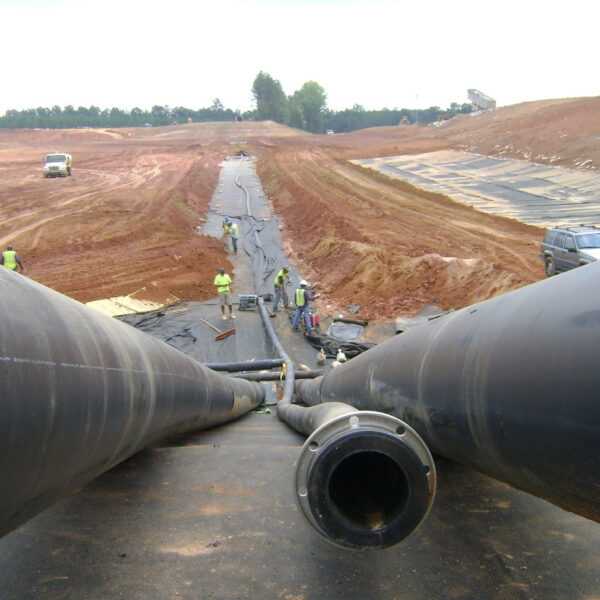
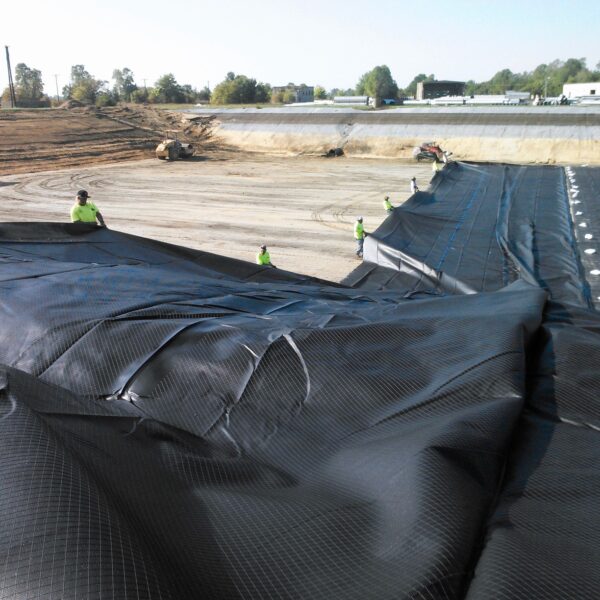
We work as part of frac pond construction or as the liner installer on a pond another contractor builds. Custom-fabricated panels minimize the number of field seams, the liner is deployed and anchored to the engineered grade, and every seam is fusion-welded and tested before the pond goes into service — so the containment is sound before a drop of flowback hits it.
What Frac Liners Contain
- Fresh water — pre-frac water storage
- Flowback — water, sand, and chemical additives returning from the well
- Produced water and brine — high-salinity water produced over the life of the well
- Drilling fluids — reserve and drilling-fluid pit containment
Frac Liner Materials
Fracturing fluids are aggressive, so material selection matters:
- HDPE (high-density polyethylene) — excellent hydrocarbon and chemical resistance, the workhorse for high-volume frac containment
- RPP (reinforced polypropylene) — flexible and highly chemical-resistant for harsh flowback and chemical exposure
- LLDPE — added flexibility for irregular pit shapes and ground movement
We install heavy-gauge, UV-stabilized geomembrane built to take the loads, abrasion, and chemistry of oilfield service. We do not use PVC for fracking containment — it reacts with hydrocarbons and is prone to failure in this application.
Leak Detection and Liner Integrity
In frac containment, a micro-tear is an environmental incident. Every liner we install is fusion-welded and seam-tested to confirm there are no gaps or weak points before the pond or pit goes into service. For high-risk containment, integrity testing catches liner failures before they become contamination — which is exactly why turnkey installation and tested seams matter more here than in almost any other application.
Frac Pit Liner Removal and Recycling
When a pit is decommissioned, the liner has to come out. We provide frac pit liner removal and handle end-of-life liners responsibly, including recycling where the material and condition allow — closing out the pit cleanly and keeping the site in compliance through decommissioning.
Related Pages
- Industrial liner installation — for broader industrial containment, see industrial liner installation
- Chemical containment — for engineered chemical containment systems
- All pond and containment liners — see our pond and containment liner applications
Why Oilfield Operators Choose Plastic Fusion
- 40+ years installing geomembrane containment, including oilfield and industrial
- Turnkey installation — fabrication, deployment, welding, and testing
- Rapid mobilization to meet oilfield timelines
- HDPE, LLDPE, and RPP matched to fracturing-fluid chemistry — never PVC
- Fusion-welded, seam-tested, leak-checked containment
- Active projects across 24 states with nationwide reach
Frac Liner FAQs
What’s the difference between a frac pond liner and a frac pit liner?
Very little in engineering terms. A frac pond is typically a larger, longer-term water-storage impoundment; a frac pit is often a smaller reserve, flowback, or drilling-fluid pit. Both require the same thing — an impermeable, chemically resistant, leak-tested geomembrane barrier. We install liners for both, specified to the fluid and the structure.
What’s the best liner material for fracking containment?
For frac ponds and pits, HDPE and RPP are the materials of choice — HDPE for its hydrocarbon and chemical resistance and durability under high volume, RPP for flexibility and resistance to harsh flowback chemistry. LLDPE adds flexibility for irregular shapes. PVC should be avoided for fracking containment because it reacts with hydrocarbons and is prone to leaking.
How do you make sure a frac liner won’t leak?
Every seam is fusion-welded and tested, and panels are custom-fabricated to minimize the number of field seams in the first place. For high-risk containment, integrity testing identifies any weak points before the pond or pit is put into service — catching a potential failure before it becomes a contamination event.
Do you remove and recycle old frac pit liners?
Yes. When a pit is decommissioned, we provide frac pit liner removal and handle end-of-life liners responsibly, including recycling where the material and condition allow.
Request a Quote
If you need frac pond or frac pit liner installation, frac pond construction support, or removal of a decommissioned liner, Plastic Fusion delivers turnkey, leak-tested geomembrane containment on oilfield timelines. Contact us with your containment scope for a quote.