
Containment Dike Liners
CONTACT FOR CONTAINMENT DIKE LINERS


Unmatched Performance
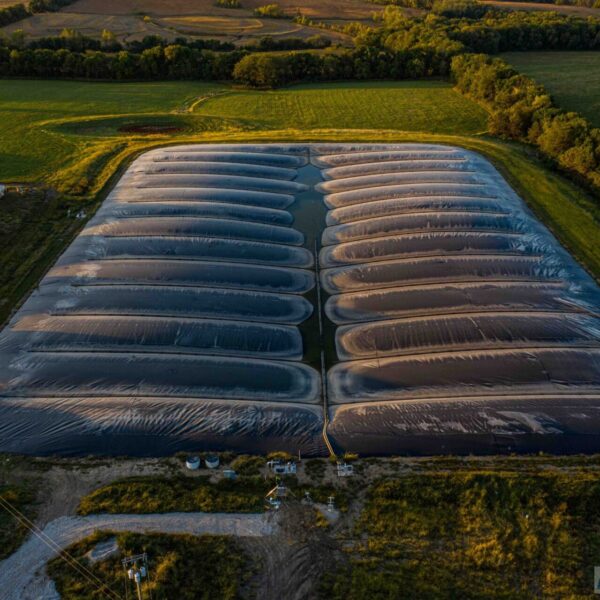
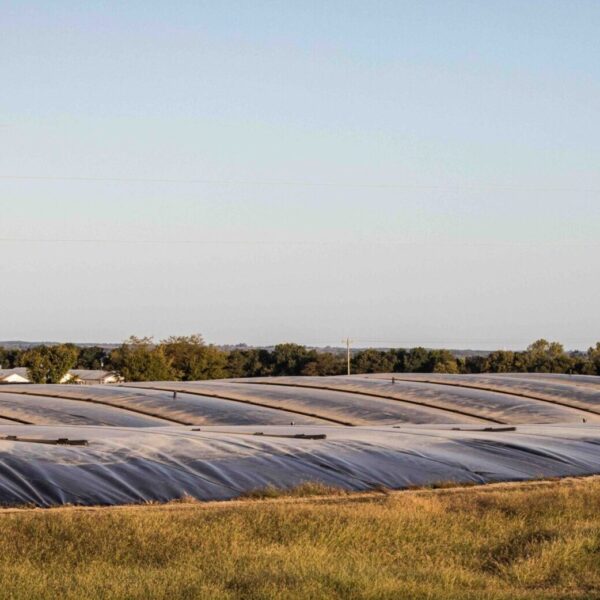
“Plastic Fusion was hired to test, repair, and replace existing pond liners on a restart project. The scope of work included installing a new insulated HDPE cover on the existing AD lagoon. Not only was the quality of the crew’s work exceptional, PFF was given the “A Team” award for outstanding work ethic.”
Ron Davies, Project Manager
Platte River Biogas, LLC
wHAT WE DO
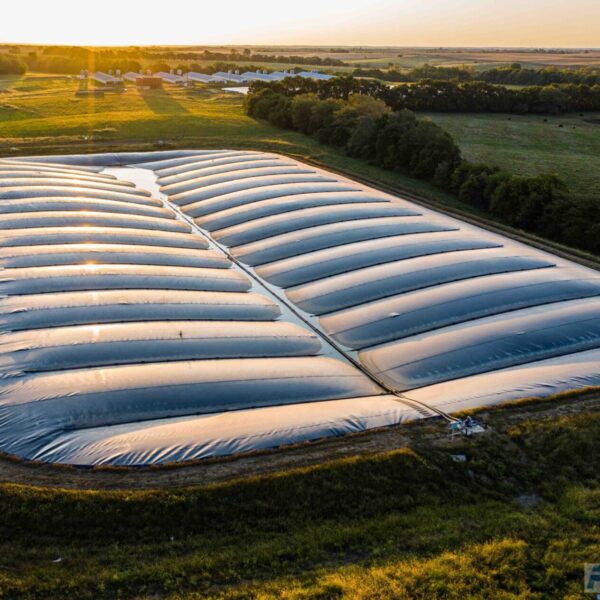
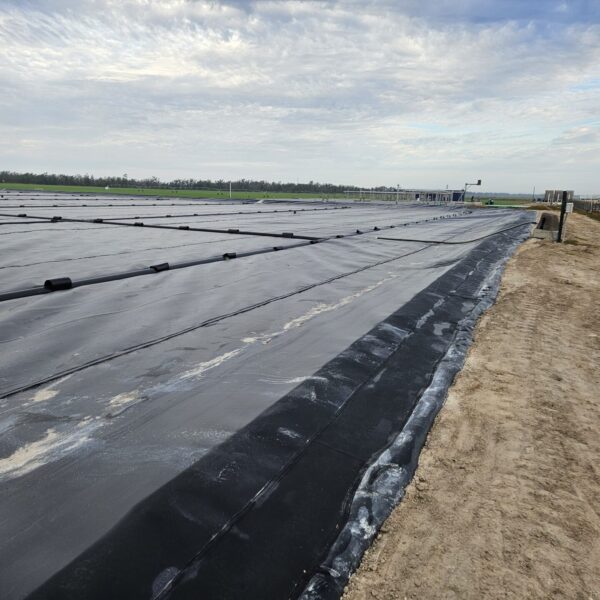
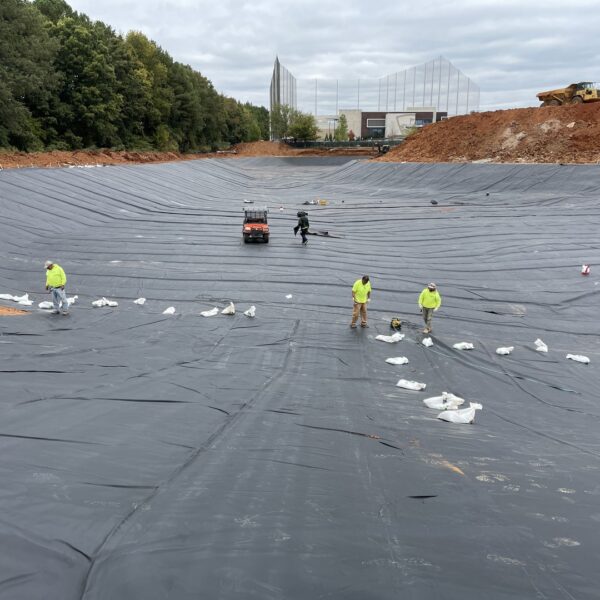
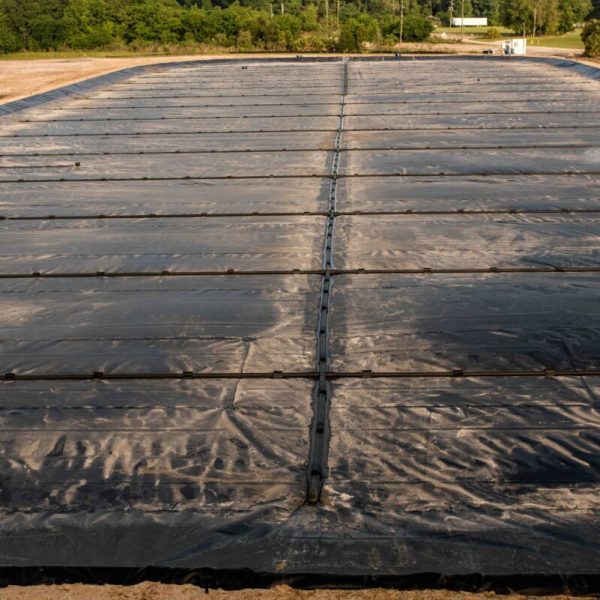
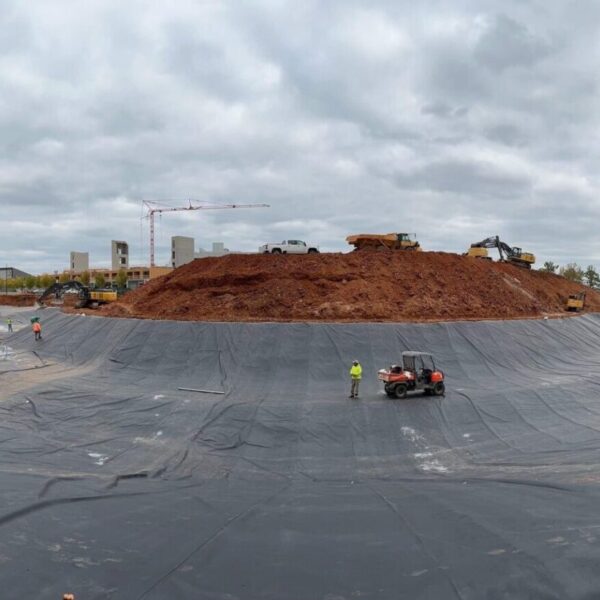
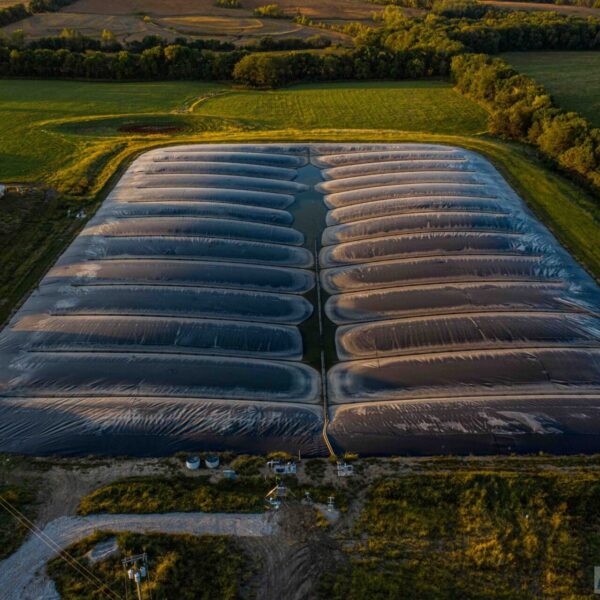
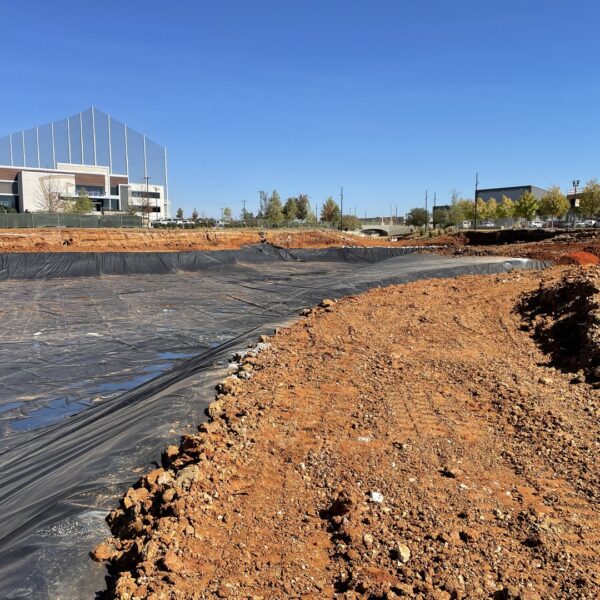
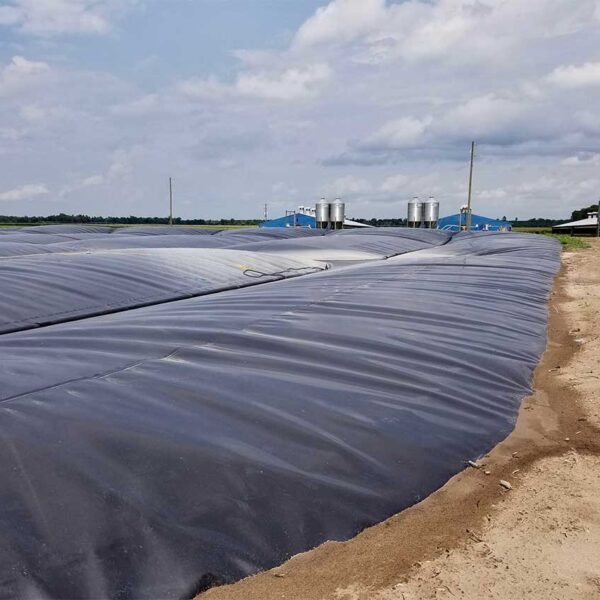
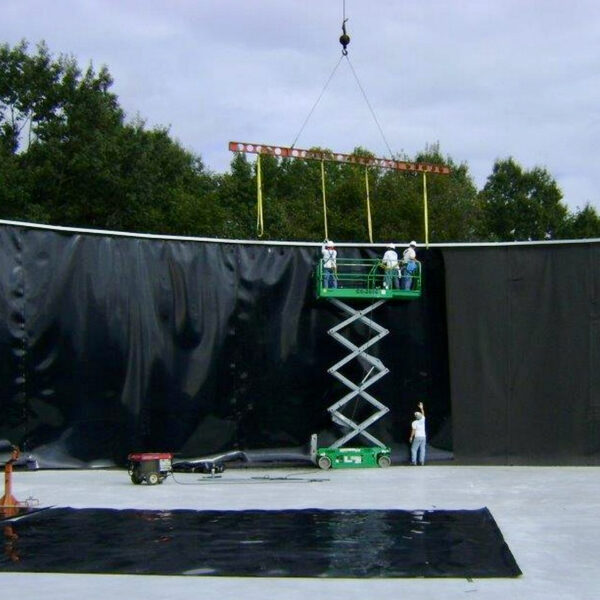
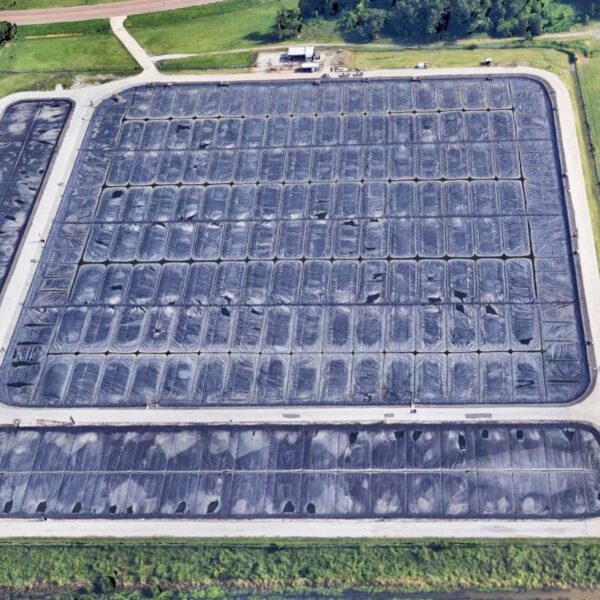
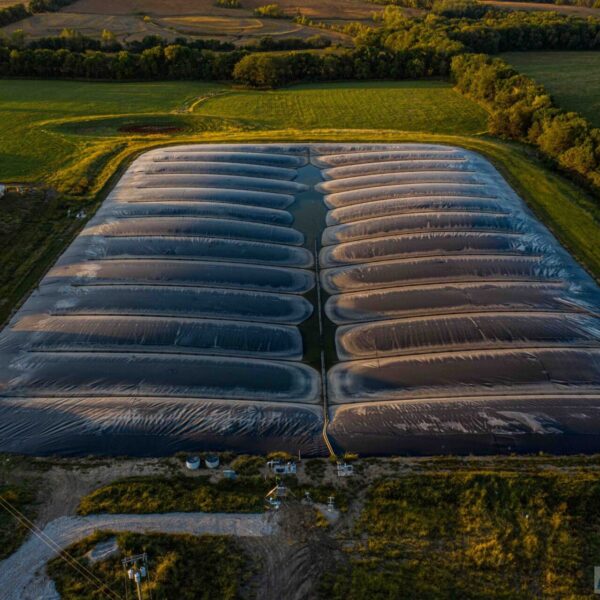
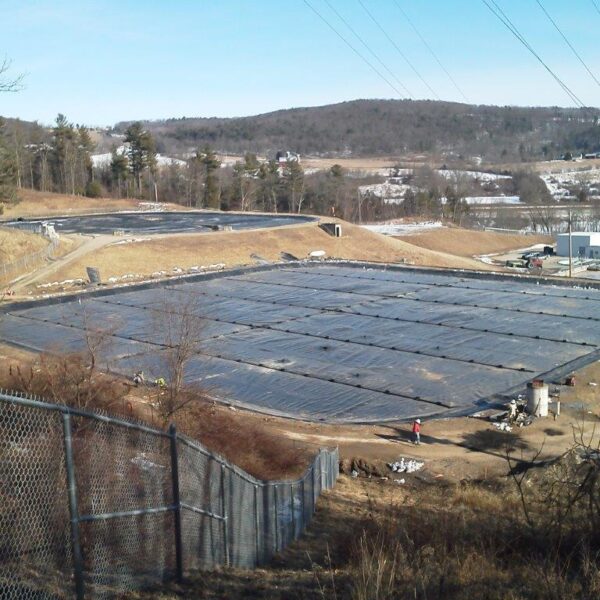
Containment Dike Liners
CONTACT FOR CONTAINMENT DIKE LINERS
Dike Liner Installation for Secondary Containment
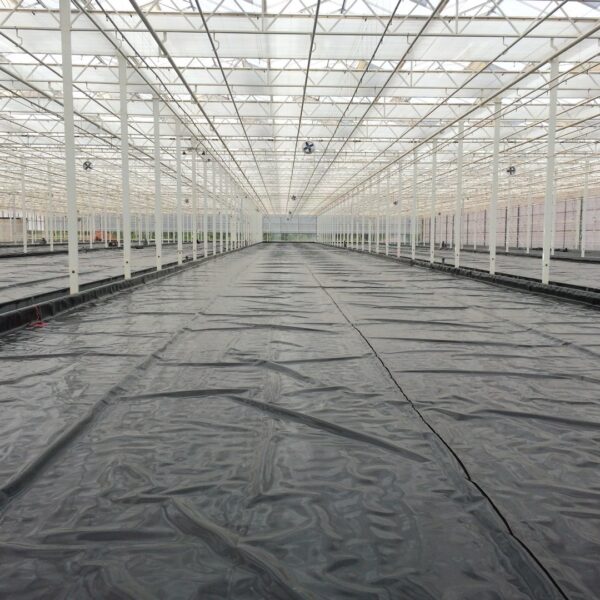
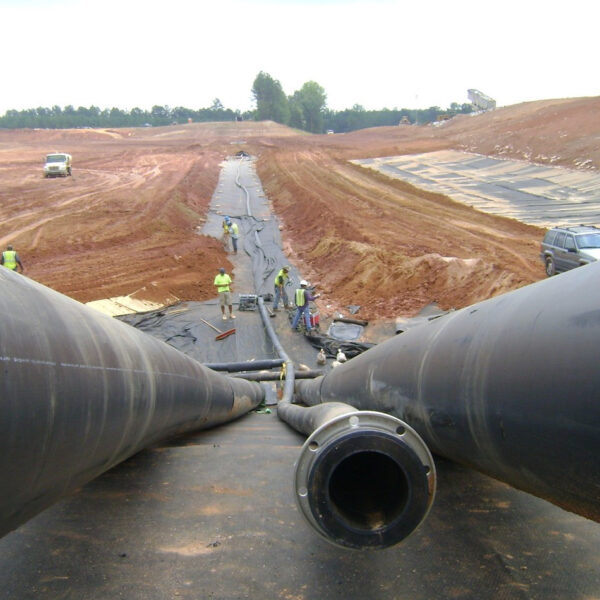
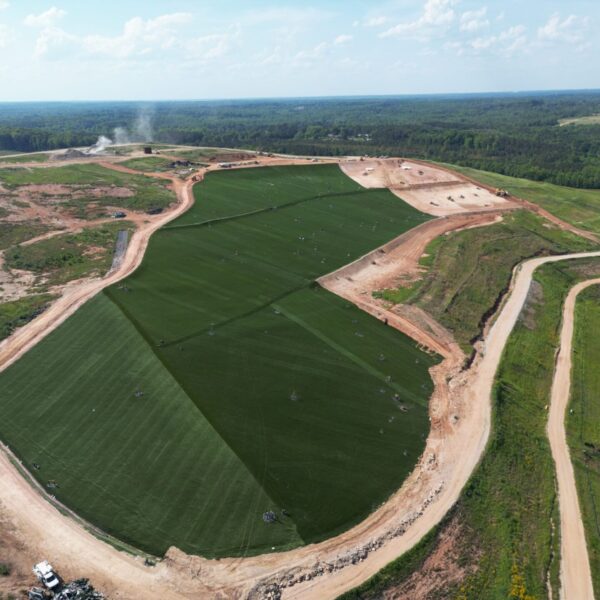
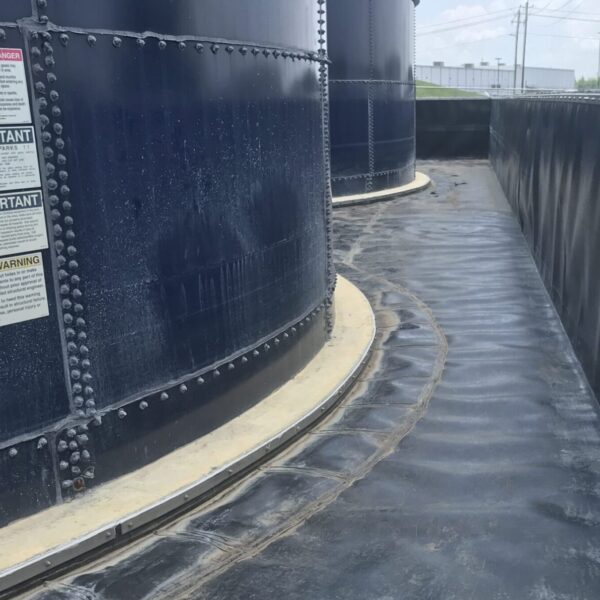
Plastic Fusion Fabricators installs containment dike liners for secondary containment around fuel, chemical, and fertilizer storage tanks. A containment dike liner is the impermeable membrane that lines the earthen or concrete dike surrounding a storage tank or tank farm — so that if a tank leaks, overflows, or ruptures, the spill is captured inside a sealed basin instead of leaching into the soil, groundwater, or nearby waterways. We install fusion-welded HDPE, LLDPE, and RPP dike liners for fuel farms, chemical storage areas, industrial tank farms, and SPCC-regulated sites. With 40+ years of geomembrane installation across 24 states, Plastic Fusion is the contractor facilities call when the secondary containment has to hold.
A containment dike is only as good as the liner inside it. An unlined earthen dike lets a spill soak straight into the ground; an unlined or cracked concrete dike lets product seep through joints and corrode the wall. A geomembrane liner turns the diked area into a continuous, impermeable basin — the engineered barrier that actually contains the spill and keeps your site in compliance.
Built for SPCC Compliance
Facilities that store oil, fuel, or regulated chemicals above certain thresholds are required under the EPA’s SPCC (Spill Prevention, Control, and Countermeasure) rule to provide secondary containment sized to hold the largest tank’s volume plus freeboard — and that containment has to be sufficiently impervious to keep a discharge from reaching navigable waters. A properly installed geomembrane dike liner is how facilities meet that impervious-containment requirement without pouring a full concrete vault. We install to the containment volume, slope, and chemical-compatibility your SPCC plan calls for.
Dike Liner Applications
- Fuel farms and tank farms — lined containment around bulk fuel and petroleum storage tanks
- Chemical storage areas — secondary containment for acids, caustics, and process chemicals
- Fertilizer storage — lined containment for liquid fertilizer and ag-chemical tanks
- Industrial tank farms and refineries — large-scale diked containment across tank batteries
- SPCC-regulated sites — impervious secondary containment to satisfy spill-containment requirements
Earthen and Concrete Dikes
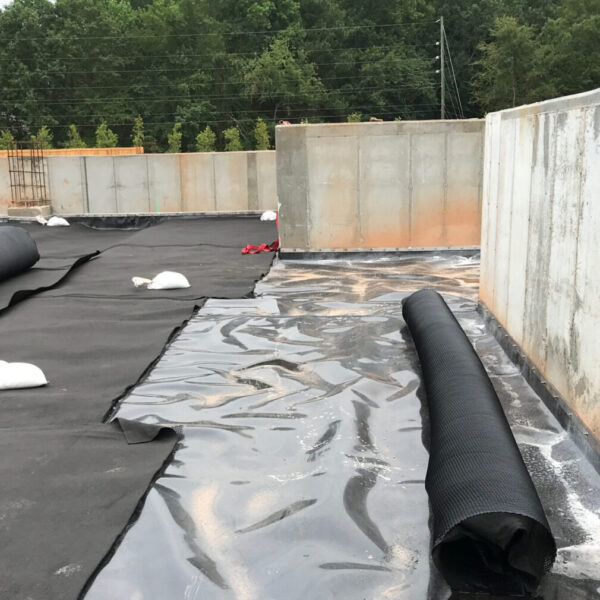
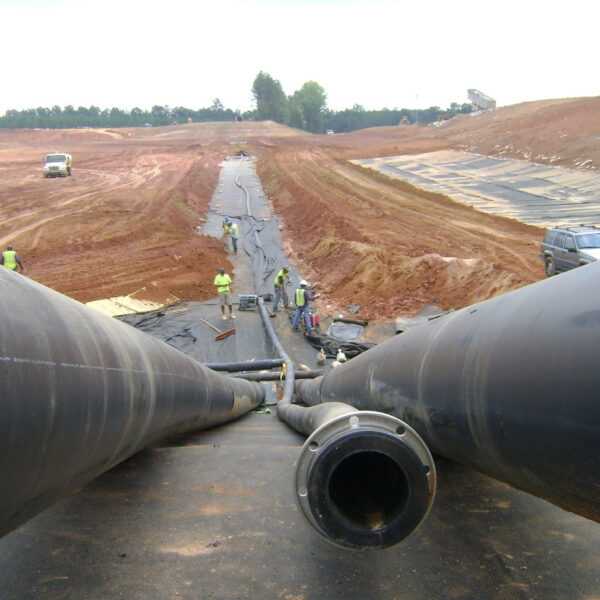
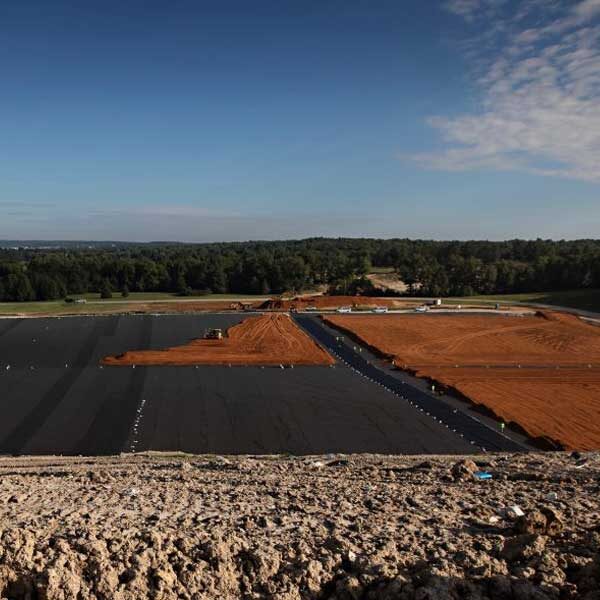
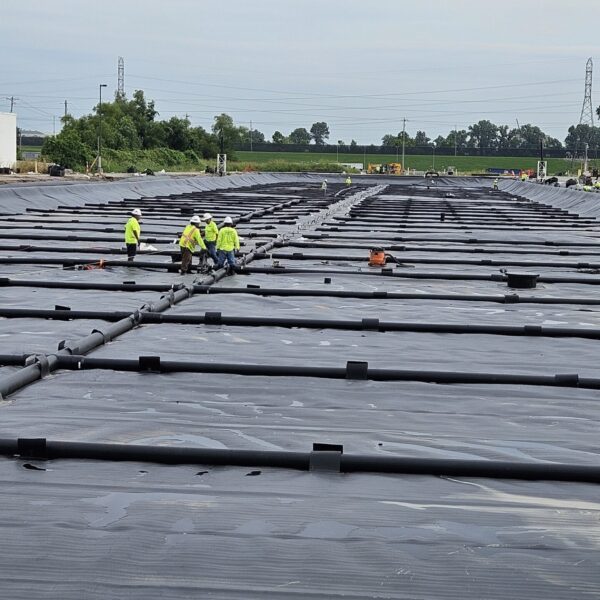
We line both. For earthen dikes, the geomembrane is deployed across the floor and up the interior berm slopes and anchored at the crest, creating a sealed basin out of a soil structure. For concrete dikes, a drop-in or fitted liner bridges cracks and joints and protects the concrete from chemical attack, splash, and corrosion — extending the life of the structure while restoring containment integrity.
Dike Liner Materials
We install HDPE, LLDPE, and RPP geomembrane dike liners, matched to the product being contained:
- RPP (reinforced polypropylene) — our workhorse for fuel, oil, fertilizer, and aggressive chemical containment, where chemical resistance and durability matter most
- HDPE — excellent broad chemical resistance and long-term durability for large containment areas
- LLDPE — added flexibility to conform to irregular earthen slopes and tank-foundation transitions
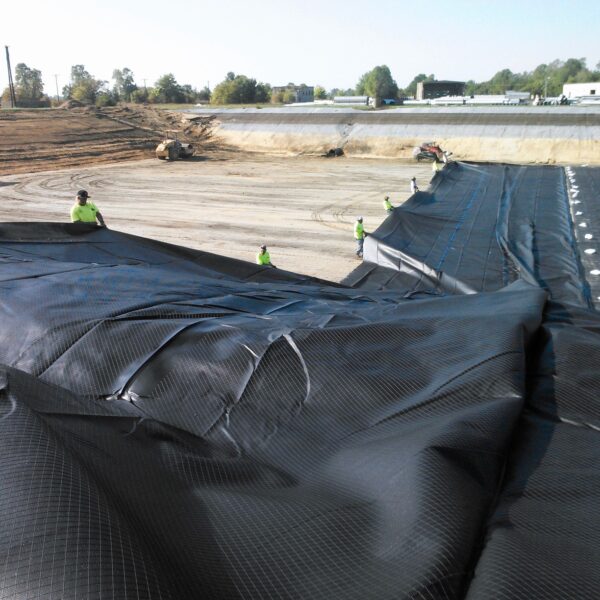
Every liner is fusion-welded into a continuous, leak-proof barrier and seam-tested. We match the material to your stored product’s chemistry so the liner stands up to what it’s actually containing.
Installed Containment, Not a Drop-In Spill Berm
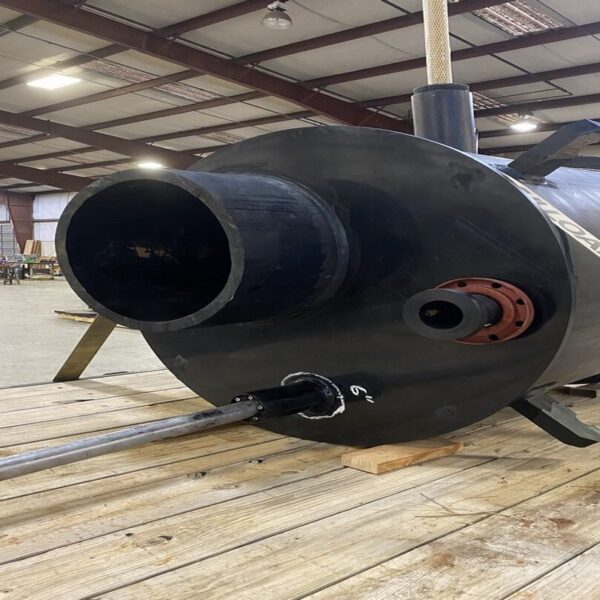
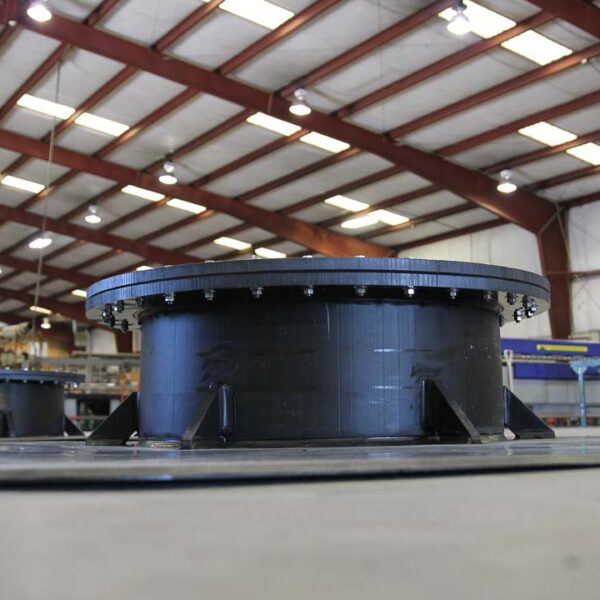
Portable spill berms and stock containment trays have their place for drums and small equipment. A tank farm is a different scale of problem. Containing the volume of a bulk storage tank requires a containment basin engineered and lined to the site — deployed across the full diked footprint, welded into one continuous barrier, detailed at every tank penetration and pipe support, and tested. Plastic Fusion installs at that scale, and we’re accountable for a finished containment system that holds, not a product dropped off on a pallet.
Dike Liner Removal and Replacement
Existing dike liners degrade, get damaged during tank maintenance, or fall out of compliance as a facility changes what it stores. We remove and replace failed or end-of-life dike liners, restoring secondary containment with a new fusion-welded barrier specified to current conditions.
Related Pages
- Secondary containment liners — for the full range of secondary containment liner systems
- Chemical containment — for engineered chemical containment systems
- Industrial liner installation — for broader industrial liner installation
- All pond and containment liners — see our pond and containment liner applications
Why Facilities Choose Plastic Fusion
- 40+ years installing secondary containment for fuel, chemical, and fertilizer storage
- Installer and fabricator — not a spill-product reseller
- HDPE, LLDPE, and RPP matched to your stored product’s chemistry
- Built to SPCC containment-volume and impervious-barrier requirements
- Fusion-welded, seam-tested, continuous containment basins
- Active projects across 24 states with nationwide mobilization
Containment Dike Liner FAQs
What is a containment dike liner?
It’s an impermeable geomembrane that lines the earthen or concrete dike surrounding a storage tank or tank farm. The dike provides the containment volume; the liner makes it impervious — so a leak or overflow is captured in a sealed basin instead of escaping into the soil and groundwater. It’s the working component that turns a containment dike into actual secondary containment.
What material is best for a containment dike liner?
It depends on what you’re storing. For fuel, oil, fertilizer, and aggressive chemicals, RPP (reinforced polypropylene) is our primary choice for its chemical resistance and durability. HDPE offers broad chemical resistance for large containment areas, and LLDPE adds flexibility for irregular earthen slopes. We match material and thickness to your stored product so the liner is compatible with what it contains.
Does a dike liner help with SPCC compliance?
Yes. The SPCC rule requires secondary containment that can hold the largest tank’s volume and is sufficiently impervious to prevent a discharge from reaching navigable waters. A properly installed geomembrane dike liner provides that impervious containment, sized to your containment volume — a cost-effective way to meet the requirement compared with full concrete construction. We build to what your SPCC plan specifies.
Can you line an existing earthen or concrete dike?
Yes. We line earthen dikes by sealing the floor and interior berm slopes into a continuous basin, and we line concrete dikes with fitted liners that bridge cracks and joints while protecting the concrete from chemical attack. We also remove and replace failed or end-of-life dike liners.
Request a Quote
If you operate a fuel farm, chemical storage area, fertilizer facility, or any tank farm that needs secondary containment installed, upgraded, or brought into SPCC compliance, Plastic Fusion installs the fusion-welded dike liner engineered to your site and your stored product. Contact us with your containment details for a quote.