
Baseball Field Turf Installation

CONTACT FOR BASEBALL FIELD TURF REVIEW


Unmatched Performance
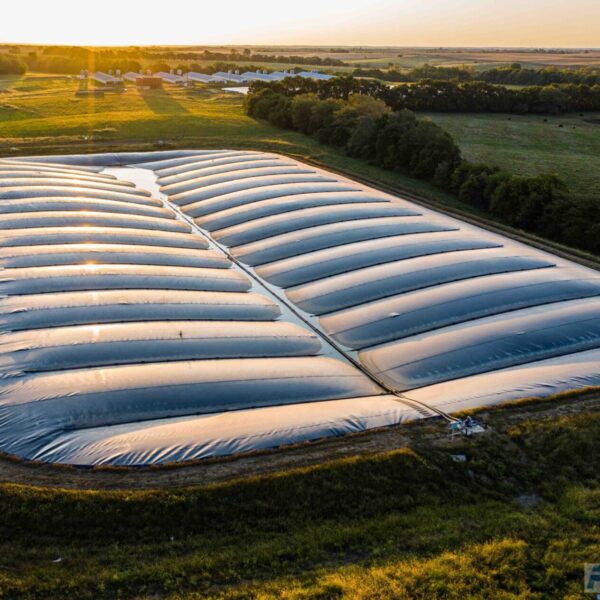
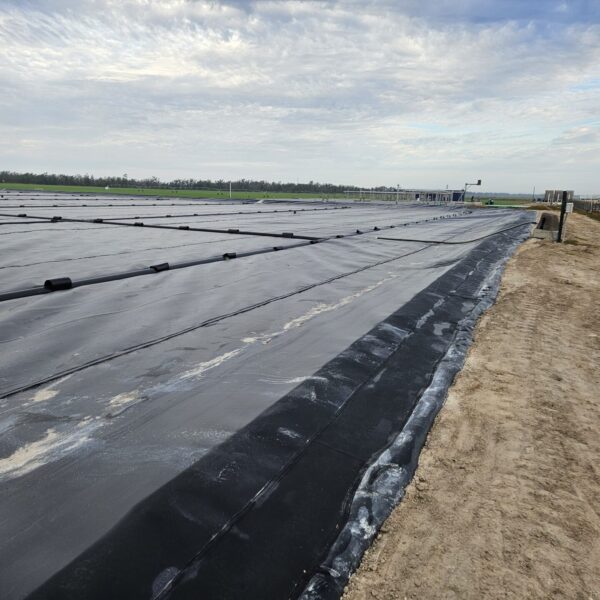
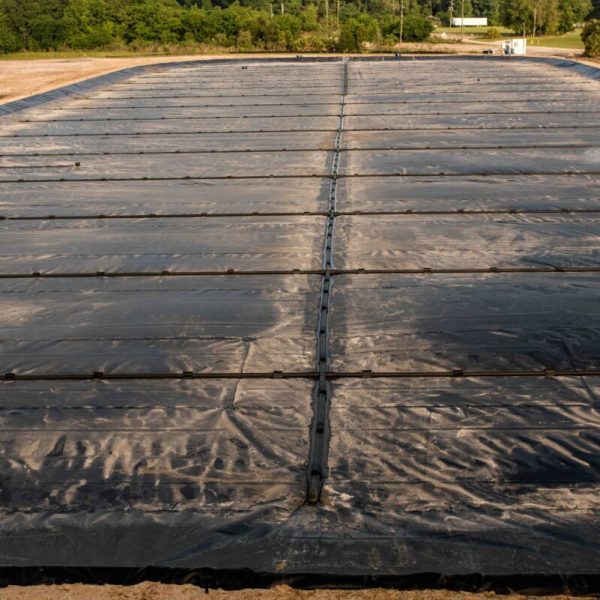
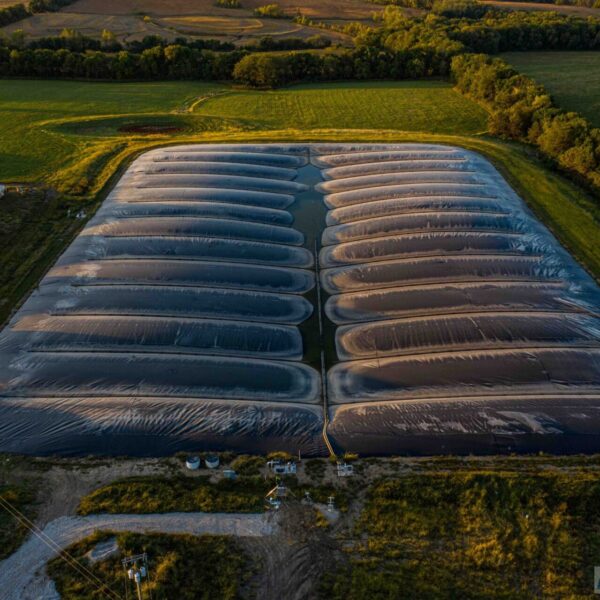
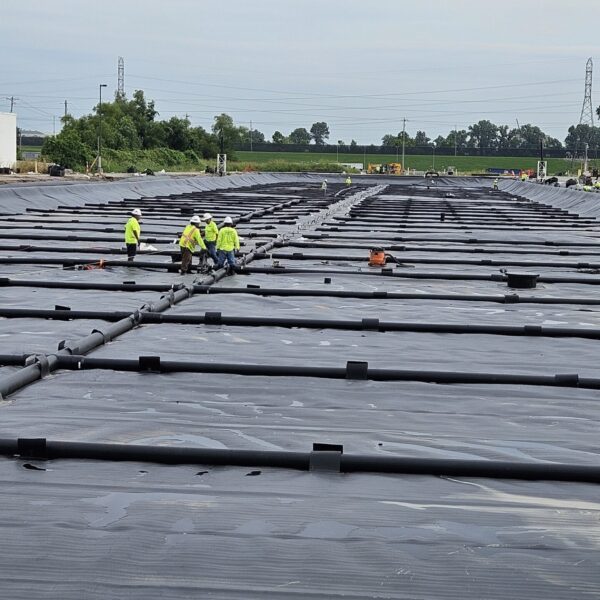
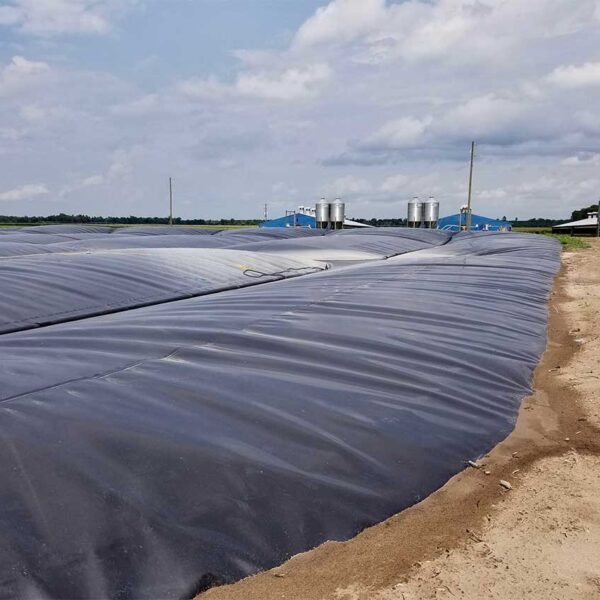
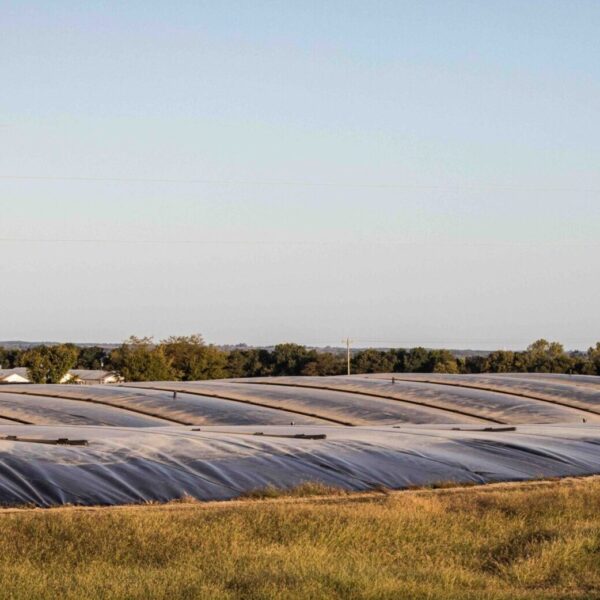
“Plastic Fusion was hired to test, repair, and replace existing pond liners on a restart project. The scope of work included installing a new insulated HDPE cover on the existing AD lagoon. Not only was the quality of the crew’s work exceptional, PFF was given the “A Team” award for outstanding work ethic.”
Ron Davies, Project Manager
Platte River Biogas, LLC
wHAT WE DO
Baseball Field Turf Installation
CONTACT FOR BASEBALL FIELD TURF REVIEW
Baseball Field Turf Installation
Plastic Fusion Fabricators installs commercial synthetic turf baseball fields for schools, universities, municipal parks, and private athletic facilities. We handle the full build from subgrade through final infill — with particular depth in the base preparation, drainage engineering, and infill containment work that determines whether a baseball turf field performs for a decade or fails in three years.
Baseball turf systems demand more precision than football or multi-sport fields. Infield ball hop, outfield ball roll speed, and transition consistency between turf zones (skinned infield to turf, warning track to outfield) all depend on what’s underneath the carpet — the aggregate base grade, drainage layer performance, and shock pad placement. Our crews bring laser-guided grading equipment and the geosynthetic installation discipline that commercial athletic fields require: flat within tolerance across the full diamond, draining within specification, and built to hold grade through years of use and freeze-thaw cycling.
What We Build
- Full-field synthetic turf baseball installations — infield, outfield, foul territory, and bullpen areas
- Infield-only turf conversions — synthetic infield with natural grass outfield transition
- Subgrade and aggregate base systems — 6–12 inches of engineered crushed stone, laser-graded and compaction-verified
- Drainage infrastructure — perforated sub-drain piping, geotextile separation layers, and outfall connections designed for rapid field drainage after rain
- Shock pad and resilient layer installation — impact attenuation systems meeting Gmax safety thresholds
- Turf carpet seaming — precision layout for consistent ball roll across infield-outfield transitions
- Infill installation — crumb rubber/sand, TPE, EPDM, or organic infill systems specified for baseball performance
- Removable component integration — Velcro-mount home plate, pitcher’s mound, and batter’s box sections for replacement access
- Infill containment systems — perimeter barriers for crumb rubber capture and stormwater compliance
Baseball-Specific Engineering
Baseball turf fields have performance requirements that generic sports turf installers often underestimate. The infield must produce a consistent, predictable ball hop — which means the base grade in the skinned-to-turf transition zone must be flat within tight tolerances. The outfield needs faster ball roll speed for realistic play, typically achieved through shorter pile height or different infill depth than the infield. Warning tracks require texture and color differentiation with clean seam transitions.
These aren’t carpet decisions — they’re base and drainage decisions. The aggregate layer grade, compaction density, and sub-drain performance are what create a playing surface that holds spec through hundreds of games. Plastic Fusion’s crews understand this because we build engineered surfaces for a living — the same precision we apply to containment liner systems and industrial drainage transfers directly to athletic field base construction.
Why Facility Owners Specify Plastic Fusion
- 40+ years of geosynthetic and engineered surface installation — base preparation and drainage are core competencies
- Laser-guided grading for base tolerances that directly impact ball performance
- Infill containment system design and installation for environmental and stormwater compliance
- Crews experienced in both turf systems and geomembrane containment
- Nationwide mobilization — we staff and equip for projects in any region
- Full-scope installation: subgrade through infill, line marking, and removable components
- Direct coordination with architects, landscape architects, facility managers, and general contractors
- Related capabilities: HydroTurf® erosion control and ClosureTurf landfill closure systems
Facilities Served
Plastic Fusion installs baseball turf fields for public school districts, universities, municipal parks and recreation departments, community colleges, private athletic academies, travel baseball organizations, and military installations. We build commercial-scale fields — not residential batting cages or backyard diamonds.
Baseball Field Turf FAQs
How long does it take to install a synthetic turf baseball field?
A full-field baseball turf installation typically takes 8 to 12 weeks from site preparation through final infill and line marking. The timeline depends on site conditions (existing surface demolition, soil stability, grading requirements), weather windows, permitting, and whether the project includes integrated drainage, fencing, or lighting. Infield-only conversions with an existing stable base can be completed in a shorter window. Plastic Fusion provides project-specific timelines after reviewing site plans and scope.
What does a synthetic turf baseball field cost?
A complete full-field installation — including site work, drainage, aggregate base, shock pad, turf carpet, infill, and line marking — typically ranges from $800,000 to $1.5 million depending on field size, site conditions, and material specifications. Infield-only projects cost significantly less. The base and drainage infrastructure often represents 40–50% of the total project cost, which is why getting those layers right is critical to long-term field performance and total cost of ownership.
What infill is best for baseball turf fields?
The most widely installed infill system for baseball is crumb rubber blended with silica sand — it’s durable, cost-effective, and provides consistent ball bounce and player traction. TPE (thermoplastic elastomer) is a non-rubber alternative with lower heat retention. Organic infills (cork, coconut husk) are gaining traction at facilities that prioritize environmental profile. For baseball specifically, infill depth and density in the infield directly affect ball hop consistency — this should be specified by zone, not applied uniformly across the field.
Why does base preparation matter so much for baseball turf?
The aggregate base determines ball performance, drainage speed, surface flatness, and long-term field stability. A poorly graded or under-compacted base creates low spots that hold water, high spots that produce bad hops, and uneven wear patterns that shorten turf life. In baseball, the infield-to-outfield transition zone is particularly sensitive — inconsistent base grade here produces unpredictable ball behavior at the worst possible location. Laser-guided grading and compaction verification during base installation prevent these problems.
What is an infill containment system and do baseball fields need one?
An infill containment system is a perimeter barrier that captures crumb rubber and other infill materials migrating off the field during use and maintenance. As stormwater regulations around microplastic and rubber discharge tighten, many municipalities and school districts now require infill containment as part of turf field permitting. Plastic Fusion designs and installs these systems using geosynthetic containment methods — the same engineering principles we apply to industrial environmental containment projects.
How long does a synthetic baseball turf field last?
A well-installed field typically delivers 8 to 12 years of primary turf carpet life before replacement, with premium systems reaching 15 years under moderate use. The base system — aggregate, drainage, shock pad — often outlasts multiple turf carpet cycles if built to spec originally. Longevity depends on usage intensity, maintenance discipline (regular brushing, infill top-offs, Gmax testing), and climate exposure.
Request a Quote
Planning a baseball field turf project? Plastic Fusion has the crews, equipment, and geosynthetic expertise to build your field from the subgrade up — on schedule and built to perform. Contact us for project-specific pricing, material recommendations, and mobilization timelines.