
Football Field Turf Installation

CONTACT FOR FOOTBALL FIELD TURF PROJECT REVIEW


Unmatched Performance
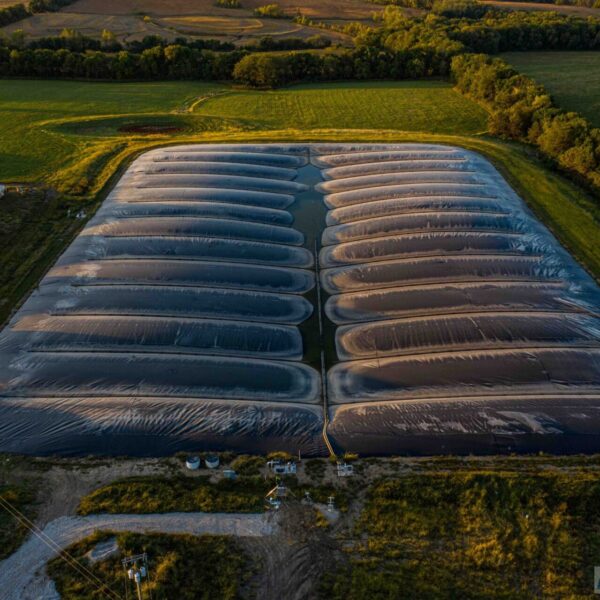
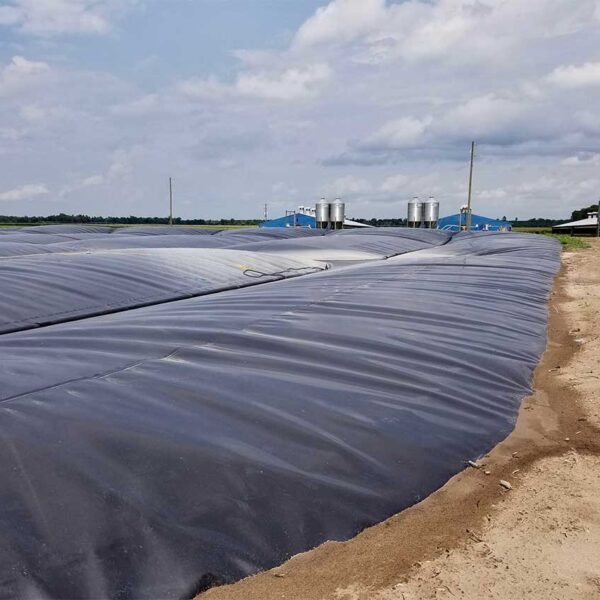
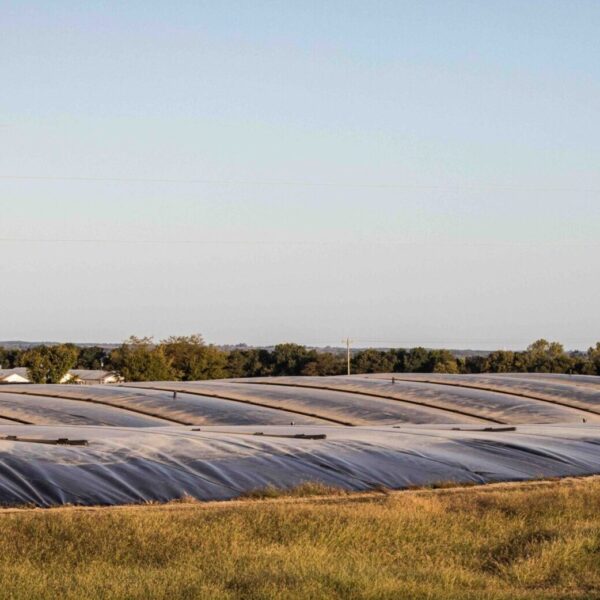
“Plastic Fusion was hired to test, repair, and replace existing pond liners on a restart project. The scope of work included installing a new insulated HDPE cover on the existing AD lagoon. Not only was the quality of the crew’s work exceptional, PFF was given the “A Team” award for outstanding work ethic.”
Ron Davies, Project Manager
Platte River Biogas, LLC
wHAT WE DO
Football Field Turf Installation
CONTACT FOR FOOTBALL FIELD TURF PROJECT REVIEW
Football Field Turf Installation
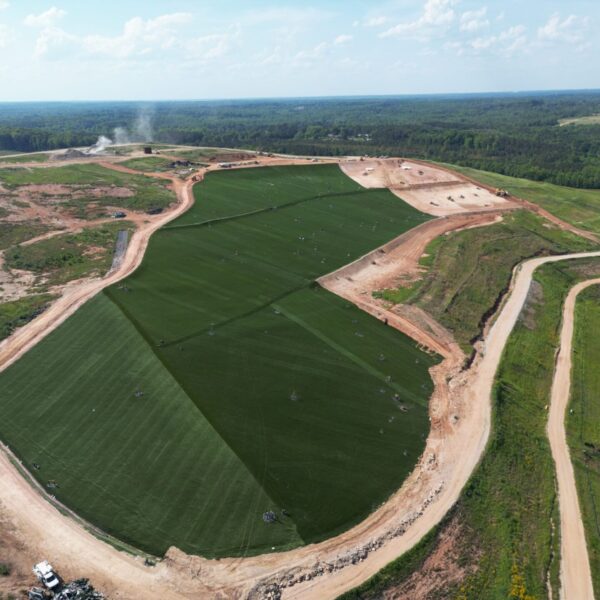
Plastic Fusion Fabricators installs commercial synthetic turf football fields for high schools, universities, municipal stadiums, and private athletic facilities. We build from the subgrade up — engineered aggregate base, drainage infrastructure, shock pad, turf carpet, and infill — delivering a football surface that meets Gmax safety standards, drains on spec, and holds grade through years of heavy use.
Football turf fields take more punishment per square foot than any other sport surface. Concentrated cleat traffic between the hash marks, sideline-to-sideline directional cuts, and heavy equipment loading during events compress the base, displace infill, and stress seams at rates that expose installation shortcuts fast. The base system — aggregate depth, compaction density, and drainage performance — is what determines whether a football field stays flat and safe or develops soft spots, standing water, and premature wear patterns within a few seasons.
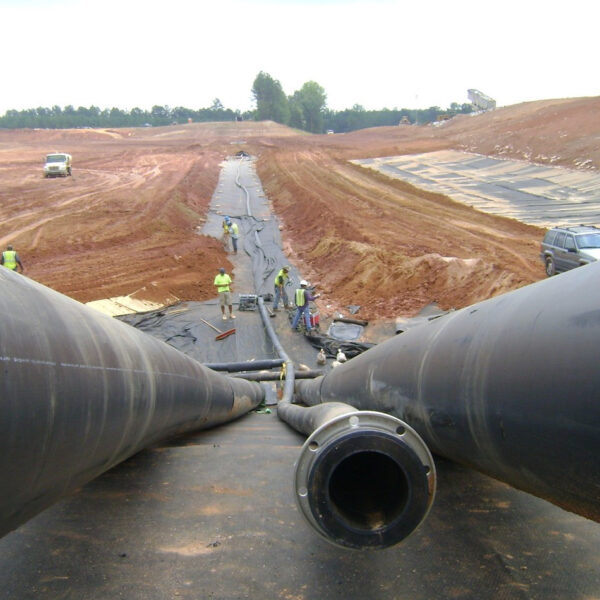
Our crews bring the same geosynthetic installation precision we apply to containment liner systems and industrial drainage projects. Laser-guided base grading, compaction verification, engineered sub-drain systems, and documented QA/QC on every layer — the infrastructure work that pure turf companies often subcontract out is our core competency.
What We Build
- Full-field synthetic turf football installations — sideline to sideline, end zone to end zone
- Multi-sport field configurations — football/soccer, football/lacrosse shared-use layouts
- Subgrade preparation and laser-graded aggregate base systems (6–12″ engineered crushed stone)
- Drainage infrastructure — perforated sub-drain piping, geotextile layers, and outfall connections
- Shock pad and resilient layer installation — impact attenuation systems verified to Gmax safety thresholds
- Turf carpet seaming and sport-specific line marking — game lines, logos, end zone lettering
- Infill systems — crumb rubber/sand, TPE, EPDM, or organic infill specified for football performance
- Infill containment systems — perimeter barriers for crumb rubber capture and stormwater compliance
Football-Specific Base Engineering
Football’s concentrated traffic patterns create unique demands on the base system. Between the hashes — where linemen plant, cut, and drive on every play — the base takes orders of magnitude more compressive load than the sidelines or end zones. If the aggregate isn’t properly graded, compacted, and draining uniformly, you get differential settlement: soft spots between the 40s while the edges stay firm. That’s a safety problem, a performance problem, and an expensive repair.
Plastic Fusion builds football field base systems with compaction-verified aggregate, engineered drainage that prevents water from pooling under load-concentrated zones, and grade tolerances tight enough to produce consistent footing across the entire field. It’s the same discipline we apply to engineered containment systems — because a football field base is, fundamentally, an engineered surface that must hold spec under stress.
Why Facility Owners Specify Plastic Fusion
- 40+ years of geosynthetic and engineered surface installation
- Laser-guided base grading and compaction verification — not visual estimation
- Drainage engineering as a core competency, not a subcontracted scope
- Infill containment system design and installation for stormwater compliance
- Crews experienced in both athletic turf systems and industrial containment
- Nationwide mobilization
- Full-scope delivery: subgrade through final infill, line marking, and logo installation
- Related capabilities: HydroTurf® erosion control and ClosureTurf landfill closure systems
Facilities Served
Plastic Fusion installs football turf fields for public school districts, universities, municipal recreation departments, community colleges, private athletic facilities, and military installations. Commercial-scale projects only.
Football Field Turf FAQs
How long does it take to install a synthetic turf football field?
A standard football field installation runs 8 to 14 weeks from site preparation through final grooming, depending on site conditions, existing surface demolition, weather, and scope (drainage, lighting, fencing). Multi-sport configurations with shared-use line marking can add time for layout coordination. Plastic Fusion provides project-specific schedules after reviewing your site plans.
What does a synthetic turf football field cost?
A complete installation including site work, drainage, aggregate base, shock pad, turf carpet, infill, and line marking typically ranges from $800,000 to $1.5 million for a regulation football field. Site conditions — existing surface removal, soil stability, drainage complexity — drive the low end versus high end. The base and drainage infrastructure often represents 40–50% of total cost, which is why base quality directly impacts total cost of ownership over the field’s life.
How long does synthetic turf last on a football field?
Football fields typically deliver 8 to 10 years of primary turf carpet life due to higher wear intensity than other sports. The base system — aggregate, drainage, shock pad — can last through multiple carpet replacement cycles if built correctly. Longevity depends on usage intensity (games plus practices plus events), maintenance discipline (brushing, infill top-offs, Gmax testing), and climate exposure. Fields used for football only generally last longer than multi-sport fields with year-round scheduling.
What infill is best for football turf fields?
Crumb rubber blended with silica sand remains the most widely installed infill for football — it provides consistent cleat grip, good shock absorption, and long-term durability under heavy traffic. TPE offers lower heat retention for warm-climate facilities. Organic infills (cork, coconut) are specified where environmental profile is a priority. For football specifically, infill depth and density in the high-traffic zone between the hashes should be heavier than sideline and end zone areas to account for concentrated wear.
What is Gmax and why does it matter for football fields?
Gmax is a measurement of surface hardness — specifically, the peak deceleration a surface produces when impacted. Lower Gmax numbers mean better shock absorption. The standard threshold for athletic turf is 200g (ASTM F355), though many facility owners specify tighter limits. Football fields take more impact loading than other sports, so Gmax performance degrades faster. Regular Gmax testing (typically annually) verifies the field remains within safe limits. A properly engineered base and shock pad system maintains safe Gmax readings longer than a poorly built one.
Request a Quote
Planning a football field turf project? Plastic Fusion builds from the subgrade up — engineered base, drainage, shock pad, carpet, and infill — with the precision and documentation commercial facilities require. Contact us for project-specific pricing and mobilization timelines.