
Polypropylene Pipe Fabrication
CONTACT FOR POLYPROPYLENE PIPE FABRICATION


Unmatched Performance
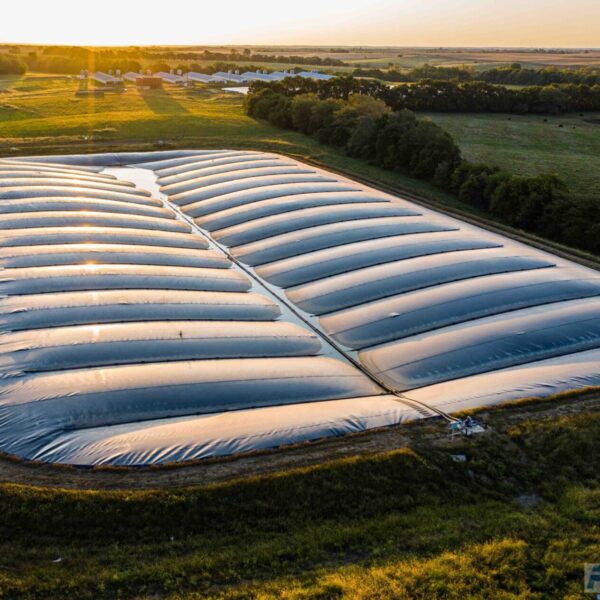
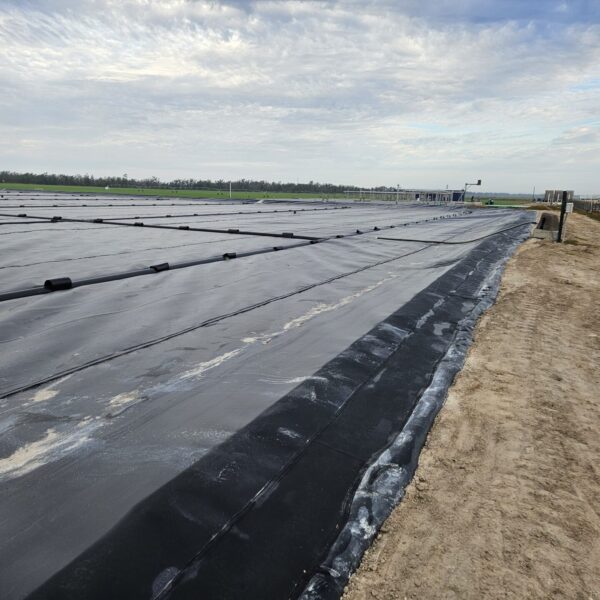
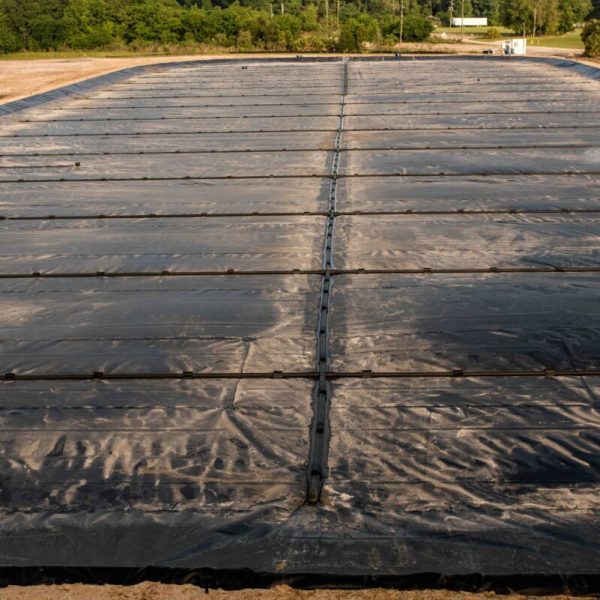
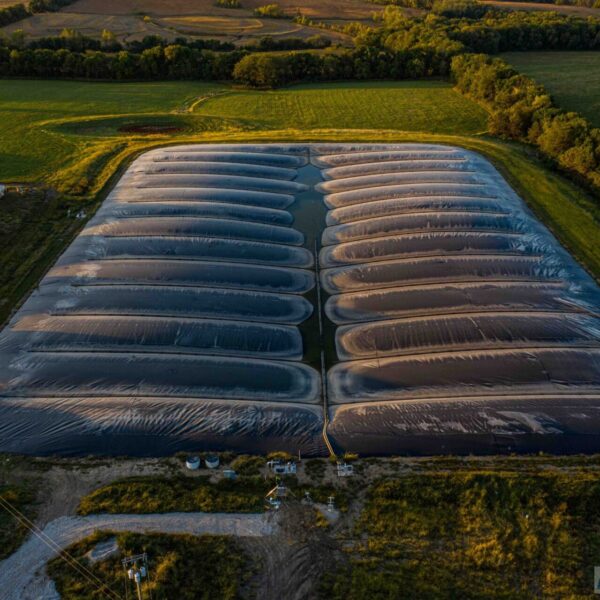
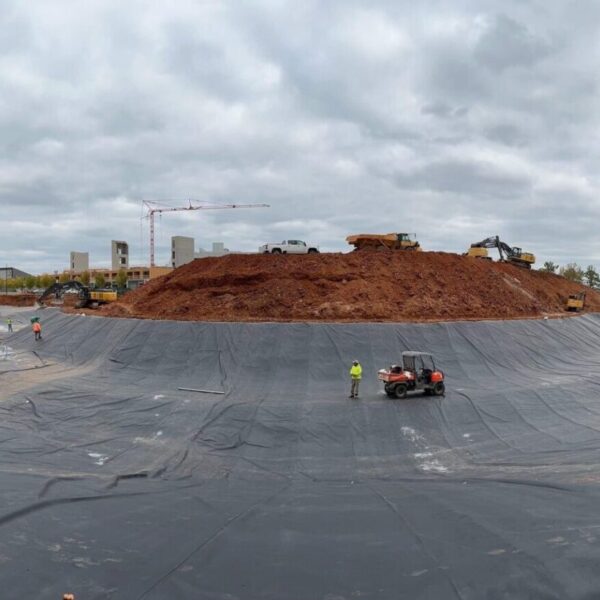
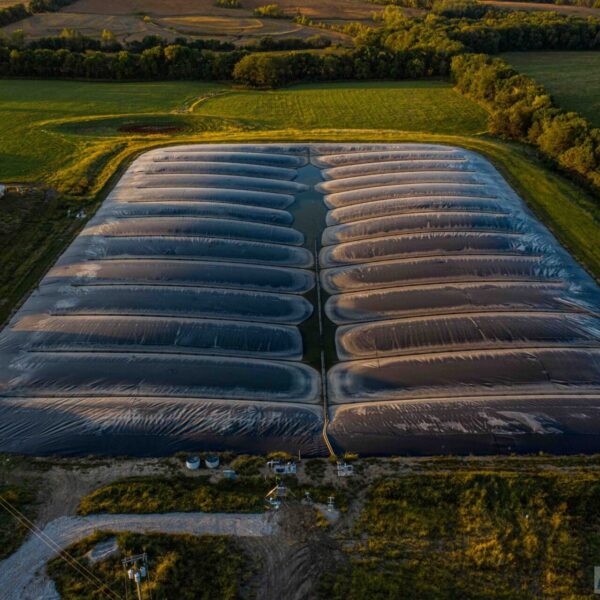
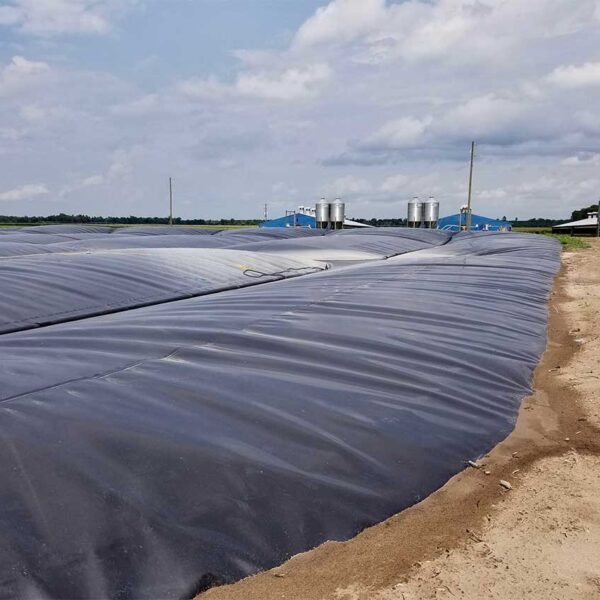
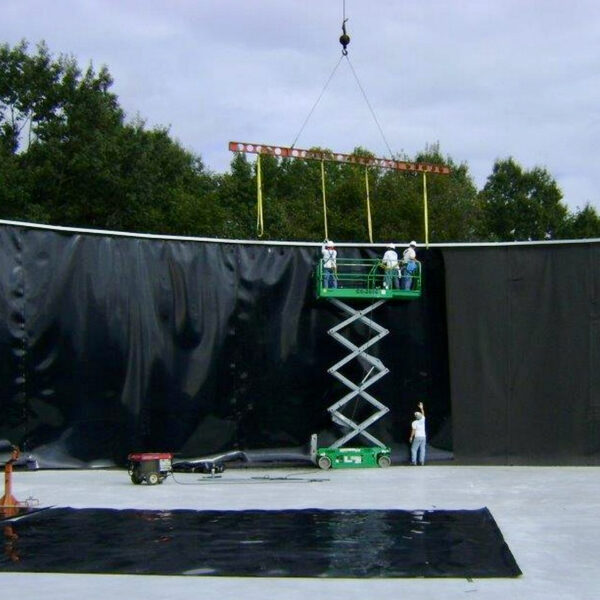
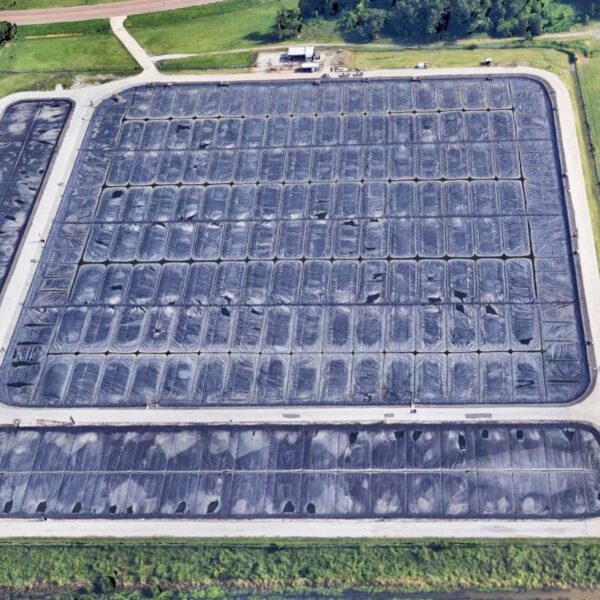
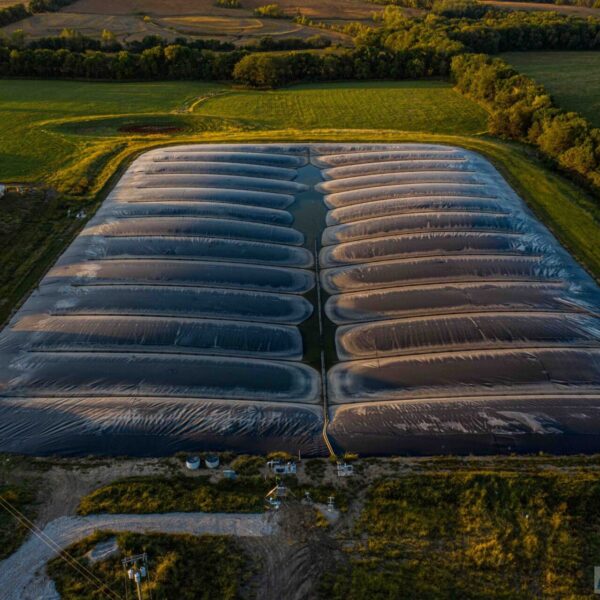
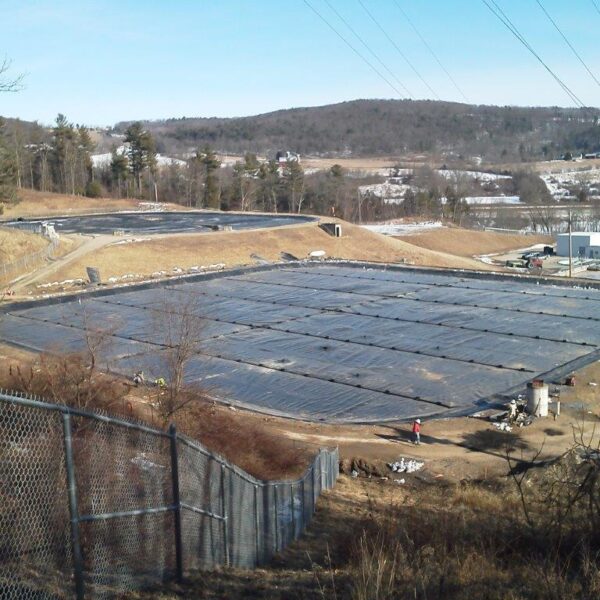
“Plastic Fusion was hired to test, repair, and replace existing pond liners on a restart project. The scope of work included installing a new insulated HDPE cover on the existing AD lagoon. Not only was the quality of the crew’s work exceptional, PFF was given the “A Team” award for outstanding work ethic.”
Ron Davies, Project Manager
Platte River Biogas, LLC
wHAT WE DO
Polypropylene Pipe Fabrication
CONTACT FOR POLYPROPYLENE PIPE FABRICATION
Polypropylene Pipe Fabrication
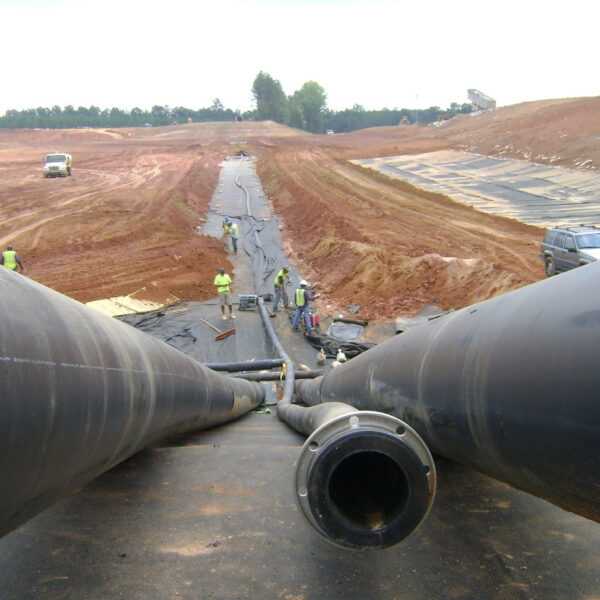
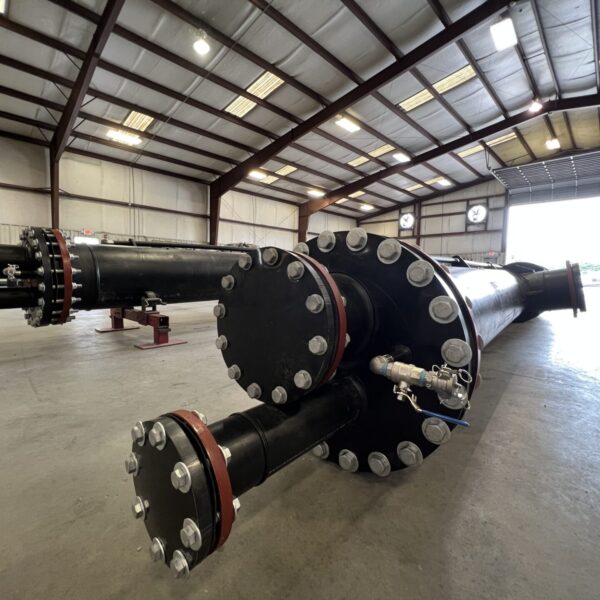
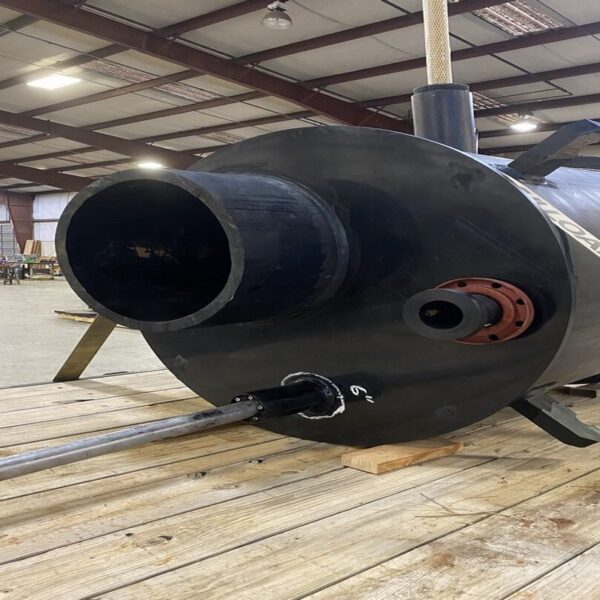
Plastic Fusion Fabricators provides polypropylene pipe fabrication for chemical processing, wastewater treatment, food and beverage, and industrial process systems. We heat-fuse polypropylene (PP) pipe into seamless, leak-proof spools, manifolds, and assemblies — built to your specifications in our fabrication shop and shipped job-ready. For piping that has to survive acids, caustics, and aggressive chemicals that corrode metal, fabricated polypropylene delivers chemical resistance and fused-joint integrity that threaded or gasketed metal systems can’t match.
Polypropylene pipe is joined by heat fusion, not glues or threads — which is what makes it leak-proof. The fusion process melts the pipe material itself and fuses it into a continuous, homogeneous joint with no mechanical connection to loosen, corrode, or leak. Combined with polypropylene’s chemical resistance and smooth, low-friction interior, that makes fabricated PP piping the standard for corrosive and high-purity process applications.
With 40+ years fabricating thermoplastic piping and an in-house fabrication shop, Plastic Fusion builds polypropylene pipe systems engineered for your chemical exposure, temperature, and pressure requirements — fused by certified technicians and documented with full QA/QC.
Polypropylene Fusion Methods
- Butt Fusion — pipe ends are faced flat, heated against a fusion plate, and joined under controlled pressure to form a homogeneous joint. The standard for mainline polypropylene pipe.
- Socket Fusion — the pipe end and fitting are heated and joined to create a sealed, fused connection, typically for smaller diameters.
- Electrofusion — fittings with embedded heating coils fuse to the pipe when energized — ideal for tight spaces, repairs, and tie-ins.
- Beadless / IR Fusion — non-contact heating methods used in high-purity applications to eliminate internal weld beads where flow and cleanliness are critical.
Why Polypropylene Pipe
- Chemical resistance — withstands harsh acids, bases, and solvents that corrode metal piping
- No corrosion — resists scaling, rusting, and pitting over the system’s service life
- Temperature tolerance — handles higher operating temperatures than standard HDPE
- Smooth internal wall — low friction prevents sediment buildup and maintains flow
- Fused, leak-proof joints — heat fusion eliminates the gaskets and threads that leak in metal systems
- Lightweight and durable — easier handling and installation than metal at comparable performance
Prefabricated Polypropylene Spools
Fabricating polypropylene pipe spools offsite in our controlled shop environment removes job-site variables — weather, field labor, and fit-up problems. We build configured spools, manifolds, and assemblies to your drawings and ship them ready to install. Prefabrication reduces field time, improves weld quality under controlled conditions, and ensures every assembly fits the first time.
Applications
- Chemical processing and corrosive fluid conveyance
- Wastewater treatment plant process piping
- Food and beverage process systems
- Industrial process and drainage lines
- High-purity and clean process applications
- Acid, caustic, and solvent transfer systems
For custom HDPE pipe assemblies, HDPE pipe fusion joining, or plastic welding of tanks and structures, see our dedicated service pages.
Why Engineers and Contractors Specify Plastic Fusion
- 40+ years fabricating thermoplastic piping — polypropylene and HDPE
- Certified fusion technicians trained in butt, socket, and electrofusion
- Material expertise matched to chemical, temperature, and pressure requirements
- In-house fabrication shop for prefabricated spools, manifolds, and fittings
- Job-ready prefabrication that reduces field time and installation cost
- Documented QA/QC on every fabricated assembly
- Active projects across 24 states with nationwide shipping
Industries Served
Plastic Fusion provides polypropylene pipe fabrication for chemical processors, water and wastewater utilities, food and beverage manufacturers, industrial process operations, and environmental construction firms — anywhere corrosive or high-temperature service calls for polypropylene over metal.
Polypropylene Pipe Fabrication FAQs
What is polypropylene pipe fabrication?
Polypropylene pipe fabrication is the process of building custom polypropylene (PP) pipe assemblies — spools, manifolds, and fittings — by heat-fusing polypropylene pipe into seamless, leak-proof systems. Rather than using adhesives or threaded connections, polypropylene is joined by fusion methods (butt, socket, electrofusion) that melt and fuse the material into homogeneous joints. It’s specified for chemical processing, wastewater, and food industry applications where corrosion resistance and leak-free performance are critical.
How is polypropylene pipe joined?
Polypropylene pipe is joined by heat fusion, not glue or threads. The main methods are butt fusion (facing and heating pipe ends, then joining under pressure), socket fusion (heating the pipe end and fitting together), electrofusion (using fittings with embedded heating coils), and beadless/IR fusion (non-contact heating for high-purity applications). Fusion creates a continuous joint as strong as the pipe itself, with no mechanical connection to leak or corrode.
When should I use polypropylene pipe instead of HDPE?
Polypropylene is chosen over HDPE when the application involves higher operating temperatures or specific chemical exposures where PP offers superior resistance — concentrated acids, caustics, and certain solvents. HDPE handles most water, wastewater, and environmental piping; polypropylene steps in for hotter, more chemically aggressive process service. Plastic Fusion fabricates in both and specifies the right material for your fluid chemistry, temperature, and pressure.
What are the advantages of polypropylene pipe over metal?
Polypropylene resists the acids, bases, and solvents that corrode metal piping; it doesn’t rust, scale, or pit; it has a smooth low-friction interior that prevents buildup; and it’s joined by fusion into leak-proof joints rather than gasketed or threaded connections that fail over time. For corrosive and aggressive chemical service, polypropylene delivers longer service life and lower maintenance than metal.
Can you build prefabricated polypropylene spools?
Yes. Prefabricated spool fabrication is a core capability. We build configured polypropylene pipe spools, manifolds, and assemblies in our shop and ship them job-ready. Offsite fabrication in controlled conditions reduces field labor, improves weld quality, and eliminates the fit-up problems and weather delays of field-building complex piping.
Request a Quote
If your project needs polypropylene pipe fabrication — chemical process lines, corrosive service, or prefabricated PP spools and assemblies — Plastic Fusion builds them to spec and ships them job-ready. Contact us with your requirements for a fabrication quote.