
HDPE Manholes
CONTACT FOR HDPE MANHOLES


Unmatched Performance
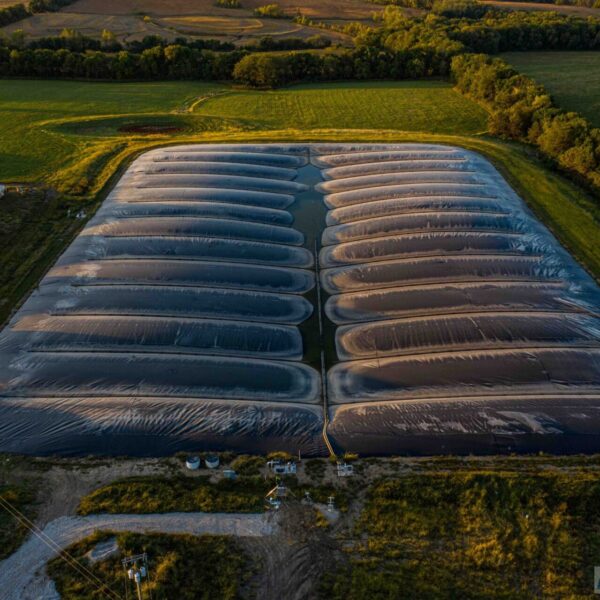
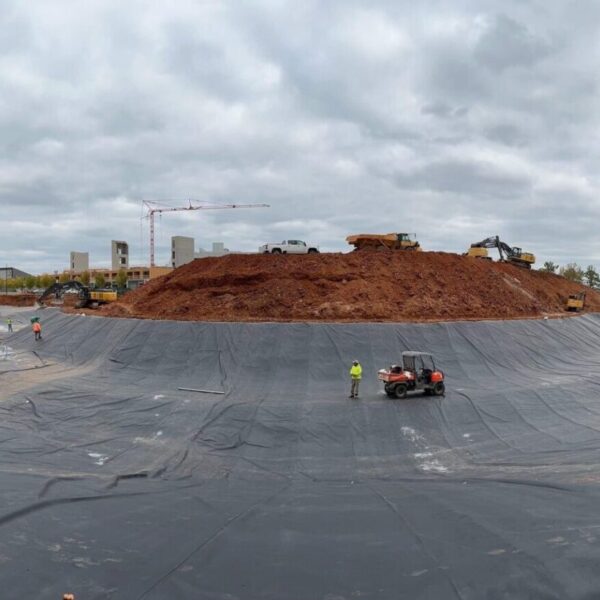
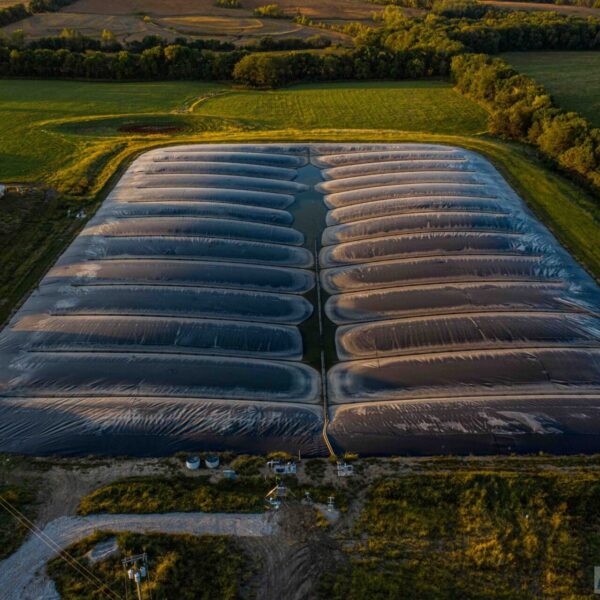
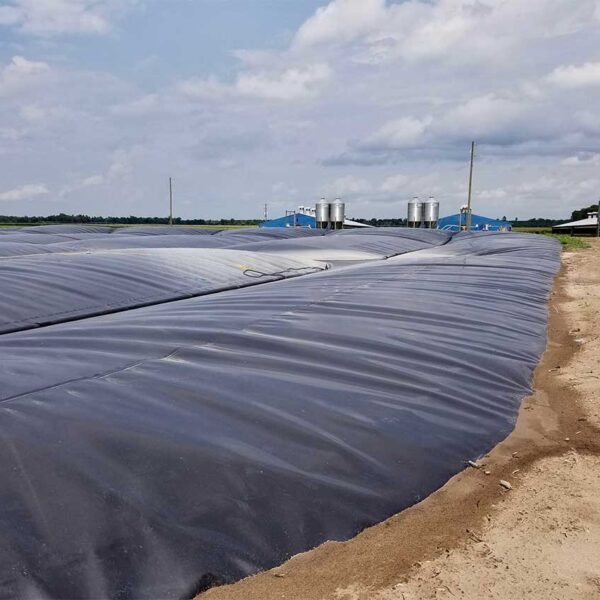
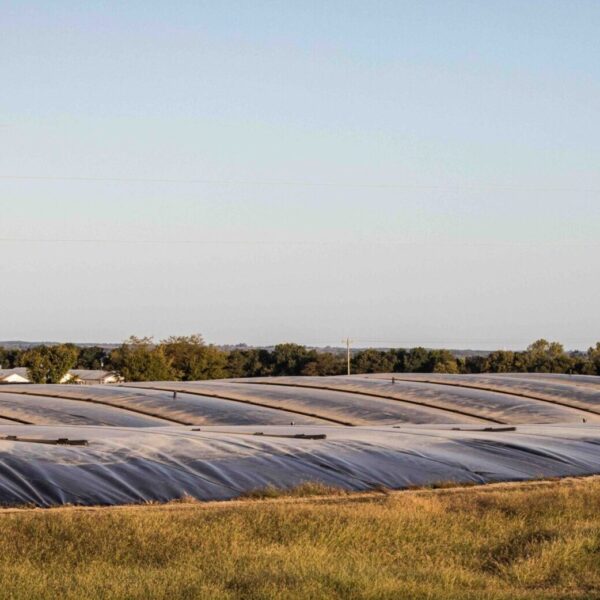
“Plastic Fusion was hired to test, repair, and replace existing pond liners on a restart project. The scope of work included installing a new insulated HDPE cover on the existing AD lagoon. Not only was the quality of the crew’s work exceptional, PFF was given the “A Team” award for outstanding work ethic.”
Ron Davies, Project Manager
Platte River Biogas, LLC
wHAT WE DO
HDPE Manholes
CONTACT FOR HDPE MANHOLES
HDPE Manholes
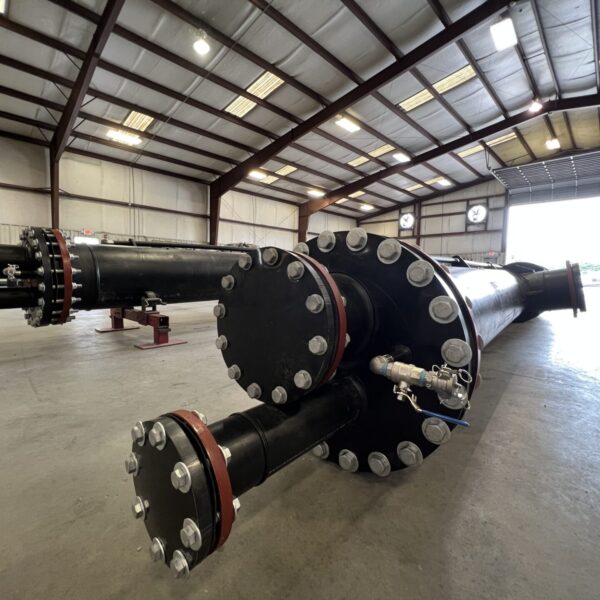
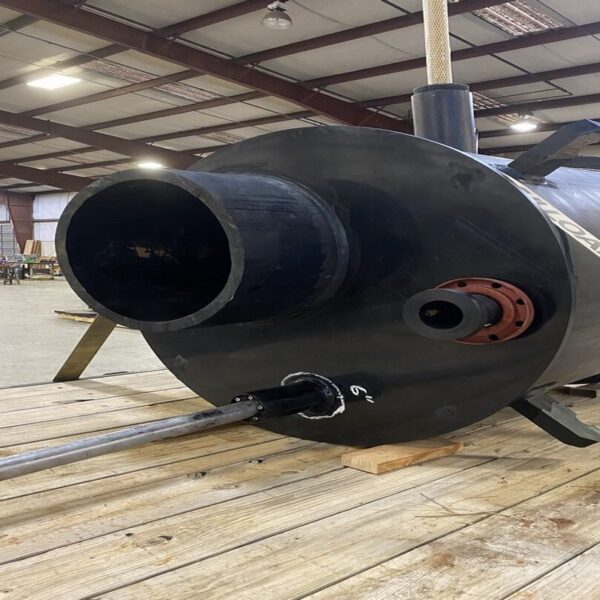
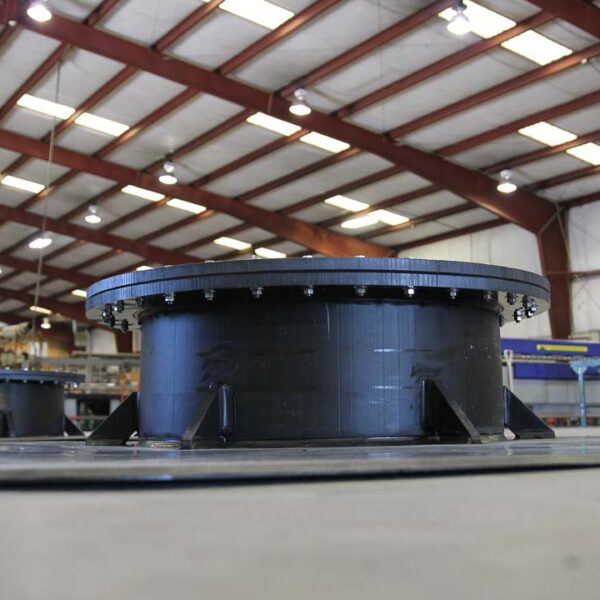
Plastic Fusion Fabricators designs and fabricates custom HDPE manholes for sanitary sewer, stormwater, industrial, and wastewater applications. Unlike concrete structures that crack, corrode, and allow infiltration, our HDPE manholes offer leak-proof fused joints, total chemical and corrosion resistance, and lightweight durability — fabricated as one-piece structures from solid-wall and profile-wall HDPE and built to last the life of the system.
Concrete manholes fail in predictable ways. Hydrogen sulfide in sewer environments converts to sulfuric acid that eats concrete from the inside — the crown corrosion that destroys structures and forces expensive rehabilitation. Concrete cracks under load and ground movement, and its joints allow inflow and infiltration that overload treatment systems. HDPE manholes eliminate all of it: they don’t corrode, the structure is fusion-welded into a monolithic leak-free unit, and they install faster at a fraction of the weight.
With 40+ years fabricating HDPE structures, Plastic Fusion builds manholes engineered to ASTM F1759 (HDPE manhole design) and fabricated from PE materials meeting ASTM D3350. Our certified technicians fuse every structure and document the QA/QC — delivering manholes job-ready for drop-in installation.
What We Fabricate
- Sanitary sewer manholes
- Stormwater and drainage manholes
- Industrial and chemical-service manholes
- Pump station wet wells and access structures
- Manhole replacement and rehabilitation structures
- Custom manhole bases, risers, and cone sections
- Drop connections, channels, and benching
- Pipe penetrations and boot connections for pipe tie-ins
Why HDPE Manholes Over Concrete
- Corrosion immunity — HDPE resists the H₂S and sulfuric acid that destroy concrete in sewer service
- Leak-free fused construction — monolithic fusion joints eliminate the inflow and infiltration that plague concrete joints
- Chemical resistance — withstands acids, bases, and aggressive industrial effluent
- Lightweight installation — a fraction of the weight of concrete, reducing crane and labor requirements
- Long service life — no corrosion-driven rehabilitation or replacement over the structure’s life
- Custom fabrication — built to your depth, diameter, channel, and connection requirements
Applications
- Municipal sanitary sewer systems
- Stormwater and drainage networks
- Industrial wastewater and process effluent
- Pulp and paper, chemical, and corrosive-service applications
- Landfill leachate collection systems
- Sewer rehabilitation and concrete manhole replacement
Standards and Compliance
Plastic Fusion fabricates HDPE manholes to recognized industry standards, including ASTM F1759 (Standard Practice for Design of HDPE Manholes for Subsurface Applications) and ASTM D3350 (polyethylene materials). Structures can be leak-tested to ASTM F1417 for verified leak-tightness. Building to these standards gives engineers and inspectors the documentation their specifications require.
For condition assessment, fusion joint integrity, and leak testing of existing HDPE manholes, see our HDPE manhole inspection services.
Why Engineers and Operators Specify Plastic Fusion
- 40+ years fabricating HDPE manholes and structures
- Corrosion-immune construction engineered for sewer and industrial service
- One-piece fused fabrication — leak-free, no infiltration
- Built to ASTM F1759 design and ASTM D3350 material standards
- In-house fabrication of bases, risers, cones, and complete structures
- Certified fusion technicians with documented QA/QC
- Active projects across 24 states with nationwide shipping
- Related HDPE structures: caissons and pump stations
Industries Served
Plastic Fusion fabricates HDPE manholes for municipal water and wastewater utilities, stormwater authorities, industrial manufacturers, pulp and paper operations, landfill and environmental operators, and the engineering and construction firms that design and build sewer and drainage infrastructure.
HDPE Manhole FAQs
What is an HDPE manhole?
An HDPE manhole is an access structure for sewer, stormwater, or industrial systems fabricated from high-density polyethylene instead of concrete. It’s built as a one-piece, fusion-welded structure that’s corrosion-immune, leak-free, and lightweight. HDPE manholes are specified to replace concrete in corrosive sewer environments, chemical-service applications, and anywhere infiltration or corrosion resistance is a priority.
Why use HDPE manholes instead of concrete?
Concrete manholes corrode in sewer environments — hydrogen sulfide converts to sulfuric acid that eats the concrete (crown corrosion), and concrete joints allow groundwater infiltration that overloads treatment systems. HDPE manholes don’t corrode, and their fusion-welded construction is monolithic and leak-free. They’re also far lighter than concrete, reducing installation cost and time. Over the structure’s service life, HDPE eliminates the corrosion-driven rehabilitation that concrete manholes require.
What standards do HDPE manholes meet?
HDPE manholes are designed to ASTM F1759 (Standard Practice for Design of High-Density Polyethylene Manholes for Subsurface Applications) and fabricated from polyethylene materials meeting ASTM D3350. Leak-tightness can be verified by air testing to ASTM F1417. Plastic Fusion fabricates to these standards and provides the documentation engineers and inspectors require.
Can HDPE manholes replace existing concrete manholes?
Yes. HDPE manholes are commonly specified to replace deteriorated concrete manholes — particularly in corrosive sewer environments where concrete has failed. The HDPE structure is fabricated to match the required depth, diameter, and pipe connections, then installed in place of the failed concrete structure. The replacement eliminates the ongoing corrosion and infiltration problems that caused the original failure.
What sizes and configurations can you fabricate?
We fabricate HDPE manholes custom to your project — base, riser, and cone sections in the depth and diameter your design requires, with channels, benching, drop connections, and pipe penetrations configured to your drawings. Because the structures are fabricated rather than precast, they can be built to non-standard depths and configurations that precast concrete can’t accommodate.
Request a Quote
If your project needs HDPE manholes — sanitary sewer, stormwater, industrial, or concrete replacement — Plastic Fusion fabricates corrosion-immune, leak-free structures built to ASTM standards and delivered job-ready. Contact us with your requirements for a fabrication quote.