
Plastic Ditch Liners
CONTACT FOR DITCH LINER INSTALLATION


Unmatched Performance
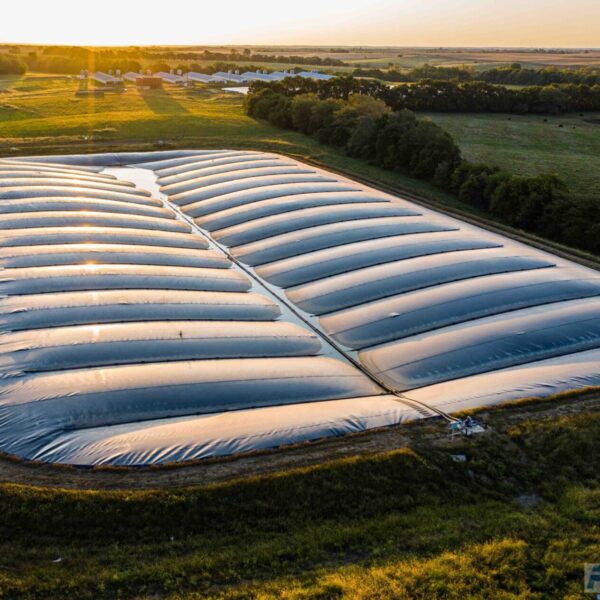
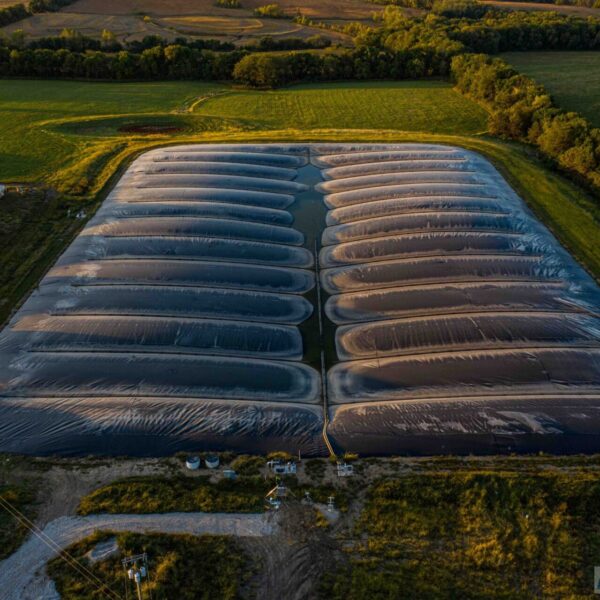
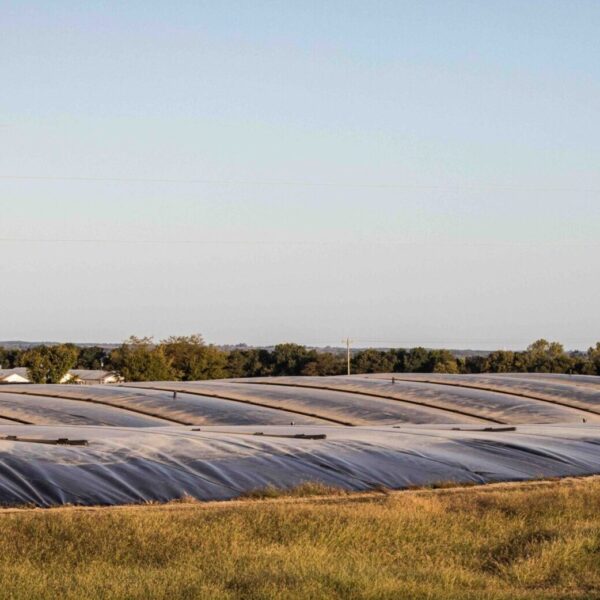
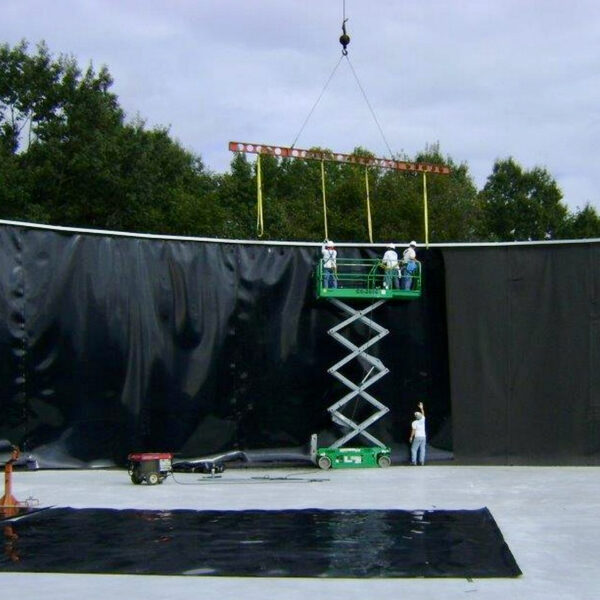
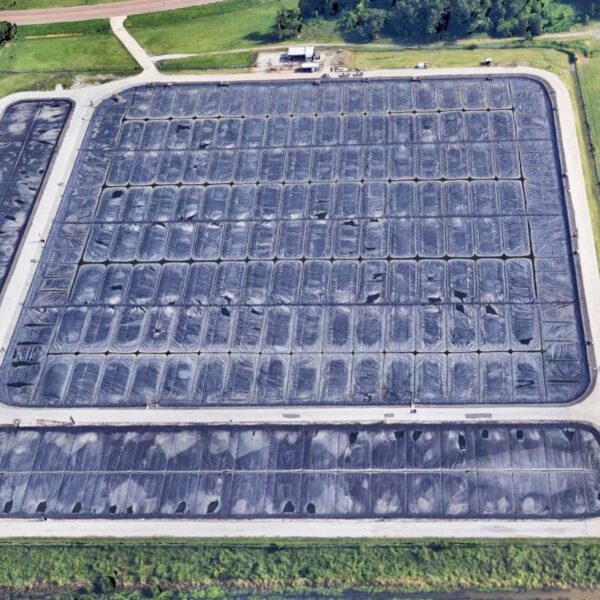
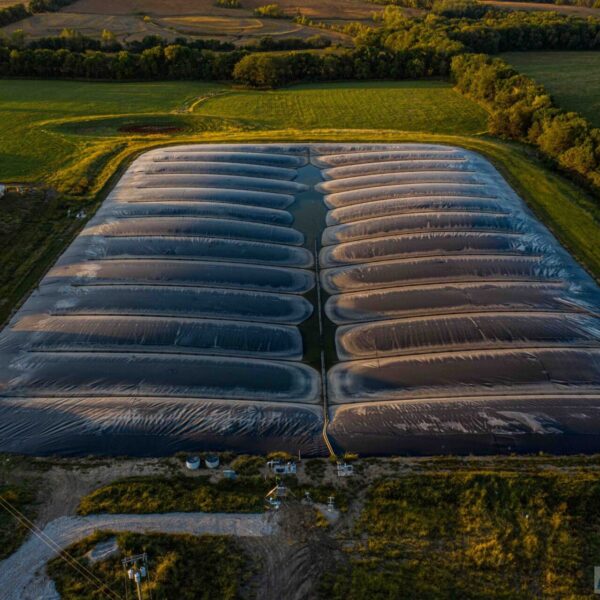
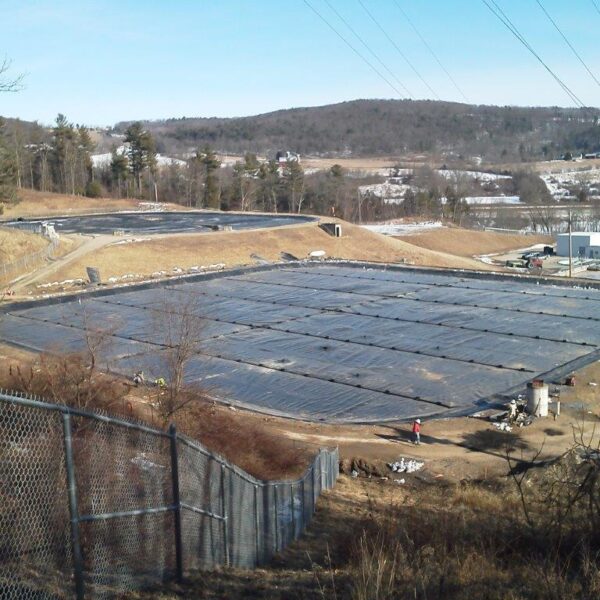
“Plastic Fusion was hired to test, repair, and replace existing pond liners on a restart project. The scope of work included installing a new insulated HDPE cover on the existing AD lagoon. Not only was the quality of the crew’s work exceptional, PFF was given the “A Team” award for outstanding work ethic.”
Ron Davies, Project Manager
Platte River Biogas, LLC
wHAT WE DO
Plastic Ditch Liners
CONTACT FOR DITCH LINER INSTALLATION
Ditch Liner Installation for Drainage & Irrigation Ditches
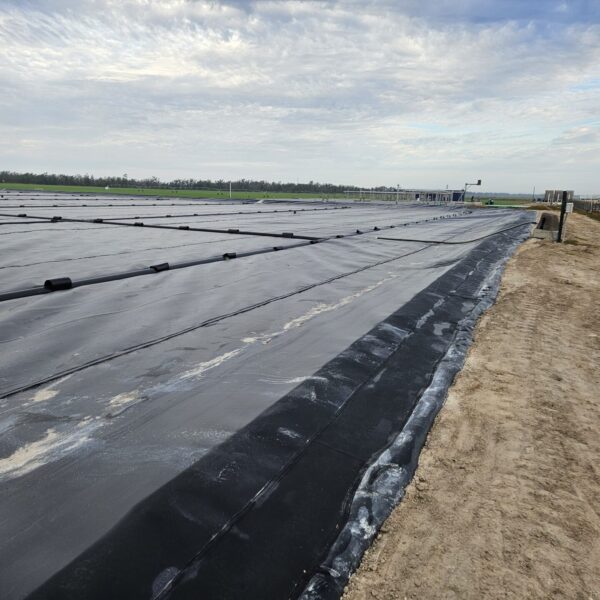
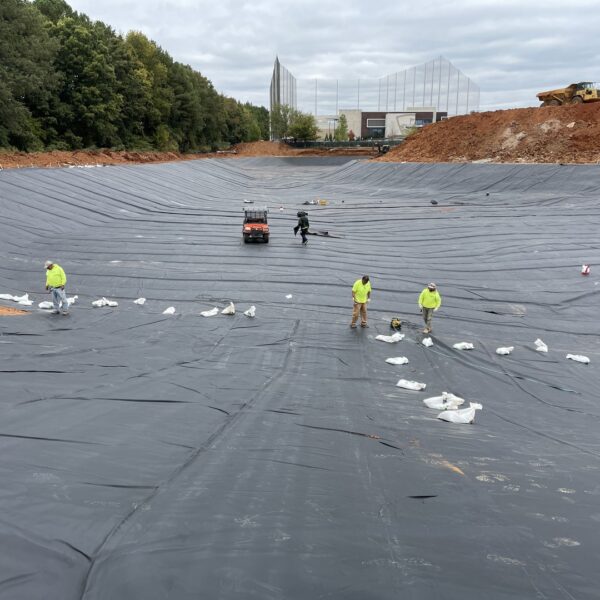
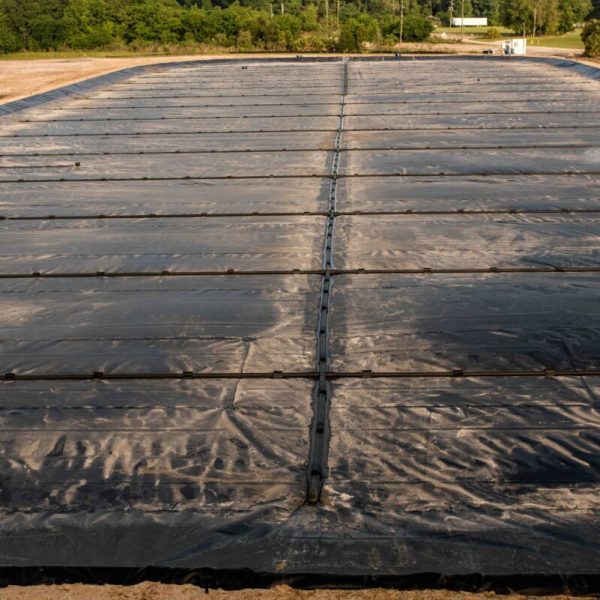
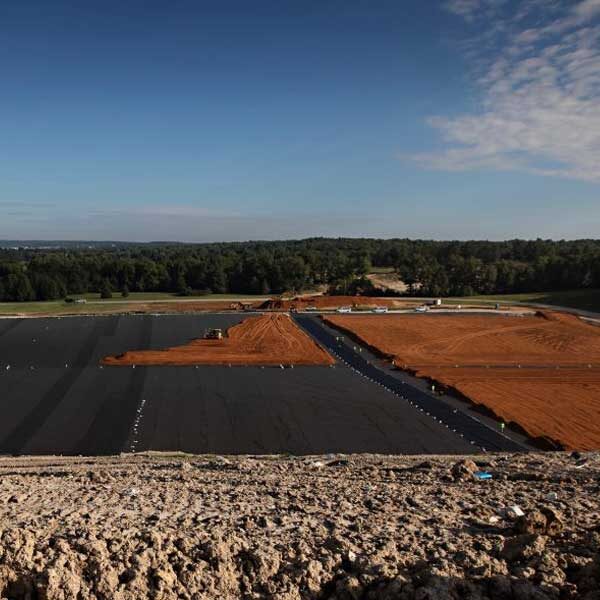
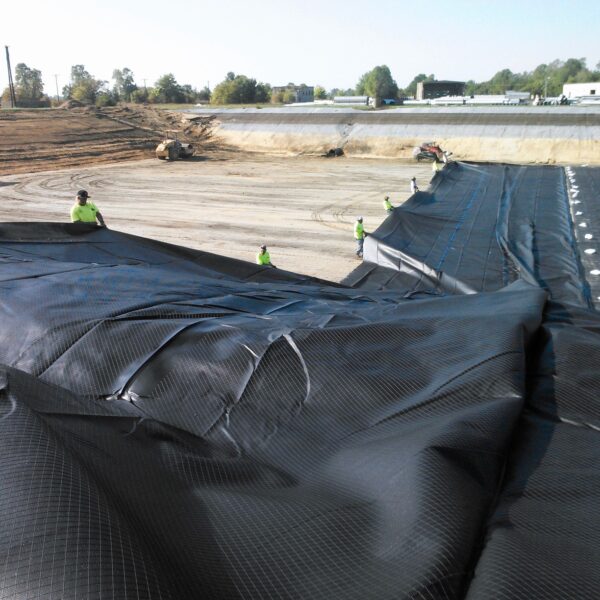
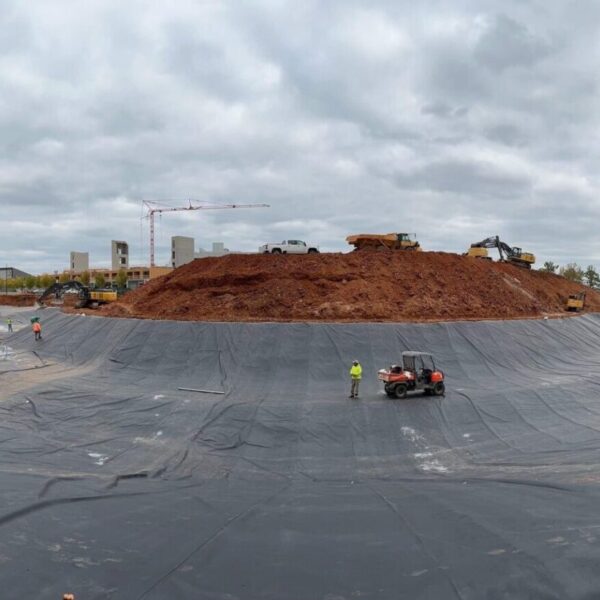
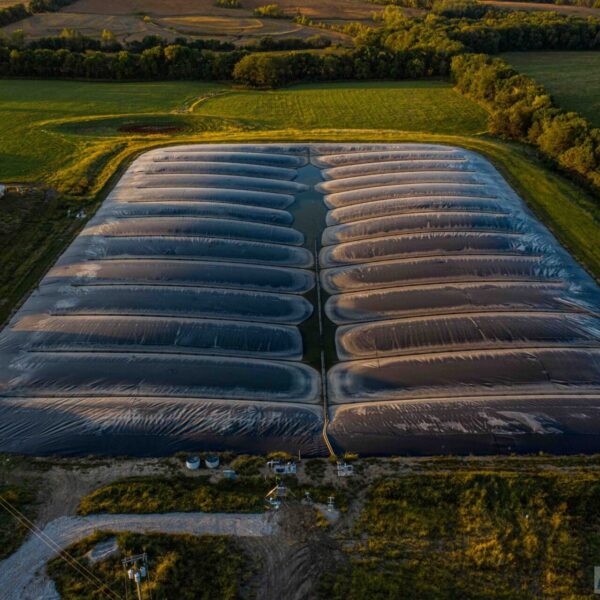
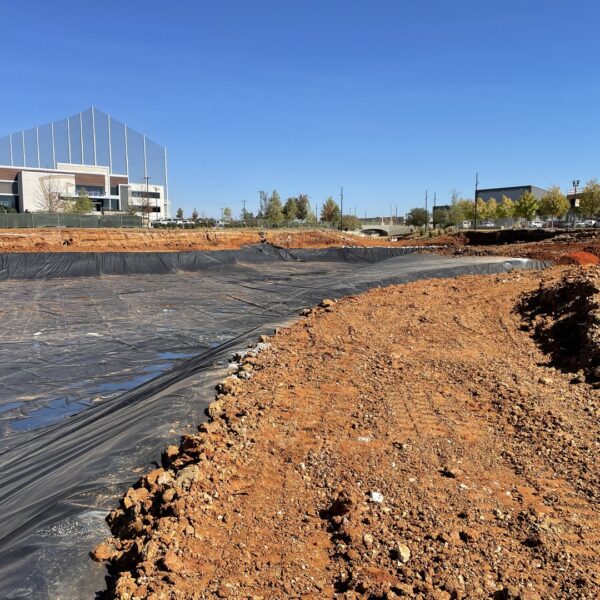
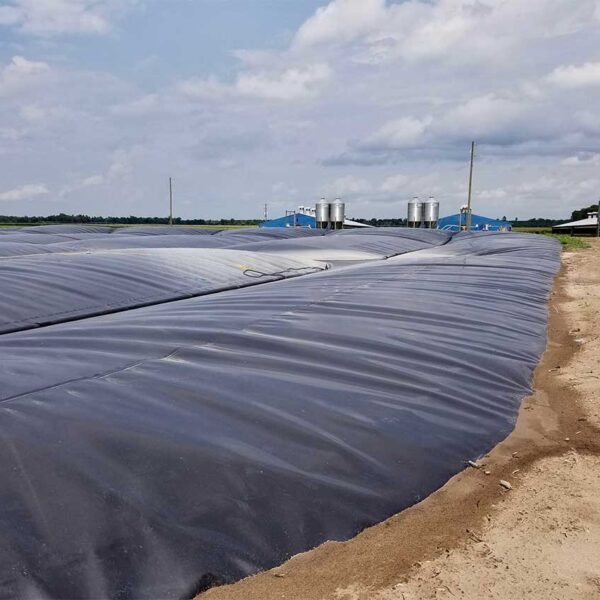
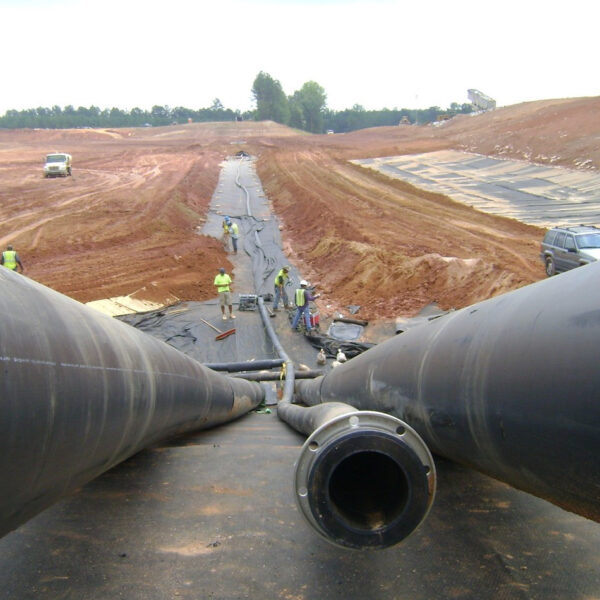
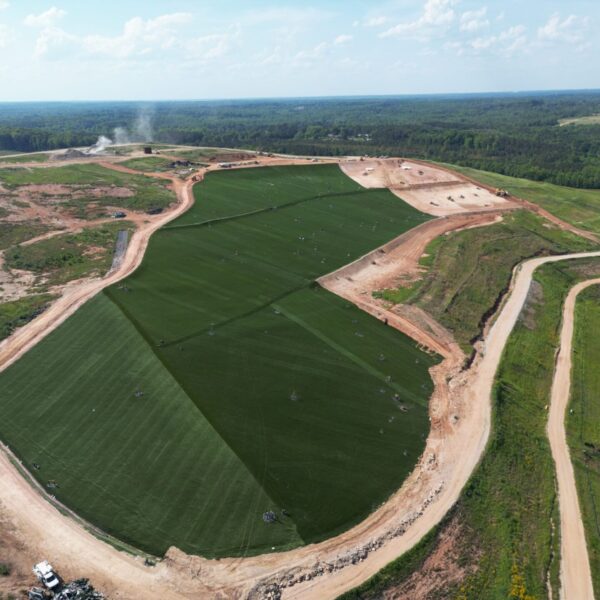
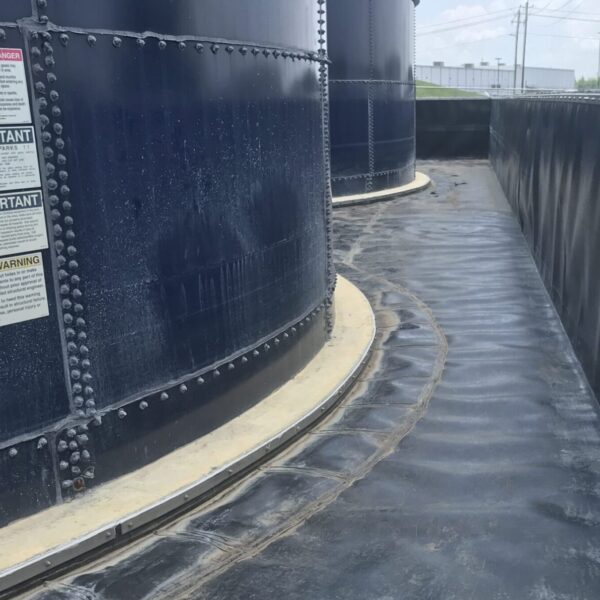
Plastic Fusion Fabricators installs plastic ditch liners for drainage and irrigation ditches — engineered, fusion-welded polyethylene liners that stop erosion, eliminate seepage, and keep water moving where it’s supposed to go. A ditch liner is the impermeable barrier that turns a bare earthen channel into a sealed, durable conveyance: it protects the ditch banks from washing out, keeps water from soaking into the ground before it reaches its destination, and resists the weeds and sediment that choke an unlined ditch. We install HDPE, LLDPE, and RPP ditch liners for municipal, industrial, and agricultural sites. With 40+ years of geomembrane installation across 24 states, Plastic Fusion lines ditches built to last.
An unlined ditch is a maintenance problem waiting to happen. The banks erode, the bottom silts in, water seeps away through the soil, and vegetation slows the flow until the channel stops draining the way it was designed to. A plastic ditch liner solves all of it at once — a continuous, impermeable surface that armors the channel against erosion, seals it against seepage, and gives water a smooth path through.
Drainage Ditches and Irrigation Ditches
We line both, and the goal is opposite in each case:
- Drainage ditches carry water away — stormwater, runoff, and site drainage. A liner armors the channel against the erosion that fast-moving runoff causes and keeps the ditch draining at full capacity instead of silting in.
- Irrigation ditches carry water to where it’s needed. Here the liner’s job is to stop seepage — an unlined irrigation ditch can lose a large share of its water into the ground before it reaches the field. A polyethylene liner keeps that water in the channel.
Plastic Ditch Liner vs. Concrete
Concrete is the traditional way to line a ditch, and it has a traditional set of problems: it cracks as the ground shifts and freezes, it spalls and deteriorates over time, water finds the cracks and seeps out or undermines the slab, and it’s expensive to pour and to repair. A fusion-welded polyethylene ditch liner flexes with the ground instead of cracking against it, installs as one continuous seamless barrier with no joints to leak, and goes in faster and at lower cost than a concrete channel. For most drainage and irrigation ditches, a plastic liner outperforms concrete on cost, seepage control, and service life.
Installed, Not a DIY Roll-Out
There’s a difference between a roll of thin plastic from the home-improvement store and an engineered ditch liner installed to do a job. For a real drainage or irrigation channel — one that has to handle flow, resist erosion, and last — the liner needs to be specified to the application, deployed and anchored correctly down the channel, and fusion-welded into a continuous barrier with no seams to fail. Plastic Fusion installs at that level, and we stand behind a finished ditch that performs.
Ditch Liner Materials
We install the polyethylene family — the right material for ditch lining:
- HDPE (high-density polyethylene) — durable, chemical- and UV-resistant, the workhorse for drainage and irrigation channels
- LLDPE — added flexibility to conform to irregular channel shapes and ground movement
- RPP (reinforced polypropylene) — for ditches carrying process water or chemicals that need extra chemical resistance
This is installed, engineered plastic — fusion-welded into a continuous barrier and built for years of service, not a thin film that tears and degrades in a season.
Ditch Liner Applications
- Municipal drainage and stormwater ditches — erosion-resistant channel lining
- Industrial site drainage — sealed channels for site runoff and process water
- Agricultural and irrigation ditches — seepage control to keep irrigation water in the channel
- Roadside and right-of-way drainage — durable lining for high-flow drainage channels
- Erosion-control channels — armoring earthen channels against washout
Related Pages
- Canal liners — for larger irrigation canals and conveyance channels, see canal liner installation
- Agricultural liners — for farm irrigation, drainage, and containment, see agricultural liners
- All pond and containment liners — see our pond and containment liner applications
Why Choose Plastic Fusion
- 40+ years installing geomembrane liners for drainage and irrigation
- Installer and fabricator — not a liner reseller
- Fusion-welded HDPE, LLDPE, and RPP — continuous, seamless, no joints to leak
- Engineered to the channel’s flow, slope, and soil conditions
- Active projects across 24 states with nationwide mobilization
Ditch Liner FAQs
What is the best material for a ditch liner?
For most drainage and irrigation ditches, HDPE (high-density polyethylene) is the best material — it’s durable, UV- and chemical-resistant, and fusion-welds into a continuous, seamless barrier. LLDPE adds flexibility for irregular channels, and RPP adds chemical resistance for ditches carrying process water. The polyethylene family outperforms thin DIY plastic on durability and outperforms concrete on seepage control and cost.
Is a plastic ditch liner better than concrete?
For most ditches, yes. Concrete cracks as the ground shifts and freezes, spalls over time, and leaks at every joint and crack — and it’s expensive to install and repair. A fusion-welded polyethylene liner flexes with the ground instead of cracking, installs as one seamless barrier with no joints, and costs less to install. It controls seepage better and lasts longer in the channel.
Do you line both drainage and irrigation ditches?
Yes. For drainage ditches, the liner armors the channel against erosion and keeps it draining at capacity. For irrigation ditches, the liner stops seepage so the water reaches the field instead of soaking into the ground. We specify and install for either, matched to the channel’s flow and conditions.
Request a Quote
If you have a drainage or irrigation ditch that’s eroding, losing water to seepage, or in need of a durable engineered liner, Plastic Fusion installs the fusion-welded polyethylene ditch liner built for your channel. Contact us with your ditch details for a quote.