
Biogas Piping Installation
CONTACT FOR BIOGAS PIPING INSTALLATION


Unmatched Performance
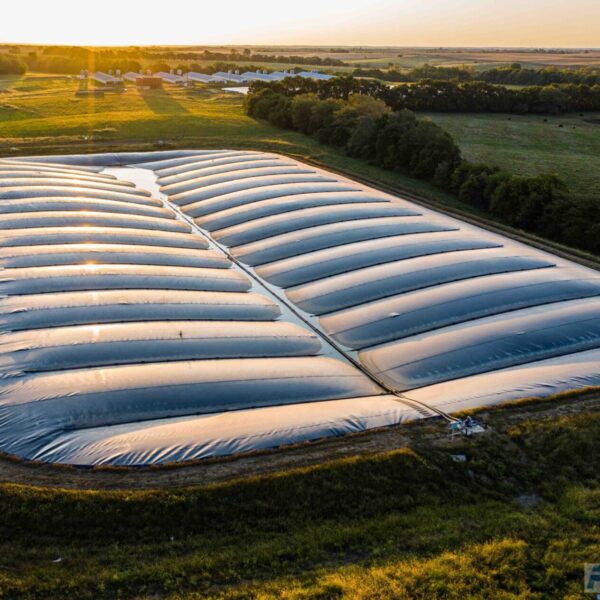
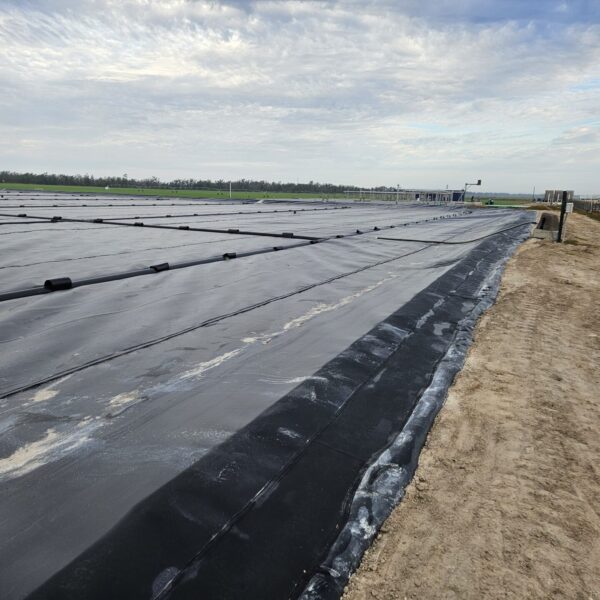
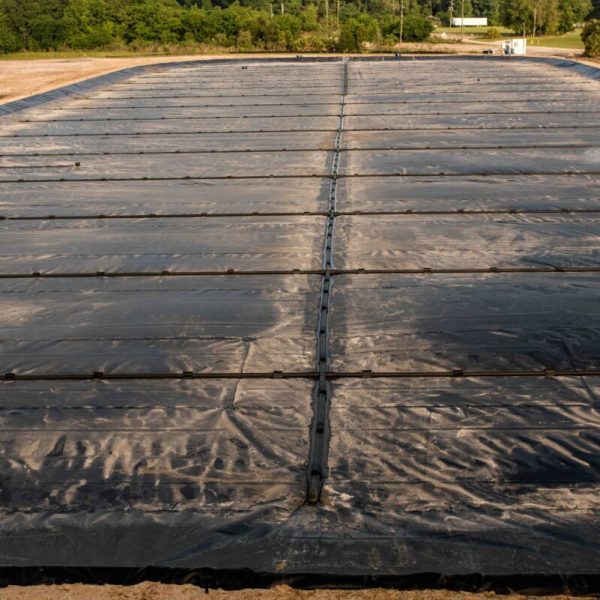
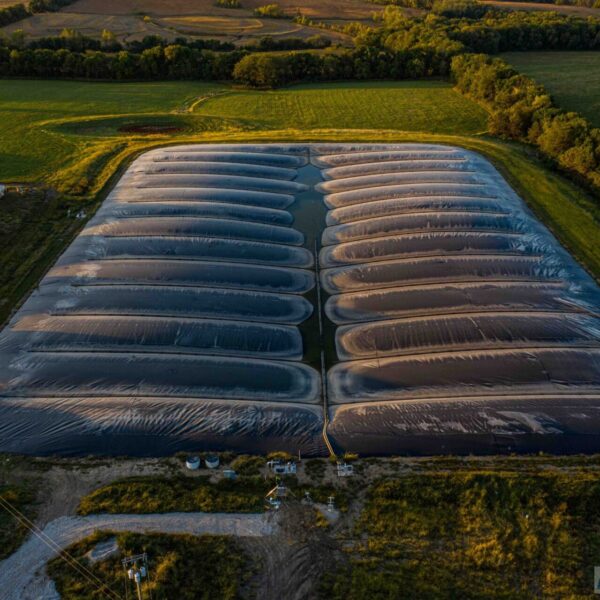
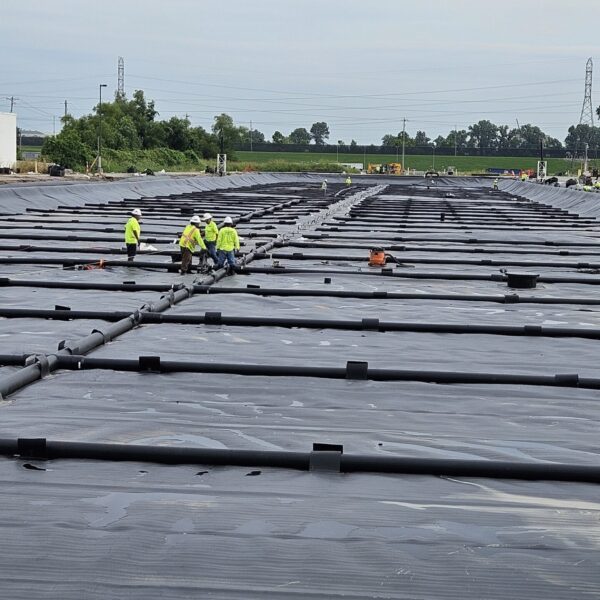
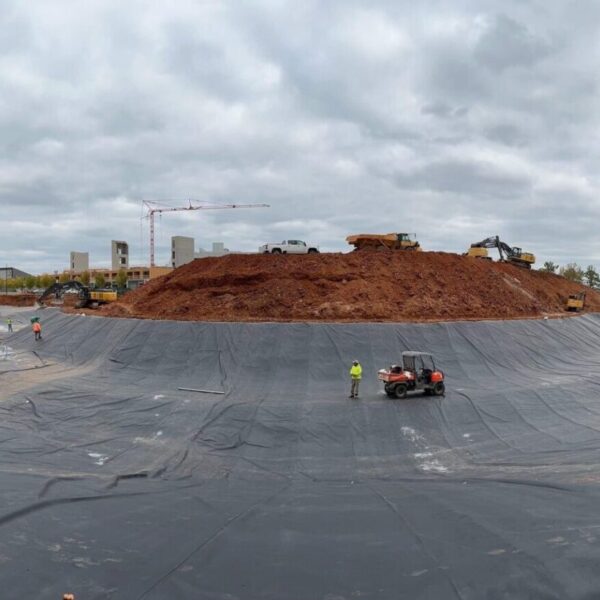
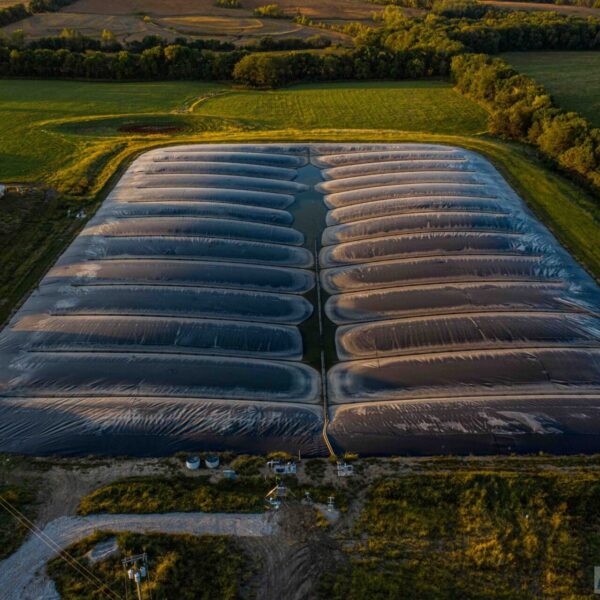
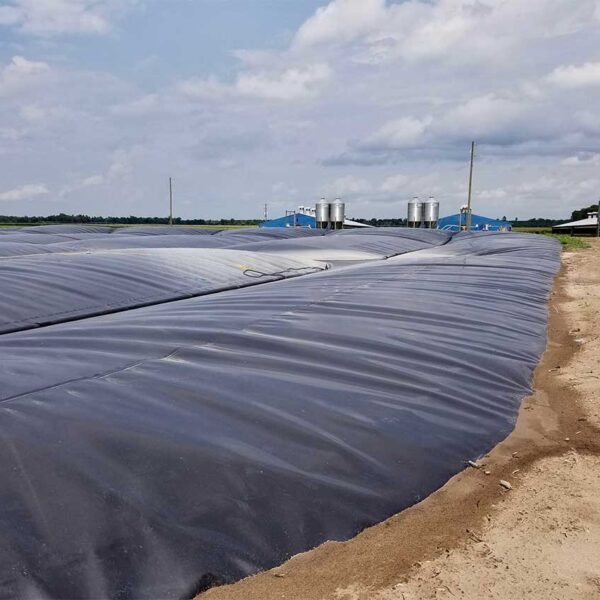
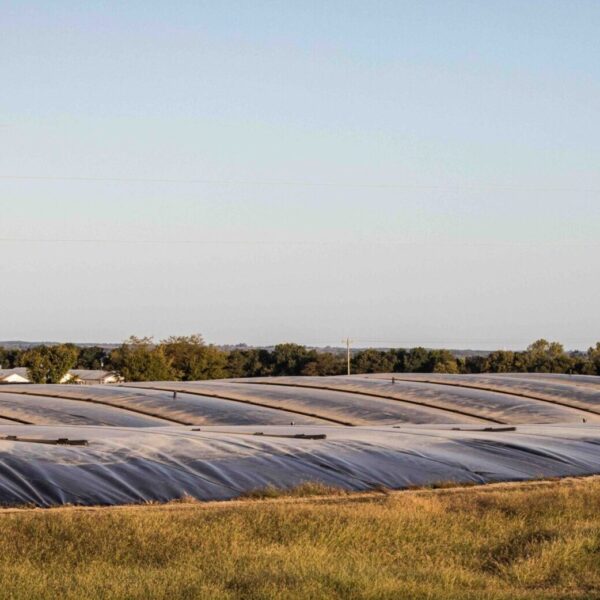
“Plastic Fusion was hired to test, repair, and replace existing pond liners on a restart project. The scope of work included installing a new insulated HDPE cover on the existing AD lagoon. Not only was the quality of the crew’s work exceptional, PFF was given the “A Team” award for outstanding work ethic.”
Ron Davies, Project Manager
Platte River Biogas, LLC
wHAT WE DO

Our HDPE Custom Fabrication
Biogas Piping Installation
CONTACT FOR BIOGAS PIPING INSTALLATION
Biogas Piping Installation
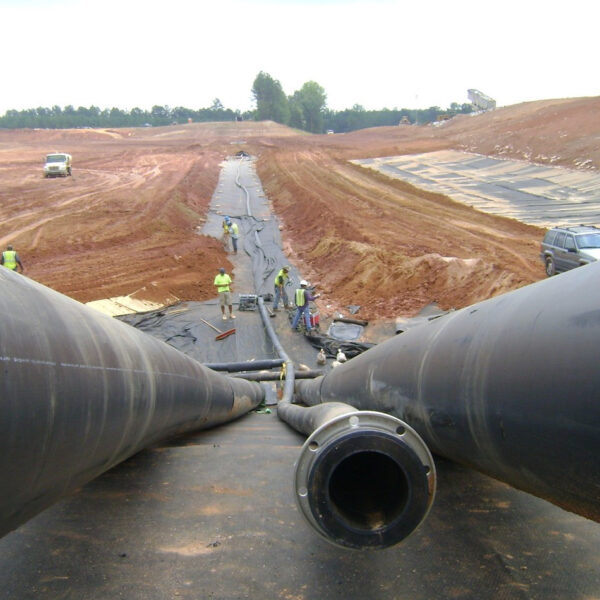
Plastic Fusion Fabricators installs biogas piping systems for anaerobic digesters, covered lagoons, wastewater treatment plants, and renewable natural gas facilities. We design, fabricate, and install the HDPE gas collection and conveyance piping that moves biogas from the cover or digester to flares, CHP units, and RNG upgrading equipment — engineered for the low-pressure, moisture-saturated, corrosive conditions that biogas piping has to handle.
Biogas piping fails in predictable ways when it’s installed wrong: condensate pools in low spots and blocks flow, H₂S corrodes the wrong materials, leaks develop at improperly fused joints, and undersized lines create pressure drops that starve downstream equipment. Getting it right requires more than running pipe — it takes proper slope to condensate traps, gas-rated materials, correctly sized lines, fully fused leak-tight joints, and pressure testing before commissioning. That’s contractor work, not a DIY project.
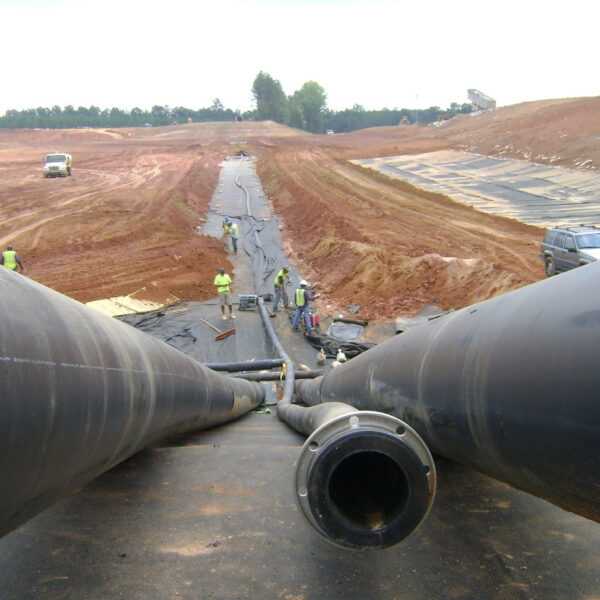
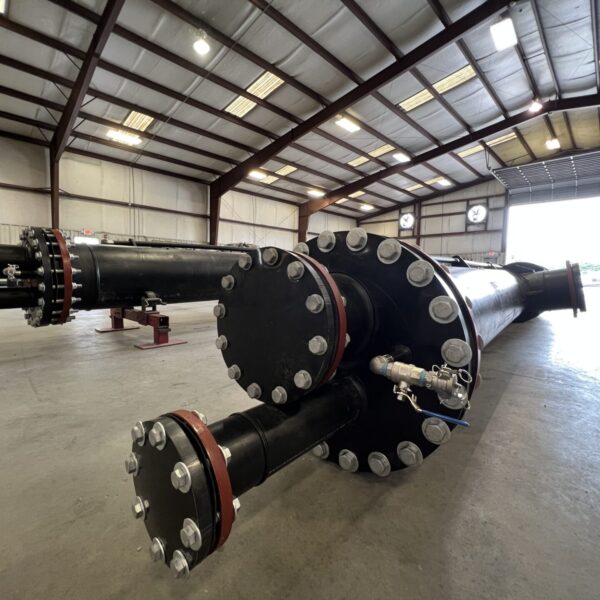
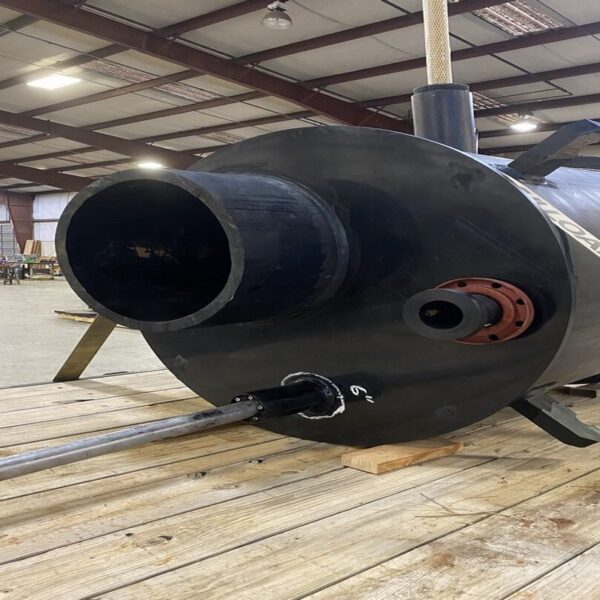
Plastic Fusion has been fabricating and installing HDPE piping for biogas and environmental applications for over 40 years. Our certified fusion technicians build biogas collection systems from the cover down through the complete gas conveyance network — and our in-house fabrication shop builds the custom manifolds, headers, and fittings each system requires.
What We Install
- HDPE biogas header and lateral piping — gas-rated for corrosive biogas service
- Gas collection manifolds — custom-fabricated to system design
- Condensate management — low-point drains, condensate traps, and drip legs
- Pressure and vacuum relief assemblies
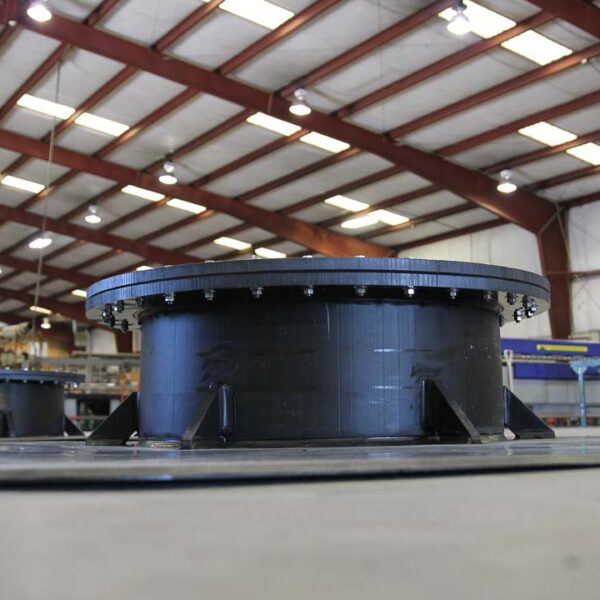
- Gas-tight pipe penetrations through covers and containment
- Flare, CHP, and RNG upgrading equipment tie-ins
- Underground and aboveground gas conveyance lines
- Blower and booster integration for low-pressure systems
Biogas Piping Design Fundamentals
Biogas piping has design requirements that separate professional installation from improvised pipe runs:
- Materials — biogas contains hydrogen sulfide (H₂S) that corrodes copper and unrated metals. HDPE is the standard for biogas conveyance: corrosion-immune, fusion-weldable for leak-tight joints, and rated for the service.
- Condensate management — biogas leaves the digester fully saturated with moisture. As it cools, water condenses and pools, blocking flow. Piping must slope to low-point drains and condensate traps (typically ¼ to ½ inch per foot) so moisture drains without letting gas escape.
- Sizing — lines must be sized so gas velocity stays low enough to minimize pressure drop in a low-pressure system that relies on minimal driving force.
- Leak-tight joints — every connection must be gas-tight. HDPE fusion welding creates monolithic joints with no mechanical leak paths, then the system is pressure-tested before commissioning.
- Underground protection — buried lines need proper trench depth, sand bedding, and protection from traffic loads.
This is where Plastic Fusion’s HDPE fusion expertise directly applies — fused biogas piping eliminates the leak paths that mechanical connections introduce.
Why Engineers and Developers Specify Plastic Fusion
- 40+ years fabricating and installing HDPE piping for biogas and environmental systems
- Certified fusion technicians — butt fusion, electrofusion, and socket fusion
- In-house fabrication of custom manifolds, headers, reducers, and fittings
- Complete biogas system capability: covers, piping, condensate, and equipment tie-ins
- Gas-tight fused joints with documented pressure testing and QA/QC
- Material expertise matched to biogas chemistry — H₂S, moisture, low pressure
- Nationwide mobilization with experienced biogas project crews
- Direct coordination with process engineers, developers, and equipment suppliers
Industries Served
Plastic Fusion installs biogas piping for municipal wastewater treatment plants, dairy and livestock digester operations, food and beverage processors, landfill gas recovery projects, renewable natural gas (RNG) facilities, and industrial anaerobic digestion systems.
Biogas Piping FAQs
What pipe material is used for biogas?
HDPE (high-density polyethylene) is the standard material for biogas conveyance piping. Biogas contains hydrogen sulfide (H₂S), which corrodes copper, certain metals, and unrated plastics. HDPE is immune to H₂S corrosion, can be fusion-welded to create monolithic leak-tight joints, and is rated for the low-pressure, moisture-saturated conditions of biogas service. Stainless and galvanized steel are also used in some applications, but HDPE is the most common for collection and conveyance piping due to its corrosion resistance and fused-joint integrity.
Why does biogas piping need to slope?
Biogas leaves the digester fully saturated with moisture. As the gas cools in the piping, water condenses and collects. Without proper slope, this condensate pools in low spots and eventually blocks gas flow. Biogas piping must slope at a minimum of ¼ to ½ inch per foot toward dedicated low points, where condensate traps and drains remove the water without letting gas escape. Proper condensate management is one of the most critical — and most commonly mishandled — aspects of biogas piping design.
How is biogas piping tested for leaks?
After installation, biogas piping is pressure-tested before being put into service — typically by pressurizing the closed system with air above the maximum designed operating pressure and checking every joint and valve for leaks. Because Plastic Fusion uses HDPE fusion welding rather than mechanical connections, the joints themselves are monolithic and leak-free by design — but every system is still pressure-tested and documented before commissioning.
What’s the difference between biogas piping and a biogas collection system?
Biogas piping is the gas conveyance network — the headers, laterals, manifolds, and condensate management that move gas through the facility. A biogas collection system is the complete infrastructure including the cover or digester gas capture, the piping, the condensate management, pressure control, and tie-ins to flares or energy equipment. Plastic Fusion installs both the piping and the complete system as an integrated scope.
Can you tie biogas piping into flares, generators, or RNG equipment?
Yes. We install the gas conveyance piping and the tie-ins to downstream equipment — flares for gas destruction, combined heat and power (CHP) engines for energy generation, and RNG upgrading systems for pipeline-quality biomethane. Coordinating the piping with the downstream equipment is part of delivering a system that performs as designed.
Request a Quote
If your biogas or RNG project needs professional piping installation — collection headers, condensate management, manifolds, and equipment tie-ins — Plastic Fusion delivers fused, leak-tight HDPE systems built for biogas service. Contact us for project-specific pricing and installation timelines.