
Canal Liners
CONTACT FOR CANAL LINER INSTALLATION


Unmatched Performance
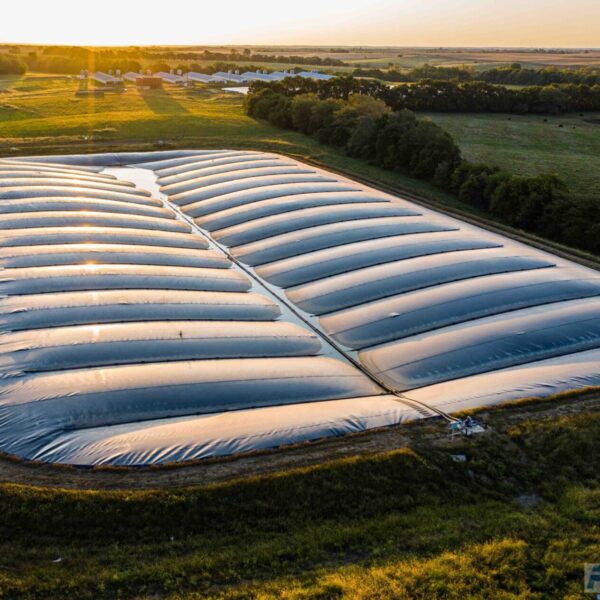
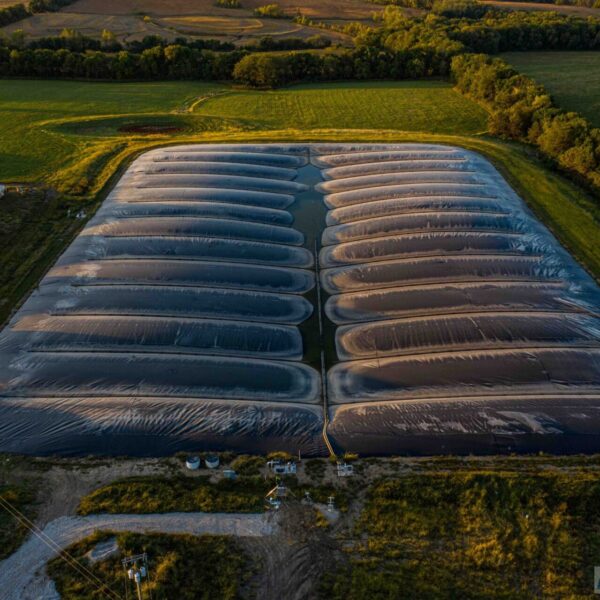
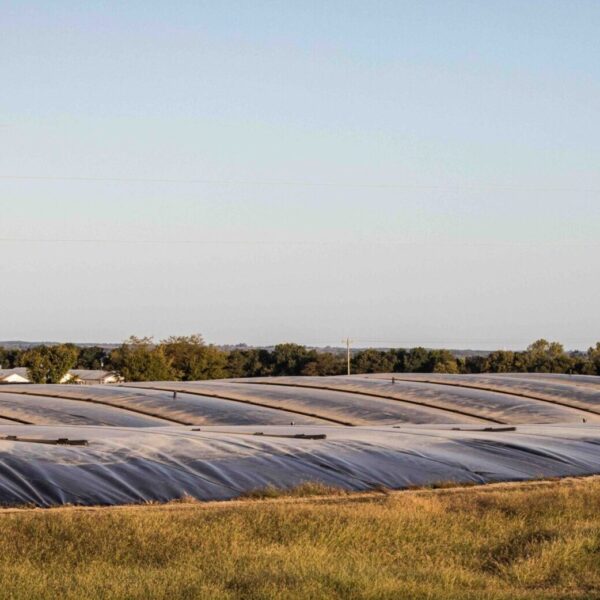
“Plastic Fusion was hired to test, repair, and replace existing pond liners on a restart project. The scope of work included installing a new insulated HDPE cover on the existing AD lagoon. Not only was the quality of the crew’s work exceptional, PFF was given the “A Team” award for outstanding work ethic.”
Ron Davies, Project Manager
Platte River Biogas, LLC
wHAT WE DO
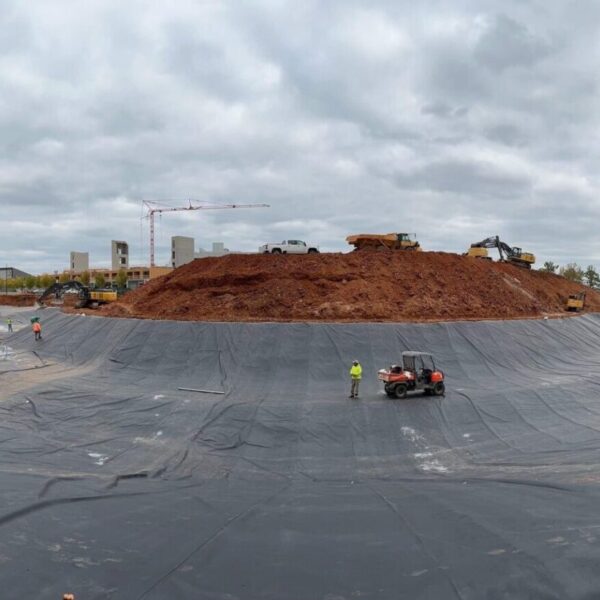
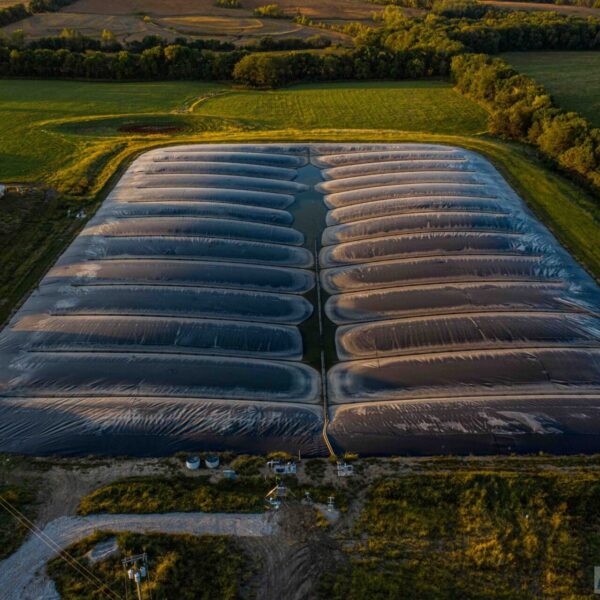
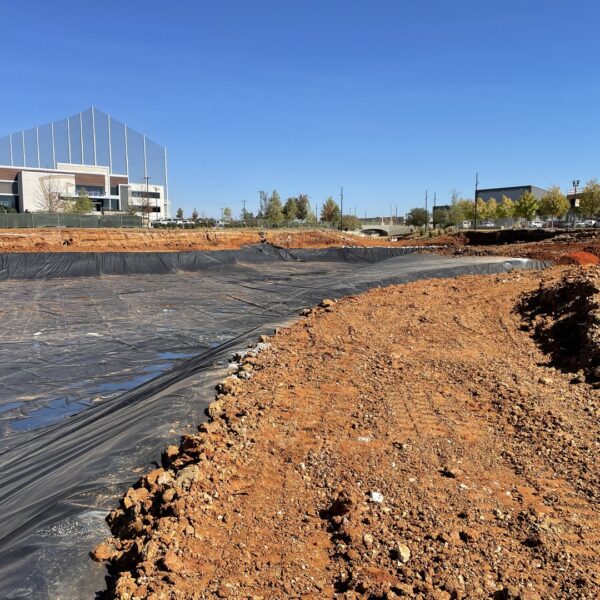
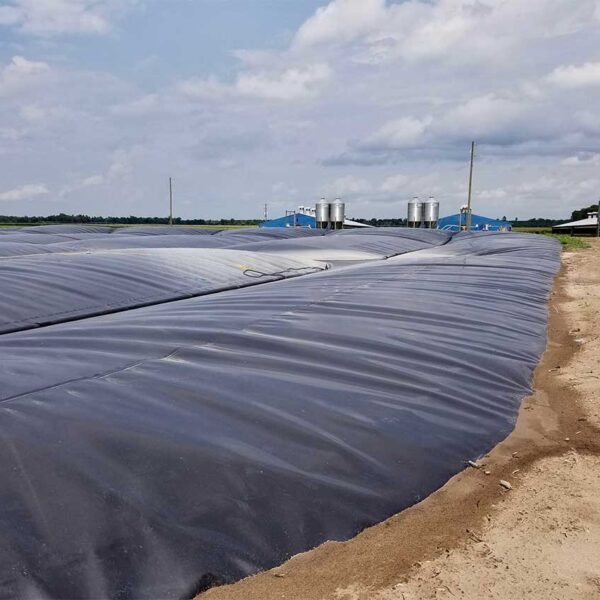
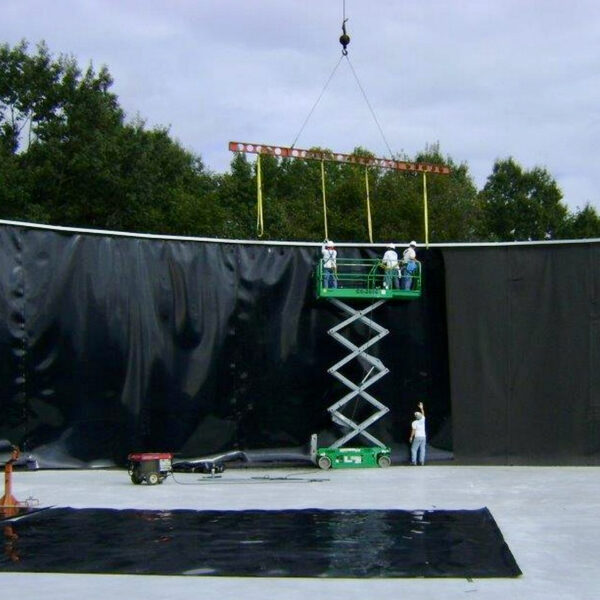
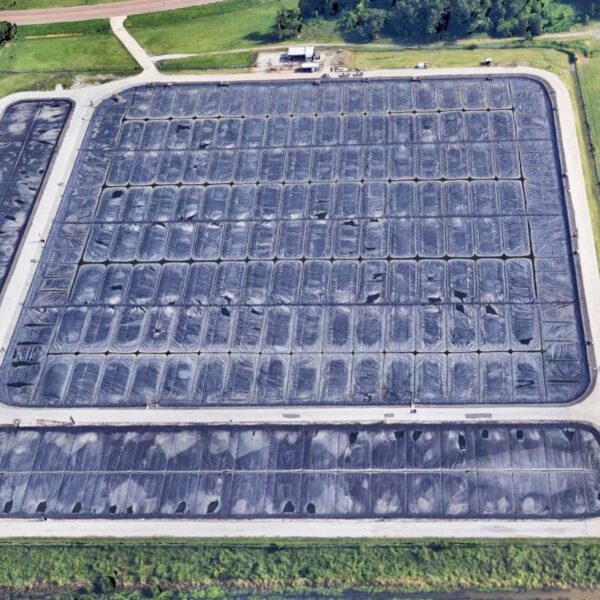
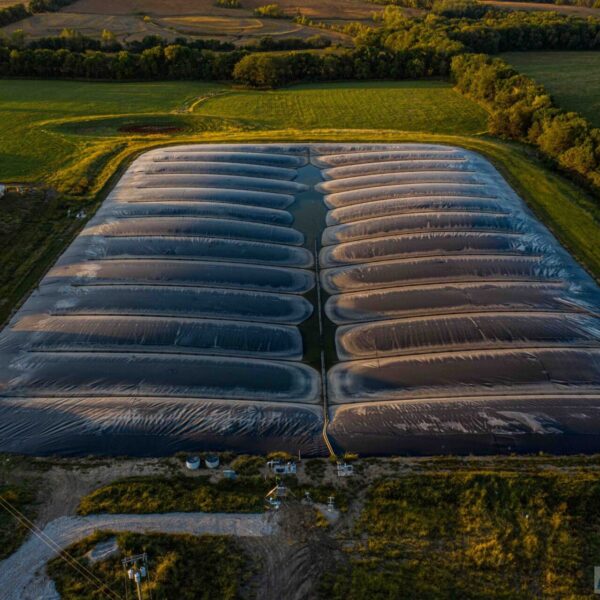
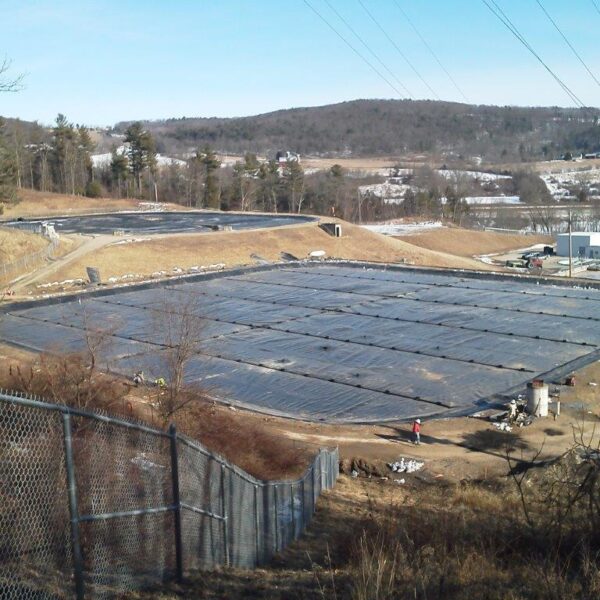
Canal Liners
CONTACT FOR CANAL LINER INSTALLATION
Canal Lining Installation
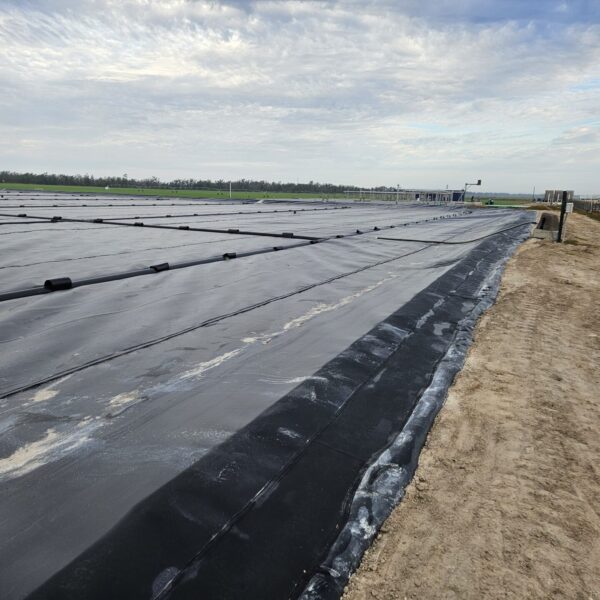
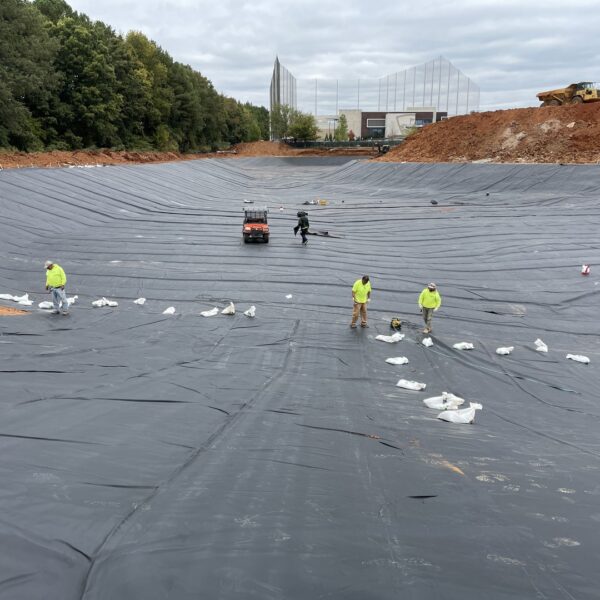
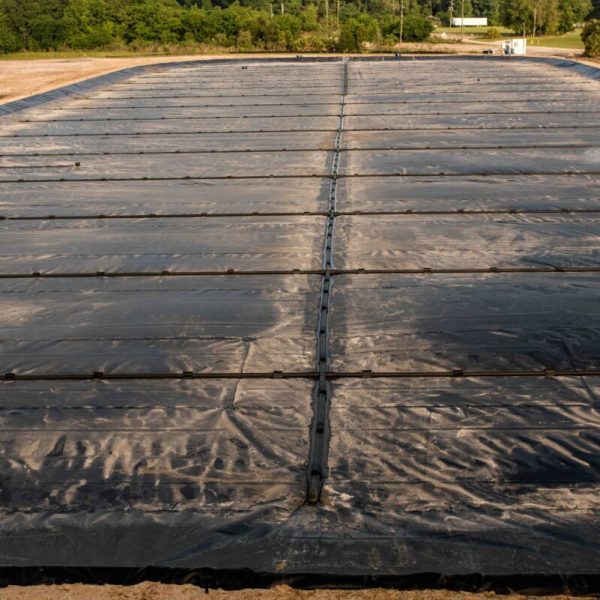
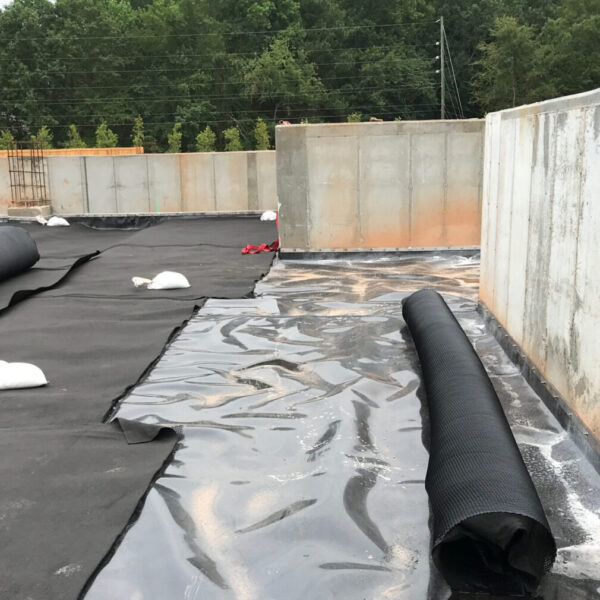
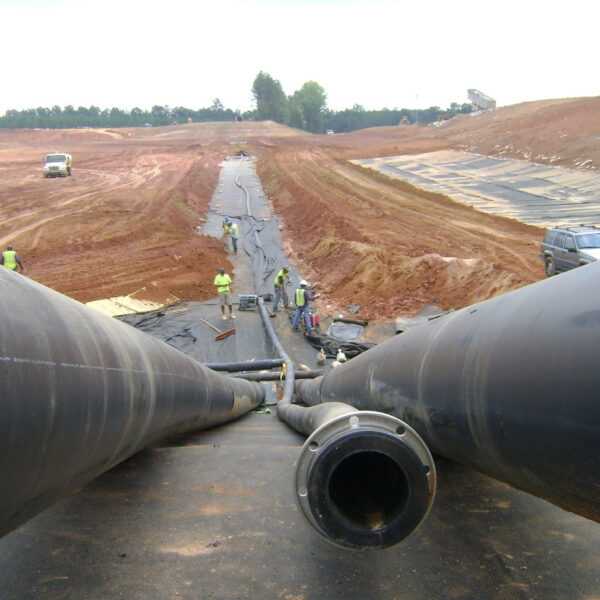
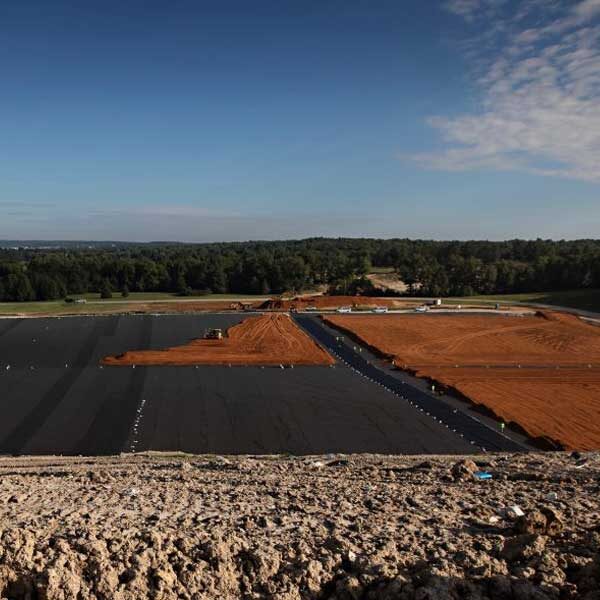
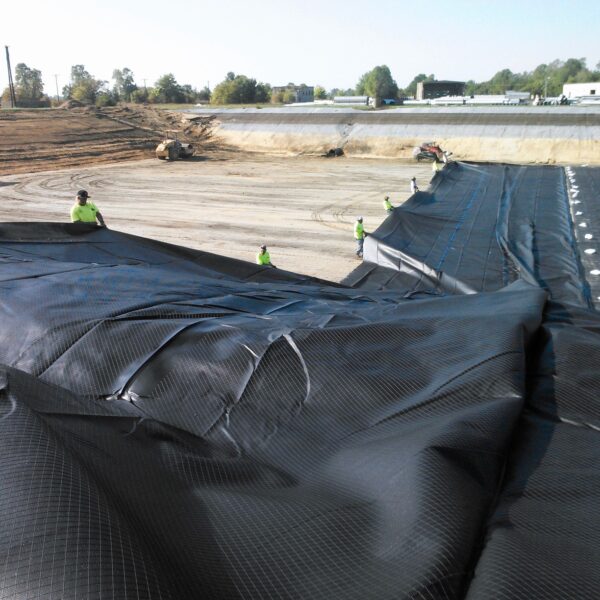
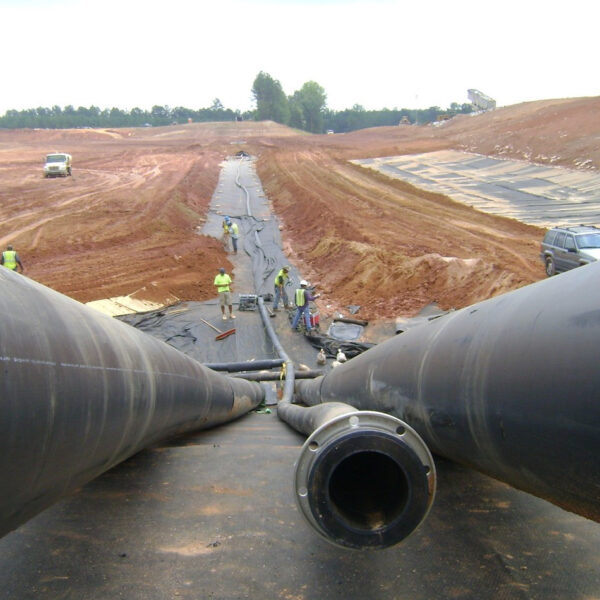
Plastic Fusion Fabricators installs geomembrane canal liners for irrigation and water-conveyance canals nationwide. An unlined earthen canal loses 30-40% of the water it carries to seepage — water that never reaches the field or the destination it was meant for. A geomembrane canal liner stops that loss, turning a leaking earthen channel into an efficient, leak-proof conveyance. We install fusion-welded HDPE, LLDPE, and RPP liners engineered to the canal and built to perform for decades. With 40+ years installing geomembrane containment across 24 states, Plastic Fusion is the canal lining installer that conserves the water you can’t afford to lose.
Lining a canal is fundamentally about water conservation. Seepage through the bed and banks of an unlined canal wastes a huge share of the supply, drives up pumping and delivery costs, and undermines the embankments through erosion. An impermeable geomembrane liner seals the canal, eliminates the seepage, improves flow rates, and protects the structure. For irrigation districts, agricultural operations, and any system moving water through earthen channels, lining is the most direct way to recover lost water.
Flexible Liners vs. Rigid Concrete
Canals have traditionally been lined with concrete — but concrete is not maintenance-free, and it cracks. Ground movement, settlement, freeze-thaw, and seismic activity all open cracks in rigid concrete lining, and once it cracks, it leaks. A flexible geomembrane liner solves the problem concrete can’t: it conforms to the canal, accommodates ground movement, and stays watertight where rigid lining fails. This matters especially in seismic and earthquake-prone zones, where flexible LLDPE and RPP liners flex with the ground instead of fracturing. Where concrete is brittle, a fusion-welded geomembrane is a continuous, flexible, leak-proof barrier.
Canal Liner Applications
- Irrigation canals — sealing irrigation canals and laterals to stop seepage and conserve water
- Water-conveyance canals — lining channels that move water between points
- Canal rehabilitation — relining or lining over existing failing concrete canals
- Drainage and conveyance channels — lining channels for controlled water movement
- Seismic-zone canals — flexible liners for canals in earthquake-prone areas
Canal Liner Materials
We install HDPE, LLDPE, and RPP geomembrane canal liners. HDPE provides durability and chemical resistance for long-term conveyance; LLDPE and RPP offer the flexibility that conforms to canal geometry and accommodates ground movement — the property that makes geomembrane superior to rigid lining in settling or seismic conditions. Every liner is fusion-welded into a continuous, leak-proof barrier sized to the canal.
The Installer Difference
Much of what’s sold as a canal liner is material by the square foot — rolls you’re left to install yourself. Plastic Fusion is the contractor that installs it: we deploy the geomembrane, fusion-weld and test every seam, anchor and detail it to the canal, and deliver a finished, tested liner. For a canal that has to convey water without leaking for decades, the seams are everything, and we weld and test them as a geomembrane specialist.
Related Pages
- All pond and containment liners — see our pond and containment liner applications
- Ditch liners — for smaller drainage and conveyance ditches, see ditch liners
- Irrigation pond liners — for irrigation storage reservoirs, see irrigation pond liners
Why Irrigation Districts and Engineers Choose Plastic Fusion
- 40+ years installing geomembrane water-conveyance liners
- Installer and fabricator — not a liner reseller
- Flexible geomembrane that outperforms rigid concrete in settling and seismic conditions
- Fusion-welded HDPE, LLDPE, and RPP liners with documented seam testing
- Engineered to the canal’s flow, geometry, and ground conditions
- Active projects across 24 states with nationwide mobilization
Canal Liner FAQs
How much water does canal lining save?
Unlined earthen canals lose roughly 30-40% of their water to seepage through the bed and banks. Lining the canal with an impermeable geomembrane effectively eliminates that seepage loss, recovering water that would otherwise never reach its destination. For irrigation systems, that recovered water translates directly into more delivered supply, lower pumping costs, and better embankment stability.
Why use a geomembrane liner instead of concrete?
Concrete canal lining is rigid, and rigid lining cracks — from settlement, ground movement, freeze-thaw, and seismic activity. Once concrete cracks, it leaks, and repairs are ongoing. A flexible geomembrane liner conforms to the canal and accommodates ground movement without cracking, staying watertight where concrete fails. It’s also faster to install and forms a fully continuous, fusion-welded barrier. In seismic or settling-prone areas especially, flexible geomembrane is the more reliable long-term choice.
Can you line canals in earthquake or seismic zones?
Yes — and it’s one of the strongest reasons to choose geomembrane over concrete. In seismic zones, rigid concrete lining is vulnerable to cracking from ground movement, while flexible LLDPE and RPP geomembrane liners flex with the ground and stay intact. We install flexible geomembrane canal liners engineered specifically to handle the ground movement that fractures rigid lining.
Can you line an existing concrete canal?
Yes. We install geomembrane liners over existing failing concrete canals as a rehabilitation measure, sealing the cracks and leaks of the old lining with a new continuous flexible barrier. This is often more cost-effective and longer-lasting than attempting to repair deteriorating concrete.
Request a Quote
If you’re losing water through an unlined or failing canal, a geomembrane liner recovers it. Plastic Fusion installs the fusion-welded canal liner — flexible, leak-proof, and engineered to your canal and ground conditions. Contact us with your canal details for a quote.